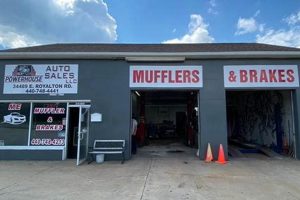
A business specializing in automotive exhaust systems and braking mechanisms provides essential services for vehicle maintenance and safety. These services typically include inspection, repair, and replacement of mufflers, exhaust pipes, catalytic converters, brake pads, rotors, calipers, and related components. Functioning exhaust systems are vital for reducing emissions and noise pollution, while properly maintained brakes are crucial for safe vehicle operation and preventing accidents.
The availability of comprehensive exhaust and brake services ensures vehicles meet regulatory standards for emissions and noise, contributing to environmental protection. Furthermore, well-maintained braking systems enhance driver and passenger safety by providing reliable stopping power in various driving conditions. The evolution of automotive technology has led to advancements in both exhaust and brake systems, requiring specialized knowledge and equipment for proper maintenance and repair. This expertise supports the longevity and safe operation of vehicles.
The following sections will delve into specific aspects of these automotive services, examining common issues, repair procedures, and the significance of preventative maintenance for both exhaust and braking systems.
Maintenance Strategies for Exhaust and Braking Systems
Adhering to a regular maintenance schedule for vehicle exhaust and braking systems is paramount to ensuring safety, extending vehicle lifespan, and minimizing costly repairs. These strategies offer guidance in maintaining optimal performance.
Tip 1: Regular Inspection: Schedule routine inspections of the exhaust and braking systems. Listen for unusual noises, such as rattling or squealing, which can indicate underlying issues. Visually inspect brake pads for wear and tear.
Tip 2: Fluid Checks: Regularly check brake fluid levels and condition. Low fluid levels or discolored fluid may indicate leaks or contamination, requiring immediate attention.
Tip 3: Prompt Repair: Address any identified issues with the exhaust or braking systems promptly. Delaying repairs can lead to more extensive damage and increased costs in the long run. Schedule immediate service for loud noises, decreased braking power, or vibrations.
Tip 4: Catalytic Converter Maintenance: Ensure the catalytic converter is functioning correctly. A failing catalytic converter can significantly reduce fuel efficiency and increase emissions. It is often indicated by a check engine light.
Tip 5: Brake Pad Replacement: Replace brake pads when they reach the minimum recommended thickness. This ensures optimal braking performance and prevents damage to rotors.
Tip 6: Exhaust System Integrity: Monitor the exhaust system for rust and leaks. Exhaust leaks can lead to carbon monoxide poisoning and reduced engine performance.
Tip 7: Professional Service: Engage qualified technicians for comprehensive inspections and repairs. Professional technicians possess the expertise and tools necessary to diagnose and resolve complex issues.
Consistent application of these maintenance strategies contributes significantly to the safe and reliable operation of vehicles, promoting both driver and passenger well-being.
The following concluding remarks will summarize the importance of maintaining these critical vehicle systems.
1. Exhaust System Repair

Exhaust system repair, a critical aspect of vehicle maintenance, directly impacts vehicle performance, emissions, and overall safety. Services in this domain address issues within the complex network of components responsible for routing exhaust gases away from the engine.
- Muffler Replacement
The muffler reduces the noise generated by the engine’s combustion process. Deterioration due to corrosion or physical damage necessitates replacement. Failure to address a damaged muffler results in increased noise pollution and potential regulatory violations.
- Exhaust Pipe Repair/Replacement
Exhaust pipes transport gases from the engine to the muffler and catalytic converter. Leaks or damage in these pipes can compromise engine performance, reduce fuel efficiency, and introduce harmful emissions into the environment. Repair involves patching or welding, while severe damage requires full replacement.
- Catalytic Converter Service
The catalytic converter reduces harmful emissions. Malfunctions such as clogging or damage can result in increased emissions, reduced engine performance, and potential legal penalties. Service may include cleaning, repair, or replacement.
- Exhaust Manifold Repair/Replacement
The exhaust manifold collects exhaust gases from multiple engine cylinders. Cracks or leaks in the manifold can cause engine performance issues and increase noise levels. Repair involves welding, while significant damage requires replacement.
Effective exhaust system repair is essential for maintaining vehicle compliance with emissions standards, ensuring optimal engine performance, and minimizing noise pollution. Regular inspection and prompt attention to exhaust system issues contribute to vehicle longevity and environmental responsibility.
2. Brake Component Replacement

Brake component replacement is a critical service offering directly related to operational safety and vehicle performance. This service encompasses the inspection, repair, and replacement of essential braking system parts, ensuring reliable stopping power. The need for brake component replacement arises from the natural wear and tear experienced by brake pads, rotors, calipers, and related hardware during regular vehicle operation. Ignoring worn brake components can lead to diminished braking effectiveness, increased stopping distances, and potentially hazardous driving conditions. For example, worn brake pads can damage rotors, necessitating their replacement as well, resulting in higher repair costs. Regular brake inspections and timely replacement of worn components are, therefore, paramount for maintaining vehicle safety.
The importance of effective brake component replacement extends beyond immediate safety concerns. Properly functioning brakes contribute to overall vehicle stability and handling, especially during emergency braking situations. Technicians diagnose the brake system, identifying parts requiring replacement based on wear, damage, or performance issues. Replacement processes are performed in accordance with manufacturer specifications and industry standards, further ensuring reliability and safety. Services often involve not only replacing parts but also cleaning and lubricating related components to prevent premature wear and guarantee smooth operation. Following the maintenance schedule is a key factor in the longevity of vehicle.
In conclusion, brake component replacement is an indispensable part of automotive maintenance. Timely and comprehensive service maintains safe operating conditions and mitigates the risk of accidents stemming from brake system failure. This commitment to safety represents a core value, underpinning its service offerings and contributing to customer confidence.
3. Diagnostic Services Offered
Accurate diagnosis forms the foundation of effective automotive repair. Diagnostic services, when properly executed, identify the root causes of vehicle malfunctions, enabling targeted and efficient repairs for exhaust and braking systems. Comprehensive diagnostic procedures minimize unnecessary part replacements and associated costs, ensuring that repairs address the actual problem rather than merely masking symptoms.
- Exhaust System Analysis
Diagnostic services assess exhaust system performance through visual inspection, pressure testing, and emissions analysis. Identifying leaks, blockages, or catalytic converter inefficiency requires specialized equipment and trained technicians. For instance, an exhaust gas analyzer can detect excessive hydrocarbon emissions, indicating a malfunctioning catalytic converter requiring repair or replacement. Precise diagnostics allow for accurate identification of the faulty component, avoiding unnecessary replacement of the entire exhaust system.
- Brake System Inspection
A thorough brake system inspection involves examining brake pads, rotors, calipers, brake lines, and master cylinder for wear, damage, or leaks. Hydraulic pressure testing can reveal issues with brake lines or the master cylinder. For example, measuring brake pad thickness and rotor runout determines whether replacement is necessary. Diagnostic services extend beyond visual inspection; they include assessing the functionality of the anti-lock braking system (ABS) using diagnostic scan tools to identify sensor failures or module malfunctions.
- Sensor Diagnostics
Modern vehicles incorporate numerous sensors that monitor various parameters related to exhaust and brake systems. Malfunctioning sensors can trigger warning lights and impact vehicle performance. Diagnostic services involve using scan tools to retrieve diagnostic trouble codes (DTCs) and interpreting sensor data to identify faulty sensors. For instance, an oxygen sensor failure can affect fuel mixture and catalytic converter efficiency, while a wheel speed sensor failure can disable the ABS system. Accurate sensor diagnostics are crucial for identifying and resolving these issues.
- Performance Testing
Diagnostic services evaluate the overall performance of exhaust and brake systems under various operating conditions. Brake performance testing assesses stopping distances, brake balance, and ABS functionality. Exhaust system performance can be evaluated through dynamometer testing to measure horsepower and torque output. These tests provide insights into the overall health of the systems and help identify underlying issues that may not be apparent during visual inspection. Furthermore, performance data helps optimize repairs for maximum efficiency and effectiveness.
These diagnostic facets, when integrated into repair strategies, contribute directly to achieving optimal vehicle performance, improving safety, and minimizing the cost of maintaining effective exhaust and brake systems. Thorough diagnostic procedures are crucial for pinpointing problems, enabling targeted repairs that restore vehicle functionality and prevent future complications.
4. Preventative Maintenance Focus

A proactive approach to vehicle maintenance reduces the likelihood of unexpected breakdowns and costly repairs. Focusing on preventative maintenance for exhaust and braking systems ensures optimal vehicle performance, extends component lifespan, and enhances overall safety.
- Regular Inspection Schedules
Scheduled inspections of exhaust and brake systems identify potential issues before they escalate into significant problems. For instance, routine brake pad thickness measurements allow for timely replacement before rotors are damaged. Similarly, inspecting exhaust systems for rust and leaks prevents costly catalytic converter damage. Adhering to recommended maintenance schedules contributes significantly to long-term vehicle reliability.
- Fluid Maintenance
Maintaining proper fluid levels and condition in braking systems is critical for optimal performance. Brake fluid absorbs moisture over time, reducing its effectiveness and potentially causing corrosion within the system. Regular fluid flushes remove contaminated fluid and replace it with fresh fluid, ensuring consistent braking performance. This proactive approach prevents costly repairs to calipers and master cylinders.
- Component Lubrication
Proper lubrication of brake system components, such as caliper slides and brake hardware, prevents binding and uneven wear. Lubricating these components ensures smooth brake operation and extends the lifespan of brake pads and rotors. Neglecting lubrication can lead to premature component failure and increased repair costs.
- Exhaust System Integrity Checks
Regular inspection of the exhaust system for leaks, cracks, and corrosion is essential for maintaining proper engine performance and preventing harmful emissions. Exhaust leaks can reduce fuel efficiency, increase noise levels, and expose occupants to dangerous carbon monoxide. Timely repair of exhaust system issues ensures compliance with emissions regulations and maintains a safe driving environment.
Integrating these preventative maintenance practices into routine vehicle care minimizes the risk of unexpected repairs and ensures safe, reliable operation. A focus on preventative measures represents a cost-effective strategy for extending vehicle lifespan and maintaining peak performance of critical systems.
5. Safety Standards Compliance

Adherence to established safety standards is paramount in the automotive repair industry, particularly concerning critical systems such as exhaust and braking. Compliance ensures that repair procedures, replacement components, and overall service quality meet or exceed defined benchmarks, directly impacting vehicle safety and environmental responsibility. For service providers such as those specializing in exhaust and brake systems, demonstrating consistent compliance builds customer trust and mitigates liability.
- Exhaust Emission Standards
Compliance with exhaust emission standards, such as those mandated by environmental protection agencies, dictates that repair and replacement services must maintain or improve a vehicle’s emissions performance. The installation of non-compliant catalytic converters or the improper repair of exhaust leaks can result in increased emissions, violating regulations and contributing to air pollution. Services focused on exhaust systems must ensure that all repairs and component replacements meet stringent emission requirements, demonstrating a commitment to environmental stewardship.
- Brake System Performance Standards
Brake system performance standards outline minimum requirements for braking efficiency, stopping distances, and component integrity. Non-compliant brake repairs, such as installing substandard brake pads or neglecting rotor thickness specifications, can compromise braking performance and increase the risk of accidents. Adherence to these standards ensures that braking systems function as designed, providing reliable stopping power and enhancing vehicle safety.
- Component Certification and Quality
Safety standards often require that replacement components be certified to meet specific performance and durability criteria. Using non-certified or substandard components in exhaust or brake repairs can compromise system integrity and increase the likelihood of premature failure. Compliance necessitates that only certified components meeting or exceeding original equipment manufacturer (OEM) specifications are utilized, ensuring long-term reliability and safety.
- Technician Training and Certification
Proper training and certification of technicians are essential for ensuring that repair procedures are performed correctly and in accordance with safety standards. Certified technicians possess the knowledge and skills necessary to diagnose issues accurately, perform repairs effectively, and verify compliance with relevant regulations. Investing in technician training and certification demonstrates a commitment to quality and safety, enhancing customer confidence.
The various elements of maintaining regulatory compliance in exhaust and brake system services significantly impact vehicle safety, environmental protection, and customer satisfaction. A stringent focus on compliance not only avoids legal and financial repercussions but also establishes a reputation for integrity and reliability in a competitive marketplace.
Frequently Asked Questions
The following section addresses common inquiries regarding automotive exhaust and brake systems. These questions and answers provide essential information for vehicle owners.
Question 1: What are the signs that the exhaust system requires attention?
Indications of exhaust system issues include unusual noises, such as rattling or hissing, decreased fuel efficiency, and the presence of exhaust fumes inside the vehicle. A failing catalytic converter may also trigger the check engine light.
Question 2: How often should brake pads be replaced?
Brake pad replacement frequency depends on driving habits and conditions. However, brake pads should be inspected at least every six months or 6,000 miles, and replaced when they reach the manufacturer’s minimum recommended thickness.
Question 3: What is the purpose of a catalytic converter?
The catalytic converter reduces harmful pollutants in exhaust gases, converting them into less harmful substances before they are released into the atmosphere. A malfunctioning catalytic converter increases emissions and reduces engine performance.
Question 4: What causes brake rotors to warp?
Brake rotors can warp due to excessive heat, uneven wear, or improper installation. Over time, heat cycles can cause the rotor material to distort, leading to vibrations and reduced braking performance.
Question 5: What are the consequences of neglecting exhaust system repairs?
Neglecting exhaust system repairs can lead to reduced fuel efficiency, increased emissions, potential exposure to carbon monoxide, and damage to other vehicle components. It may also result in failing emissions tests.
Question 6: Is it necessary to replace brake rotors when replacing brake pads?
Rotor replacement is not always required when replacing brake pads. However, rotors should be inspected for wear, damage, and thickness. If the rotors are below the manufacturer’s minimum thickness specification or exhibit significant damage, replacement is recommended.
These answers provide a general overview of exhaust and brake system maintenance. It is advisable to consult with a qualified technician for specific vehicle-related concerns.
The subsequent section will summarize the benefits of choosing expert services.
Conclusion
The preceding discussion outlined the importance of well-maintained exhaust and braking systems, detailing essential services, maintenance strategies, and safety considerations. Attention to diagnostic procedures, preventative measures, and adherence to industry standards were emphasized as critical elements in ensuring vehicle safety and performance. Timely intervention and comprehensive service, based on expert assessment, are pivotal for minimizing long-term costs and maximizing vehicle longevity.
Investing in reliable exhaust and brake services offers tangible benefits in terms of safety, regulatory compliance, and vehicle value. Prioritizing these essential systems contributes directly to a safer driving environment and responsible vehicle ownership. Therefore, routine inspection, prompt repair, and commitment to established safety protocols are encouraged for optimal results.