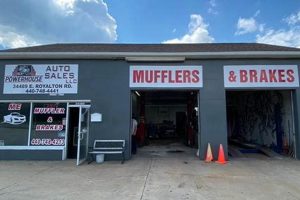
A comprehensive automotive service provider specializes in exhaust system maintenance and repair, alongside brake system diagnostics and servicing. These centers address critical vehicle safety and performance aspects, ensuring regulatory compliance and optimal operational efficiency.
Such establishments play a vital role in maintaining vehicle roadworthiness by addressing issues that directly impact emissions control and braking effectiveness. They contribute to environmental protection by ensuring proper functioning of emission control devices and enhance driving safety through meticulous brake system inspections and repairs. Historically, these service centers have evolved from basic repair shops to sophisticated facilities utilizing advanced diagnostic equipment.
The following sections will delve into the specific areas of exhaust system repair and brake system maintenance offered by these service providers, highlighting the importance of each function to overall vehicle health and safety.
Maintenance & Safety Recommendations
The following guidelines are presented to assist in preserving vehicle integrity and ensuring optimal operational safety. Adherence to these recommendations can contribute to extended vehicle lifespan and enhanced driver security.
Tip 1: Routine Exhaust System Inspection. Consistent examination of the exhaust system is crucial for detecting corrosion, leaks, or physical damage. Prompt attention to these issues prevents harmful emissions and ensures efficient engine performance.
Tip 2: Periodic Brake Pad Assessment. Brake pads are subjected to constant wear. Regular assessment of their thickness and condition is necessary to maintain adequate stopping power. Replacement should occur when pads reach a specified minimum thickness.
Tip 3: Fluid Level Monitoring. Brake fluid levels should be routinely checked and maintained. Low fluid levels may indicate leaks within the braking system, necessitating immediate professional attention.
Tip 4: Prompt Addressing of Unusual Noises. Any atypical sounds emanating from the exhaust or brake systems should be immediately investigated. These noises can be indicative of underlying mechanical problems requiring professional diagnosis.
Tip 5: Brake Rotor Examination. Brake rotors are critical components for effective braking. Inspecting rotors for cracks, warping, or excessive wear is essential to ensure proper brake function and prevent potential safety hazards.
Tip 6: Catalytic Converter Vigilance. The catalytic converter is essential for emission control. Monitor engine performance and address any unusual smells or decrease in fuel efficiency, as these could be signs of catalytic converter malfunction.
Tip 7: Muffler Integrity. The muffler plays a role in noise reduction. Inspect it regularly for rust or damage, addressing issues to maintain vehicle compliance with noise regulations and for a comfortable driving experience.
Consistent adherence to these maintenance guidelines contributes significantly to the long-term health and safety of the vehicle.
These preventative measures are essential for minimizing costly repairs and ensuring continued roadworthiness, leading to a safer driving experience.
1. Exhaust System Integrity

Exhaust system integrity directly impacts vehicle emissions, engine performance, and overall safety. An automotive service provider specializing in exhaust systems addresses issues ranging from minor leaks to catalytic converter replacements. Compromised exhaust systems can lead to reduced fuel efficiency, increased emissions levels exceeding regulatory limits, and potentially dangerous carbon monoxide leaks into the vehicle cabin. For instance, a rusted muffler can create backpressure, diminishing engine power and increasing fuel consumption. Similarly, a damaged catalytic converter fails to effectively reduce harmful pollutants, resulting in failed emissions tests.
These automotive service center’s role extends to conducting thorough inspections to identify potential problems before they escalate. This includes visual checks for rust, leaks, and physical damage, as well as diagnostic testing to assess catalytic converter efficiency. Repairs range from welding small leaks to replacing entire exhaust systems, ensuring that vehicles operate within acceptable environmental standards. Moreover, proper exhaust system maintenance can prevent engine damage caused by improper backpressure, ultimately extending vehicle lifespan and reducing overall repair costs.
Maintaining exhaust system integrity is paramount for both vehicle performance and environmental responsibility. The specialized expertise offered by these auto repair facilities ensures vehicles meet stringent emissions regulations and operate safely. Neglecting exhaust system maintenance can lead to more extensive and costly repairs down the line, highlighting the importance of regular inspections and prompt attention to any identified issues.
2. Braking System Performance

Braking system performance is a critical aspect of vehicle safety and operational efficiency. Automotive service providers specializing in brake systems play a vital role in ensuring vehicles maintain optimal stopping power and reliability. Proper brake system function is paramount for preventing accidents and ensuring driver and passenger safety.
- Brake Pad Condition and Replacement
Brake pads are subjected to constant friction and wear during braking. Regular inspection and timely replacement of worn brake pads are essential for maintaining adequate stopping power. Neglecting brake pad replacement can lead to damage to the brake rotors, resulting in more extensive and costly repairs. Automotive service centers assess pad thickness and material composition, recommending replacement when pads reach a specified minimum thickness.
- Brake Rotor Integrity and Refurbishment
Brake rotors provide the friction surface against which the brake pads apply pressure to slow or stop the vehicle. Over time, rotors can develop cracks, warpage, or excessive wear. These conditions compromise braking performance and can lead to vibrations or noises during braking. Automotive service providers evaluate rotor condition and determine whether resurfacing or replacement is necessary to restore proper braking function.
- Brake Fluid Maintenance and Replacement
Brake fluid is responsible for transmitting hydraulic pressure from the master cylinder to the brake calipers. Brake fluid can absorb moisture over time, reducing its boiling point and compromising its ability to function effectively. Contaminated or degraded brake fluid can lead to brake fade, reduced stopping power, and corrosion within the braking system. Regular brake fluid flushes and replacements are crucial for maintaining optimal braking performance and preventing component damage.
- Hydraulic Component Inspection & Repair
Hydraulic components such as master cylinders, calipers, and brake lines are essential for transmitting braking force. Leaks, corrosion, or damage to these components can significantly impair braking performance. Services include inspection, repair or replacement of these hydraulic parts to ensure responsive and reliable braking. Identifying and addressing issues with these components is essential for maintaining a safe and efficient braking system.
The services provided are integral to ensuring vehicles maintain safe and effective braking capabilities. Regular inspections, maintenance, and repairs performed by these centers contribute directly to accident prevention and overall road safety. Neglecting braking system maintenance can have serious consequences, highlighting the importance of proactive vehicle care.
3. Safety Standards Adherence

Adherence to stringent safety standards is paramount in the automotive service industry, particularly for facilities specializing in muffler and brake maintenance. These standards govern every aspect of operation, from the equipment used to the procedures followed, ensuring both customer safety and regulatory compliance.
- Brake System Inspection Protocols
Brake systems are subject to rigorous inspection protocols that mandate specific procedures for assessing pad thickness, rotor condition, and hydraulic component integrity. For example, federal motor vehicle safety standards (FMVSS) outline minimum performance requirements for braking systems. Failure to adhere to these protocols can result in compromised braking performance and increased accident risk. Adherence involves utilizing calibrated testing equipment and employing certified technicians who are trained to identify and address potential safety hazards.
- Exhaust Emissions Testing and Repair
Exhaust systems are closely monitored to ensure compliance with emissions standards. Regulatory bodies mandate regular emissions testing to verify that vehicles meet permissible pollution levels. Repair facilities must utilize certified diagnostic equipment and adhere to prescribed repair procedures to rectify issues such as catalytic converter malfunction or exhaust leaks. Compliance with these standards is vital for environmental protection and avoiding penalties for non-compliance.
- Technician Certification and Training
Technician certification and training are critical for ensuring competence and adherence to safety standards. Certified technicians possess the knowledge and skills necessary to diagnose and repair vehicle systems accurately and safely. Ongoing training is essential to keep technicians abreast of the latest technologies and repair procedures. For example, organizations offer certifications that validate a technician’s expertise in specific areas such as brake repair or exhaust system maintenance.
- Facility Safety and Equipment Maintenance
Maintaining a safe and compliant facility is essential for protecting both employees and customers. This involves adhering to safety protocols for handling hazardous materials, maintaining equipment in proper working order, and ensuring a clean and organized workspace. Regular inspections are conducted to identify and address potential safety hazards such as faulty equipment or inadequate ventilation. Proper facility maintenance is integral to preventing accidents and ensuring a safe environment for all.
Adherence to safety standards is an integral component of reputable automotive service facilities. By upholding these standards, these centers contribute to enhanced vehicle safety, reduced environmental impact, and increased customer confidence. Failure to prioritize safety standards can have significant legal and reputational repercussions, underscoring the importance of a commitment to compliance.
4. Regulatory Emission Compliance

Regulatory emission compliance is intrinsically linked to the operational function of automotive service centers specializing in exhaust systems. These centers serve as crucial checkpoints for vehicles requiring maintenance or repair to meet established environmental standards. Exhaust systems are primarily responsible for mitigating harmful emissions produced during combustion. Therefore, the ability of a vehicle to pass emissions testing relies heavily on the integrity and functionality of its exhaust components.
Centers specializing in muffler and brake services provide diagnostic services, repairs, and component replacements necessary for vehicles to adhere to regulatory requirements. For instance, a vehicle failing an emissions test due to a malfunctioning catalytic converter necessitates catalytic converter replacement. Similarly, leaks within the exhaust manifold or muffler contribute to increased emissions and require immediate attention. These facilities ensure that vehicles are equipped with functional emission control devices and that exhaust systems are free from leaks, thereby facilitating compliance with federal, state, and local emission regulations. Failure to meet these regulatory standards can result in penalties for vehicle owners, as well as broader implications for air quality and environmental health.
In summary, the ability of a vehicle to achieve regulatory emission compliance is directly contingent upon the expertise and services provided by muffler and brake centers. These facilities play a vital role in identifying and rectifying exhaust system issues, ensuring that vehicles operate within acceptable environmental parameters. Furthermore, their contributions extend beyond individual vehicle compliance, positively impacting air quality and reinforcing broader efforts to mitigate environmental pollution stemming from automotive emissions.
5. Vehicle Operational Longevity

Vehicle operational longevity, or the sustained period during which a vehicle remains functional and reliable, is inextricably linked to the services provided by specialized automotive centers. These facilities, equipped to address specific mechanical needs, directly influence a vehicle’s lifespan through preventative maintenance and timely repairs. The condition of critical components, such as the exhaust and braking systems, is a significant determinant of a vehicle’s long-term reliability.
Exhaust system maintenance, a core function, prevents corrosion and backpressure that can degrade engine performance and lifespan. For example, a rusted muffler, if left unattended, can cause engine strain and reduce fuel efficiency, leading to premature component failure. Similarly, proper brake maintenance ensures safe and efficient operation, preventing accidents that could result in extensive vehicle damage or total loss. Brake pads, rotors, and fluid levels directly impact stopping power, and regular inspections prevent catastrophic failures that jeopardize safety and longevity. Overlooking these services can lead to cascading issues, escalating repair costs, and ultimately shortening the vehicle’s useful life. Preventative care, such as regular brake fluid flushes and exhaust system inspections, extend the operational lifespan and optimizes the vehicle’s performance.
In conclusion, the services provided directly contribute to increased vehicle lifespan by addressing key mechanical vulnerabilities and preventing cascading failures. Prioritizing maintenance, as offered, translates into long-term cost savings, enhanced safety, and prolonged vehicle utility. Neglecting these essential services, conversely, accelerates wear and tear, increasing the likelihood of significant repairs and diminishing the vehicle’s overall operational lifespan. Therefore, the understanding of these center’s contributions is practically significant, demonstrating their essential role in automotive care.
Frequently Asked Questions
The following addresses common inquiries regarding automotive exhaust and brake services. The information provided is intended to offer clarity and promote informed decision-making concerning vehicle maintenance.
Question 1: What constitutes evidence of exhaust system damage warranting immediate attention?
Audible increases in exhaust noise, visible rust or corrosion on exhaust components, or a noticeable decrease in fuel efficiency are indicative of potential exhaust system damage requiring prompt evaluation.
Question 2: How frequently should brake pads undergo inspection for wear?
Brake pad inspection is recommended at intervals of every 6,000 miles or during routine oil changes. Driving conditions and braking habits influence pad wear, necessitating more frequent checks under severe use.
Question 3: What are the potential ramifications of neglecting catalytic converter replacement following a failed emissions test?
Continued operation of a vehicle with a malfunctioning catalytic converter results in increased pollutant emissions, potential fines for non-compliance, and possible engine damage due to increased backpressure.
Question 4: Is there a discernible method for determining brake rotor condition without professional assistance?
While a thorough evaluation requires professional inspection, signs of rotor damage include vibrations during braking, scoring or grooving on the rotor surface, or a pulsating brake pedal. These symptoms warrant immediate attention from a qualified technician.
Question 5: What is the recommended interval for brake fluid replacement, and why is this service essential?
Brake fluid should be replaced every two years or 24,000 miles, whichever occurs first. Brake fluid is hygroscopic, meaning it absorbs moisture from the atmosphere. Contaminated fluid reduces braking efficiency and increases the risk of corrosion within the brake system.
Question 6: Are aftermarket exhaust systems permissible, and what are the potential consequences of installing non-compliant systems?
Aftermarket exhaust systems must comply with local and federal emissions regulations. Installation of non-compliant systems can result in failed emissions tests, fines, and potential vehicle impoundment. It is crucial to verify that any aftermarket system meets applicable regulatory standards prior to installation.
Adherence to the guidelines outlined above supports safe and environmentally responsible vehicle operation. Prompt attention to exhaust and brake system maintenance contributes significantly to overall vehicle reliability and safety.
The subsequent section will address the selection criteria for choosing a qualified automotive service provider.
Concluding Remarks
The preceding exploration has underscored the crucial role specialized automotive service facilities play in ensuring vehicle safety, performance, and regulatory adherence. Focusing on exhaust and brake systems, the analysis highlights the necessity of consistent maintenance, prompt repairs, and adherence to established industry standards to maximize vehicle operational longevity and minimize environmental impact. Neglecting these core systems can result in compromised safety, increased emissions, and accelerated vehicle degradation.
Therefore, selecting a reputable and qualified service provider is paramount for maintaining vehicle integrity and mitigating potential risks. Prioritizing regular inspections, addressing mechanical issues promptly, and adhering to recommended maintenance schedules represents a proactive approach to vehicle ownership, fostering both safety and environmental responsibility. Continued vigilance and informed decision-making are essential for preserving vehicle functionality and ensuring safe operation.