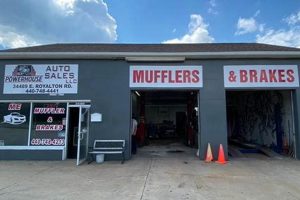
Automotive service centers specializing in exhaust and braking systems are vital for vehicle maintenance and safety. These establishments typically offer services such as muffler repair and replacement, brake inspections, brake pad replacements, and rotor resurfacing or replacement. Ensuring these components function correctly is essential for optimal vehicle performance and driver safety.
The operational effectiveness of exhaust and braking systems directly impacts fuel efficiency, emissions, and stopping distance. Proper maintenance of these systems contributes to a safer driving experience by ensuring responsiveness and reliability in critical driving situations. The availability of reputable service providers is crucial for vehicle owners seeking to maintain their vehicles in peak operating condition.
This article will delve into the intricacies of muffler and brake system maintenance, exploring common issues, diagnostic procedures, and best practices for ensuring optimal vehicle performance and safety.
Maintenance Recommendations
The following are guidelines intended to optimize vehicle performance and ensure safety. These recommendations focus on maintaining exhaust and braking systems for long-term reliability.
Tip 1: Regular Brake Inspections: Brake systems should undergo inspection by a qualified technician at least annually, or more frequently depending on driving conditions. Early detection of worn brake pads or damaged rotors prevents costly repairs and potential safety hazards.
Tip 2: Prompt Brake Pad Replacement: Replace brake pads immediately upon reaching their wear limit. Ignoring this can cause damage to rotors, leading to more extensive and expensive repairs.
Tip 3: Rotor Maintenance or Replacement: Rotors should be resurfaced or replaced when exhibiting signs of warping, scoring, or thickness variations. This ensures proper brake pad contact and optimal stopping performance.
Tip 4: Monitor Muffler Condition: Regularly inspect the muffler and exhaust system for signs of corrosion, leaks, or damage. Exhaust leaks can reduce fuel efficiency, increase emissions, and potentially introduce harmful gases into the vehicle cabin.
Tip 5: Address Exhaust System Noise: Unusual noises emanating from the exhaust system may indicate a leak or component failure. Address these issues promptly to prevent further damage and ensure optimal performance.
Tip 6: Check Brake Fluid Levels and Condition: Ensure brake fluid levels are within the recommended range and that the fluid is free of contamination. Brake fluid should be replaced according to manufacturer recommendations to maintain optimal braking performance.
Adhering to these maintenance recommendations can significantly extend the life of braking and exhaust systems, promote safer driving conditions, and reduce the likelihood of unexpected and costly repairs.
The subsequent sections will further explore the diagnostic processes employed when addressing issues within these crucial vehicle systems.
1. Exhaust System Integrity

Exhaust system integrity is paramount for optimal vehicle performance and compliance with environmental regulations. Addressing components from the manifold to the tailpipe requires diligent inspection and maintenance. The absence of leaks, corrosion, or damage ensures proper emission control and noise reduction.
- Muffler Functionality
The muffler serves as a key component in reducing vehicle noise. A compromised muffler, due to rust or physical damage, can lead to excessive noise pollution and potential exhaust leaks. Ensuring the muffler is structurally sound and properly connected is essential for maintaining compliance with noise regulations and preserving a quiet driving experience. A quality muffler is often a focus of services.
- Catalytic Converter Efficiency
The catalytic converter is critical for reducing harmful emissions. A damaged or inefficient catalytic converter can result in increased pollution and potential failure to meet emissions testing standards. Regular inspection and replacement, when necessary, are essential for maintaining compliance with environmental regulations. The health of this converter directly affects the vehicle’s emissions output.
- Exhaust Manifold Integrity
The exhaust manifold is the initial collector of exhaust gases from the engine. Cracks or leaks in the manifold can lead to reduced engine performance, increased noise, and potential exposure to harmful exhaust gases. Proper sealing and structural integrity of the manifold are vital for efficient exhaust gas flow and safe operation.
- Piping and Connections
The exhaust piping and connections must maintain a secure and leak-free path for exhaust gases. Corrosion or damage to the piping can cause leaks, reduced fuel efficiency, and increased noise. Ensuring that all connections are tight and that the piping is free from damage is crucial for overall exhaust system performance and integrity. Regular inspection of these components prevents larger issues.
Maintaining the integrity of the exhaust system is crucial for not only vehicle performance and legal compliance but also for environmental responsibility. Regular inspections and timely repairs or replacements ensure that vehicles operate within acceptable emissions standards and noise levels. Service facilities specializing in exhaust systems play a vital role in helping vehicle owners maintain this critical aspect of vehicle health, contributing to both individual vehicle performance and broader environmental well-being.
2. Brake Component Condition

Brake component condition is a critical aspect of vehicle maintenance, directly impacting safety and operational effectiveness. Automotive service centers focused on exhaust and brake systems, such as those implied in the keyword, play a vital role in ensuring these components function optimally.
- Brake Pad Wear and Replacement
Brake pad wear is a natural consequence of braking. The friction material gradually diminishes with use, reducing braking effectiveness. Periodic inspections are necessary to determine when replacement is required. Failure to replace worn pads can lead to rotor damage and compromised stopping performance. The service centers referenced offer pad replacement as a standard procedure.
- Rotor Condition and Maintenance
Rotors, the disc-shaped components against which brake pads press, are subject to wear, warping, and scoring. These conditions can diminish braking performance and create vibrations during braking. Resurfacing or replacement of rotors may be required to restore smooth and effective braking. Specialized machinery and trained technicians are typically needed for these services.
- Brake Fluid Integrity
Brake fluid is a hydraulic fluid that transmits force from the brake pedal to the brake calipers. Over time, brake fluid can absorb moisture, which reduces its boiling point and compromises braking performance, particularly under heavy use. Brake fluid flushes and replacements are essential maintenance procedures that maintain the integrity of the hydraulic system and prevent component corrosion.
- Caliper Functionality
Calipers house the brake pads and exert pressure on the rotors when the brakes are applied. Malfunctioning calipers can cause uneven brake pad wear, brake drag, or complete brake failure. Inspection, repair, and replacement of calipers are crucial for ensuring even and effective braking force distribution. Repair or replacement of these are often a component of comprehensive service.
The condition of these components significantly impacts vehicle safety and performance. Regular inspections and maintenance, performed by qualified service providers, are essential for ensuring the brake system functions effectively, contributes to safe driving conditions, and mitigates the risk of accidents. Service facilities specializing in brake systems offer a range of services aimed at maintaining these critical components.
3. Scheduled Maintenance Importance
Scheduled maintenance is paramount to preserving the operational integrity and safety of vehicles. Specific attention to exhaust and braking systems, as offered by service centers specializing in these areas, is crucial for preventing costly repairs and ensuring optimal performance. Adherence to a maintenance schedule is not merely a suggestion but a necessity for vehicle longevity and driver safety.
- Exhaust System Longevity
Scheduled maintenance can extend the lifespan of the exhaust system. Regular inspections can identify corrosion or damage early, allowing for timely repairs that prevent more extensive and expensive replacements. A well-maintained exhaust system ensures optimal fuel efficiency and reduced emissions, contributing to environmental responsibility.
- Brake System Reliability
Scheduled brake maintenance ensures consistent and reliable stopping power. Regular inspections of brake pads, rotors, and brake fluid can identify wear or damage before it compromises safety. Timely replacements and fluid flushes maintain the effectiveness of the braking system, reducing the risk of accidents.
- Prevention of Major Repairs
Scheduled maintenance can prevent minor issues from escalating into major repairs. Identifying and addressing small problems, such as a loose exhaust clamp or worn brake pads, can prevent damage to other components and avoid the need for costly replacements or extensive repairs. This proactive approach minimizes vehicle downtime and overall maintenance expenses.
- Compliance with Safety Standards
Scheduled maintenance helps ensure that vehicles comply with safety standards and regulations. Regular inspections and maintenance of exhaust and braking systems confirm that these critical components meet required performance levels. This compliance not only promotes safer driving conditions but also avoids potential legal penalties and liabilities.
The cumulative effect of these facets underscores the significance of scheduled maintenance, particularly for exhaust and braking systems. Such maintenance not only prolongs vehicle life and ensures safe operation but also mitigates potential repair costs and contributes to environmental compliance. Regular visits to specialized service centers, exemplified by the concept of facilities focusing on exhaust and brake systems, provide assurance that vehicles receive the necessary care to maintain peak performance and safety.
4. Safety Standards Adherence

Strict adherence to safety standards is paramount for automotive service centers specializing in exhaust and brake systems. Facilities offering such services must comply with regulations pertaining to workplace safety, environmental protection, and the quality of repairs. Failure to meet these standards can lead to legal repercussions, compromised vehicle safety, and reputational damage. For example, improper disposal of used brake fluid or refrigerants violates environmental regulations and poses a threat to public health. Similarly, using substandard parts in brake repairs can lead to brake failure and accidents.
The efficacy of exhaust and brake systems directly impacts vehicle safety and performance. Properly functioning brakes are essential for preventing collisions, while a properly maintained exhaust system reduces harmful emissions and ensures compliance with environmental regulations. Automotive service centers specializing in these systems are obligated to perform repairs and maintenance in accordance with established safety standards and manufacturer specifications. The use of certified technicians and high-quality parts is crucial for ensuring the safety and reliability of these systems. For instance, brake repairs must adhere to standards regarding brake pad friction coefficients and rotor thickness to guarantee optimal stopping power. Exhaust system repairs must ensure proper sealing and emissions control to meet regulatory requirements.
Adherence to safety standards in automotive service centers is a multifaceted responsibility that encompasses workplace safety, environmental protection, and the quality of repairs. Maintaining a safe working environment, properly disposing of hazardous materials, and performing repairs in accordance with industry best practices are all essential components of safety standards adherence. The integration of these practices ensures that vehicles are repaired safely and effectively, contributing to the overall safety of the motoring public and the protection of the environment.
5. Performance Optimization Strategies

Performance optimization strategies, particularly within the context of automotive exhaust and braking systems, directly influence vehicle efficiency, safety, and overall driving experience. Service centers specializing in these areas, such as the hypothetical “Great Bridge Muffler and Brake,” leverage these strategies to enhance vehicle performance beyond basic repair. A critical aspect involves optimizing exhaust flow to reduce backpressure on the engine. This can be achieved through the installation of high-flow mufflers and exhaust systems designed to minimize restrictions, thereby increasing horsepower and fuel efficiency. Similarly, optimizing braking system performance involves selecting brake pads and rotors that provide superior stopping power and heat dissipation. Upgrading to performance brake components can significantly reduce stopping distances and improve brake fade resistance, especially under demanding driving conditions. For example, replacing standard brake pads with ceramic or metallic pads enhances friction and heat tolerance, resulting in more consistent braking performance.
The practical application of performance optimization strategies necessitates a thorough understanding of vehicle dynamics and component interactions. Automotive technicians must consider the vehicle’s intended use and driving conditions to recommend appropriate upgrades and modifications. Performance tuning of the engine management system can further enhance the benefits of exhaust and braking system upgrades. Adjusting fuel and ignition parameters to match the improved airflow and braking capabilities can maximize performance gains and ensure optimal engine operation. Consider a scenario where a vehicle owner seeks to improve their vehicle’s track performance. A service center like “Great Bridge Muffler and Brake” might recommend a full exhaust system upgrade, performance brake rotors and pads, and ECU tuning to optimize engine output and braking efficiency for track conditions.
In conclusion, performance optimization strategies are integral to elevating the operational capabilities of vehicles, with exhaust and braking systems serving as focal points for enhancement. These strategies, when applied judiciously by knowledgeable service providers, yield tangible improvements in vehicle performance, safety, and driving satisfaction. However, challenges exist in balancing performance gains with vehicle reliability and compliance with emissions regulations. Furthermore, the effectiveness of these strategies depends on accurate diagnosis, skilled installation, and a comprehensive understanding of vehicle systems. By prioritizing these aspects, service centers can effectively optimize vehicle performance while ensuring long-term reliability and adherence to safety standards.
6. Environmental Responsibility Measures

The operation of automotive service centers, including those specializing in exhaust and brake systems, necessitates a commitment to environmental responsibility. Facilities providing services related to mufflers and brakes inherently impact environmental quality through emissions control, waste disposal, and resource consumption. Implementing environmentally sound practices minimizes the negative ecological footprint associated with vehicle maintenance.
For an establishment identified by a name containing elements such as “muffler and brake,” environmental responsibility translates into concrete actions. This includes proper disposal of used oil, brake fluid, and worn brake pads, preventing these materials from contaminating soil and water sources. Furthermore, ensuring that exhaust systems meet emission standards through proper repair and maintenance directly reduces air pollution. Using energy-efficient equipment, recycling materials, and minimizing waste generation are also essential practices. For example, investing in equipment that captures and recycles used solvents or implementing a comprehensive recycling program for metal and plastic components demonstrates a tangible commitment to environmental stewardship.
Upholding environmental responsibility in automotive service operations requires ongoing effort and investment. The selection of environmentally friendly parts and materials, coupled with continuous training of personnel on best practices, contribute to a sustainable business model. By adhering to environmental regulations, minimizing waste, and promoting responsible practices, service centers can mitigate their impact on the environment and foster a positive public image. These actions not only benefit the environment but also enhance the long-term viability of the business.
7. Cost-effective repair options

The provision of cost-effective repair options is a critical component of a successful automotive service center, particularly one that specializes in exhaust and braking systems. A facility such as one potentially named “Great Bridge Muffler and Brake” is expected to offer services that balance quality and affordability. The absence of cost-effective solutions can deter customers, leading to deferred maintenance and potential safety risks. A business prioritizing cost-effectiveness typically employs strategies such as sourcing parts from multiple suppliers to secure competitive pricing, utilizing remanufactured parts when appropriate and safe, and offering tiered service packages to accommodate varying budgets. The economic realities faced by vehicle owners often dictate their ability to maintain their vehicles properly; therefore, accessible and affordable repair options become essential.
A tangible example illustrating the importance of cost-effective repair options involves brake pad replacement. A service center could offer a standard brake pad replacement using aftermarket parts at a lower price point than a premium replacement with original equipment manufacturer (OEM) parts. Providing a clear explanation of the pros and cons of each option allows the customer to make an informed decision based on their budget and driving needs. Similarly, for exhaust system repairs, a facility might offer welding repairs for minor leaks as a cost-effective alternative to replacing the entire system. Communicating these options transparently builds trust and encourages customers to address necessary repairs promptly. The center could provide a visual inspection with price packages, enabling customers to compare and choose the best deal.
In summation, the availability of cost-effective repair options is not merely a pricing strategy; it is a cornerstone of responsible automotive service. It enhances accessibility, promotes preventative maintenance, and fosters customer loyalty. The challenge lies in maintaining profitability while offering affordable solutions and ensuring the quality of repairs is not compromised. Service centers that successfully navigate this balance position themselves as reliable and trusted partners in vehicle maintenance.
Frequently Asked Questions
This section addresses common inquiries regarding exhaust and brake system maintenance, aiming to provide clarity and assist in informed decision-making regarding vehicle care.
Question 1: What factors influence the lifespan of a muffler?
Several factors influence the lifespan of a muffler, including driving conditions, the quality of the muffler material, and the vehicle’s operating environment. Exposure to road salt, frequent short trips that do not allow the exhaust system to fully heat up, and the overall age of the vehicle contribute to accelerated corrosion. Mufflers constructed from higher-grade materials, such as stainless steel, generally exhibit greater longevity.
Question 2: How often should brake pads be inspected?
Brake pads should be inspected at least every 6 months or 6,000 miles, or sooner if unusual noises or reduced braking performance is observed. Driving habits, such as frequent hard braking, can accelerate brake pad wear. Inspections should include assessing pad thickness, rotor condition, and the overall functionality of the braking system.
Question 3: What are the symptoms of a failing catalytic converter?
Symptoms of a failing catalytic converter include reduced engine performance, decreased fuel efficiency, a sulfur-like smell emanating from the exhaust, and a check engine light. Diagnostic testing is necessary to confirm the condition of the catalytic converter and identify any underlying issues that may have contributed to its failure.
Question 4: What is the purpose of resurfacing brake rotors?
Resurfacing brake rotors, also known as turning, involves machining the rotor surface to remove imperfections such as scoring or warping. This process restores a smooth, flat surface for the brake pads to contact, improving braking performance and reducing vibrations. However, rotors can only be resurfaced if they meet minimum thickness specifications; otherwise, replacement is necessary.
Question 5: What are the implications of neglecting exhaust system repairs?
Neglecting exhaust system repairs can lead to reduced fuel efficiency, increased emissions, and potential safety hazards. Exhaust leaks can introduce harmful gases into the vehicle cabin, while a malfunctioning exhaust system can negatively impact engine performance and contribute to environmental pollution. Timely repairs are essential for maintaining vehicle performance and safety.
Question 6: How does brake fluid condition affect braking performance?
Brake fluid is hygroscopic, meaning it absorbs moisture from the air. Over time, this moisture contamination reduces the boiling point of the brake fluid, which can lead to reduced braking performance and potential brake failure, particularly under heavy braking conditions. Regular brake fluid flushes, as recommended by the vehicle manufacturer, are necessary to maintain optimal braking performance.
Timely inspections and maintenance of exhaust and braking systems are essential for ensuring vehicle safety, performance, and compliance with environmental regulations.
The subsequent section will elaborate on strategies for selecting a reputable automotive service provider.
Conclusion
The preceding analysis has illuminated the critical role of automotive service centers specializing in exhaust and brake systems. Maintenance and repair of these systems directly impact vehicle safety, performance, and environmental responsibility. Consistent adherence to recommended maintenance schedules, prompt attention to identified issues, and utilization of qualified technicians are vital for optimal vehicle operation. The long-term benefits of prioritizing these services outweigh the potential costs associated with neglect.
The future of automotive maintenance hinges on a proactive approach, emphasizing preventative measures and informed decision-making. Vehicle owners are encouraged to recognize the significance of regularly inspecting and maintaining their exhaust and braking systems. By taking a vested interest in their vehicle’s condition, and seeking the expertise of reputable service providers, they contribute to safer roads, reduced environmental impact, and enhanced vehicle longevity.