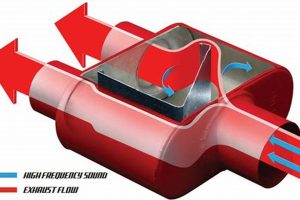
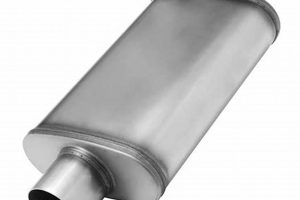
The maintenance and repair of exhaust silencing systems is a critical aspect of automotive service. This process addresses issues such as corrosion, damage from road debris, and general wear and tear that compromise the functionality of these systems. Addressing these problems often involves welding, component replacement, and ensuring proper alignment to restore optimal performance.
Proper upkeep of these systems contributes significantly to noise reduction, preventing excessive vehicle sound emissions. Furthermore, a well-maintained system ensures efficient exhaust flow, which optimizes engine performance and fuel economy. Historically, advancements in material science and design have led to more durable and effective solutions, minimizing environmental impact and maximizing vehicle efficiency.
The following sections will delve into the specific techniques employed, the common issues encountered, and the best practices for ensuring the longevity and effectiveness of these critical automotive components.
Tips for Exhaust System Maintenance
Optimal performance and longevity of a vehicle’s exhaust system require consistent attention and preventative measures. Implementing the following recommendations will aid in minimizing costly repairs and ensuring compliance with noise regulations.
Tip 1: Conduct Regular Visual Inspections: Periodically examine the entire exhaust system for signs of rust, corrosion, or physical damage. Pay particular attention to welds, joints, and mounting points, as these are common areas for failure.
Tip 2: Address Unusual Noises Immediately: Any changes in the vehicle’s exhaust note, such as rattling, hissing, or roaring sounds, should be investigated promptly. These sounds often indicate leaks or component failure that can escalate if left unaddressed.
Tip 3: Protect Against Corrosion: In regions with harsh weather conditions or where road salt is used, consider applying a rust-inhibiting coating to the exhaust system components. This can significantly extend their lifespan.
Tip 4: Ensure Proper Mounting: Inspect and, if necessary, replace worn or damaged exhaust system hangers and mounts. Proper mounting prevents excessive vibration and stress on the exhaust components, reducing the risk of premature failure.
Tip 5: Monitor Fuel Efficiency: A decrease in fuel economy can sometimes be attributed to a restriction or leak in the exhaust system. Regularly monitor fuel consumption and investigate any significant deviations from normal levels.
Tip 6: Adhere to Scheduled Maintenance: Follow the vehicle manufacturer’s recommended maintenance schedule for exhaust system inspections and replacements. This proactive approach can prevent major problems from developing.
Tip 7: Consult a Qualified Technician: For any complex repairs or diagnostic procedures, seek the assistance of a certified automotive technician. Improper repairs can compromise the system’s effectiveness and safety.
Implementing these preventative measures ensures a quieter ride, reduces the risk of costly repairs, and contributes to overall vehicle efficiency. Consistent attention to the exhaust system will ultimately enhance the driving experience and prolong the lifespan of the vehicle.
The concluding section will provide a summary of best practices and long-term care strategies for maintaining a healthy and efficient vehicle.
1. Exhaust Noise Reduction

Exhaust noise reduction represents a primary functional objective of exhaust silencing systems, directly shaping the core responsibilities within the realm of automotive exhaust maintenance. The effectiveness of these systems in diminishing engine noise is paramount to meeting legal noise emission standards and enhancing the comfort of vehicle occupants and the surrounding environment. Thus, exhaust maintenance concentrates on sustaining and restoring this critical function.
The significance of exhaust noise reduction as a component of automotive exhaust maintenance manifests in several practical ways. For example, when a vehicle exhibits excessive exhaust noise, a common diagnostic procedure is to inspect the system for leaks, corrosion, or internal damage. Repairing or replacing the malfunctioning components, such as the muffler or resonator, directly targets the reduction of exhaust noise to acceptable levels. Without a focus on noise mitigation, repairs become incomplete, failing to address the ultimate purpose of the system.
In conclusion, automotive exhaust system maintenance is inextricably linked to exhaust noise reduction. The ability to mitigate noise directly dictates the success of related services. Recognizing this connection is essential for effective system maintenance, ensuring that work addresses not only structural integrity and performance, but also the reduction of noise emissions in compliance with regulatory standards and consumer expectations.
2. Welding and Fabrication

Welding and fabrication are integral processes in the effective repair and maintenance of exhaust silencing systems. These techniques address a wide range of issues, from minor repairs to complete system reconstruction, ensuring structural integrity and optimal performance.
- Repair of Corrosion Damage
Welding is frequently employed to repair sections of exhaust systems compromised by corrosion. This involves cutting away the damaged metal and welding in new sections or patches. The precision of the weld is critical to prevent leaks and maintain the structural integrity of the system. In cases where corrosion is extensive, fabrication of custom replacement parts may be necessary to ensure a proper fit and function.
- Custom Exhaust System Modification
Fabrication techniques are often used to modify existing systems for performance enhancements or aesthetic purposes. This can include creating custom bends, adding resonators or mufflers, and modifying exhaust tips. Welding is essential for joining these fabricated components, ensuring a durable and leak-free connection. Improper welding can lead to exhaust leaks, reduced performance, and increased noise levels.
- Exhaust Manifold Repair
Exhaust manifolds are subject to high temperatures and stresses, often resulting in cracks or warping. Welding can be used to repair these cracks, extending the life of the manifold. However, specialized welding techniques and materials may be required due to the properties of the manifold material, such as cast iron. Fabrication may be necessary to reinforce weakened areas or create custom manifolds for specialized applications.
- Muffler and Resonator Replacement
When mufflers or resonators fail due to internal damage or corrosion, welding is used to attach the new components to the existing exhaust system. Proper welding techniques are essential to ensure a secure and leak-free connection. Fabrication skills may be required to adapt universal mufflers or resonators to specific vehicle applications.
In summary, welding and fabrication are indispensable skills for technicians involved in exhaust system maintenance. These techniques enable the repair and modification of exhaust systems, ensuring optimal performance, noise reduction, and compliance with emissions standards. A solid understanding of welding processes and fabrication techniques is essential for delivering high-quality and durable exhaust system repairs.
3. Corrosion Prevention Strategies

The implementation of effective corrosion prevention strategies is paramount to prolonging the lifespan and maintaining the performance of exhaust systems. The exhaust system, due to its exposure to extreme temperatures, moisture, and road contaminants, is particularly susceptible to corrosion. Mitigation of this degradation process is therefore a core component of proactive upkeep.
- Protective Coatings
The application of corrosion-resistant coatings, such as ceramic or aluminized coatings, forms a primary line of defense. These coatings create a barrier between the exhaust system components and the corrosive elements present in the environment. For example, manufacturers often apply aluminized coatings to mufflers and exhaust pipes to increase their resistance to rust. Regular reapplication or inspection of these coatings is critical in regions with high road salt usage.
- Material Selection
The choice of materials used in exhaust system construction significantly impacts its susceptibility to corrosion. Stainless steel, for instance, exhibits superior corrosion resistance compared to mild steel. While stainless steel components may be more expensive initially, their extended lifespan often results in lower long-term costs. Utilizing appropriate materials is especially important in areas prone to harsh weather conditions or high levels of atmospheric pollutants.
- Regular Cleaning and Maintenance
Periodic cleaning of the exhaust system to remove accumulated road salt, mud, and other contaminants can significantly reduce the rate of corrosion. Washing the undercarriage of a vehicle, including the exhaust system, after exposure to salted roads is a practical example. Regular inspections for signs of rust or damage also allow for early intervention, preventing minor issues from escalating into major corrosion problems.
- Drainage Provision
The design of exhaust systems can incorporate drainage holes or channels to prevent the accumulation of moisture within the system. This is particularly relevant for mufflers, where condensation can collect and accelerate corrosion from the inside out. Ensuring these drainage points remain clear and unobstructed is a simple yet effective preventative measure.
These corrosion prevention strategies, when diligently applied, significantly extend the service life of exhaust systems. Failure to address corrosion effectively results in premature failure of mufflers and related components, necessitating costly replacements and compromising vehicle performance. Thus, the proactive implementation of these strategies is a crucial aspect of comprehensive vehicle upkeep.
4. Component Replacement Procedures

Component replacement procedures represent a substantial aspect of exhaust silencing system maintenance. The effective execution of these procedures ensures the prolonged operational life and optimal functionality of a vehicle’s exhaust system, aligning directly with the objectives of proficient muffler work.
- Diagnosis of Component Failure
Accurate diagnosis forms the cornerstone of component replacement. Technicians must identify specific points of failure within the exhaust system, distinguishing between minor damage and situations necessitating full component replacement. For example, a rattling noise might indicate a detached baffle inside the muffler, warranting muffler replacement, whereas a small exhaust leak might be repairable via welding. Proper diagnosis minimizes unnecessary replacements and associated costs.
- Selection of Replacement Components
Choosing appropriate replacement components is essential for maintaining performance and ensuring compatibility. Factors to consider include material composition, dimensions, and adherence to original equipment manufacturer (OEM) specifications. Selecting a muffler constructed from inferior materials, for instance, can lead to premature corrosion and failure. Utilizing components that meet or exceed OEM standards guarantees proper fit and function.
- Execution of Replacement Procedures
The replacement process involves the careful removal of the damaged component and the installation of the new part, often requiring specialized tools and techniques. For example, removing a rusted muffler may necessitate cutting through corroded bolts and welding the new muffler in place. Proper alignment and secure mounting are critical to prevent exhaust leaks and ensure system stability. Following established procedures minimizes the risk of damage to other components and ensures a durable repair.
- Post-Replacement Verification
Following component replacement, verification procedures are essential to confirm proper function and identify potential issues. This includes checking for exhaust leaks, verifying noise levels, and ensuring proper system alignment. Failing to detect an exhaust leak after replacing a muffler, for example, compromises system efficiency and safety. Thorough post-replacement verification guarantees the effectiveness of the performed work and ensures customer satisfaction.
These facets of component replacement procedures are crucial for effective exhaust silencing system maintenance. From accurate diagnosis to meticulous verification, each step contributes to the overall quality and longevity of the repair. Efficient execution of these procedures underpins the goals of providing durable and reliable exhaust system service.
5. System Performance Optimization

System performance optimization, when considered within the framework of muffler work, encompasses the procedures and adjustments undertaken to ensure an exhaust system functions at its peak efficiency. This extends beyond merely silencing exhaust noise; it involves maximizing engine power, improving fuel economy, and minimizing emissions, all of which are affected by the condition and design of the exhaust system.
- Backpressure Management
Excessive backpressure within the exhaust system can significantly impede engine performance. Restrictions caused by a clogged or poorly designed muffler force the engine to work harder, reducing power output and fuel efficiency. Optimization involves selecting mufflers that provide adequate noise reduction while minimizing backpressure. Technicians may employ flow testing to assess backpressure levels and recommend appropriate muffler designs to enhance engine performance.
- Exhaust Flow Dynamics
The smooth and efficient flow of exhaust gases is crucial for optimal engine operation. Bends, restrictions, or internal obstructions within the muffler can disrupt this flow, leading to reduced performance. System performance optimization includes ensuring that the muffler design promotes laminar flow and minimizes turbulence. This may involve choosing mufflers with larger internal diameters or incorporating specific baffling designs to improve exhaust gas velocity.
- Catalytic Converter Compatibility
The catalytic converter is an integral component of the exhaust system, responsible for reducing harmful emissions. The muffler’s design must be compatible with the catalytic converter to ensure its proper function. Excessive backpressure caused by an incompatible muffler can hinder the converter’s performance, leading to increased emissions and potential damage. Optimization involves selecting mufflers that are designed to work in harmony with the catalytic converter, maintaining optimal emissions control.
- Sound Wave Cancellation Techniques
Muffler designs often incorporate sound wave cancellation techniques to reduce exhaust noise. These techniques rely on creating destructive interference between sound waves to minimize their amplitude. System performance optimization includes ensuring that these sound wave cancellation mechanisms are functioning effectively without unduly restricting exhaust flow. This requires precise engineering and careful selection of muffler designs that balance noise reduction with performance considerations.
In summary, the optimization of system performance in conjunction with muffler work involves a holistic approach, considering backpressure management, exhaust flow dynamics, catalytic converter compatibility, and sound wave cancellation techniques. A well-optimized exhaust system enhances engine performance, improves fuel economy, reduces emissions, and minimizes noise, contributing to a more efficient and environmentally responsible vehicle operation.
Frequently Asked Questions About Muffler Work
This section addresses common inquiries and misconceptions related to exhaust silencing system maintenance, providing clear and concise information for vehicle owners.
Question 1: What constitutes muffler work?
Muffler work encompasses the inspection, repair, and replacement of components within a vehicle’s exhaust system. It may include welding, pipe bending, and the installation of new mufflers, resonators, or catalytic converters.
Question 2: When is muffler replacement necessary?
Muffler replacement becomes necessary when the existing muffler exhibits significant corrosion, internal damage, or structural failure. Excessive noise, exhaust leaks, or reduced engine performance may indicate the need for replacement.
Question 3: How can muffler damage be prevented?
Muffler damage can be minimized through regular inspections, rust-inhibiting coatings, and avoidance of harsh driving conditions. Promptly addressing exhaust leaks and ensuring proper mounting can also extend muffler lifespan.
Question 4: What are the potential consequences of neglecting muffler work?
Neglecting muffler work can lead to increased noise pollution, reduced fuel efficiency, diminished engine performance, and potential safety hazards due to exhaust leaks. It may also result in legal penalties for violating noise emission standards.
Question 5: Is muffler work a complex process?
Muffler work varies in complexity depending on the extent of the damage and the vehicle’s design. Simple repairs may be straightforward, while extensive replacements or custom modifications require specialized skills and equipment.
Question 6: How to identify if an exhaust sound from muffler is serious?
An exhaust sound that differs from the usual or becomes noticeably louder should be evaluated promptly. Hissing, rattling, or roaring sounds can indicate issues necessitating immediate attention.
Muffler work is an essential element of vehicle maintenance, contributing to both performance and environmental responsibility. Timely attention to exhaust system issues can prevent costly repairs and ensure optimal vehicle operation.
The following section concludes with a summary of key considerations and best practices for maintaining a healthy exhaust system.
Muffler Work
This exploration of muffler work has illuminated the crucial role it plays in vehicle maintenance. From mitigating noise pollution and optimizing engine performance to preventing corrosion and facilitating component replacement, the diligent upkeep of exhaust silencing systems is indispensable. Adherence to best practices, prompt attention to emerging issues, and informed decision-making regarding repairs and replacements are fundamental to preserving the long-term health of a vehicle’s exhaust system.
The commitment to thorough and effective muffler work is not merely a matter of routine maintenance; it represents a dedication to responsible vehicle ownership. By prioritizing the integrity of exhaust systems, vehicle operators contribute to noise reduction, emissions control, and the overall longevity of their investments, underscoring the enduring significance of this specialized area of automotive service.

![Avondale Muffler Masters: Exhaust Repair Pros, [Year] | Best Mufflers for Cars & Trucks | Performance, Sound & Durability Upgrades](https://dnamufflers.com/wp-content/uploads/2026/09/th-5-300x200.jpg "Avondale Muffler Masters: Exhaust Repair Pros, [Year] Best Mufflers for Cars & Trucks | Performance, Sound & Durability Upgrades")