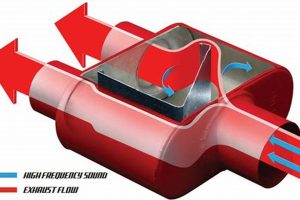
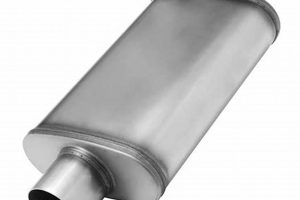
A business specializing in the repair, replacement, and maintenance of vehicle exhaust systems is a vital component of the automotive service industry. Such establishments typically offer services including diagnosis of exhaust problems, welding, pipe bending, and the installation of mufflers, catalytic converters, and other related components. As an example, if a vehicle is experiencing excessive noise or failing an emissions test, a visit to this type of service provider would be appropriate.
The function of these businesses is significant for several reasons. They contribute to environmental protection by ensuring vehicles meet emissions standards. They also enhance vehicle performance and fuel efficiency by addressing exhaust system malfunctions. Historically, these specialized shops emerged as vehicle ownership increased and the need for expert exhaust system service became apparent, differentiating themselves from general automotive repair shops.
With this foundational understanding, subsequent sections will explore the specifics of muffler functionality, diagnostic procedures, and the latest technologies in exhaust system maintenance, providing a detailed overview of the broader field.
Exhaust System Maintenance Guidelines
Maintaining a vehicle’s exhaust system is crucial for optimal performance, fuel efficiency, and environmental compliance. The following guidelines offer advice on proactive maintenance and problem identification.
Tip 1: Conduct Regular Visual Inspections: Examine the exhaust system components, including the muffler, pipes, and catalytic converter, for signs of rust, corrosion, or physical damage. Early detection of these issues can prevent more significant problems.
Tip 2: Monitor for Unusual Noises: Changes in exhaust sound, such as rattling, hissing, or roaring, can indicate leaks or damaged components. Address these sounds promptly to avoid potential performance issues.
Tip 3: Pay Attention to Fuel Efficiency: A decrease in fuel economy can be a symptom of a malfunctioning exhaust system, particularly a clogged catalytic converter. Investigate any sudden drops in mileage.
Tip 4: Be Aware of Exhaust Odors: Unusual exhaust smells inside the vehicle cabin may signify an exhaust leak. This poses a safety hazard due to the potential for carbon monoxide poisoning and requires immediate attention.
Tip 5: Understand Emission Test Requirements: Familiarize yourself with local emission standards and ensure the vehicle undergoes regular testing. Failure to meet these standards may indicate a faulty exhaust system component.
Tip 6: Promptly Address Warning Lights: The check engine light can indicate issues with the catalytic converter or other components of the exhaust system. Diagnostic scans are crucial for accurate identification and repair.
These exhaust system maintenance guidelines contribute to a vehicle’s longevity, performance, and regulatory compliance. Proactive care is essential for minimizing costly repairs and ensuring optimal operation.
In the following sections, specific diagnostic procedures and advanced repair techniques relevant to exhaust system maintenance will be examined in detail.
1. Exhaust System Service

Exhaust system service constitutes the primary operational function of a business specializing in exhaust systems. This service encompasses a range of activities, from routine inspections to complex repairs and replacements. The correlation between exhaust system service and establishments dedicated to such work is one of direct cause and effect; the demand for this specialized service created the need for these businesses. For example, a vehicle exhibiting excessive noise due to a corroded muffler requires the services of an exhaust system specialist for diagnosis, repair, or component replacement. The ability to provide this comprehensive service is paramount to the establishment’s existence.
The significance of exhaust system service extends beyond mere mechanical repair. It addresses critical aspects of vehicle performance, fuel efficiency, and environmental compliance. Consider the catalytic converter, a vital component in modern exhaust systems. Its proper function is essential for reducing harmful emissions. Exhaust system service providers possess the expertise and equipment to diagnose and rectify catalytic converter malfunctions, thereby ensuring vehicles meet stringent emission standards. This specialized skill set distinguishes them from general automotive repair shops.
In summary, exhaust system service is not merely an ancillary offering but the foundational purpose of these establishments. Challenges within this sector include adapting to evolving vehicle technologies and emission regulations. The proficiency in delivering comprehensive exhaust system service directly impacts the longevity, efficiency, and environmental footprint of vehicles, highlighting the critical role these specialists play in the automotive industry and beyond.
2. Component Replacement

Component replacement constitutes a core operational function for establishments specializing in exhaust systems. The necessity for replacing worn, damaged, or malfunctioning components directly drives a significant portion of their business. The lifespan of exhaust system parts, such as mufflers, pipes, and catalytic converters, is finite and subject to degradation from corrosion, physical impact, and thermal stress. Therefore, component replacement is not merely an occasional service but an ongoing requirement for maintaining vehicle performance and regulatory compliance. For example, a muffler suffering from extensive rust-through necessitates replacement to restore proper noise reduction and prevent exhaust leaks. This demand for specialized replacements forms the foundation of the service offered.
The importance of effective component replacement extends beyond simply fixing an immediate problem. Properly selected and installed replacement parts contribute to the overall efficiency and longevity of the exhaust system. Furthermore, the correct replacement of components like catalytic converters is critical for ensuring a vehicle meets emissions standards, as mandated by law. Establishments specializing in exhaust systems possess the technical expertise and access to a wide range of components necessary to perform these replacements correctly. In practical terms, a properly replaced catalytic converter not only resolves an emissions issue but also helps prevent future engine damage and ensures compliance during vehicle inspections.
In summary, component replacement is inextricably linked to the function and relevance of businesses focused on exhaust systems. The expertise in selecting, installing, and ensuring the proper function of replacement components is what these establishments offer. Challenges in this sector include sourcing high-quality parts, staying abreast of evolving emissions regulations, and accurately diagnosing the root cause of component failure to prevent recurrence. The ability to address these challenges effectively defines the success and value of these specialized service providers.
3. Emissions Compliance
Emissions compliance constitutes a central tenet of operation for entities providing exhaust system services. Governmental regulations mandate specific emission standards for vehicles, and a malfunctioning or improperly maintained exhaust system can cause a vehicle to exceed these limits. Establishments specializing in exhaust systems are directly involved in ensuring vehicles meet these regulatory requirements. For example, a damaged catalytic converter, a key component in reducing harmful emissions, will cause a vehicle to fail an emissions test. A business specializing in exhaust systems provides the diagnostic expertise and component replacement necessary to rectify this issue, bringing the vehicle back into compliance. The capacity to address emissions-related problems is not merely an ancillary service; it is a fundamental aspect of their function.
The importance of emissions compliance extends beyond legal mandates. A properly functioning exhaust system minimizes the release of harmful pollutants into the atmosphere, contributing to improved air quality and public health. Establishments offering exhaust system services, therefore, play a crucial role in environmental protection. Consider a situation where a vehicle owner disregards a malfunctioning muffler. The resulting exhaust leak not only increases noise pollution but also allows uncombusted hydrocarbons to escape into the environment. An exhaust system specialist can identify and resolve such issues, thereby mitigating the environmental impact of vehicle operation. Practical application of this understanding involves ongoing training for technicians and adherence to best practices in exhaust system maintenance and repair.
In summary, emissions compliance is intrinsically linked to the role and responsibilities of businesses specializing in exhaust systems. These establishments are essential for ensuring vehicles meet regulatory standards, minimizing environmental impact, and promoting public health. Challenges in this sector include keeping pace with evolving emissions technologies and regulations, and accurately diagnosing complex emissions-related problems. The ability to effectively address these challenges is paramount to their ongoing relevance and contribution to a sustainable transportation ecosystem.
4. Diagnostic Expertise
Diagnostic expertise is a cornerstone of effective operation for establishments specializing in exhaust systems. The correlation between accurate diagnosis and successful repair is direct: without a precise understanding of the underlying problem, any subsequent repair efforts are likely to be ineffective or, at best, temporary. Establishments offering these services are frequently confronted with a diverse array of exhaust system issues, ranging from simple muffler corrosion to complex catalytic converter malfunctions. A facility’s ability to accurately diagnose these problems dictates the effectiveness of the repairs and the overall customer satisfaction. For instance, a vehicle exhibiting a P0420 diagnostic trouble code (Catalyst System Efficiency Below Threshold) could stem from a degraded catalytic converter, an exhaust leak, or a faulty oxygen sensor. Correctly identifying the root cause necessitates specialized diagnostic equipment and a thorough understanding of exhaust system functionality.
The importance of diagnostic prowess extends beyond mere problem identification. Accurate diagnosis minimizes unnecessary repairs, saving customers time and money. It also ensures that the correct components are replaced, optimizing vehicle performance and minimizing environmental impact. Consider a situation where a technician incorrectly attributes a drop in fuel efficiency to a faulty oxygen sensor, when in reality, the issue is a partially clogged catalytic converter. Replacing the oxygen sensor, in this scenario, would not resolve the underlying problem, leading to continued poor fuel economy and potential engine damage. A comprehensive diagnostic assessment, including backpressure testing and visual inspection, is essential for avoiding such misdiagnoses. Diagnostic expertise also includes the ability to interpret data from engine control units (ECUs) and effectively use diagnostic tools such as multimeters, scan tools, and gas analyzers.
In summary, diagnostic expertise is not simply a desirable attribute but an indispensable requirement for businesses providing exhaust system services. These abilities directly influence the quality of repairs, customer satisfaction, and the overall contribution to environmental responsibility. Challenges within this sector include adapting to increasingly complex vehicle technologies and maintaining a skilled workforce capable of effectively utilizing advanced diagnostic tools. Continual investment in training and equipment is critical for ensuring that these establishments can continue to provide accurate and effective diagnostic services in an evolving automotive landscape.
5. Specialized Equipment

The functional efficacy of an establishment specializing in exhaust system maintenance is intrinsically linked to its possession and utilization of specialized equipment. This equipment facilitates accurate diagnosis, efficient repair, and precise fabrication of exhaust system components, thereby enabling the delivery of comprehensive services.
- Pipe Bending and Fabrication Machinery
Exhaust systems require precise shaping and fitting to conform to specific vehicle models. Pipe bending machinery allows for the custom fabrication of exhaust pipes, ensuring a proper fit and optimal exhaust flow. The availability of this equipment enables technicians to create replacement sections that match original specifications, a capability essential for older or modified vehicles where off-the-shelf components may not be available. Its presence allows for customized solutions, improving the functionality of the business.
- Welding Equipment
Welding is a fundamental process in exhaust system repair and installation. Specialized welding equipment, such as MIG (Metal Inert Gas) and TIG (Tungsten Inert Gas) welders, allows technicians to create strong and leak-free joints between exhaust system components. Welding capabilities enable the repair of damaged sections of exhaust pipes, mufflers, and catalytic converters, extending their lifespan and reducing the need for complete replacements. The equipment is a core requirement of the business.
- Exhaust Gas Analyzers
Compliance with emissions regulations requires the ability to measure the composition of exhaust gases. Exhaust gas analyzers provide detailed information on the levels of hydrocarbons, carbon monoxide, nitrogen oxides, and oxygen present in the exhaust stream. This data enables technicians to diagnose catalytic converter malfunctions and other emissions-related problems, ensuring that vehicles meet legal requirements. This equipment plays a direct role in ensuring compliance.
- Diagnostic Scan Tools
Modern vehicles incorporate sophisticated engine control units (ECUs) that monitor exhaust system performance. Diagnostic scan tools allow technicians to access and interpret data stored in the ECU, identifying potential problems with oxygen sensors, catalytic converters, and other emissions-related components. These tools provide valuable insights into exhaust system malfunctions, enabling more efficient and accurate repairs. It is an essential tool for modern vehicular maintenance.
In conclusion, specialized equipment is not merely an optional asset but an indispensable resource for any business offering exhaust system services. The availability and effective utilization of this equipment directly impact the quality of repairs, the efficiency of operations, and the ability to meet regulatory requirements, reinforcing its vital role in the industry.
Frequently Asked Questions Regarding Exhaust System Services
The following addresses commonly encountered questions regarding the function, maintenance, and repair of vehicle exhaust systems, providing clarity and essential information.
Question 1: How frequently should a vehicle’s exhaust system be inspected?
A vehicle’s exhaust system should be inspected at least annually or whenever unusual noises, vibrations, or a decrease in fuel efficiency is observed. Early detection of exhaust system problems can prevent more extensive and costly repairs.
Question 2: What are the typical signs of a failing muffler?
Common indicators of a failing muffler include excessive exhaust noise, rattling sounds emanating from underneath the vehicle, and visible signs of rust or corrosion on the muffler body.
Question 3: Does a catalytic converter replacement always necessitate the replacement of the oxygen sensors?
While not always mandatory, it is generally recommended to replace oxygen sensors when replacing a catalytic converter. Faulty oxygen sensors can contribute to catalytic converter failure, and replacing them concurrently ensures optimal exhaust system performance.
Question 4: Can aftermarket exhaust systems affect a vehicle’s warranty?
The installation of aftermarket exhaust systems may void portions of a vehicle’s warranty, particularly those related to the exhaust system and engine. Consult the vehicle’s warranty documentation and a qualified automotive technician for clarification.
Question 5: What is the purpose of an exhaust resonator?
An exhaust resonator is designed to reduce specific frequencies of exhaust noise, minimizing unwanted drone or booming sounds within the vehicle cabin. It complements the function of the muffler in noise reduction.
Question 6: Are there any long-term consequences of ignoring an exhaust leak?
Ignoring an exhaust leak can lead to reduced fuel efficiency, decreased engine performance, potential damage to other vehicle components, and the risk of carbon monoxide exposure. Prompt repair is essential for safety and vehicle longevity.
These FAQs provide a condensed overview of essential exhaust system knowledge. Maintaining awareness and addressing issues promptly are crucial for optimal vehicle operation and safety.
The subsequent section will delve into advanced diagnostic techniques used in the assessment of exhaust system problems, providing detailed insights for informed decision-making.
Conclusion
This exploration of businesses specializing in exhaust systems has underscored the multifaceted role these establishments play. From diagnostic expertise and component replacement to ensuring emissions compliance and utilizing specialized equipment, their contributions extend beyond simple repairs. These facilities are integral to maintaining vehicle performance, safeguarding environmental quality, and adhering to regulatory standards.
The continued evolution of automotive technology and emissions regulations demands a commitment to ongoing education and adaptation within the exhaust system service sector. Prioritizing precision, compliance, and environmental responsibility will ensure the enduring relevance and societal value of these businesses.