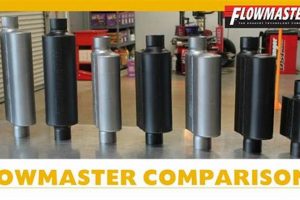
Automotive exhaust system specialists provide services related to noise reduction and emission control. These professionals possess the skills and knowledge required for the maintenance, repair, and replacement of components that manage engine exhaust. A typical instance includes diagnosing an issue stemming from a corroded exhaust pipe and implementing a welding repair.
The services offered by these skilled technicians are vital for vehicle performance and regulatory compliance. Properly functioning exhaust systems contribute to fuel efficiency, reduced pollution, and adherence to noise ordinances. Historically, such expertise has evolved in tandem with advancements in automotive technology and stricter environmental standards, reflecting a growing awareness of the impact of vehicle emissions.
The subsequent sections will delve into specific aspects of the services offered, including types of repairs, diagnostics processes, and preventative maintenance strategies employed to ensure the longevity and optimal function of vehicle exhaust systems. This exploration will provide a detailed understanding of how these professionals contribute to vehicle health and environmental responsibility.
Maintenance Recommendations
Maintaining a vehicle’s exhaust system extends its lifespan and ensures optimal performance. Implementing these proactive measures mitigates potential issues and contributes to long-term cost savings.
Tip 1: Conduct Regular Visual Inspections: Periodically examine the exhaust system for signs of corrosion, leaks, or physical damage. Focus on areas prone to rust, such as joints and welds. Early detection prevents minor issues from escalating into major repairs.
Tip 2: Address Unusual Noises Promptly: Rattling, hissing, or roaring sounds emanating from the exhaust system warrant immediate investigation. These noises often indicate leaks, loose components, or internal damage. Delaying diagnosis can lead to reduced fuel efficiency and increased emissions.
Tip 3: Ensure Proper Exhaust System Mounting: Check that the exhaust system is securely mounted to the vehicle’s undercarriage. Loose or broken hangers can cause excessive vibration, leading to premature wear and potential damage to other components.
Tip 4: Consider Environmental Factors: Vehicles operating in regions with harsh weather conditions or road salt exposure are at a higher risk of corrosion. Implement protective measures, such as undercoating, to shield the exhaust system from environmental damage.
Tip 5: Perform Periodic Exhaust System Cleaning: Carbon buildup within the exhaust system can restrict airflow and reduce engine performance. Consider professional exhaust system cleaning services to remove deposits and restore optimal functionality.
Tip 6: Replace Worn Components: Exhaust system components, such as mufflers and catalytic converters, have a finite lifespan. Adhere to manufacturer-recommended replacement intervals to prevent performance degradation and ensure compliance with emissions regulations.
Tip 7: Seek Professional Diagnostics: When in doubt, consult with qualified professionals for comprehensive exhaust system diagnostics. They possess specialized tools and expertise to accurately identify and resolve complex issues.
Implementing these maintenance recommendations ensures optimal exhaust system performance, prolongs component lifespan, and minimizes environmental impact. Proactive care translates to reduced repair costs and enhanced vehicle reliability.
The following section will address common issues and their corresponding solutions, offering further insight into maintaining a healthy vehicle exhaust system.
1. Diagnostics

The expertise of exhaust system specialists is fundamentally predicated on diagnostic capabilities. Accurate identification of malfunctions within the exhaust system is paramount, serving as the foundation for effective repairs and maintenance. Without precise diagnostics, attempts to rectify exhaust-related issues risk being misdirected, potentially exacerbating the problem or leading to unnecessary component replacements. For example, a seemingly simple exhaust leak may be misattributed to a faulty muffler, when in reality, it originates from a cracked exhaust manifold. Proper diagnostics, utilizing tools such as pressure testing and visual inspections, are required to pinpoint the true source of the problem.
Effective diagnostic practices contribute directly to cost savings for vehicle owners. By accurately determining the root cause of the issue, exhaust professionals can prescribe the most appropriate and targeted solution. This prevents the costly trial-and-error approach often associated with less skilled mechanics. Consider a situation where a vehicle fails an emissions test. Through comprehensive diagnostics, an exhaust specialist can identify whether the failure stems from a malfunctioning catalytic converter, a faulty oxygen sensor, or a combination of factors. Addressing only the affected components ensures compliance with emissions standards without incurring unnecessary expenses.
In summary, diagnostics form the cornerstone of effective exhaust system maintenance and repair. The ability to accurately identify malfunctions enables specialists to implement targeted solutions, ultimately leading to improved vehicle performance, reduced repair costs, and minimized environmental impact. Challenges remain in keeping pace with evolving automotive technologies, requiring ongoing training and investment in advanced diagnostic equipment. The link between diagnostics and expertise underscores the critical role of skilled professionals in maintaining vehicle health and regulatory compliance.
2. Repairs

Repairs are an essential service provided by muffler specialists, addressing a range of issues to maintain the integrity and functionality of vehicle exhaust systems. These services span from minor fixes to complex reconstructions, requiring specialized skills and equipment.
- Exhaust Leaks
Exhaust leaks can occur at various points in the system, including joints, welds, and pipe surfaces. Specialists employ welding techniques, patching methods, or component replacements to seal these leaks. The repair mitigates noise pollution, restores engine performance, and ensures compliance with emissions regulations. An example is repairing a corroded exhaust manifold gasket to prevent exhaust gases from escaping before reaching the catalytic converter.
- Muffler Damage
Mufflers are susceptible to rust, impact damage, and internal deterioration. Specialists assess the extent of the damage and determine whether repair or replacement is the appropriate course of action. Repair involves patching holes, reinforcing weak spots, or re-securing internal baffles. Replacement entails installing a new muffler that meets or exceeds original equipment specifications. An example is replacing a rusted-through muffler to reduce vehicle noise and improve exhaust flow.
- Catalytic Converter Issues
Catalytic converters can become clogged, damaged, or stolen, leading to reduced engine performance and emissions violations. Repair typically involves addressing minor structural damage or replacing damaged heat shields. Replacement is necessary when the internal catalyst is compromised. An example is replacing a damaged catalytic converter to restore proper emissions control and prevent engine damage.
- Pipe Damage and Replacement
Exhaust pipes are vulnerable to rust, bending, and crushing. Specialists employ cutting, bending, and welding techniques to repair damaged sections or replace entire pipes. Repair ensures proper exhaust flow and structural integrity. Replacement is necessary when the damage is extensive or beyond repair. An example is replacing a section of exhaust pipe damaged by road debris to maintain exhaust system efficiency.
These facets of exhaust system repairs collectively demonstrate the vital role of qualified specialists. Their expertise ensures the safe, efficient, and compliant operation of vehicle exhaust systems, providing essential services that contribute to both vehicle performance and environmental protection.
3. Replacements

The proficiency of specialists is intrinsically linked to component replacements within exhaust systems. The ability to accurately assess the condition of system parts and perform replacements is fundamental to maintaining vehicle performance and regulatory compliance.
- Muffler Replacement
Mufflers are subject to corrosion, internal baffle disintegration, and physical damage. Specialists evaluate muffler integrity and recommend replacement when repairs are insufficient. A failing muffler leads to increased noise levels, reduced engine efficiency, and potential emissions violations. The installation of a new muffler that meets or exceeds original equipment manufacturer (OEM) specifications is a standard service.
- Catalytic Converter Replacement
Catalytic converters degrade over time, losing their efficiency in reducing harmful emissions. Specialists assess converter performance through diagnostic testing and visual inspection. When a converter fails to meet emissions standards, replacement is necessary. A malfunctioning catalytic converter results in increased pollution, potential engine damage, and failure to comply with environmental regulations. The installation of a compliant catalytic converter is a regulated procedure.
- Exhaust Pipe Replacement
Exhaust pipes are susceptible to rust, bending, and crushing due to road hazards. Specialists inspect pipe integrity and recommend replacement when damage is extensive. Damaged exhaust pipes lead to leaks, noise, and reduced engine performance. Replacement involves precise cutting, bending, and welding to ensure a leak-free and properly aligned system.
- Oxygen Sensor Replacement
Oxygen sensors monitor exhaust gas composition and provide feedback to the engine control unit (ECU). These sensors degrade over time, affecting fuel efficiency and emissions. Specialists diagnose sensor performance using diagnostic tools and recommend replacement when accuracy is compromised. Replacement of faulty oxygen sensors restores proper air-fuel mixture control, improving engine performance and reducing emissions.
These replacement procedures underscore the practical expertise required by professionals. The ability to accurately diagnose, remove, and install replacement components is essential for restoring exhaust system functionality, ensuring regulatory compliance, and maintaining vehicle performance. Such services require ongoing training and adherence to industry best practices.
4. Customization

Customization, within the realm of automotive exhaust systems, represents a specialized service offered by experienced professionals. This facet extends beyond basic repair and replacement, addressing specific performance or aesthetic desires of vehicle owners. The connection between customization and exhaust specialists lies in their ability to modify exhaust systems to alter sound characteristics, enhance engine output, or improve overall vehicle appearance. The effect of such modifications can range from a subtle change in exhaust tone to a significant increase in horsepower, depending on the scope of the customization.
A practical example of customization involves modifying the exhaust system of a performance vehicle to reduce backpressure and increase airflow. This may include installing a cat-back exhaust system, which replaces the exhaust components from the catalytic converter to the tailpipe with larger diameter piping and a high-flow muffler. Another example involves fabricating a custom exhaust system for a classic car restoration project, where the original exhaust system is no longer available. Exhaust specialists utilize their welding skills, knowledge of exhaust system design, and understanding of engine performance to create a functional and aesthetically pleasing system. The practical significance of this understanding is that vehicle owners can tailor their exhaust systems to meet their individual needs and preferences, enhancing both the performance and appearance of their vehicles.
In conclusion, customization represents a significant component of the services offered by qualified exhaust specialists. It requires a deep understanding of exhaust system dynamics, welding expertise, and an ability to translate customer desires into functional and aesthetically pleasing modifications. Challenges within this area include ensuring that customized exhaust systems comply with local noise regulations and emissions standards. The ability to navigate these challenges distinguishes experienced professionals, solidifying their role in the broader automotive service landscape.
5. Inspections

Exhaust system inspections are a critical service provided by muffler specialists, ensuring vehicle safety, regulatory compliance, and optimal performance. Thorough inspections identify potential issues before they escalate into costly repairs or environmental hazards.
- Visual Examination for Corrosion and Damage
Professionals conduct visual inspections to detect rust, cracks, holes, and other forms of physical damage on exhaust components. Corrosion weakens structural integrity, while damage leads to leaks and reduced efficiency. Early detection allows for timely repairs, preventing further deterioration and potential safety risks. An example includes identifying a rusted-through muffler that poses a safety hazard and requires immediate replacement.
- Leak Detection
Exhaust leaks compromise engine performance, increase noise pollution, and pose health risks due to the escape of toxic fumes. Specialists utilize specialized equipment, such as smoke testers, to identify leaks along exhaust pipes, joints, and manifolds. Addressing leaks promptly restores engine efficiency, reduces noise, and safeguards passenger health. An example includes detecting an exhaust leak at the manifold gasket, which can lead to reduced fuel economy and increased emissions.
- Component Integrity Assessment
Inspections assess the condition of critical components like mufflers, catalytic converters, and oxygen sensors. Mufflers ensure noise reduction, catalytic converters control emissions, and oxygen sensors regulate air-fuel mixture. Assessing their functionality guarantees optimal performance and compliance with environmental standards. An example includes evaluating the efficiency of a catalytic converter to ensure it meets emissions standards, preventing fines and environmental damage.
- Mounting and Hanger Evaluation
Secure mounting of the exhaust system prevents excessive vibration, noise, and potential damage to surrounding components. Specialists inspect hangers and mounting points to ensure they are intact and properly supporting the exhaust system. Addressing loose or damaged hangers minimizes stress on exhaust components, prolonging their lifespan and ensuring safe operation. An example includes identifying a broken exhaust hanger that can cause the exhaust system to drag on the road, leading to further damage.
These facets of exhaust system inspections, performed by qualified professionals, collectively contribute to vehicle safety, environmental protection, and regulatory compliance. Regular inspections, coupled with timely repairs, ensure the long-term health and performance of vehicle exhaust systems.
6. Welding

Welding constitutes a critical skill set for exhaust system professionals. The integrity and longevity of exhaust systems are intrinsically linked to the quality of welding performed during repairs and modifications.
- Repair of Exhaust Leaks
Exhaust leaks frequently occur at joints and along pipe surfaces due to corrosion or mechanical stress. Welding is employed to seal these breaches, preventing the escape of exhaust gases. The efficacy of welding directly affects the reduction of noise pollution, the restoration of engine performance, and compliance with emissions regulations. An example involves welding a patch over a corroded section of exhaust pipe to prevent further deterioration and maintain system integrity.
- Fabrication of Custom Exhaust Components
Custom exhaust systems often require the fabrication of unique components, such as headers, collectors, and specialized piping. Welding is indispensable for assembling these parts to precise specifications. The quality of the welding determines the structural integrity, flow characteristics, and overall performance of the customized exhaust system. An example includes constructing a stainless steel exhaust system for a classic car restoration, requiring meticulous welding to ensure a precise fit and lasting durability.
- Modification of Existing Exhaust Systems
Modifying an existing exhaust system to improve performance or alter sound characteristics necessitates welding skills. Alterations may involve relocating pipes, adding resonators, or installing performance mufflers. Proper welding techniques are essential to ensure a secure, leak-free connection that can withstand the high temperatures and vibrations associated with exhaust systems. An example involves welding a new flange onto an exhaust pipe to accommodate a different style of muffler, requiring precise alignment and a strong, durable weld.
- Reinforcement of Exhaust System Mounts
Exhaust system mounts are subjected to constant stress and vibration, often leading to fatigue and failure. Welding can be used to reinforce these mounts, extending their lifespan and preventing the exhaust system from sagging or detaching. Strong, well-executed welds are essential to ensure the stability and safety of the exhaust system. An example involves welding additional supports to exhaust hangers to prevent them from breaking under the weight and vibration of the exhaust system, enhancing overall system reliability.
In summary, welding is an indispensable skill for professionals involved in exhaust system maintenance and modification. Its applications span from simple leak repairs to complex custom fabrications, underscoring the importance of expertise in this area for ensuring the proper function, safety, and longevity of vehicle exhaust systems.
Frequently Asked Questions
The subsequent questions and answers address common inquiries regarding the maintenance, repair, and optimal functioning of automotive exhaust systems.
Question 1: What are the primary indicators of a failing exhaust system?
A failing exhaust system may exhibit several symptoms, including increased noise levels, reduced fuel efficiency, noticeable vibrations, and the presence of unusual odors. Visual signs may include rust, corrosion, or physical damage to exhaust components. An illuminated check engine light may also indicate an exhaust-related issue.
Question 2: How often should an exhaust system be inspected?
It is recommended that an exhaust system be inspected at least annually or during routine vehicle maintenance. Vehicles operating in regions with harsh weather conditions or exposure to road salt may require more frequent inspections.
Question 3: Can a minor exhaust leak be safely ignored?
No. Even minor exhaust leaks should be addressed promptly. Exhaust leaks can compromise engine performance, increase noise pollution, and introduce harmful gases into the vehicle cabin, posing health risks to occupants.
Question 4: What is the typical lifespan of a catalytic converter?
The lifespan of a catalytic converter varies depending on factors such as vehicle usage, maintenance practices, and environmental conditions. Generally, a catalytic converter should last for approximately 100,000 miles. However, premature failure can occur due to engine misfires, oil contamination, or physical damage.
Question 5: Are aftermarket exhaust systems legal in all regions?
The legality of aftermarket exhaust systems varies depending on local regulations and emissions standards. Some regions have strict noise level restrictions and require aftermarket systems to meet specific performance criteria. It is advisable to consult local regulations before installing an aftermarket exhaust system.
Question 6: What is the purpose of an oxygen sensor in the exhaust system?
Oxygen sensors monitor the oxygen content of exhaust gases, providing feedback to the engine control unit (ECU). This information enables the ECU to adjust the air-fuel mixture, optimizing engine performance and minimizing emissions. Malfunctioning oxygen sensors can lead to reduced fuel efficiency, increased emissions, and potential engine damage.
Regular inspections and timely repairs are essential for maintaining the health and efficiency of vehicle exhaust systems. Addressing exhaust-related issues promptly ensures optimal vehicle performance, regulatory compliance, and environmental responsibility.
The subsequent section will address advanced diagnostic techniques employed to identify complex exhaust system malfunctions.
Conclusion
This exploration has illuminated the multifaceted expertise embodied by exhaust system specialists. Their proficiency extends from routine maintenance and repairs to complex diagnostics and customized modifications. A comprehensive understanding of these professionals’ capabilities is crucial for ensuring optimal vehicle performance and regulatory compliance. The ability to effectively manage exhaust system health directly impacts fuel efficiency, emissions control, and overall vehicle safety.
Therefore, engaging qualified muffler pros for regular inspections and timely repairs is paramount. Prioritizing exhaust system maintenance represents a responsible approach to vehicle ownership, contributing to both individual vehicle health and broader environmental stewardship. Continued advancements in automotive technology necessitate ongoing professional development within this specialized field, ensuring the continued delivery of expert service and adherence to evolving industry standards.