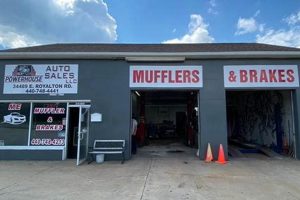
This establishment specializes in the maintenance and repair of vehicle exhaust systems and braking mechanisms. Their services encompass diagnostics, replacements, and general upkeep of these crucial automotive components. For example, they might address issues ranging from a noisy exhaust to worn brake pads.
Properly functioning exhaust and braking systems are paramount for vehicle safety, performance, and regulatory compliance. A well-maintained exhaust minimizes harmful emissions, contributing to environmental protection. Effective brakes are essential for preventing accidents and ensuring driver and passenger well-being. Businesses offering these services play a vital role in keeping vehicles roadworthy and safeguarding the public.
The following sections will delve into specific aspects related to exhaust systems and braking solutions, exploring the technologies involved, common problems encountered, and best practices for preventative maintenance.
Maintenance Recommendations for Exhaust and Braking Systems
Adherence to a regular maintenance schedule is crucial for the longevity and reliable operation of vehicle exhaust and braking systems. Neglecting these systems can lead to increased repair costs and potential safety hazards.
Tip 1: Regular Inspection: Exhaust systems should be visually inspected at least annually for signs of rust, leaks, or physical damage. Braking systems should be inspected every six months, or more frequently under heavy usage conditions, to assess pad thickness, rotor condition, and fluid levels.
Tip 2: Prompt Repair of Exhaust Leaks: Even minor exhaust leaks can reduce fuel efficiency and increase emissions. Furthermore, prolonged exposure to exhaust fumes can pose health risks. Any suspected leaks should be addressed immediately by a qualified technician.
Tip 3: Brake Fluid Flushes: Brake fluid absorbs moisture over time, which can reduce its effectiveness and lead to corrosion within the braking system. A complete brake fluid flush, as recommended by the vehicle manufacturer, is essential for maintaining optimal braking performance.
Tip 4: Pad and Rotor Replacement: Worn brake pads and rotors compromise stopping power. Replace these components as soon as they reach the manufacturer’s recommended minimum thickness to ensure safe and reliable braking.
Tip 5: Caliper Maintenance: Brake calipers are essential for applying pressure to the brake pads. Regular cleaning and lubrication of caliper components can prevent sticking and ensure even pad wear.
Tip 6: Emergency Brake Functionality: The emergency brake should be tested regularly to confirm proper functionality. A malfunctioning emergency brake can be a serious safety concern, particularly when parking on inclines.
Tip 7: Consider Environment and Driving Style: Harsh driving conditions and environmental factors like road salt can accelerate wear on both systems. Adjust maintenance schedules accordingly.
By diligently following these maintenance recommendations, vehicle owners can significantly extend the lifespan of their exhaust and braking systems, ensuring optimal performance and safety.
The subsequent section will provide insights into diagnosing common problems related to these systems, enabling informed decision-making regarding necessary repairs and replacements.
1. Exhaust System Integrity

Exhaust system integrity is paramount for efficient vehicle operation, emissions control, and noise reduction. Proper maintenance and repair of exhaust systems directly impact vehicle performance and regulatory compliance, making specialized service providers essential.
- Structural Integrity and Leak Prevention
The exhaust system’s structural soundness is critical for preventing leaks of harmful gases into the environment and the vehicle cabin. Corrosion, physical damage, and faulty connections can compromise integrity. This necessitates professional inspection and repair to ensure all components are securely connected and free from defects. Services address issues such as replacing rusted pipes, patching holes, and sealing joints to prevent leaks and maintain optimal system function.
- Muffler Function and Noise Reduction
The muffler is a key component responsible for reducing engine noise to acceptable levels. Internal damage or deterioration of the muffler can lead to increased noise pollution and potential regulatory violations. Services include muffler replacement, ensuring that the replacement meets specified noise level standards and maintains the vehicle’s acoustic performance. This contributes to a quieter driving experience and compliance with local noise ordinances.
- Catalytic Converter Efficiency and Emissions Control
The catalytic converter is crucial for reducing harmful pollutants in exhaust gases. A malfunctioning or damaged catalytic converter can lead to increased emissions and failure to meet emissions testing requirements. Services provide catalytic converter diagnostics, replacement, and ensuring that the replacement meets regulatory standards. Proper catalytic converter function is essential for environmental protection and legal compliance.
- Sensor Integration and System Monitoring
Modern exhaust systems often incorporate sensors that monitor exhaust gas composition and system performance. Faulty sensors can lead to inaccurate readings and affect engine performance. Services include sensor diagnostics, replacement, and system recalibration to ensure accurate monitoring and optimal engine operation. This integration of sensors and monitoring systems is critical for maintaining efficient emissions control and engine performance.
Maintaining exhaust system integrity through professional services ensures vehicle compliance with environmental regulations, reduces noise pollution, and safeguards the health of occupants and the environment. Timely and accurate diagnostics, coupled with quality repairs and replacements, are essential for preserving the longevity and functionality of the exhaust system.
2. Braking Efficiency

Braking efficiency represents the effectiveness of a vehicle’s braking system in decelerating or stopping the vehicle within a reasonable distance and timeframe. Service providers focusing on muffler and brake maintenance play a critical role in ensuring optimal braking efficiency for customer vehicles.
- Hydraulic System Integrity
The hydraulic system, comprising brake lines, master cylinder, and wheel cylinders or calipers, transmits force from the brake pedal to the brake pads. Leaks, corrosion, or component failures within this system diminish braking efficiency, potentially leading to longer stopping distances or complete brake failure. Maintenance services include inspection and replacement of damaged lines, cylinder rebuilding, and fluid flushes to maintain system pressure and responsiveness. An example is replacing corroded brake lines discovered during routine inspection, preventing fluid leakage and restoring braking force.
- Friction Material Condition
Brake pads and rotors (or drums) provide the friction necessary to slow the vehicle. Worn or glazed pads, scored rotors, or contaminated friction surfaces significantly reduce braking efficiency. Services address this by replacing worn pads and rotors, resurfacing rotors to remove imperfections, and ensuring proper pad-to-rotor contact. A real-world scenario is replacing brake pads that have worn below the safe thickness threshold, thereby improving stopping power and preventing rotor damage.
- Anti-lock Braking System (ABS) Functionality
ABS prevents wheel lockup during hard braking, allowing the driver to maintain steering control. Malfunctions within the ABS, such as faulty sensors or a defective control module, can impair braking efficiency and stability. Diagnostic services identify and rectify ABS issues, including sensor replacement and module reprogramming. An instance is diagnosing and repairing a malfunctioning ABS sensor that triggers the ABS warning light and compromises braking performance during emergency stops.
- Emergency Brake System Reliability
Emergency or parking brake engages the rear brakes mechanically to hold the vehicle in place, primarily used during parking and to stop the vehicle in the event of primary brake failure. A properly functioning emergency brake guarantees a reliable backup braking system, increasing vehicle safety and preventing accidents, especially on steep inclines. An operational emergency brake is also mandatory to pass motor vehicle inspection.
The aforementioned elements demonstrate how braking efficiency relies on a complex interplay of mechanical and hydraulic systems. Regular inspection and maintenance services addressing these facets are crucial for preserving vehicle safety. Maintenance services are intrinsically linked to improving braking efficiency by ensuring all components operate within specified parameters. Skilled technicians trained in brake system diagnostics and repair are essential for maintaining optimal stopping performance.
3. Component Longevity

Component longevity, specifically regarding vehicle exhaust and braking systems, directly impacts the cost of ownership and the reliability of the vehicle. The lifespan of these components is influenced by materials, manufacturing quality, operating conditions, and, crucially, maintenance practices. Specialized service providers like beraca muffler & brakes play a vital role in optimizing component longevity through proactive maintenance and quality repairs.
- Material Selection and Environmental Resistance
The materials used in manufacturing exhaust and brake system components significantly determine their resistance to corrosion, heat stress, and mechanical wear. For example, exhaust systems constructed from aluminized steel exhibit greater resistance to rust compared to standard steel. Similarly, ceramic brake pads offer increased longevity and reduced rotor wear compared to organic pads. Beraca muffler & brakes can advise customers on material choices that enhance component life based on their driving conditions and budget. Choosing components with superior materials can prevent premature failure, extending the component lifespan. This directly reduces the frequency of repairs and replacement, consequently lowering maintenance costs.
- Preventative Maintenance Schedules and Fluid Integrity
Adhering to recommended maintenance schedules, including regular inspections and fluid changes, is crucial for extending component life. For example, regular brake fluid flushes remove contaminants and moisture that can corrode internal brake system components, leading to premature failure of calipers and master cylinders. Routine muffler and exhaust pipe inspection helps identify and address small rust spots before they develop into large holes or leaks. beraca muffler & brakes can implement preventative maintenance programs that prolong component life by addressing potential issues before they escalate. Timely service interventions protect the vehicle’s exhaust and brake systems, thus extending their operational life.
- Driving Conditions and Usage Patterns
Driving conditions and usage patterns significantly influence the wear and tear on exhaust and brake system components. Frequent short trips, stop-and-go traffic, and driving on salted roads accelerate corrosion and wear. Conversely, highway driving at steady speeds generally results in lower stress on these systems. beraca muffler & brakes can tailor maintenance recommendations based on individual driving conditions to optimize component life. For vehicles subjected to harsh conditions, more frequent inspections and component replacements may be advised. Adjusting maintenance to driving style enhances component longevity.
- Quality of Replacement Parts and Installation Procedures
The quality of replacement parts and the expertise of the installation technician profoundly impact component longevity. Inferior replacement parts may fail prematurely, leading to additional repairs and increased costs. Improper installation can also damage components or reduce their lifespan. beraca muffler & brakes, in this regard, offers quality replacement parts and ensures that trained technicians carry out all installations correctly. This ensures proper fitment and function, maximizing the lifespan of the installed component. Competent installation extends the performance of the new components.
In conclusion, Component Longevity is not merely a matter of inherent durability, but also a product of informed material selection, consistent preventative maintenance, adaptation to driving conditions, and expert installation practices. beraca muffler & brakes contributes to optimizing component lifespan by providing knowledgeable advice, performing quality repairs, and using reliable replacement parts, thereby minimizing vehicle maintenance expenses and increasing vehicle reliability.
4. Emissions Compliance

Emissions compliance denotes adherence to established legal standards governing the permissible levels of pollutants released by vehicle exhaust systems. This compliance is a critical aspect of environmental regulation, impacting air quality and public health. Service providers specializing in exhaust system maintenance and repair, such as beraca muffler & brakes, function as key intermediaries in ensuring vehicles meet these stringent requirements. The functionality of components such as catalytic converters, oxygen sensors, and exhaust manifolds directly influences a vehicle’s emissions output. A malfunctioning catalytic converter, for instance, will increase the levels of harmful pollutants like hydrocarbons, carbon monoxide, and nitrogen oxides released into the atmosphere, leading to a failure in emissions testing. Regular inspections and timely repairs offered by establishments specializing in exhaust systems are therefore essential for maintaining compliance.
The role of beraca muffler & brakes extends beyond simply replacing defective components. Accurate diagnostics are essential for identifying the root cause of emissions-related issues. For example, a faulty oxygen sensor can cause the engine to run inefficiently, leading to increased fuel consumption and higher emissions. Trained technicians utilize diagnostic equipment to pinpoint these issues and implement appropriate repairs, ensuring the vehicle operates within acceptable emissions parameters. Furthermore, compliance is not static. Regulations can evolve, necessitating upgrades or modifications to existing exhaust systems to meet newer standards. Service providers like beraca muffler & brakes can advise vehicle owners on necessary upgrades or modifications required to maintain legal compliance.
In summary, emissions compliance is a multifaceted requirement with significant environmental and legal implications. Establishments specializing in exhaust system maintenance and repair play a crucial role in ensuring vehicles meet these standards through accurate diagnostics, quality repairs, and adherence to evolving regulations. The effectiveness of these service providers directly impacts the overall air quality and the public’s exposure to harmful pollutants, underscoring the importance of selecting reputable and knowledgeable technicians for exhaust system maintenance.
5. Safety Standards

Vehicle safety standards are a cornerstone of responsible automotive operation, encompassing regulations and guidelines designed to minimize risks and ensure the well-being of drivers, passengers, and the public. Beraca muffler & brakes, as a service provider specializing in critical vehicle systems, directly contributes to upholding these standards. Properly functioning exhaust and braking systems are fundamental to safe vehicle operation. Deficiencies in either system can have serious consequences, ranging from reduced braking performance to the release of harmful pollutants. Neglecting these systems compromises the vehicle’s ability to respond effectively in emergency situations and increases the risk of accidents. For instance, a vehicle with worn brake pads requires significantly longer stopping distances, potentially leading to collisions. A compromised exhaust system can leak carbon monoxide into the cabin, posing a serious health hazard to occupants.
The services offered by establishments such as Beraca muffler & brakes directly mitigate these risks. Regular inspections and maintenance ensure that braking systems meet performance standards and that exhaust systems operate within acceptable emissions limits. Technicians address issues such as worn brake pads, damaged rotors, leaking exhaust pipes, and malfunctioning catalytic converters, restoring the vehicle to a safe operating condition. Furthermore, these providers play a role in educating vehicle owners about the importance of preventative maintenance and the potential consequences of neglecting critical vehicle systems. By offering expert advice and reliable repairs, they empower vehicle owners to make informed decisions about their vehicle’s safety and maintenance needs. These services are crucial in order to have peace of mind when you’re on the road and not worrying about vehicle malfunctions.
In summary, the relationship between vehicle safety standards and Beraca muffler & brakes is one of direct contribution and shared responsibility. By providing quality maintenance and repair services, they actively support the enforcement of safety regulations and contribute to a safer transportation environment. Challenges exist in ensuring widespread compliance with maintenance recommendations, but the practical significance of prioritizing vehicle safety standards cannot be overstated. Regular inspection and maintenance contribute to overall road safety, reducing the incidence of accidents and safeguarding public health.
6. Maintenance Schedule

A structured maintenance schedule is crucial for preserving the operational integrity and extending the lifespan of vehicle exhaust and braking systems. Establishments such as beraca muffler & brakes play a significant role in implementing and adhering to these schedules, ensuring optimal vehicle performance and safety.
- Scheduled Inspections
Regular inspections are fundamental to a proactive maintenance schedule. Technicians at beraca muffler & brakes conduct thorough visual and functional assessments of exhaust and braking components, identifying potential issues before they escalate into major problems. For instance, inspecting brake pad thickness and rotor condition during routine service visits allows for timely replacement, preventing diminished braking performance. Likewise, identifying rust or leaks in the exhaust system early can avert costly repairs and ensure compliance with emissions standards. These inspections are designed to detect wear and tear early, which leads to an extension of the overall systems’ life.
- Fluid Services
Scheduled fluid services are essential for maintaining the hydraulic integrity of braking systems. Brake fluid absorbs moisture over time, reducing its effectiveness and leading to corrosion. Flushing and replacing brake fluid at recommended intervals, as performed by beraca muffler & brakes, ensures optimal braking performance and prevents damage to critical components such as calipers and master cylinders. Fluid services protect mechanical parts from degradation.
- Component Replacements
Maintenance schedules dictate the replacement of worn components based on mileage or time intervals. Brake pads, rotors, mufflers, and exhaust pipes have a finite lifespan. beraca muffler & brakes provides replacement services utilizing quality parts and adhering to manufacturer specifications, ensuring continued system performance and safety. Replacements are vital for upholding the reliability of safety components.
- System Diagnostics
Modern vehicles incorporate sophisticated electronic systems that monitor exhaust and braking performance. Diagnostic services, offered by beraca muffler & brakes, utilize specialized equipment to identify issues that may not be readily apparent during visual inspections. For instance, diagnostic tools can detect faulty oxygen sensors or ABS malfunctions, enabling precise repairs and preventing potential safety hazards. System diagnostics can enhance and secure vehicle components.
The multifaceted approach of a structured maintenance schedule, encompassing inspections, fluid services, component replacements, and system diagnostics, directly impacts the longevity and reliability of vehicle exhaust and braking systems. Adherence to these schedules, facilitated by service providers such as beraca muffler & brakes, minimizes the risk of unexpected breakdowns and ensures continued compliance with safety and environmental standards. This results in enhanced vehicle safety, increased driver confidence, and decreased overall maintenance costs over the vehicle’s lifespan.
7. Diagnostic Accuracy

Diagnostic accuracy forms a crucial pillar of beraca muffler & brakes’ service offerings. Precise identification of issues within exhaust and braking systems directly influences the effectiveness and efficiency of subsequent repairs. Inaccurate diagnoses lead to unnecessary component replacements, increased costs for the customer, and potential safety risks if the underlying problem remains unaddressed. The ability to pinpoint the precise source of a malfunctioning ABS system, for example, prevents the wasteful replacement of functional components and allows technicians to focus on the actual faulty sensor or module.
The integration of advanced diagnostic tools and trained technicians is essential for achieving diagnostic accuracy. Modern vehicles incorporate sophisticated electronic systems that monitor the performance of exhaust and braking components. Utilizing diagnostic scanners, technicians can access stored fault codes, monitor sensor data in real-time, and perform functional tests to isolate problems. For instance, a technician might use a smoke machine to identify leaks within the exhaust system or a pressure gauge to assess the integrity of the brake hydraulic system. Skill in interpreting diagnostic data and applying specialized knowledge is critical for making informed repair decisions. This proficiency reduces the risk of misdiagnosis.
Diagnostic accuracy, therefore, directly impacts customer satisfaction, vehicle safety, and the reputation of beraca muffler & brakes. The ability to provide reliable and cost-effective repairs hinges on the ability to accurately diagnose the underlying problem. Investment in diagnostic equipment and technician training represents a commitment to providing superior service and ensuring the safety and reliability of customer vehicles. Maintaining a high standard of diagnostic proficiency is thus essential for upholding the principles of quality service and customer trust.
Frequently Asked Questions
The following addresses common inquiries regarding exhaust and brake system maintenance, repairs, and related services.
Question 1: What factors influence the lifespan of a vehicle’s muffler?
Muffler lifespan is affected by factors such as driving conditions (frequent short trips vs. highway driving), road salt exposure, the quality of materials used in construction, and the overall condition of the engine. Internal condensation and acidic exhaust gases contribute to corrosion, shortening the muffler’s lifespan. Regular inspections can help identify potential problems early.
Question 2: What are the common symptoms of failing brake pads?
Common indicators of worn brake pads include squealing or grinding noises during braking, reduced braking responsiveness, and a noticeable decrease in brake pedal height. Visual inspection of the brake pads reveals diminished thickness. Ignoring these symptoms compromises stopping power and increases the risk of accidents.
Question 3: How often should brake fluid be flushed?
Brake fluid should be flushed at intervals recommended by the vehicle manufacturer, typically every two to three years or as indicated by a brake fluid testing strip. Brake fluid absorbs moisture over time, reducing its boiling point and compromising braking performance. Contaminated brake fluid also accelerates corrosion within the brake system.
Question 4: Can a malfunctioning catalytic converter impact vehicle performance?
Yes, a clogged or damaged catalytic converter restricts exhaust flow, reducing engine power and fuel efficiency. This can also trigger the check engine light. Replacing a malfunctioning catalytic converter restores engine performance and ensures compliance with emissions regulations.
Question 5: What is the purpose of an ABS (Anti-lock Braking System)?
The ABS prevents wheel lockup during hard braking, allowing the driver to maintain steering control. This enhances vehicle stability and reduces stopping distances, particularly on slippery surfaces. Malfunctions within the ABS can compromise braking effectiveness and increase the risk of accidents.
Question 6: Are aftermarket mufflers legal for use on all vehicles?
The legality of aftermarket mufflers varies depending on local regulations. Some jurisdictions have noise level restrictions that aftermarket mufflers must meet. It is crucial to verify compliance with applicable laws before installing an aftermarket muffler to avoid fines or legal issues. Modifications must adhere to environmental and noise regulations.
Regular maintenance and prompt attention to any signs of exhaust or brake system issues are paramount for ensuring vehicle safety and reliability.
The following section provides insights into the selection criteria for choosing a qualified service provider for exhaust and brake system maintenance.
Conclusion
The preceding sections have elucidated the critical role of exhaust and braking systems in overall vehicle safety, performance, and regulatory compliance. The operational integrity of these systems hinges on adherence to recommended maintenance schedules, accurate diagnostic practices, and the utilization of quality replacement components. beraca muffler & brakes functions as a key service provider in ensuring these standards are met, contributing to both vehicle longevity and public safety.
Given the complex interplay of mechanical, hydraulic, and electronic elements within these systems, entrusting their maintenance and repair to qualified professionals remains paramount. Prioritizing preventative measures and addressing potential issues promptly safeguards vehicle reliability and mitigates the risks associated with system failure. Continued vigilance and adherence to established best practices are essential for upholding optimal vehicle operation and ensuring responsible stewardship of automotive technology.