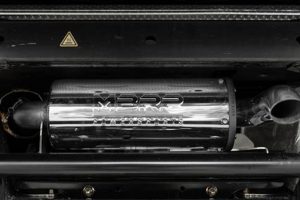
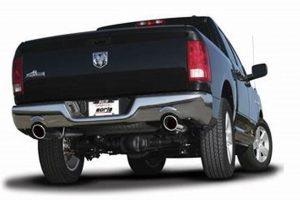
Aftermarket exhaust systems designed for specific truck models, such as the Ram 1500, often involve custom manufacturing processes. These systems frequently replace the original equipment manufacturer (OEM) muffler with a performance-oriented alternative. This modification can be undertaken by specialized fabrication shops that construct exhaust components tailored to individual vehicle specifications.
Upgrading a vehicle’s exhaust system offers potential enhancements in engine performance, including increased horsepower and torque. Historically, modifications to exhaust systems have been popular among vehicle enthusiasts seeking to improve both the sound and operational efficiency of their trucks. The selection of materials and design can influence factors such as exhaust flow, backpressure, and overall system longevity.
The following discussion will delve into the specific considerations regarding material selection, design variations, and installation procedures relevant to performance exhaust upgrades. Further topics will include legal compliance and potential impacts on vehicle emissions.
Installation Considerations for Performance Mufflers
The following outlines essential considerations when upgrading the exhaust system of a Ram 1500 with a performance muffler from a fabrication specialist.
Tip 1: Material Selection. Consider the material composition of the replacement muffler. Stainless steel offers enhanced corrosion resistance compared to aluminized steel, leading to increased lifespan, particularly in regions with harsh weather conditions.
Tip 2: Muffler Design. Evaluate the internal design of the muffler. Chambered designs offer a different sound profile than straight-through designs. The choice depends on the desired exhaust note and performance characteristics.
Tip 3: Diameter Optimization. Ensure the diameter of the exhaust piping is appropriate for the engine’s displacement and intended use. An undersized diameter can restrict exhaust flow, while an excessively large diameter may reduce exhaust velocity, negatively impacting performance.
Tip 4: Welding Quality. Inspect the quality of the welds on the fabricated muffler. Proper welding is critical to prevent exhaust leaks and ensure structural integrity, especially under high-stress conditions.
Tip 5: Hanger Placement. Verify the proper placement and alignment of the muffler hangers. Incorrect placement can introduce excessive stress on the exhaust system, leading to premature failure. Consider the use of reinforced hangers for increased durability.
Tip 6: Backpressure Management. Understand the impact of the replacement muffler on engine backpressure. Excessive backpressure can reduce engine performance, while insufficient backpressure can negatively affect low-end torque. Consulting with a performance specialist is recommended.
Tip 7: Professional Installation. For optimal results and to avoid potential complications, professional installation by a qualified mechanic is advised. This ensures proper fitment, alignment, and leak-free connections.
Careful attention to these details will contribute to a successful exhaust system upgrade, delivering the desired performance enhancements and improved sound characteristics.
The subsequent sections will provide a detailed analysis of various performance muffler options and their suitability for different Ram 1500 applications.
1. Performance Enhancement

The installation of an aftermarket muffler on a Ram 1500, particularly those produced by fabrication specialists, is often motivated by a desire to improve vehicle performance. The degree of enhancement is directly related to the design characteristics and construction quality of the replacement component.
- Exhaust Flow Optimization
Aftermarket mufflers, through optimized internal designs, aim to reduce exhaust backpressure. A less restrictive flow allows the engine to expel exhaust gases more efficiently, potentially increasing horsepower and torque output. The effectiveness of this optimization hinges on the precision of the fabrication process and the selection of appropriate internal muffler configurations.
- Engine Efficiency Improvement
Enhanced exhaust flow can contribute to improved engine efficiency. By reducing the energy required to expel exhaust gases, the engine can allocate more power to driving the vehicle. This improvement may manifest as increased fuel economy under certain driving conditions. The extent of this effect is dependent on the overall exhaust system design and the engine’s operating parameters.
- Weight Reduction
Some aftermarket mufflers are constructed using lighter materials compared to the original equipment. This weight reduction can improve the vehicle’s power-to-weight ratio, contributing to enhanced acceleration and handling characteristics. The selection of materials such as stainless steel or titanium can offer a balance between durability and weight savings.
- Resonance Tuning
Modifying the exhaust system can alter the engine’s resonance characteristics. Certain muffler designs can be employed to minimize undesirable frequencies and enhance the overall sound quality, providing a more pleasing auditory experience without compromising performance. Careful tuning is essential to avoid drone or excessive noise levels.
The potential for performance enhancement from an aftermarket muffler is contingent upon several factors, including the engine’s original design, the quality of the fabrication, and the specific driving conditions. A properly designed and installed muffler, manufactured by a skilled fabrication shop, can contribute to measurable improvements in vehicle performance and driving experience.
2. Sound Customization
Sound customization, in the context of aftermarket exhaust systems such as those potentially fabricated for a Ram 1500, refers to the deliberate alteration of the vehicle’s exhaust note. The substitution of the original equipment muffler with a fabricated alternative provides opportunities to modify the sound profile. The resulting sound is a direct consequence of the muffler’s internal design, dimensions, and the materials employed in its construction. For instance, a chambered muffler design typically produces a deeper, more resonant tone, while a straight-through design often results in a louder, more aggressive sound. The importance of sound customization lies in its appeal to vehicle owners seeking a specific auditory experience. A fabricated muffler allows for a more precise control over the exhaust sound compared to off-the-shelf options. Shops specializing in fabrication can fine-tune the muffler’s internal structure to achieve a desired tone and volume level.
The practical application of sound customization extends beyond mere aesthetics. In some cases, a modified exhaust sound can serve as an indicator of engine performance. A deep, throaty exhaust note is often associated with increased engine power. However, it’s crucial to note that sound customization must adhere to local noise regulations. Fabricated mufflers can be designed to meet these regulations while still providing a desirable sound profile. Furthermore, sound customization impacts the driving experience; a well-tuned exhaust note can enhance the sense of performance and driving pleasure.
In summary, sound customization is a significant aspect of aftermarket exhaust modification, enabling vehicle owners to personalize the auditory characteristics of their Ram 1500. Fabricated mufflers offer a high degree of control over the exhaust sound, allowing for the achievement of a specific tone and volume level while adhering to legal requirements. Understanding the principles of sound customization is essential for selecting or designing a muffler that meets both performance and aesthetic expectations.
3. Material Durability

Material durability is a critical factor in the longevity and performance of any aftermarket muffler, particularly those fabricated for vehicles like the Ram 1500. The selection of materials directly impacts the muffler’s ability to withstand the harsh conditions present in an automotive exhaust system, including high temperatures, corrosive gases, and physical impacts.
- Corrosion Resistance
Exposure to moisture, road salt, and acidic exhaust gases can lead to corrosion, which degrades the muffler’s structural integrity. Stainless steel, particularly grades 304 and 409, offers superior corrosion resistance compared to aluminized steel. In regions with severe winter conditions, the use of stainless steel is often a necessity to ensure a reasonable service life. For example, a muffler constructed from 409 stainless steel might exhibit minimal corrosion after several years of use, while an aluminized steel muffler could show significant rust within the same timeframe.
- Thermal Stability
Exhaust systems experience extreme temperature fluctuations. The chosen material must maintain its mechanical properties at elevated temperatures to prevent warping, cracking, or premature failure. Certain alloys, such as those containing molybdenum or titanium, offer enhanced thermal stability compared to standard stainless steel. A fabricated muffler designed for high-performance applications may incorporate these advanced materials to withstand the increased heat generated by a modified engine.
- Weld Integrity
The quality of the welds is paramount in ensuring the durability of a fabricated muffler. Poorly executed welds can create stress points and introduce pathways for corrosion. Skilled fabricators employ specialized welding techniques, such as TIG welding, to create strong, corrosion-resistant joints. For instance, a muffler with meticulously TIG-welded seams is less likely to experience weld failure compared to one with MIG-welded seams.
- Impact Resistance
Road debris, such as rocks and other objects, can impact the muffler, potentially causing dents, punctures, or structural damage. Thicker gauge materials and reinforced designs can improve the muffler’s resistance to physical impacts. A muffler designed for off-road use may incorporate a skid plate or reinforced outer casing to protect it from damage.
The correlation between material durability and a fabricated muffler for a Ram 1500 is significant. Selecting the appropriate materials and employing proper fabrication techniques are essential for creating a muffler that can withstand the rigors of daily use and provide long-lasting performance. The investment in high-quality materials and skilled fabrication can result in a more durable and reliable exhaust system upgrade.
4. Fabrication Precision
Fabrication precision represents a critical determinant of the performance, durability, and overall quality of an aftermarket muffler, particularly when considering systems custom-made for vehicles like the Ram 1500. The accuracy and consistency achieved during the manufacturing process directly impact the fitment, functionality, and longevity of the exhaust component.
- Dimensional Accuracy
Precise measurements and adherence to design specifications are essential for ensuring proper fitment of the muffler within the vehicle’s exhaust system. Dimensional inaccuracies can lead to leaks, vibrations, and difficulty in installation. For instance, if the inlet and outlet diameters of the fabricated muffler deviate significantly from the original specifications, it may be impossible to achieve a secure and leak-free connection to the existing exhaust piping. Deviation tolerance should be minimal.
- Weld Quality and Consistency
The integrity of the welds is paramount to the structural integrity of the muffler. Consistent weld penetration and bead profile are necessary to prevent premature failure due to stress cracking or corrosion. Inconsistencies in weld quality can create weak points in the muffler’s construction, reducing its ability to withstand the thermal and mechanical stresses of operation. For example, incomplete weld penetration can leave small gaps that allow corrosive gases to attack the base metal, leading to rapid degradation.
- Material Handling and Preparation
Proper material handling and preparation techniques are crucial for ensuring the quality of the finished product. This includes precise cutting, bending, and shaping of the metal components. Inaccurate material preparation can lead to dimensional inaccuracies and increased stress concentrations. For instance, improper bending techniques can create kinks or creases in the metal, weakening its structural integrity and increasing the risk of failure under pressure.
- Repeatability and Consistency in Manufacturing
Consistent manufacturing processes are essential for ensuring that each muffler meets the specified quality standards. Variations in manufacturing processes can lead to inconsistencies in performance, durability, and fitment. The utilization of automated manufacturing equipment and rigorous quality control procedures can minimize these variations. Consistent manufacturing is key, especially with high-volume orders.
The relationship between fabrication precision and the overall quality of a fabricated muffler for a Ram 1500 is direct and consequential. Attention to detail and adherence to stringent manufacturing standards are essential for producing a component that meets the performance, durability, and fitment expectations of the end-user. A precision-fabricated muffler will contribute to improved vehicle performance, enhanced sound characteristics, and increased longevity of the exhaust system.
5. Compatibility Assurance
Compatibility assurance, in the context of aftermarket exhaust components, particularly those fabricated for the Ram 1500, refers to the systematic process of verifying that a replacement muffler will function correctly and safely with the intended vehicle. For systems manufactured by fabrication specialists, ensuring compatibility necessitates a thorough understanding of the vehicle’s exhaust system architecture, including dimensions, mounting points, sensor locations, and electronic control system interactions. The absence of compatibility assurance can result in improper fitment, performance degradation, system malfunction, or even damage to the vehicle. A primary cause of incompatibility arises from variations in model years, engine types, and trim levels within the Ram 1500 lineup; these variations can affect exhaust system configurations. For example, a muffler designed for a 5.7L Hemi engine may not be compatible with a 3.6L Pentastar V6 due to differences in exhaust flow requirements and pipe diameters. Therefore, rigorous verification is necessary.
The practical significance of compatibility assurance extends beyond mere fitment. A properly designed and installed muffler must not interfere with other vehicle components, such as the suspension system, fuel lines, or brake lines. Furthermore, it must not compromise the vehicle’s compliance with emissions regulations. For example, a muffler that alters exhaust backpressure beyond acceptable limits could trigger the vehicle’s check engine light or result in a failed emissions test. Fabrication specialists can employ computer-aided design (CAD) software and physical prototyping to validate the compatibility of their designs before mass production. This process involves creating a virtual model of the vehicle’s exhaust system and simulating the installation of the replacement muffler. Physical prototypes are then tested on actual vehicles to identify and address any potential issues.
In conclusion, compatibility assurance represents an indispensable component of aftermarket exhaust system fabrication for the Ram 1500. It prevents installation difficulties, safeguards against performance degradation or system malfunction, and ensures regulatory compliance. Fabricators need to conduct comprehensive validation through design simulation and physical testing to guarantee the compatibility of their products. The challenges inherent in achieving compatibility assurance underscore the value of engaging with experienced fabrication specialists that prioritize vehicle-specific design and rigorous testing protocols. By prioritizing compatibility, these specialists contribute to a more satisfactory and reliable aftermarket exhaust system upgrade.
Frequently Asked Questions
The following addresses common inquiries regarding aftermarket mufflers for the Ram 1500, with a focus on custom fabricated options.
Question 1: What performance gains can realistically be expected from a b2 fabrication muffler on a Ram 1500?
Performance improvements are contingent upon the specific design of the muffler and the overall exhaust system configuration. While gains of 5-15 horsepower are possible, results may vary depending on engine modifications and tuning.
Question 2: Does installing a b2 fabrication muffler void the Ram 1500’s factory warranty?
The installation of an aftermarket muffler, in and of itself, does not automatically void the factory warranty. However, if the installation or the muffler itself directly causes damage to covered components, the warranty claim may be denied. Consult the vehicle’s warranty documentation for specific details.
Question 3: What is the typical lifespan of a b2 fabrication muffler, and what factors influence its longevity?
The lifespan of a fabricated muffler depends on the materials used and the environmental conditions to which it is exposed. Stainless steel mufflers generally last longer than aluminized steel mufflers. Road salt and harsh weather conditions can accelerate corrosion and reduce lifespan.
Question 4: Are b2 fabrication mufflers legal for street use in all states?
Noise regulations vary by state and locality. It is the vehicle owner’s responsibility to ensure that the aftermarket muffler complies with all applicable noise laws. Some municipalities have decibel limits, and modifications exceeding these limits may result in fines.
Question 5: What are the key considerations when selecting a b2 fabrication shop for a custom muffler?
Key considerations include the shop’s experience, reputation, welding expertise, and ability to provide design consultations. It is advisable to review customer testimonials and inspect examples of their previous work.
Question 6: Can a b2 fabrication muffler be designed to minimize drone inside the Ram 1500’s cabin?
Yes, certain muffler designs, such as those incorporating Helmholtz resonators, can be employed to mitigate drone at specific engine speeds. The effectiveness of these designs depends on precise tuning and fabrication.
The information provided here serves as a general guide and should not be considered definitive legal or technical advice. Consultation with a qualified professional is recommended for specific applications.
The subsequent discussion will explore the long-term cost-effectiveness of investing in a quality fabricated muffler.
Conclusion
The preceding analysis has explored key facets of aftermarket exhaust systems for the Ram 1500, specifically focusing on custom-fabricated muffler options. Considerations regarding performance enhancement, sound customization, material durability, fabrication precision, and compatibility assurance were addressed. The selection and installation of a replacement muffler represent a complex decision-making process, necessitating careful evaluation of individual needs and regulatory requirements.
Ultimately, the suitability of a “b2 fabrication muffler ram 1500” hinges upon a comprehensive understanding of the vehicle’s specifications and the aftermarket component’s design characteristics. Proper execution yields potential improvements in performance and driving experience, whereas inadequate implementation can result in functional deficiencies or regulatory non-compliance. Therefore, informed decision-making and professional installation are paramount for achieving desired outcomes and ensuring long-term satisfaction.