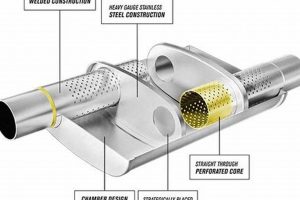
This component, specific to certain outdoor power equipment, serves to reduce the noise produced by the engine’s exhaust. Functionally, it is an integral part of the exhaust system, channeling and dampening the high-pressure pulses generated during the combustion process. For instance, a damaged or deteriorated component will often result in a significantly louder operating volume from the equipment.
Its proper function is essential for operator comfort and compliance with noise regulations, especially in residential areas. Historically, advancements in its design have focused on achieving a balance between noise reduction and minimal impact on engine performance. A well-maintained component contributes to a more pleasant and considerate lawn care experience while also ensuring optimal engine efficiency.
The following sections will address common issues, maintenance procedures, and replacement options related to this crucial part of your lawn care machinery, aiming to provide a comprehensive guide for ensuring optimal performance and longevity.
Maintenance and Longevity Tips
Proper care extends the lifespan and maintains the efficiency of the exhaust noise reduction system. Regular inspection and timely intervention are crucial for optimal performance.
Tip 1: Regular Visual Inspection: Periodically examine the exterior for signs of rust, cracks, or physical damage. Early detection can prevent further deterioration.
Tip 2: Check for Exhaust Leaks: Listen for unusual hissing or popping sounds during operation. Leaks indicate a potential breach in the system, reducing its effectiveness and potentially creating safety hazards.
Tip 3: Ensure Proper Mounting: Verify that mounting brackets and hardware are secure and intact. Vibration can loosen components over time, leading to stress and eventual failure.
Tip 4: Clean Debris Regularly: Remove grass clippings, leaves, and other debris that may accumulate around the component. Buildup can trap moisture and accelerate corrosion.
Tip 5: Consider Protective Coatings: Application of high-temperature paint or protective coatings can provide an additional barrier against rust and corrosion, particularly in harsh environments.
Tip 6: Consult the Operator’s Manual: Refer to the equipment’s manual for specific maintenance recommendations and approved replacement parts. Adherence to manufacturer guidelines ensures compatibility and proper operation.
Tip 7: Seek Professional Assistance: If extensive damage or complex repairs are required, consult a qualified technician. Attempting to repair complex issues without proper knowledge can lead to further damage or safety risks.
Implementing these maintenance practices ensures optimal noise reduction, efficient engine performance, and extended service life, minimizing the need for frequent replacements.
The subsequent sections will detail troubleshooting common problems and outlining the replacement process for the “cub cadet zero turn mower muffler.”
1. Noise Reduction

Noise reduction is a primary function of the component integrated within the exhaust system of Cub Cadet zero turn mowers. The operational process of an internal combustion engine generates significant acoustic energy. Without effective attenuation, this sound can be disruptive to the operator and the surrounding environment. The specifically designed component serves as a barrier and modulator, decreasing the decibel level of the exhaust. Failure of the muffler to perform its function results in elevated noise emissions. Damaged components, corrosion, or internal obstructions compromise noise reduction capabilities. For example, a mower operating without a functional component will produce significantly louder exhaust, exceeding acceptable noise levels in residential areas.
The effectiveness of noise reduction is directly related to the design and integrity of the component. Internal baffles and chambers are strategically placed to disrupt sound waves, causing them to cancel each other out or dissipate energy. Proper maintenance, including regular inspection for rust, cracks, and obstructions, is crucial for sustained performance. Real-world applications demonstrate the value of this. A properly functioning component allows for extended operation in noise-sensitive environments, minimizing disturbances to neighbors and contributing to a more comfortable operating experience. Conversely, a damaged component can result in fines for violating noise ordinances, in addition to the detrimental impact on user comfort and public perception.
In summary, noise reduction is an indispensable element of the component’s functionality. Its efficacy directly impacts the operational environment, regulatory compliance, and operator well-being. The ongoing maintenance and timely replacement of damaged parts are essential for ensuring effective and responsible operation of the equipment. The consequences of neglecting this aspect range from minor inconveniences to significant legal and financial repercussions.
2. Exhaust Flow

Exhaust flow represents a critical parameter governing engine performance and longevity in Cub Cadet zero turn mowers. The component within the exhaust system directly influences this flow, impacting efficiency and the potential for engine damage.
- Restriction and Backpressure
Excessive restriction in the exhaust path elevates backpressure, forcing the engine to work harder to expel combustion gases. This reduced efficiency can lead to diminished power output, increased fuel consumption, and elevated engine temperatures. For example, a clogged component can severely restrict exhaust flow, mimicking the effects of a partially closed exhaust valve and hindering engine performance.
- Component Design and Flow Rate
The internal design of the component impacts its ability to facilitate efficient exhaust flow while simultaneously attenuating noise. A poorly designed component may create turbulence or constrictions, hindering the free flow of gases. This can manifest as a noticeable decrease in power, particularly at higher engine speeds.
- Material Degradation and Blockages
Over time, internal components can degrade due to corrosion or carbon buildup, impeding exhaust flow. Rust flakes or accumulated carbon deposits can partially block the exhaust passage, increasing backpressure and potentially causing engine overheating. This is particularly common in machines used infrequently or those subjected to harsh environmental conditions.
- Impact on Engine Cooling
Restricted exhaust flow can indirectly affect engine cooling. Elevated exhaust backpressure can increase internal engine temperatures, placing a greater burden on the cooling system. This can lead to premature wear of engine components and potentially result in engine seizure. Proper maintenance of the exhaust system is therefore crucial for maintaining optimal engine operating temperatures.
These considerations demonstrate that the design, condition, and maintenance of the exhaust component are inextricably linked to engine performance and longevity. Optimizing exhaust flow through proper maintenance and timely replacement of degraded parts contributes significantly to the overall efficiency and reliability of the Cub Cadet zero turn mower.
3. Material Durability

The long-term performance and reliability of the exhaust noise reduction component in Cub Cadet zero turn mowers are intrinsically linked to the inherent durability of the materials used in its construction. The severe operating environment necessitates materials capable of withstanding high temperatures, corrosive exhaust gases, and physical stresses.
- Corrosion Resistance
Exhaust gases contain acidic compounds that can rapidly corrode materials susceptible to oxidation. The selection of corrosion-resistant alloys, such as aluminized steel or stainless steel, is crucial for prolonging the component’s lifespan. For example, components constructed from standard carbon steel will typically exhibit significantly shorter service lives due to accelerated rusting, especially in humid environments or when exposed to de-icing salts.
- Thermal Stability
The component is exposed to extreme temperature fluctuations during engine operation, ranging from ambient temperature when idle to several hundred degrees Celsius during high-load conditions. Materials must possess high thermal stability to resist deformation, cracking, or weakening due to repeated heating and cooling cycles. Inadequate thermal stability can lead to premature failure and reduced noise reduction effectiveness.
- Vibration Resistance
Engine vibration imposes continuous mechanical stress on the component, particularly at mounting points and welded joints. Materials must exhibit sufficient fatigue strength to withstand these vibrations without developing cracks or fractures. Insufficient vibration resistance can result in structural failure and exhaust leaks, compromising both noise reduction and engine performance.
- Impact Resistance
The component is potentially susceptible to impacts from debris, such as rocks or branches, encountered during mowing operations. Materials must possess adequate impact resistance to prevent punctures or dents that could compromise its structural integrity. Significant damage from impacts can lead to exhaust leaks, reduced noise reduction, and potential safety hazards.
The selection and utilization of durable materials are paramount for ensuring the long-term functionality and reliability of the exhaust system component in Cub Cadet zero turn mowers. Compromises in material quality will inevitably result in reduced service life, increased maintenance requirements, and potential degradation of engine performance and noise reduction capabilities. The inherent material properties directly correlate with the overall effectiveness and longevity of the component within its demanding operating environment.
4. Engine Compatibility

Engine compatibility is paramount to the correct function and lifespan of an exhaust component within a Cub Cadet zero turn mower. A mismatch between the component and the engine can lead to reduced performance, damage to the engine, and potential safety hazards. This relationship is dictated by several factors, including exhaust port size, engine displacement, and backpressure requirements. For instance, installing a component designed for a smaller engine on a larger engine may result in excessive backpressure, hindering exhaust flow and reducing power output. Conversely, using a component designed for a larger engine on a smaller engine may provide insufficient backpressure, leading to poor combustion and increased emissions.
Manufacturers design and engineer these components to function within specific parameters, ensuring optimal engine performance and noise reduction. Deviation from these specifications can cause a variety of problems, including overheating, reduced fuel efficiency, and increased wear on engine components. Proper identification of the engine model and adherence to manufacturer recommendations are critical when selecting a replacement exhaust component. Real-world examples include scenarios where incorrect components caused engines to run lean or rich, leading to damage to spark plugs, pistons, and other vital parts. Utilizing online parts finders and consulting with authorized Cub Cadet dealers can help ensure compatibility and prevent costly mistakes.
In summary, engine compatibility is not merely a matter of physical fit; it involves a complex interplay of engineering factors that directly influence engine health and performance. Understanding the specific requirements of the engine and selecting the appropriate exhaust component is essential for maintaining the operational integrity of the Cub Cadet zero turn mower. Addressing this crucial factor prevents both immediate and long-term issues, safeguarding the investment and ensuring optimal performance.
5. Physical Integrity

The physical integrity of an exhaust system component in a Cub Cadet zero turn mower directly dictates its operational effectiveness and longevity. Breaches in its structure, whether from corrosion, impact damage, or fatigue, compromise its primary functions: noise reduction and efficient exhaust flow. A compromised component loses its capacity to attenuate sound effectively, resulting in increased noise pollution and potential violation of noise ordinances. Furthermore, structural damage can introduce exhaust leaks, which not only diminish engine performance but also pose a safety risk due to the potential for carbon monoxide exposure. Real-life examples include instances where rusted-through components created hazardous conditions, requiring immediate equipment shutdown and costly repairs.
Maintaining physical integrity necessitates routine inspections and preventative measures. Regular cleaning to remove debris, application of rust-inhibiting coatings, and prompt repair of any detected damage are crucial. Ignoring minor structural imperfections can lead to their rapid escalation, culminating in catastrophic failure of the component and potential engine damage. The connection between physical integrity and performance extends beyond mere noise reduction; it directly impacts fuel efficiency, engine temperature regulation, and overall operational safety. A component with compromised physical integrity introduces inefficiencies and risks that can significantly detract from the mower’s value and usability.
In summary, preserving the physical integrity of the exhaust system component is paramount for ensuring the reliable, safe, and environmentally responsible operation of a Cub Cadet zero turn mower. Neglecting this aspect not only compromises its functionality but also introduces potential hazards and increases the likelihood of costly repairs or replacements. The consistent practice of preventive maintenance and timely intervention is essential for maximizing the component’s lifespan and maintaining the mower’s optimal performance.
6. Regulatory Compliance

Regulatory compliance pertaining to outdoor power equipment, including Cub Cadet zero turn mowers, encompasses noise emission standards established by federal, state, and local governing bodies. The exhaust system component plays a critical role in ensuring adherence to these regulations, directly impacting the legality and operational acceptance of the machinery.
- EPA Noise Regulations
The Environmental Protection Agency (EPA) sets national standards for noise emissions from small engines. The component is engineered to reduce exhaust noise to levels that comply with these regulations. Manufacturers must demonstrate compliance through testing and certification processes. Non-compliance can result in fines, product recalls, and restrictions on sales. For example, a mower exceeding EPA noise limits may be prohibited from sale or use in specific jurisdictions.
- State and Local Ordinances
Many states and municipalities have their own noise ordinances that further regulate the permissible noise levels from outdoor power equipment. These regulations often specify time-of-day restrictions and maximum decibel levels allowed in residential areas. The component is essential for enabling operators to use their equipment without violating these local laws. A deteriorated or improperly functioning component can cause the mower to exceed local noise limits, leading to warnings, fines, or even equipment seizure.
- International Standards
For mowers sold internationally, compliance with noise emission standards set by organizations such as the European Union (EU) is necessary. These standards often differ from those in the United States, requiring manufacturers to design and test the component to meet diverse regulatory requirements. Failure to comply with international standards can prevent the sale of mowers in specific foreign markets.
- Enforcement and Penalties
Enforcement of noise regulations is typically carried out by local law enforcement agencies or environmental protection departments. Violations can result in warnings, fines, or legal action against the operator or equipment owner. The presence of a functioning, compliant component is a key factor in determining whether a mower meets the applicable noise emission standards. Routine inspections and proactive maintenance of the exhaust system can help ensure ongoing compliance and avoid potential penalties.
These regulatory facets underscore the importance of maintaining the proper functioning of the exhaust system component. Non-compliance not only carries legal and financial consequences but also contributes to noise pollution, negatively impacting community well-being. Therefore, understanding and adhering to applicable noise regulations is essential for responsible operation of Cub Cadet zero turn mowers.
Frequently Asked Questions
The following section addresses common inquiries regarding the exhaust noise reduction component found in Cub Cadet zero turn mowers. These answers aim to provide clarity on essential aspects of maintenance, performance, and compatibility.
Question 1: What are the primary indicators of a failing component?
Elevated exhaust noise levels, visible rust or physical damage, and decreased engine performance are telltale signs of a compromised unit. A hissing sound near the exhaust suggests a leak that warrants immediate attention.
Question 2: How often should the component be inspected?
Visual inspections should be conducted at least monthly, or more frequently under heavy usage. A thorough examination for corrosion and structural integrity is recommended annually.
Question 3: Can a generic component be used as a replacement?
While generic options may exist, the use of genuine Cub Cadet parts is strongly advised. These are engineered to meet specific engine requirements, ensuring optimal performance and compatibility. Generic parts may compromise engine efficiency and noise reduction effectiveness.
Question 4: Does backpressure affect engine performance?
Yes. Excessive backpressure, often caused by a clogged or damaged component, can reduce engine power and fuel efficiency. Conversely, insufficient backpressure can lead to poor combustion and increased emissions. Maintaining optimal exhaust flow is critical.
Question 5: Are there any safety precautions to consider when replacing the component?
Allow the engine to cool completely before commencing any work on the exhaust system. Disconnect the spark plug wire to prevent accidental starting. Wear appropriate safety gear, including gloves and eye protection.
Question 6: What are the consequences of operating with a non-compliant component?
Operating with a component that exceeds permissible noise levels can result in fines, warnings, or restrictions on equipment usage. Furthermore, it contributes to noise pollution and may violate local noise ordinances.
Proper maintenance and timely replacement of the component ensure optimal engine performance, noise reduction, and regulatory compliance. Neglecting these aspects can lead to operational inefficiencies and potential legal ramifications.
The subsequent sections will provide a detailed guide on troubleshooting common issues related to the Cub Cadet zero turn mower exhaust system.
Conclusion
The preceding examination of the cub cadet zero turn mower muffler has underscored its multifaceted role in equipment performance, regulatory adherence, and operator well-being. The component’s impact extends beyond simple noise reduction, influencing engine efficiency, emissions control, and long-term durability. A thorough understanding of its functionality, maintenance requirements, and compatibility factors is crucial for maximizing the mower’s lifespan and operational effectiveness.
Considering the intricate interplay of factors discussed, prioritizing the proper maintenance and timely replacement of the cub cadet zero turn mower muffler represents a sound investment. Adherence to manufacturer guidelines and proactive inspection protocols will not only ensure compliance with noise regulations but also contribute to a more sustainable and responsible approach to lawn care. The continued emphasis on these practices will safeguard the equipment’s performance and minimize environmental impact.
![Kenz Muffler Oxnard: [Year] Best Muffler Shop Near You | Best Mufflers for Cars & Trucks | Performance, Sound & Durability Upgrades](https://dnamufflers.com/wp-content/uploads/2026/09/th-82-300x200.jpg "Kenz Muffler Oxnard: [Year] Best Muffler Shop Near You Best Mufflers for Cars & Trucks | Performance, Sound & Durability Upgrades")