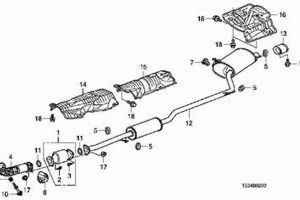
The designation refers to skilled professionals specializing in the repair, replacement, and maintenance of vehicle exhaust systems. These individuals possess in-depth knowledge of various exhaust components, including manifolds, catalytic converters, resonators, and tailpipes. Their expertise extends to diagnosing issues, recommending appropriate solutions, and executing repairs with precision. For instance, a technician adept at welding and pipe bending would be considered within this category, capable of fabricating custom exhaust solutions.
Proficiency in this area is crucial for ensuring optimal vehicle performance, fuel efficiency, and adherence to emissions regulations. Historically, the demand for such specialized skills has grown alongside the increasing complexity of automotive technology and stricter environmental standards. Consequently, competent specialists contribute significantly to extending vehicle lifespan, minimizing environmental impact, and ensuring driver safety through proper exhaust system functionality.
The following sections will delve into specific aspects of exhaust system diagnostics, repair techniques, component selection, and the evolving landscape of exhaust system technology, providing a detailed understanding of the field.
Expert Guidance on Exhaust System Maintenance
The following recommendations, derived from experienced exhaust system technicians, aim to provide vehicle owners with actionable insights for maintaining optimal exhaust system health and performance.
Tip 1: Conduct Regular Visual Inspections: Periodically examine the exhaust system for signs of rust, corrosion, or physical damage. Pay close attention to joints, hangers, and welds, as these areas are particularly susceptible to failure.
Tip 2: Listen for Unusual Noises: Changes in exhaust sound, such as rattling, hissing, or roaring, can indicate potential issues. Address any abnormal sounds promptly to prevent further damage.
Tip 3: Address Minor Issues Immediately: Small leaks or loose components should be repaired without delay. Neglecting minor problems can lead to more extensive and costly repairs in the future.
Tip 4: Utilize Quality Replacement Parts: When replacing exhaust components, opt for reputable brands that meet or exceed original equipment manufacturer (OEM) specifications. Inferior parts may compromise performance and longevity.
Tip 5: Ensure Proper Installation: Exhaust system components must be installed correctly to prevent leaks and ensure optimal functionality. Seek professional assistance if unsure about the installation process.
Tip 6: Monitor Fuel Efficiency: A decline in fuel economy can be a symptom of exhaust system problems. Investigate potential causes, such as a clogged catalytic converter or exhaust leaks.
Tip 7: Protect Against Corrosion: In regions with harsh winter conditions or heavy road salt usage, consider applying rust-inhibiting coatings to the exhaust system to prolong its lifespan.
Adherence to these guidelines can significantly extend the life of the exhaust system, minimize the risk of costly repairs, and ensure continued vehicle performance and compliance with emissions standards.
The following sections will delve into more specific aspects of exhaust system diagnosis and repair, building upon the foundation established by these expert recommendations.
1. Diagnostics

The accurate diagnosis of exhaust system issues forms a cornerstone of the skill set of proficient exhaust technicians. Their ability to effectively identify problems, from minor leaks to catastrophic failures, dictates the efficacy of subsequent repairs and overall system performance. Consider, for instance, a vehicle exhibiting reduced fuel economy and a noticeable decrease in power. A technician, utilizing diagnostic tools such as exhaust gas analyzers and pressure gauges, can pinpoint a clogged catalytic converter as the root cause. Without this precise diagnostic capability, the repair process would be based on guesswork, potentially leading to unnecessary component replacements and unresolved performance issues.
Furthermore, the diagnostic process often involves visual inspections, auditory assessments, and the interpretation of sensor data. Exhaust leaks, for example, may be detected through careful listening and visual identification of soot deposits. Complex problems, such as internal muffler baffle failures, require specialized equipment, like bore scopes, to assess the internal condition of components without dismantling the entire system. In another scenario, a check engine light triggered by an oxygen sensor malfunction necessitates an understanding of sensor readings and their relationship to exhaust gas composition. Failure to accurately interpret this data could result in replacing a functional sensor while the actual problem lies elsewhere, such as an exhaust leak upstream of the sensor.
In conclusion, the diagnostic acumen of an exhaust specialist is paramount to efficient and cost-effective vehicle maintenance. Their expertise in identifying the precise cause of exhaust system malfunctions allows for targeted repairs, minimizing unnecessary expenses and ensuring optimal vehicle performance. Accurate diagnostics contributes directly to reduced emissions, improved fuel economy, and extended vehicle lifespan. The ability to effectively diagnose and rectify exhaust system problems, coupled with the use of appropriate tools and techniques, therefore underscores the critical importance of diagnostic skills in this specialized field.
2. Repair

Effective repair represents a core function within the domain of exhaust system specialists. The ability to diagnose and rectify issues related to mufflers, exhaust pipes, catalytic converters, and related components defines a significant portion of their daily activities. Repair encompasses a wide array of tasks, ranging from welding small leaks in exhaust pipes to replacing damaged mufflers or catalytic converters. It is a direct response to the inevitable wear and tear experienced by these systems due to constant exposure to high temperatures, corrosive elements, and physical stress. For example, a vehicle operating in a region with heavy road salt usage is prone to accelerated corrosion of its exhaust system components, necessitating frequent repair interventions.
The significance of exhaust system repair extends beyond simply restoring functionality. A properly functioning exhaust system is essential for optimal engine performance, fuel efficiency, and emissions control. Neglecting necessary repairs can lead to reduced engine power, increased fuel consumption, and elevated levels of harmful pollutants. Consider a situation where a catalytic converter is failing to function properly. A proficient technician can diagnose the issue and either repair the existing converter (if possible) or replace it with a new one, thereby restoring the vehicle’s emissions control capabilities and preventing potential fines or inspection failures. Furthermore, skilled repair techniques, such as precise welding and pipe bending, ensure a secure and leak-free connection between exhaust components, maximizing system efficiency and minimizing noise pollution.
In conclusion, repair is an indispensable element in the expertise of individuals working on exhaust systems. Their ability to accurately diagnose, expertly execute repairs, and ensure the long-term reliability of these systems is crucial for maintaining vehicle performance, environmental compliance, and driver safety. The continuous demand for repair services highlights the importance of this specific skill set and its direct connection to the overall competency associated with exhaust system specialists.
3. Replacement
The necessity for component replacement is an inherent aspect of vehicle exhaust system maintenance and a critical function for specialists in this field. Wear and tear, corrosion, and accidental damage often necessitate the removal and substitution of exhaust system parts to maintain optimal vehicle performance and regulatory compliance.
- Component Degradation and Material Fatigue
Exhaust systems are subjected to extreme temperatures, corrosive gases, and physical stress, leading to the gradual degradation of components. Mufflers, for instance, may rust internally, causing reduced sound suppression and potential exhaust leaks. Catalytic converters can become clogged or poisoned, diminishing their ability to control emissions. Replacement becomes essential when the integrity of these components is compromised beyond repair, ensuring continued adherence to emission standards and maintaining vehicle operability.
- Accidental Damage and Road Hazards
Exhaust systems are vulnerable to damage from road debris, collisions, and off-road driving. A direct impact can crush an exhaust pipe, rupture a muffler, or fracture a catalytic converter. In such instances, replacement is often the most efficient and cost-effective solution. Selecting appropriate replacement parts that meet or exceed original equipment manufacturer (OEM) specifications is crucial to maintaining vehicle performance and longevity.
- Performance Enhancement and System Upgrades
Replacement is not solely limited to addressing damage or wear. Vehicle owners may opt to replace exhaust components to enhance performance, improve fuel economy, or alter the vehicle’s sound. Aftermarket exhaust systems offer various options for optimizing exhaust flow, reducing backpressure, and achieving a desired exhaust note. These upgrades, while not strictly necessary for maintaining basic functionality, represent a significant segment of the replacement market.
- Regulatory Compliance and Emission Standards
Increasingly stringent emission regulations necessitate the replacement of exhaust components, particularly catalytic converters, to ensure vehicle compliance. Failure to meet emission standards can result in fines, failed inspections, and restrictions on vehicle usage. Replacement with compliant components is, therefore, a critical aspect of maintaining legal and environmentally responsible vehicle operation.
The decision to replace an exhaust system component hinges on a careful assessment of its condition, performance, and regulatory requirements. Specialists in this field must possess the knowledge and skills to accurately diagnose issues, recommend appropriate replacement parts, and execute the replacement process efficiently and effectively, ensuring continued vehicle performance and adherence to relevant standards.
4. Customization

Customization represents a significant and multifaceted aspect of exhaust system services, frequently sought by vehicle owners desiring enhanced performance, specific aesthetic qualities, or a distinct sound profile. The ability to tailor exhaust systems to meet individual preferences and vehicle-specific requirements necessitates a high level of technical expertise and specialized skills.
- Performance Enhancement
Modification of exhaust systems can optimize engine performance by reducing backpressure and improving exhaust gas flow. This may involve replacing stock components with aftermarket headers, high-flow catalytic converters, or free-flowing mufflers. Technicians undertaking such modifications must possess a thorough understanding of engine dynamics and exhaust gas behavior to ensure that the changes result in tangible performance gains without compromising engine reliability or emissions compliance. For instance, a performance exhaust system installed on a sports car aims to increase horsepower and torque, resulting in improved acceleration and responsiveness.
- Aesthetic Modifications
Customization extends beyond performance enhancements to encompass aesthetic alterations. This includes selecting specific exhaust tip designs, finishes (such as chrome, black, or polished stainless steel), and the overall routing of the exhaust system. The goal is to achieve a visually appealing appearance that complements the vehicle’s style. Examples include custom-fabricated exhaust exits, side-exit exhaust systems on trucks, and decorative exhaust tips on luxury vehicles. Aesthetic customizations require attention to detail and a clear understanding of design principles to ensure a cohesive and aesthetically pleasing final product.
- Sound Profile Tuning
Modifying the exhaust system is a primary method for altering a vehicle’s sound profile. This can range from a subtle enhancement of the exhaust note to a significantly louder and more aggressive sound. The choice of muffler type, pipe diameter, and the presence or absence of resonators all contribute to the final sound characteristics. Experienced technicians can advise clients on the optimal combination of components to achieve their desired sound without exceeding legal noise limits. An example is the installation of a performance muffler on a muscle car to produce a deep, rumbling exhaust note.
- Vehicle-Specific Adaptations
Certain vehicles may require customized exhaust solutions due to unique chassis configurations, engine swaps, or other modifications. Specialists may need to fabricate custom exhaust headers, adjust pipe routing to accommodate aftermarket suspension components, or create entirely new exhaust systems from scratch. Such adaptations demand advanced fabrication skills, including welding, pipe bending, and the ability to work with various materials. An example is a custom exhaust system designed for a classic car with a non-standard engine swap, ensuring proper fitment and optimal exhaust flow.
The multifaceted nature of customization underscores the value of skilled exhaust system specialists. Their expertise in performance tuning, aesthetic design, sound engineering, and custom fabrication ensures that vehicle owners can achieve their desired results while maintaining vehicle reliability and compliance with applicable regulations. The ability to provide bespoke exhaust solutions solidifies the importance of specialized knowledge and craftsmanship in this area.
5. Emissions Compliance

Adherence to established emissions standards constitutes a paramount responsibility for professionals engaged in exhaust system maintenance and modification. Governmental regulations mandate specific limits on the release of pollutants, such as hydrocarbons, carbon monoxide, and nitrogen oxides, from vehicle exhaust. Failure to comply with these regulations can result in legal penalties for both vehicle owners and repair facilities. Consequently, the expertise of exhaust system specialists is intrinsically linked to ensuring that vehicles meet these stringent emissions requirements. A malfunctioning catalytic converter, for instance, will lead to elevated levels of pollutants in the exhaust stream, causing a vehicle to fail an emissions test. Technicians must possess the knowledge to diagnose such issues accurately and implement appropriate repairs or replacements, such as installing a new, compliant catalytic converter or addressing exhaust leaks that compromise the system’s effectiveness.
Further emphasizing the importance of emissions compliance, consider the practical implications of modifying an exhaust system for performance enhancement. While aftermarket exhaust systems may offer increased horsepower or a more aggressive sound, they must not compromise the vehicle’s emissions control systems. Removing or disabling a catalytic converter, for example, is a direct violation of environmental regulations and will result in significantly increased pollutant emissions. Responsible specialists must guide clients towards modifications that comply with emissions standards, such as selecting performance parts that are certified to meet or exceed OEM emissions performance. This frequently involves using catalytic converters with equivalent or superior efficiency compared to the original equipment.
In summary, emissions compliance is not merely a legal obligation but an integral component of responsible vehicle maintenance and modification. Exhaust system specialists play a crucial role in ensuring that vehicles meet these standards, contributing to cleaner air and a healthier environment. This requires a comprehensive understanding of emissions regulations, diagnostic capabilities, and the ability to implement compliant repair and modification strategies. Challenges in this area include the increasing complexity of emissions control systems and the emergence of aftermarket parts that may not meet claimed performance standards. Therefore, ongoing training and adherence to best practices are essential for professionals operating in this field to navigate these complexities effectively.
Frequently Asked Questions
The following questions address common inquiries regarding exhaust systems and the services provided by exhaust system specialists.
Question 1: What constitutes a typical exhaust system inspection?
A comprehensive inspection includes a visual assessment for rust, corrosion, and physical damage; auditory evaluation for leaks or unusual noises; and, when necessary, computerized diagnostics to assess catalytic converter efficiency and sensor functionality.
Question 2: How frequently should a vehicle’s exhaust system be inspected?
It is recommended to inspect the exhaust system at least annually, or more frequently in regions with harsh winter conditions or high road salt usage.
Question 3: What are common indicators of a failing catalytic converter?
Symptoms may include reduced fuel economy, decreased engine performance, a sulfurous odor, and illumination of the “check engine” light.
Question 4: Is it permissible to remove a vehicle’s catalytic converter?
Removal of a catalytic converter is generally illegal and results in increased emissions of harmful pollutants, potentially leading to fines and failed emissions inspections.
Question 5: What factors influence the lifespan of an exhaust system?
Lifespan is affected by driving conditions, climate, road salt exposure, vehicle maintenance practices, and the quality of exhaust system components.
Question 6: What distinguishes a high-quality replacement muffler from a low-quality one?
Superior mufflers typically feature thicker gauge steel, corrosion-resistant coatings, and improved internal designs for optimal sound suppression and longevity.
These answers offer a general overview. Specific circumstances may warrant further consultation with a qualified exhaust system technician.
The following section will provide information on selecting a suitable exhaust system specialist.
Conclusion
The preceding analysis has illuminated the multifaceted nature of exhaust system maintenance and modification. It has underscored the critical roles of diagnostics, repair, replacement, customization, and emissions compliance in ensuring optimal vehicle performance, longevity, and adherence to regulatory standards. The proficient execution of these functions demands a specialized skillset and a deep understanding of exhaust system dynamics, materials science, and applicable environmental regulations. Individuals possessing this comprehensive expertise, often referred to as muffler masters, are essential for maintaining the operational integrity and environmental responsibility of modern vehicles.
As automotive technology continues to evolve and emissions regulations become increasingly stringent, the demand for skilled exhaust system specialists will only intensify. Vehicle owners and fleet managers are encouraged to seek out qualified professionals who possess the requisite knowledge, experience, and certifications to provide reliable and compliant services. Proactive maintenance, coupled with expert repairs and responsible modifications, ensures both the continued performance of vehicles and the minimization of their environmental impact.