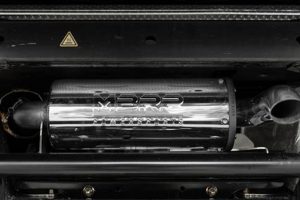
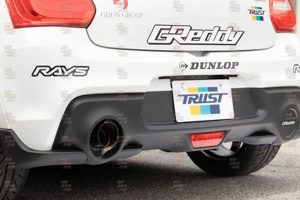
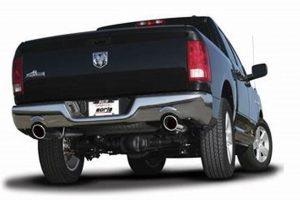
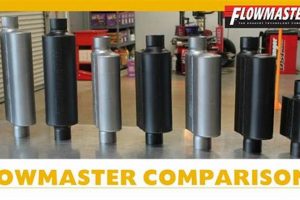
An exhaust component designed to reduce the acoustic intensity of internal combustion engine emissions is a crucial element in vehicle operation. This component typically achieves sound attenuation through a combination of sound absorption, reflection, and interference within a specifically designed chamber. As an example, a failing system can significantly increase the decibel level produced by a vehicle, disrupting both the operator and the surrounding environment.
The functional integrity of this system contributes substantially to regulatory compliance regarding noise pollution. Effective sound dampening enhances the driving experience by minimizing undesirable noise levels within the vehicle cabin. Furthermore, the historical development of these components reflects an ongoing effort to balance effective noise reduction with minimal impact on engine performance and fuel efficiency.
The subsequent sections will delve into specific aspects of exhaust system technology, covering maintenance procedures, common failure modes, and the impact of material science on system longevity and performance. Further analysis will address the economic considerations surrounding repair and replacement options, along with a comparison of aftermarket alternatives.
Maintenance and Longevity Tips
Prolonging the operational lifespan and maintaining the performance of an exhaust noise reduction system requires adherence to established maintenance practices and a proactive approach to identifying potential issues.
Tip 1: Regular Visual Inspection: Periodically examine the system for signs of corrosion, physical damage (dents, cracks), and loose connections. Early detection of these issues can prevent more extensive and costly repairs.
Tip 2: Monitor for Unusual Noises: Changes in exhaust tone, such as rattling or hissing sounds, may indicate internal component failure or exhaust leaks. Investigate these sounds promptly.
Tip 3: Address Rust Promptly: Surface rust should be addressed immediately to prevent it from escalating into more significant structural weakening. Application of rust inhibitors or protective coatings can extend the lifespan of the system.
Tip 4: Ensure Proper Hanger Support: Verify that the exhaust system hangers are intact and properly supporting the system’s weight. Damaged or missing hangers can lead to stress fractures and premature failure.
Tip 5: Avoid Short Trips: Frequent short trips can contribute to internal condensation buildup, accelerating corrosion. When possible, allow the engine to reach operating temperature, which aids in evaporating moisture from the system.
Tip 6: Use Quality Replacement Parts: When replacement becomes necessary, opt for components manufactured to original equipment (OE) specifications or those from reputable aftermarket suppliers. Lower-quality alternatives may have shorter lifespans.
By implementing these preventative measures, individuals can significantly extend the operational life of their vehicle’s exhaust noise reduction system, ensuring continued compliance with noise regulations and a more comfortable driving experience.
The following sections will explore common repair procedures and diagnostic techniques related to exhaust systems.
1. Service Specialization

Service specialization, within the context of exhaust systems and specifically concerning a business such as “chucks muffler,” refers to the depth and breadth of expertise a service provider possesses regarding these systems. This specialization directly influences the quality, efficiency, and effectiveness of repairs and maintenance performed.
- Diagnostic Precision
A specialized service focuses on accurate problem identification. Technicians possess advanced diagnostic tools and in-depth knowledge of exhaust system intricacies, enabling quicker and more accurate assessments of issues, minimizing unnecessary part replacements and associated costs.
- Targeted Repair Procedures
Service specialization allows for the application of targeted repair procedures. Rather than generic approaches, repairs are tailored to the specific make, model, and condition of the exhaust system, ensuring optimal performance and longevity. This might include specialized welding techniques for exhaust pipe repairs or intricate knowledge of catalytic converter functionality.
- Component Expertise
Specialized services demonstrate comprehensive component knowledge. This includes understanding the nuances of different muffler designs, catalytic converter efficiency, and sensor functionality, allowing for informed decisions regarding replacement parts and performance upgrades. They are able to differentiate between high-quality, long-lasting components and substandard alternatives.
- Equipment and Tooling Proficiency
Specialization often entails investment in specific tools and equipment necessary for precise and efficient work on exhaust systems. This may range from specialized welding equipment for exhaust repair to diagnostic tools for emissions testing. Technicians are trained and proficient in the use of these tools, leading to higher-quality repairs.
In summary, service specialization at a business like “chucks muffler” translates to enhanced diagnostic accuracy, precisely tailored repair procedures, in-depth component knowledge, and specialized tooling proficiency. These elements collectively contribute to superior service quality, customer satisfaction, and the overall longevity of exhaust systems entrusted to their care. It’s more than just fixing a problem; it’s about understanding the system and applying expertise for optimal results.
2. Customer Satisfaction

Customer satisfaction functions as a crucial metric for evaluating the success and reputation of any service-oriented business. In the context of “chucks muffler,” it reflects the degree to which the business meets or exceeds customer expectations regarding the quality, reliability, and overall experience of their services.
- Service Quality and Reliability
The fundamental driver of customer satisfaction is the perceived quality and reliability of the services provided. This includes the effectiveness of repairs, the durability of installed components, and the prevention of recurring issues. A customer experiencing a swift and permanent resolution to their exhaust system problem is more likely to express satisfaction. Consistent service failures, on the other hand, erode trust and negatively impact satisfaction levels.
- Communication and Transparency
Clear and transparent communication is integral to a positive customer experience. This encompasses providing accurate estimates, explaining the nature of the problem and the proposed solution in understandable terms, and proactively informing customers of any unexpected delays or changes. A lack of transparency or misleading information can significantly diminish customer satisfaction, even if the technical service is performed adequately.
- Pricing and Value Perception
While cost is a factor, customer satisfaction is more closely linked to the perceived value for money. A customer may be satisfied with a higher-priced service if they believe it delivers superior quality, reliability, and longevity compared to a cheaper alternative. Conversely, even a low-priced service can result in dissatisfaction if the quality is poor or the service fails to meet basic expectations.
- Timeliness and Convenience
The timeliness and convenience of the service contribute significantly to the overall customer experience. Prompt service, flexible scheduling options, and a convenient location can enhance customer satisfaction, especially for individuals with time constraints. Delays, inflexible scheduling, or an inconvenient location can detract from the overall experience, even if the technical aspects of the service are satisfactory.
In essence, customer satisfaction for “chucks muffler” relies on a convergence of service quality, transparent communication, perceived value, and service convenience. Positive outcomes across these areas cultivate customer loyalty, enhance the business’s reputation through positive word-of-mouth referrals, and contribute to long-term sustainability.
3. Pricing Transparency

Pricing transparency, in the context of automotive repair services provided by an entity such as “chucks muffler,” represents the degree to which cost information is openly communicated to customers prior to service commencement. The absence of this transparency can lead to distrust, financial strain for customers, and reputational damage for the service provider. A direct cause-and-effect relationship exists: clear, upfront pricing often results in heightened customer trust and positive reviews, while hidden fees or unexpected charges typically produce dissatisfaction and negative feedback. A vital component of building a credible reputation, price transparency enables customers to make informed decisions about their vehicle maintenance needs.
Consider, for example, a customer requesting an exhaust system repair. Pricing transparency dictates that “chucks muffler” should provide a detailed estimate outlining the cost of parts, labor, and any associated fees. This estimate should be presented in a manner easily understood by the customer, avoiding technical jargon or vague descriptions. If, during the repair process, unforeseen issues arise that necessitate additional work, the customer should be immediately informed and provided with a revised estimate. Failure to adhere to these principles can result in disputes, damaged relationships, and potential legal action.
Ultimately, price transparency serves as a cornerstone of ethical business practice. By prioritizing open communication and fair pricing, “chucks muffler” can foster customer loyalty, establish a strong market presence, and ensure long-term sustainability. The challenge lies in consistently implementing transparent pricing practices across all customer interactions and proactively addressing any pricing-related concerns that may arise.
4. Repair Warranty
A repair warranty, offered by an automotive service provider such as “chucks muffler,” serves as a contractual guarantee to the customer regarding the quality and durability of the repair work performed. This warranty provides a specific period of protection against defects in workmanship or materials related to the service rendered. Its existence and scope are critical factors in establishing customer confidence and influencing purchasing decisions.
- Scope of Coverage
The scope of coverage defines the specific aspects of the repair that are protected under the warranty. This may include coverage for parts replaced during the repair, the labor involved in the installation, and any consequential damage resulting from a covered defect. For example, a warranty may cover the cost of replacing a faulty muffler installed by “chucks muffler” within a specified time frame and may also cover the labor required for the replacement. However, the warranty may exclude damage caused by external factors, such as accidents or misuse.
- Duration of Warranty
The duration of the warranty specifies the period of time during which the warranty coverage is active. This period is typically expressed in terms of months or years and may also be subject to mileage limitations. For instance, “chucks muffler” might offer a 12-month warranty on muffler installations, with a mileage limit of 12,000 miles, whichever occurs first. The duration of the warranty directly impacts its value to the customer, with longer durations generally providing greater peace of mind.
- Claim Procedures
Claim procedures outline the steps a customer must take to initiate a warranty claim in the event of a covered defect. These procedures may involve providing proof of purchase, documenting the nature of the defect, and returning the vehicle to “chucks muffler” for inspection and repair. Clearly defined claim procedures facilitate a smooth and efficient resolution process, enhancing customer satisfaction and minimizing potential disputes. Ambiguous or cumbersome claim procedures can deter customers from utilizing the warranty, diminishing its perceived value.
- Limitations and Exclusions
Limitations and exclusions specify the circumstances under which the warranty coverage may be voided or limited. These may include exclusions for damage caused by improper maintenance, modifications to the vehicle, or use of non-approved parts. “Chucks muffler” might exclude warranty coverage if the customer has altered the exhaust system after the initial repair. Clearly articulated limitations and exclusions prevent misunderstandings and ensure that the warranty terms are fairly applied to all customers.
In summation, a repair warranty offered by “chucks muffler” is a multifaceted commitment that hinges on its defined scope, duration, procedural clarity, and explicitly stated limitations. This guarantee is not merely a formality; it reflects a commitment to quality workmanship and customer satisfaction. Its effective communication and fair implementation are paramount to its success as a trust-building tool. Furthermore, the existence of a solid warranty program can elevate the market position of the service provider, attracting customers who prioritize reliability and long-term value.
5. Technical Expertise

Technical expertise, in the context of “chucks muffler,” represents the depth of knowledge and practical skill possessed by its technicians in diagnosing, repairing, and maintaining exhaust systems. The level of technical expertise directly impacts the quality of service provided and, consequently, customer satisfaction. For instance, a technician with limited understanding of catalytic converter functionality might misdiagnose a failing converter as a simple oxygen sensor issue, leading to a temporary, ineffective, and ultimately more costly repair. Conversely, a technician possessing comprehensive knowledge can accurately identify the root cause of the problem and implement a durable solution.
The practical significance of this expertise manifests in various ways. Properly diagnosing exhaust leaks requires understanding the complex interplay of pressure, temperature, and material properties. Welding techniques appropriate for different exhaust system materials (steel, stainless steel, aluminum) necessitate specialized skills. Furthermore, modern vehicles incorporate sophisticated emissions control systems that require diagnostic tools and a thorough understanding of engine management principles. “Chucks muffler” benefits when its technicians stay up-to-date with these advancements, attending training programs and acquiring certifications related to exhaust system technology. A real-world example would be a technician adept at using an exhaust gas analyzer to precisely pinpoint the source of excessive emissions, allowing for targeted repairs and ensuring compliance with environmental regulations.
In summary, technical expertise is a fundamental pillar of “chucks muffler’s” operational effectiveness. It ensures accurate diagnoses, efficient repairs, and adherence to industry standards. The challenge lies in consistently cultivating and maintaining this expertise through ongoing training and investment in advanced diagnostic tools. This ultimately translates to enhanced customer trust, positive word-of-mouth referrals, and a competitive advantage in the automotive repair market.
6. Location Accessibility

Location accessibility is a critical factor influencing the operational success and customer base of any business dependent on local clientele, including automotive service providers such as “chucks muffler.” The geographic convenience for prospective customers directly impacts the likelihood of service utilization. A shop situated in a readily accessible location, characterized by proximity to major thoroughfares, ease of navigation, and ample parking, inherently possesses a competitive advantage over those situated in more remote or challenging-to-reach locales. This accessibility translates to reduced travel time and minimized inconvenience for customers, factors which significantly contribute to service selection.
The practical significance of this understanding is exemplified by considering the potential impact of various location scenarios. A “chucks muffler” location situated near a busy commuter route, for instance, is likely to attract customers seeking quick repairs or maintenance during their daily travels. Conversely, a location tucked away in an industrial park, requiring significant detours and potentially limited parking, may deter customers despite the quality of service offered. This effect is amplified for emergency repairs; a readily accessible shop allows for rapid response to urgent vehicle malfunctions, minimizing disruption for the customer. Real-world examples abound, demonstrating that automotive service businesses located near residential areas or commercial centers often experience higher foot traffic and greater customer loyalty.
In summary, location accessibility forms a cornerstone of “chucks muffler’s” ability to attract and retain customers. The strategic placement of the business, coupled with convenient access for vehicular traffic, directly influences its market reach and operational efficiency. While service quality and pricing remain important factors, the initial hurdle of accessibility must be overcome to even provide the opportunity for those factors to be evaluated. The challenge lies in balancing optimal location considerations with other business constraints, such as lease costs and zoning regulations, to maximize customer convenience and ensure long-term sustainability.
Frequently Asked Questions Regarding Exhaust Systems
The following section addresses common inquiries and concerns related to exhaust system maintenance, repair, and functionality. These responses are intended to provide clarity and promote informed decision-making.
Question 1: What are the primary indicators of a failing exhaust system?
Increased engine noise, decreased fuel efficiency, the presence of unusual vibrations, and the illumination of the check engine light are all potential indicators of exhaust system malfunctions.
Question 2: How frequently should an exhaust system be inspected?
A comprehensive exhaust system inspection is recommended at least annually or whenever vehicle performance anomalies are observed.
Question 3: Can minor exhaust leaks be safely ignored?
No. Even seemingly minor exhaust leaks can compromise fuel efficiency, introduce harmful emissions into the passenger compartment, and potentially damage other vehicle components.
Question 4: What is the average lifespan of a muffler?
Muffler lifespan is heavily influenced by driving conditions, environmental factors, and material quality. However, a typical muffler lifespan ranges from five to seven years.
Question 5: Are aftermarket exhaust systems more advantageous than factory-installed systems?
Aftermarket exhaust systems may offer performance enhancements or aesthetic modifications, but their suitability depends on individual needs and adherence to emissions regulations. Careful consideration of these factors is essential.
Question 6: What are the potential consequences of operating a vehicle with a significantly damaged exhaust system?
Operating a vehicle with a severely compromised exhaust system can result in reduced engine performance, increased fuel consumption, elevated noise levels, and potential legal penalties due to emissions violations.
These responses provide a foundational understanding of exhaust system-related issues. Consulting with a qualified automotive technician for personalized diagnostics and repair recommendations remains essential.
The subsequent section will explore the various options available for exhaust system repair and replacement.
Concluding Remarks on Exhaust System Service
This exposition has detailed various facets pertinent to automotive exhaust systems, focusing on a service provider exemplified by “chucks muffler.” Topics ranged from maintenance protocols and common failure modes to the critical aspects of customer satisfaction, pricing integrity, and the indispensability of technical expertise and accessible location. These considerations serve as essential benchmarks for assessing the reliability and value proposition of any exhaust system service entity.
The efficacy of vehicular exhaust systems remains paramount for regulatory compliance, environmental stewardship, and operational efficiency. Consumers are encouraged to diligently research and select service providers that demonstrate a commitment to quality, transparency, and technical competence, thus ensuring the longevity and optimal performance of their vehicles and promoting a more sustainable automotive ecosystem. Future analysis may include reviews on specific types of exhaust systems, and specific brands of mufflers.