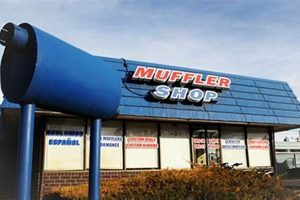
An automotive service establishment specializing in the repair, replacement, and maintenance of exhaust systems is a vital component of vehicle care. These businesses typically offer services ranging from simple muffler repairs to complete exhaust system overhauls. The focus is on ensuring vehicles meet emission standards, operate quietly, and maintain optimal performance.
The advantages of utilizing such a specialized service center are multifaceted. Drivers can expect enhanced vehicle efficiency, reduced noise pollution, and adherence to environmental regulations. Historically, these shops have played a significant role in automotive maintenance, adapting to evolving vehicle technology and increasingly stringent emission control requirements. Their expertise contributes to both individual vehicle longevity and overall community well-being through reduced air and noise pollution.
The remainder of this article will delve into specific aspects of exhaust system maintenance, including common issues, diagnostic procedures, repair techniques, and considerations for selecting a qualified service provider. Topics such as catalytic converter replacement, exhaust manifold repair, and custom exhaust system fabrication will be explored in detail.
Exhaust System Maintenance Guidelines
Maintaining the exhaust system is crucial for vehicle performance, fuel efficiency, and environmental compliance. The following guidelines are intended to provide owners with actionable information to prolong the life of their exhaust systems and identify potential issues early.
Tip 1: Regular Visual Inspections: Conduct periodic visual inspections of the exhaust system, paying close attention to the muffler, pipes, and connections. Look for signs of rust, corrosion, holes, or loose components. Early detection of these issues can prevent more extensive and costly repairs.
Tip 2: Listen for Unusual Noises: Pay attention to changes in the vehicle’s exhaust sound. Rattling, hissing, or roaring noises can indicate leaks, damaged mufflers, or other exhaust system problems. Address these noises promptly to prevent further damage.
Tip 3: Monitor Fuel Efficiency: A sudden decrease in fuel efficiency can be a sign of an exhaust system malfunction, particularly a clogged catalytic converter. If fuel consumption increases noticeably, have the exhaust system inspected.
Tip 4: Promptly Address Rust: Rust is a common enemy of exhaust systems. Treat any rust spots with rust inhibitors and protective coatings to slow its progression. Regular application of these treatments can significantly extend the life of exhaust components.
Tip 5: Avoid Short Trips: Frequent short trips can contribute to exhaust system corrosion, as the system does not reach its optimal operating temperature, leading to moisture accumulation. Whenever possible, incorporate longer drives to allow the system to fully heat up and dry out.
Tip 6: Professional Inspections: Schedule routine professional inspections of the exhaust system as part of the vehicle’s regular maintenance schedule. Qualified technicians can identify potential problems that may not be apparent during a visual inspection.
Tip 7: Catalytic Converter Maintenance: Protect the catalytic converter by ensuring the engine is properly maintained. Engine misfires and oil leaks can damage the catalytic converter, leading to costly replacements. Address any engine issues promptly.
Adhering to these guidelines can contribute to the longevity and optimal performance of the exhaust system, resulting in reduced repair costs and improved vehicle operation.
The next section will address common misconceptions about exhaust systems and provide insights into choosing the right replacement parts.
1. Exhaust System Expertise

Exhaust system expertise forms the bedrock of a successful automotive service provider specializing in exhaust systems. The depth and breadth of knowledge directly impacts the quality of services rendered, ranging from routine maintenance to complex repairs and custom fabrications. A shop lacking this fundamental expertise may misdiagnose issues, perform substandard repairs, or fail to meet emission compliance standards, ultimately leading to customer dissatisfaction and potential regulatory penalties. Conversely, a service center with demonstrable exhaust system mastery can provide accurate diagnoses, efficient repairs, and optimized performance, fostering trust and customer loyalty.
The importance of this expertise manifests in several practical ways. For instance, accurately identifying the source of an exhaust leak requires a comprehensive understanding of system components, pressure dynamics, and common failure points. Similarly, selecting the correct replacement parts, whether for a standard repair or a custom modification, necessitates familiarity with various materials, designs, and performance characteristics. A mechanic possessing advanced knowledge can ensure proper fitment, optimal flow, and long-term durability. Consider a scenario where an inexperienced technician replaces a catalytic converter with an incompatible unit; the resulting emissions violations and performance issues underscore the critical nature of specialized expertise.
In conclusion, exhaust system expertise is not merely a desirable attribute but a fundamental requirement for any business operating in this niche. Its presence ensures accurate diagnoses, effective repairs, regulatory compliance, and customer satisfaction. The absence of this expertise, on the other hand, can lead to compromised performance, environmental harm, and financial losses. Therefore, vehicle owners seeking exhaust system services should prioritize service centers that demonstrably possess a high level of expertise in this specialized area. The overall effectiveness of the business relies on the staff’s knowledge and the ability to deliver informed automotive services.
2. Muffler Repair Proficiency

Muffler repair proficiency is a core competency for any establishment identifying as a muffler shop. The effectiveness and reputation of such a business hinge directly on the skill and knowledge of its technicians in diagnosing and rectifying issues related to mufflers and exhaust systems.
- Diagnostic Accuracy
Accurate diagnosis is the foundation of effective muffler repair. Technicians must be able to differentiate between various muffler problems, such as rust damage, internal component failure, or external punctures. Correct identification prevents unnecessary replacements and ensures the correct repair strategy is implemented. At Nino’s Muffler Shop, this accuracy translates to cost-effective solutions and minimized vehicle downtime.
- Welding and Fabrication Skills
Muffler repair often necessitates welding to patch holes, reinforce weakened areas, or replace sections of piping. Proficient welding ensures a durable and leak-free repair. The ability to fabricate custom components further enhances the shop’s capabilities, allowing it to address unique or complex exhaust system challenges. Nino’s Muffler Shop would employ certified welders capable of handling diverse metal types and welding techniques.
- Component Selection and Compatibility
Choosing the correct replacement parts is essential for a successful repair. Technicians must understand the specifications of different mufflers, pipes, and hardware to ensure compatibility with the vehicle and compliance with emission standards. Incorrect component selection can lead to performance issues, noise problems, or regulatory violations. A shop such as Nino’s would maintain a comprehensive inventory of high-quality parts and possess the expertise to select the appropriate components for each repair.
- Adherence to Safety Protocols
Muffler repair involves working with potentially hazardous materials and equipment. Technicians must adhere to strict safety protocols to protect themselves and the vehicle. This includes using proper ventilation, wearing appropriate protective gear, and following established procedures for handling exhaust system components. Nino’s Muffler Shop’s commitment to safety would be reflected in its training programs and workplace practices.
The combination of diagnostic accuracy, welding skills, component selection knowledge, and adherence to safety protocols directly influences the quality of service provided by Nino’s Muffler Shop. These facets of muffler repair proficiency translate to reliable repairs, satisfied customers, and a strong reputation within the automotive service community.
3. Custom Exhaust Solutions at Nino's Muffler Shop
The provision of bespoke exhaust system modifications represents a significant service offering at Nino’s Muffler Shop. Custom exhaust solutions cater to vehicle owners seeking performance enhancements, aesthetic modifications, or specialized adaptations to their existing exhaust systems. These services extend beyond standard repairs and replacements, requiring specialized expertise and equipment.
- Performance Optimization
Custom exhaust solutions frequently aim to improve engine performance through optimized exhaust flow. This can involve modifying pipe diameters, incorporating high-flow mufflers, or designing complete exhaust systems tailored to specific engine characteristics. Such modifications can increase horsepower, torque, and fuel efficiency. At Nino’s Muffler Shop, these optimizations are achieved through careful analysis of engine specifications and exhaust system design principles, resulting in measurable performance gains.
- Aesthetic Enhancement
Beyond performance, custom exhaust systems offer opportunities for aesthetic customization. Vehicle owners may seek specific exhaust tip styles, exhaust note modifications, or complete system designs that complement the vehicle’s overall appearance. Options include chrome finishes, polished stainless steel, and unique exhaust outlet configurations. Nino’s Muffler Shop can provide aesthetic customizations tailored to individual client preferences, balancing visual appeal with functional considerations.
- Specialized Adaptations
Custom exhaust solutions also address specialized needs, such as adapting exhaust systems for modified vehicles, accommodating non-standard engine swaps, or creating custom routing to clear aftermarket components. This may involve fabricating entirely new exhaust systems or modifying existing systems to meet specific spatial constraints. Nino’s Muffler Shop provides the fabrication capabilities and technical expertise required to execute these complex adaptations effectively.
- Sound Tuning
Adjusting the sound characteristics of an exhaust system constitutes another facet of customization. Altering muffler design, adding resonators, or modifying pipe configurations can significantly affect the exhaust note. Some vehicle owners seek a louder, more aggressive sound, while others prefer a quieter, more refined tone. Nino’s Muffler Shop offers expertise in sound tuning, enabling clients to achieve their desired exhaust note while adhering to noise regulations.
The confluence of performance optimization, aesthetic enhancement, specialized adaptations, and sound tuning capabilities allows Nino’s Muffler Shop to provide comprehensive custom exhaust solutions. These services cater to diverse client needs, ranging from performance enthusiasts to those seeking aesthetic refinements or practical modifications to their vehicles. The ability to provide these services differentiates Nino’s from standard repair shops, positioning it as a specialized provider of exhaust system solutions.
4. Emission Compliance Focus

An unwavering commitment to emission compliance is integral to the operation of an automotive exhaust service provider such as Nino’s Muffler Shop. This focus directly impacts service offerings, legal obligations, and customer trust. Exhaust systems are subject to stringent federal, state, and local regulations designed to minimize air pollution. Therefore, the ability to accurately diagnose, repair, and replace exhaust components while adhering to these standards is not merely an option but a fundamental requirement for maintaining legitimacy and sustainability. Failure to comply can result in significant fines, operational restrictions, and reputational damage. For instance, removing or tampering with catalytic converters, a practice strictly prohibited by law, would directly violate emission standards and expose the service provider to severe penalties.
The importance of emission compliance extends beyond legal considerations. Properly functioning exhaust systems, including components such as catalytic converters, oxygen sensors, and mufflers, play a crucial role in reducing harmful emissions such as carbon monoxide, hydrocarbons, and nitrogen oxides. A shop that prioritizes emission compliance actively contributes to improved air quality and public health. This commitment can be demonstrated through technician training, investment in diagnostic equipment, and the use of certified replacement parts. For example, Nino’s Muffler Shop may invest in advanced diagnostic tools to identify emission-related problems accurately and efficiently, ensuring that repairs are effective and compliant.
In summary, emission compliance is not simply a regulatory burden for Nino’s Muffler Shop; it is a core value that informs all aspects of its operations. Adherence to emission standards safeguards the environment, protects public health, and ensures the long-term viability of the business. The ability to effectively navigate the complex landscape of emission regulations and provide compliant services is a key differentiator, fostering customer confidence and establishing a reputation as a responsible and trustworthy automotive service provider. Navigating this complex terrain ensures legal soundness and environmental responsibility, underscoring a dedication to both business ethics and community welfare.
5. Welding and Fabrication at Nino's Muffler Shop

Welding and fabrication represent critical competencies within the operational framework of Nino’s Muffler Shop. The ability to perform welding repairs and fabricate custom exhaust components directly influences the range of services offered and the complexity of projects undertaken. The absence of skilled welding and fabrication capabilities would limit the shop to basic replacement services, preventing it from addressing more intricate repairs or catering to clients seeking custom solutions. Consider a situation where a vehicle requires an exhaust manifold repair due to a crack. Without welding expertise, the shop would be forced to recommend a costly replacement, whereas a skilled welder could repair the existing manifold, saving the customer money and reducing waste. Similarly, the fabrication of custom exhaust systems, a service appealing to performance enthusiasts, relies entirely on welding and fabrication proficiency.
The practical applications of welding and fabrication extend beyond repair and customization. The ability to modify existing exhaust systems to accommodate engine swaps or aftermarket components requires precise cutting, shaping, and welding techniques. Fabricating custom brackets, hangers, and flanges ensures proper fitment and durability. Furthermore, welding is essential for repairing damaged mufflers, catalytic converters, and exhaust pipes, extending the lifespan of these components and reducing the need for complete replacements. Real-world applications include modifying exhaust systems to improve ground clearance on off-road vehicles, creating custom exhaust headers for racing applications, and fabricating specialized exhaust systems for vintage or rare automobiles where original parts are no longer available. Nino’s Muffler Shop could also offer exhaust modification for trucks, improving performance or creating unique aesthetic.
In summary, welding and fabrication are not merely ancillary skills but core capabilities that define the scope and potential of Nino’s Muffler Shop. These skills enable the business to offer a wider range of services, address complex repair challenges, cater to diverse client needs, and maintain a competitive advantage within the automotive service industry. The investment in skilled welders and appropriate fabrication equipment is, therefore, a strategic imperative that directly contributes to the shop’s profitability and reputation. Limitations in welding and fabrication capabilities translates directly to limited service options, increased reliance on costly replacement parts, and an inability to compete effectively in the market for custom exhaust solutions.
6. Diagnostic service accuracy

Diagnostic service accuracy is paramount to the operational effectiveness of an automotive service center specializing in exhaust systems, such as Nino’s Muffler Shop. The precision with which exhaust system problems are identified directly impacts repair costs, customer satisfaction, and regulatory compliance. Inaccurate diagnoses can lead to unnecessary repairs, unresolved issues, and potential violations of emission standards, all detrimental to the shop’s reputation and profitability. Therefore, a commitment to diagnostic accuracy is fundamental to the success and integrity of such an establishment.
- Fault Code Interpretation
Modern vehicles rely on onboard diagnostic (OBD) systems that generate fault codes when exhaust system malfunctions occur. Accurate interpretation of these codes is essential for pinpointing the source of the problem. For example, a P0420 code indicating catalytic converter inefficiency requires careful investigation to determine whether the converter itself is faulty or if the code is triggered by upstream issues such as a faulty oxygen sensor or an engine misfire. Nino’s Muffler Shop must possess the expertise and equipment to correctly interpret these codes and avoid misdiagnoses that lead to unnecessary and costly repairs.
- Visual Inspection Proficiency
Visual inspection remains a critical diagnostic tool for exhaust systems. Technicians must be able to identify signs of corrosion, leaks, physical damage, and improper installation. Subtle clues, such as discoloration around joints or unusual rust patterns, can indicate underlying problems that are not immediately apparent through OBD codes. Nino’s Muffler Shop should cultivate a culture of meticulous visual inspection, ensuring that technicians are trained to recognize even the most subtle indicators of exhaust system issues.
- Sensor Testing and Analysis
Oxygen sensors play a vital role in regulating fuel-air mixtures and monitoring catalytic converter performance. Malfunctioning oxygen sensors can lead to inaccurate fuel trim adjustments, increased emissions, and reduced fuel efficiency. Diagnostic accuracy requires the ability to test oxygen sensors using specialized equipment, analyze their waveforms, and determine whether they are functioning within specified parameters. Nino’s Muffler Shop must invest in sensor testing equipment and provide technicians with the necessary training to interpret sensor data effectively.
- Exhaust Gas Analysis
Exhaust gas analysis provides a comprehensive snapshot of engine combustion and exhaust system performance. By measuring the concentrations of various gases, such as hydrocarbons, carbon monoxide, and nitrogen oxides, technicians can identify problems such as engine misfires, catalytic converter failures, and vacuum leaks. Nino’s Muffler Shop should employ exhaust gas analyzers as part of its diagnostic process, particularly when addressing emission-related concerns. The accuracy of the analysis depends on proper equipment calibration and technician expertise.
The diagnostic accuracy of Nino’s Muffler Shop directly impacts its ability to provide effective and affordable exhaust system services. Accurate diagnoses reduce the likelihood of unnecessary repairs, minimize vehicle downtime, and ensure compliance with emission regulations. By prioritizing diagnostic accuracy through technician training, equipment investment, and adherence to best practices, Nino’s Muffler Shop can enhance its reputation, build customer trust, and maintain a competitive edge in the automotive service market. The application of specialized knowledge and advanced technology is key to ensuring reliable services for complex system issues and contributing to the business’ overall success.
Frequently Asked Questions Regarding Automotive Exhaust Systems
The following section addresses common inquiries pertaining to automotive exhaust systems, their maintenance, and potential issues. The information provided is intended to offer clarity and guidance to vehicle owners.
Question 1: What are the primary functions of an automotive exhaust system?
The exhaust system performs several critical functions: channeling combustion gases away from the engine, reducing noise pollution, minimizing harmful emissions, and optimizing engine performance.
Question 2: How often should an exhaust system be inspected?
Exhaust systems should be inspected at least annually, or whenever unusual noises, reduced fuel efficiency, or visible damage is detected. Regular inspections can identify potential problems before they escalate into costly repairs.
Question 3: What are the signs of a failing muffler?
Signs of a failing muffler include excessive exhaust noise, rattling sounds, visible rust or damage, and a decrease in fuel efficiency. If any of these symptoms are present, the muffler should be inspected by a qualified technician.
Question 4: Is it necessary to replace the entire exhaust system when one component fails?
Not always. The decision to replace the entire system depends on the extent of the damage and the age of the other components. If only a single component is damaged and the rest of the system is in good condition, a partial replacement may be sufficient. However, if the system is heavily corroded or nearing the end of its lifespan, a complete replacement may be more cost-effective in the long run.
Question 5: Can modifications to the exhaust system affect vehicle emissions?
Yes. Altering or removing emission control devices, such as catalytic converters, can significantly increase harmful emissions and may violate federal and state regulations. Any modifications to the exhaust system should be performed by a qualified technician and must comply with all applicable laws.
Question 6: What is the expected lifespan of an automotive exhaust system?
The lifespan of an exhaust system varies depending on factors such as vehicle usage, environmental conditions, and the quality of the components. In general, a well-maintained exhaust system can last between five and seven years, or longer in certain circumstances.
Understanding the fundamentals of exhaust systems, coupled with regular inspections and timely repairs, contributes to vehicle longevity, environmental protection, and regulatory compliance.
The subsequent section will delve into the importance of selecting a qualified automotive service provider for exhaust system maintenance and repairs.
Concluding Remarks on Automotive Exhaust System Services
This article has explored critical aspects of specialized automotive repair establishments, with particular emphasis on exhaust system maintenance and repair. The defining attributes discussed, including expertise in exhaust systems, muffler proficiency, custom solutions, emission compliance focus, welding capabilities, and diagnostic accuracy, collectively establish the operational scope and service offerings expected from a qualified service provider. The absence of any of these attributes can lead to compromised service quality, regulatory violations, and customer dissatisfaction.
Therefore, the selection of an automotive service provider for exhaust system needs warrants careful consideration. A provider’s commitment to expertise, compliance, and quality directly translates to vehicle performance, environmental responsibility, and long-term cost savings. Ongoing vigilance in exhaust system maintenance ensures vehicle longevity and adherence to evolving environmental standards. Continued advancements in diagnostic technologies and repair techniques underscore the need for service providers to remain at the forefront of industry best practices.

![Piqua Ohio Muffler Shop: [Car Model] Exhaust Pros | Best Mufflers for Cars & Trucks | Performance, Sound & Durability Upgrades](https://dnamufflers.com/wp-content/uploads/2026/06/th-68-300x200.jpg "Piqua Ohio Muffler Shop: [Car Model] Exhaust Pros Best Mufflers for Cars & Trucks | Performance, Sound & Durability Upgrades")