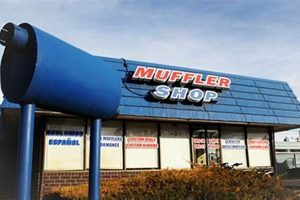
The act of renovating an automotive exhaust repair facility involves upgrading or remodeling its physical space, equipment, and overall functionality. This process often includes improvements to the building’s structure, installation of new machinery, reorganization of the workspace, and enhancements to the customer service area. For example, a business owner might choose to update the waiting room with more comfortable seating and modern decor, while simultaneously installing a state-of-the-art exhaust system analyzer in the service bay.
Such improvements can yield numerous advantages. Modernization can improve workflow efficiency, potentially increasing the number of vehicles serviced daily. A more appealing and comfortable environment can enhance customer satisfaction, fostering loyalty and positive word-of-mouth referrals. Furthermore, updated equipment can enable technicians to handle a wider range of repairs and services, expanding the business’s offerings and revenue streams. Historically, these facilities have often been perceived as utilitarian and functional; therefore, improvements can significantly differentiate a business from its competitors.
The following discussion will delve into the critical aspects of planning a successful facility upgrade, including considerations for design, equipment selection, cost management, and operational efficiency. These elements will be explored to provide a comprehensive guide for optimizing a service center to meet current industry demands and customer expectations.
Essential Considerations for Automotive Exhaust Facility Improvement
Undertaking upgrades to an automotive exhaust service center requires careful planning and execution. Adhering to key principles can optimize the process and ensure a successful outcome.
Tip 1: Conduct a Thorough Assessment. Before initiating any physical changes, perform a comprehensive evaluation of the existing facility. This includes assessing the structural integrity of the building, the functionality of current equipment, and the efficiency of the workspace layout. Document areas that require immediate attention and opportunities for improvement.
Tip 2: Prioritize Equipment Modernization. Outdated equipment can hinder productivity and limit service capabilities. Invest in modern exhaust system analyzers, welding equipment, and lifting mechanisms. Ensure all new equipment complies with current safety standards and regulations.
Tip 3: Optimize Workspace Layout. The arrangement of the service bays, tool storage, and parts inventory directly impacts technician efficiency. Redesign the workspace to minimize unnecessary movement and maximize accessibility to essential tools and materials. Consider incorporating ergonomic principles to reduce technician fatigue and the risk of injury.
Tip 4: Enhance Customer Service Areas. The customer waiting area should provide a comfortable and welcoming environment. Implement comfortable seating, provide access to Wi-Fi, and offer clear and informative displays regarding services and pricing. A positive customer experience can lead to increased loyalty and referrals.
Tip 5: Focus on Safety Compliance. Automotive service facilities involve inherent safety risks. Ensure compliance with all applicable safety regulations, including proper ventilation, fire suppression systems, and personal protective equipment. Regular safety inspections and employee training are essential.
Tip 6: Implement Energy-Efficient Solutions. Consider incorporating energy-efficient lighting, HVAC systems, and insulation to reduce operational costs and minimize environmental impact. Rebates and incentives may be available for implementing energy-saving measures.
Tip 7: Secure Necessary Permits and Approvals. Before commencing any construction or remodeling, obtain all required permits and approvals from local authorities. Failure to comply with regulations can result in delays, fines, and legal complications.
Strategic planning, investment in modern equipment, and a focus on safety and customer service are vital components of a successful facility enhancement. These considerations contribute to increased efficiency, improved customer satisfaction, and long-term business growth.
The following section will examine the financial aspects and marketing strategies related to the improvements.
1. Structural Integrity

The structural integrity of a muffler shop is paramount during any renovation project. It serves as the foundational element upon which all other improvements are built. Addressing structural issues ensures the safety of personnel, the longevity of the building, and the proper functioning of equipment.
- Foundation Stability
The foundation bears the entire weight of the building and its contents. Renovations, particularly those involving heavy equipment upgrades, can place additional stress on the existing foundation. Cracks, settling, or water damage must be addressed before proceeding with other improvements. Neglecting these issues can lead to significant structural problems down the line, potentially rendering the building unsafe.
- Roofing Condition
A sound roof protects the interior of the shop from the elements. Leaks can damage equipment, create hazardous working conditions, and compromise the building’s structural components. During a renovation, the roofing should be thoroughly inspected for signs of wear and tear, such as missing shingles, deteriorated flashing, or sagging. Repair or replacement may be necessary to ensure long-term protection.
- Wall Reinforcement
The walls provide lateral support and contribute to the overall stability of the building. Renovations may involve removing or altering walls to create a more functional layout. It is crucial to ensure that any structural modifications are properly engineered and reinforced to maintain the building’s integrity. Improper modifications can weaken the structure and increase the risk of collapse.
- Bay Door Functionality and Support
Bay doors are essential for accessing and servicing vehicles. The structural components that support these doors, including the frames and overhead mechanisms, must be in good working order. Damage or deterioration can lead to safety hazards and operational inefficiencies. During renovations, these components should be inspected and repaired or replaced as needed to ensure safe and reliable operation.
Addressing structural integrity during a muffler shop renovation is not merely a cosmetic concern; it is a fundamental investment in the safety, longevity, and functionality of the facility. By prioritizing structural repairs and reinforcements, shop owners can create a solid foundation for future growth and success. Failure to do so can lead to costly repairs, safety hazards, and potential legal liabilities.
2. Equipment Modernization

Equipment modernization is a critical component of any comprehensive automotive exhaust facility improvement project. The selection and implementation of updated tools and machinery directly impact service quality, efficiency, and the ability to address evolving vehicle technologies.
- Diagnostic Equipment Upgrades
Modern vehicles incorporate increasingly complex electronic systems that control exhaust emissions. Equipping a muffler shop with advanced diagnostic tools, such as OBD II scanners and exhaust gas analyzers, enables technicians to accurately identify and diagnose emission-related problems. This ensures precise repairs and minimizes unnecessary component replacements. The ability to interpret complex diagnostic data is paramount in contemporary automotive service.
- Welding and Fabrication Technology
Exhaust system repair often requires welding and fabrication skills. Investing in modern welding equipment, including MIG and TIG welders, allows technicians to perform high-quality repairs on a variety of materials, such as steel, stainless steel, and aluminum. Furthermore, access to tube benders and flaring tools facilitates the creation of custom exhaust components, expanding the shop’s service capabilities.
- Lifting and Safety Equipment
Safe and efficient vehicle lifting is essential in any automotive service environment. Upgrading to modern vehicle lifts, including two-post and four-post lifts, enhances technician safety and improves accessibility to the undercarriage of vehicles. Incorporating safety features such as automatic locking mechanisms and overload protection systems minimizes the risk of accidents and injuries.
- Parts Inventory Management Systems
Efficient inventory management is crucial for minimizing downtime and maximizing profitability. Implementing a computerized parts inventory management system allows the shop to track parts usage, manage stock levels, and streamline ordering processes. This reduces the risk of running out of essential components and enables technicians to quickly locate the parts they need for repairs.
Integrating modern equipment into an automotive exhaust repair facility is not merely about acquiring new tools; it represents a strategic investment in enhanced capabilities, improved efficiency, and a safer working environment. The selection of specific equipment should align with the shop’s business goals and the evolving needs of its customer base. By prioritizing equipment modernization, muffler shop owners can position their businesses for long-term success in a competitive market.
3. Workspace Optimization
Within the context of automotive exhaust facility improvement, workspace optimization involves the strategic arrangement and design of the service area to maximize efficiency, safety, and productivity. It directly impacts the flow of work, technician effectiveness, and the overall operational performance of the business.
- Layout Efficiency
Optimizing the layout involves arranging service bays, tool storage, and parts inventory to minimize unnecessary movement and maximize accessibility. For example, placing frequently used tools near the corresponding work areas reduces time wasted searching for equipment. An organized layout also promotes a safer working environment by reducing the risk of accidents caused by clutter or obstructions. Properly designed traffic patterns within the shop can also prevent bottlenecks and streamline vehicle movement, thus increasing the number of services completed daily.
- Ergonomic Design
Ergonomics focuses on designing the workspace to fit the needs of the technicians, reducing physical strain and promoting comfort. Adjustable workbenches, ergonomic seating, and strategically placed lighting can minimize fatigue and the risk of repetitive strain injuries. For instance, installing lifts that allow technicians to work at a comfortable height can reduce back strain. Properly positioned tool racks and parts bins can also minimize bending and stretching, improving overall worker well-being and productivity. This ultimately benefits the business through reduced worker compensation claims and improved employee retention.
- Equipment Placement
The strategic placement of equipment is crucial for efficient workflow. Welding stations should be located away from flammable materials and in well-ventilated areas. Diagnostic equipment should be easily accessible from service bays. Organizing equipment in a logical and accessible manner minimizes downtime and maximizes technician efficiency. Clear labeling and designated storage areas further enhance organization and prevent misplaced tools or equipment, saving time and reducing frustration.
- Waste Management
Implementing an effective waste management system contributes to a cleaner, safer, and more efficient workspace. Designated areas for scrap metal, used oil, and other waste materials should be clearly marked and easily accessible. Proper disposal procedures ensure compliance with environmental regulations and minimize the risk of contamination. A well-managed waste disposal system contributes to a professional and organized shop environment, enhancing both worker morale and the business’s image.
By carefully considering layout efficiency, ergonomic design, equipment placement, and waste management, automotive exhaust facilities can significantly improve their operational effectiveness. These elements are integral to creating a workspace that promotes productivity, safety, and employee well-being, ultimately contributing to the success and profitability of the business.
4. Customer Comfort

The implementation of facility enhancements directly affects customer perceptions and overall satisfaction. Renovations that prioritize customer comfort, such as upgrading waiting areas and improving communication processes, demonstrably impact customer loyalty and repeat business. For example, a shop that invests in comfortable seating, complimentary Wi-Fi, and transparent service updates in the waiting area cultivates a more positive customer experience than one with a barebones or unwelcoming environment. This improvement can translate into higher customer retention rates and positive word-of-mouth referrals, critical for business growth in a competitive market. The causality is clear: investment in the customer experience through physical facility improvements leads to increased satisfaction and business performance.
Facility upgrades can also address practical customer needs beyond basic comfort. Offering amenities such as clean restrooms, readily available charging stations for electronic devices, and clearly posted service information contributes to a sense of transparency and professionalism. Furthermore, improvements to the physical layout of the service area, such as designated parking spaces and easy access to the building entrance, contribute to a smoother and more convenient customer experience. These practical considerations, often overlooked, play a significant role in shaping customer perceptions of the business and its commitment to customer service. The integration of these amenities during the renovation process is therefore crucial.
In summation, customer comfort is not merely an optional consideration, but an integral component of a successful facility renovation. Ignoring this aspect can result in missed opportunities to enhance customer loyalty and improve the overall business performance. The challenge lies in balancing the need for operational efficiency with the desire to create a welcoming and comfortable environment for customers. Ultimately, a renovation that prioritizes customer comfort demonstrates a commitment to customer satisfaction and a recognition of its importance in achieving long-term business success.
5. Safety compliance

Renovations to automotive exhaust facilities must incorporate rigorous safety compliance measures due to the inherent risks associated with the industry. Failure to adhere to safety regulations during a renovation project presents significant legal and operational hazards. For example, inadequate ventilation systems, improperly stored flammable materials, or a lack of fire suppression equipment can lead to accidents resulting in severe injuries, property damage, and potential legal liabilities. Therefore, safety compliance is not merely a regulatory obligation but a fundamental aspect of responsible facility management during and after a renovation.
The renovation process itself often introduces new safety challenges that must be addressed proactively. Construction activities, such as welding, cutting, and grinding, can generate hazardous fumes and sparks, increasing the risk of fire or explosions. Similarly, the installation of new equipment requires adherence to strict safety guidelines to prevent electrical hazards, mechanical failures, and other potential incidents. For example, proper grounding of electrical equipment, regular inspections of lifting mechanisms, and the provision of appropriate personal protective equipment (PPE) are essential safety measures that must be integrated into the renovation plan. Ignoring these safety considerations during the renovation process can create a dangerous working environment for both construction workers and facility staff.
In conclusion, safety compliance is inextricably linked to any successful renovation project. Implementing robust safety protocols, conducting thorough risk assessments, and providing comprehensive training to all personnel involved in the renovation process is paramount. Safety compliance is not a separate consideration but an integral component of facility renovation, contributing to the long-term sustainability, safety, and operational efficiency of the automotive exhaust facility.
6. Permitting adherence

Permitting adherence constitutes a critical, often complex, aspect of automotive exhaust facility renovation. It ensures that all modifications to the structure, equipment, and operational processes comply with local, state, and federal regulations, preventing legal repercussions and ensuring public safety.
- Zoning Regulations Compliance
Zoning regulations dictate permissible land usage and building types within specific geographic areas. A renovation project must adhere to these regulations, which may restrict the types of activities that can be conducted on the property, the size and location of buildings, and parking requirements. Violations of zoning regulations can result in fines, legal action, and the forced modification or cessation of operations. For instance, a facility expanding its service bays may be required to obtain a variance if it exceeds the permissible building footprint within the zoning district.
- Building Code Compliance
Building codes establish minimum standards for the design, construction, and maintenance of buildings. Renovations must comply with these codes, which cover structural integrity, fire safety, accessibility, and energy efficiency. Failing to meet building code requirements can compromise the safety of occupants and the public. For example, upgrading the electrical system requires adherence to the National Electrical Code (NEC), ensuring that wiring, grounding, and overcurrent protection are adequate to handle the increased electrical load of new equipment.
- Environmental Regulations
Environmental regulations aim to protect air and water quality, manage hazardous waste, and prevent pollution. Automotive exhaust facilities are subject to numerous environmental regulations due to the nature of their operations, which involve the handling of potentially hazardous materials such as used oil, solvents, and refrigerants. Renovations must incorporate measures to comply with these regulations, such as installing proper ventilation systems, implementing spill prevention and containment procedures, and obtaining permits for air emissions. Violations can result in substantial fines and legal penalties.
- Occupational Safety and Health Administration (OSHA) Standards
OSHA standards protect the health and safety of workers in the workplace. Renovations must comply with OSHA regulations, which cover a wide range of workplace hazards, including noise exposure, hazardous materials handling, and machine guarding. Failing to meet OSHA standards can lead to workplace accidents, injuries, and fatalities. For example, providing adequate ventilation to remove welding fumes, implementing lockout/tagout procedures for equipment maintenance, and providing appropriate personal protective equipment (PPE) are crucial for ensuring worker safety during and after a renovation.
Successfully navigating the permitting process requires careful planning, thorough documentation, and effective communication with regulatory agencies. A failure to comply with permitting requirements can result in project delays, fines, legal action, and the forced closure of the facility. Therefore, a comprehensive understanding of applicable regulations and a proactive approach to permitting adherence are essential for any automotive exhaust facility undergoing renovation.
7. Financial Planning
Financial planning serves as the bedrock for any successful automotive exhaust facility renovation. It dictates the scope, timeline, and feasibility of the project, ensuring resources are allocated effectively to achieve desired outcomes without compromising financial stability.
- Capital Budgeting
Capital budgeting involves evaluating potential renovation projects to determine their financial viability. Techniques such as net present value (NPV), internal rate of return (IRR), and payback period are employed to assess whether the anticipated benefits of the renovation outweigh the costs. For example, a muffler shop might analyze the NPV of investing in new welding equipment versus continuing to use outdated technology. If the NPV is positive, the investment is considered financially sound. Proper capital budgeting prevents overspending on renovations that do not generate adequate returns.
- Cost Estimation and Control
Accurate cost estimation is paramount for effective financial planning. This involves forecasting expenses related to construction, equipment, materials, labor, permits, and contingency funds. Cost control measures, such as competitive bidding, value engineering, and change order management, are implemented to ensure that the renovation stays within budget. If a project exceeds the initial budget, for example, it might be necessary to identify cost-saving measures or secure additional funding. Robust cost estimation and control prevent budget overruns and ensure the financial sustainability of the project.
- Financing Options
Renovations often require external financing. Various options are available, including bank loans, Small Business Administration (SBA) loans, leasing agreements, and lines of credit. Each option has its own terms, interest rates, and eligibility requirements. For instance, an SBA loan might offer favorable terms for small businesses but require extensive documentation. The optimal financing strategy depends on the business’s financial situation and the specifics of the renovation project. Careful evaluation of financing options minimizes borrowing costs and ensures manageable debt repayment schedules.
- Return on Investment (ROI) Analysis
ROI analysis assesses the financial benefits derived from the renovation. This involves calculating the incremental revenue generated, cost savings achieved, and increased asset value resulting from the improvements. For example, a muffler shop might estimate the ROI of renovating its customer waiting area by measuring the increase in customer satisfaction and repeat business. A high ROI indicates that the renovation is a worthwhile investment. Regular ROI monitoring helps to justify the expense and demonstrates the value of the renovations to stakeholders.
The financial planning for a facility renovation must consider all elements outlined. A facility should not move forward with its plans until all risks and financials have been accounted for. Failure to properly plan the financial elements, can lead to a failed project.
Frequently Asked Questions
This section addresses common inquiries regarding the upgrade and improvement of automotive exhaust service centers, providing essential information for facility owners and operators.
Question 1: What constitutes a “facility renovation” in the context of an automotive exhaust service center?
A facility renovation encompasses upgrades to the physical structure, equipment, and operational layout of an automotive exhaust service center. These improvements can range from cosmetic enhancements to comprehensive structural modifications, all aimed at enhancing efficiency, safety, and customer satisfaction.
Question 2: What are the primary benefits of undertaking a renovation of an automotive exhaust service center?
The benefits include increased operational efficiency, enhanced customer satisfaction, improved employee safety, compliance with regulatory requirements, and the potential for increased revenue streams through expanded service capabilities. A modernized facility can also project a more professional image, attracting new customers.
Question 3: How should the scope of a facility renovation project be determined?
The scope should be determined through a thorough assessment of the existing facility, identifying areas that require improvement, and aligning renovation goals with the overall business strategy. This process involves evaluating the structural integrity of the building, the functionality of equipment, and the efficiency of the workspace layout.
Question 4: What are the key regulatory considerations that must be addressed during a facility renovation?
Key regulatory considerations include zoning regulations, building codes, environmental regulations, and Occupational Safety and Health Administration (OSHA) standards. Compliance with these regulations is essential to ensure the safety of occupants, protect the environment, and avoid legal penalties.
Question 5: How can costs be effectively managed during a facility renovation project?
Effective cost management involves developing a detailed budget, obtaining competitive bids from contractors, implementing value engineering techniques, and closely monitoring expenses throughout the project. Establishing a contingency fund is also crucial to address unforeseen costs.
Question 6: What role does customer comfort play in a facility renovation project?
Customer comfort is a significant factor, impacting satisfaction and loyalty. Renovations should incorporate improvements to waiting areas, provide amenities such as Wi-Fi and comfortable seating, and ensure a clean and welcoming environment. These measures can contribute to a positive customer experience and increased repeat business.
A successful automotive exhaust facility renovation requires careful planning, attention to detail, and a commitment to compliance with all applicable regulations. A well-executed renovation can transform a facility into a modern, efficient, and customer-focused operation.
The following section will explore the role of marketing in promoting a renovated automotive exhaust service center.
Conclusion
This exploration of “muffler shop reno” has illuminated the multi-faceted nature of upgrading automotive exhaust facilities. Key areas such as structural integrity, equipment modernization, workspace optimization, customer comfort, safety compliance, and permitting adherence have been presented as essential components of a successful renovation. Financial planning, accurate cost estimation, and ROI analysis have been emphasized as necessary for managing the investment and demonstrating its value.
The improvement of these specialized businesses carries profound implications for both service providers and vehicle owners. Careful attention to design, safety, and economic factors can enable shop owners to deliver superior service and improve profitability. With the changing requirements and needs within the automotive landscape, continual improvement of facilities may be crucial to compete in this industry. Facility upgrades will be the difference between surviving and thriving in a cutthroat industry.



![Piqua Ohio Muffler Shop: [Car Model] Exhaust Pros | Best Mufflers for Cars & Trucks | Performance, Sound & Durability Upgrades](https://dnamufflers.com/wp-content/uploads/2026/06/th-68-300x200.jpg "Piqua Ohio Muffler Shop: [Car Model] Exhaust Pros Best Mufflers for Cars & Trucks | Performance, Sound & Durability Upgrades")