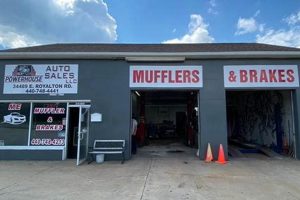
This automotive service provider specializes in two essential areas of vehicle maintenance: exhaust systems and braking systems. The scope of services generally includes inspection, repair, replacement of mufflers and exhaust pipes, as well as brake pad replacement, rotor resurfacing or replacement, and brake line repair.
Properly functioning exhaust systems are crucial for reducing emissions and maintaining fuel efficiency, while reliable braking systems are paramount for driver and passenger safety. These systems are interconnected with overall vehicle performance and regulatory compliance. Historically, the specialized repair of these components emerged as a distinct sector within the broader automotive service industry, driven by increasing vehicle complexity and environmental regulations.
The following sections will delve deeper into the specific services offered, common issues encountered, and best practices for maintaining exhaust and braking systems to ensure optimal vehicle performance and safety.
Essential Automotive Maintenance Tips
Maintaining the operational integrity of vehicle exhaust and braking systems is crucial for safety, performance, and regulatory compliance. Adherence to the following guidelines can help prolong component life and prevent costly repairs.
Tip 1: Regular Inspection: Schedule routine inspections of both exhaust and braking systems. Visual inspection for rust, leaks, or physical damage can identify potential issues early.
Tip 2: Monitor Brake Performance: Be attentive to changes in braking feel, such as increased pedal travel, unusual noises, or pulling to one side. These symptoms often indicate worn brake pads or other component failures.
Tip 3: Promptly Address Exhaust Leaks: Exhaust leaks not only diminish fuel efficiency but can also introduce harmful gases into the vehicle cabin. Address any suspected leaks immediately.
Tip 4: Use Quality Replacement Parts: When replacing exhaust or brake components, opt for high-quality parts that meet or exceed OEM specifications. Inferior parts may compromise performance and longevity.
Tip 5: Maintain Proper Brake Fluid Levels: Check brake fluid levels regularly and replenish as needed. Low brake fluid can indicate a leak in the system.
Tip 6: Avoid Aggressive Driving Habits: Aggressive acceleration and hard braking put undue stress on both systems, accelerating wear and increasing the risk of component failure.
Tip 7: Schedule Professional Servicing: For complex repairs or maintenance, entrust the work to qualified technicians experienced in exhaust and braking systems.
Consistent attention to these details will contribute significantly to the reliable and safe operation of any vehicle. Proactive maintenance minimizes the risk of unexpected failures and ensures optimal system performance.
This section provides a foundation for responsible vehicle ownership. The subsequent sections will further explore specific maintenance procedures and troubleshooting techniques.
1. Exhaust Emissions Control

Exhaust Emissions Control is a critical function managed through specialized components within a vehicle’s exhaust system. The efficacy of these components directly correlates to regulatory compliance and environmental impact, making their proper maintenance and function paramount.
- Catalytic Converter Functionality
The catalytic converter facilitates chemical reactions to convert harmful pollutants, such as hydrocarbons, carbon monoxide, and nitrogen oxides, into less harmful substances like carbon dioxide, water, and nitrogen. A malfunctioning converter can lead to increased emissions and potential failure to meet emissions testing standards. allstar muffler & brake services commonly include inspection and replacement of catalytic converters.
- Oxygen Sensor Accuracy
Oxygen sensors monitor the oxygen content in the exhaust stream, providing feedback to the engine control unit (ECU) to optimize the air-fuel mixture. Inaccurate readings from oxygen sensors can result in incomplete combustion, leading to increased emissions and reduced fuel efficiency. Diagnostic services at allstar muffler & brake can identify and rectify oxygen sensor issues.
- Muffler Integrity and Backpressure
While primarily designed to reduce noise, the muffler also plays a role in regulating exhaust backpressure. Excessive backpressure can negatively impact engine performance and potentially increase emissions. Physical damage or internal deterioration of the muffler can compromise its functionality. Replacement and repair services address these issues to maintain optimal engine operation.
- Exhaust Manifold Integrity
The exhaust manifold collects exhaust gases from the engine cylinders and directs them into the exhaust system. Cracks or leaks in the exhaust manifold can result in exhaust gas escape, leading to increased emissions and potential engine performance issues. Repair or replacement is essential to ensure proper operation and emissions control.
The interconnectedness of these components underscores the importance of comprehensive exhaust system maintenance. Services encompassing inspection, repair, and replacement of these components ensure effective exhaust emissions control, supporting both regulatory compliance and environmental responsibility. Consequently, specialized services contribute significantly to the operational longevity and ecological impact of vehicles.
2. Braking System Integrity

Braking system integrity, characterized by consistent and reliable stopping power, constitutes a critical service aspect. Compromised braking systems present a direct threat to vehicle occupants and surrounding traffic. The ability to quickly and safely decelerate or stop a vehicle relies on the proper function of various components, including brake pads, rotors, calipers, and hydraulic lines. Degraded brake pads reduce friction against the rotors, increasing stopping distances. Warped or damaged rotors can cause vibrations and uneven braking force. Leaking hydraulic lines compromise the hydraulic pressure required to activate the brakes. These malfunctions can lead to accidents and severe injuries. A vehicle that is rear-ended due to brake failure demonstrates the catastrophic potential of compromised braking system integrity.
Regular inspection and maintenance are essential for preserving braking system integrity. Identifying worn components before they fail and performing timely replacements can prevent dangerous situations. Brake fluid flushes help maintain optimal hydraulic pressure and prevent corrosion within the system. Caliper servicing ensures proper piston movement and prevents brake drag, which can overheat components and reduce braking efficiency. Early detection of issues, such as unusual noises or increased stopping distances, allows for prompt intervention and prevents further damage. For instance, replacing brake pads exhibiting only minimal wear can prevent the rotors from becoming damaged, reducing the overall repair costs and ensuring that “allstar muffler & brake” ensures system functionality.
The maintenance of braking system integrity is an ongoing process that requires both diligent vehicle owner awareness and expert technical assistance. While visual inspections and attentiveness to braking performance provide initial indicators of potential issues, professional diagnostics and repairs are necessary for addressing underlying problems. Prioritizing braking system maintenance not only enhances vehicle safety but also contributes to overall driving confidence and peace of mind. Thus, services specializing in brake maintenance play a vital role in ensuring public safety and promoting responsible vehicle operation.
3. Component Durability

Component durability, referring to the lifespan and resistance to wear and tear of parts within exhaust and braking systems, is a fundamental consideration for service providers and vehicle owners alike. The selection of durable components directly impacts the longevity, reliability, and overall performance of these critical systems, thereby influencing maintenance costs and safety outcomes.
- Material Selection and Corrosion Resistance
The materials used in exhaust and brake components significantly influence their susceptibility to corrosion, especially in regions with harsh weather conditions or frequent exposure to road salts. Exhaust systems constructed from aluminized steel or stainless steel offer enhanced resistance to rust compared to conventional steel. Similarly, brake rotors coated with anti-corrosion materials can extend their service life and maintain braking performance. allstar muffler & brake services prioritize the use of corrosion-resistant materials to prolong component lifespan and reduce the frequency of replacements.
- Brake Pad Formulation and Rotor Wear
The formulation of brake pads directly impacts the rate of rotor wear. Aggressive brake pad compounds, while providing superior stopping power, can accelerate rotor erosion, leading to premature replacement. Conversely, softer brake pad formulations may extend rotor life but compromise braking performance. allstar muffler & brake services carefully select brake pad formulations that strike a balance between braking effectiveness and rotor durability, optimizing overall system longevity and safety.
- Muffler Construction and Heat Resistance
Mufflers are subjected to high temperatures and corrosive exhaust gases, necessitating robust construction to withstand these harsh conditions. Double-walled muffler designs and internal baffling systems enhance structural integrity and prevent premature failure. Furthermore, the ability of muffler materials to resist heat-induced degradation is crucial for maintaining optimal noise reduction and exhaust flow characteristics. Quality mufflers contribute to improved engine efficiency, reduced emissions, and a quieter driving experience, aligning with the services that “allstar muffler & brake” ensures.
- Hydraulic Component Quality and Seal Integrity
The hydraulic components within braking systems, including master cylinders, calipers, and brake lines, rely on robust seals to prevent fluid leaks and maintain consistent hydraulic pressure. Inferior seals can degrade over time, leading to fluid loss and compromised braking performance. High-quality hydraulic components with durable seals ensure reliable operation and minimize the risk of brake failure. allstar muffler & brake prioritizes the use of dependable hydraulic components to uphold braking system integrity and enhance driver safety.
The integration of durable components within exhaust and braking systems represents a proactive approach to vehicle maintenance. The implementation of robust materials, optimized designs, and quality manufacturing processes translates to reduced maintenance costs, improved safety outcomes, and enhanced vehicle longevity. These facets of component durability are critical for ensuring consistent performance and contribute to customer satisfaction. By focusing on component quality and durability, “allstar muffler & brake” provides a comprehensive solution for vehicle maintenance.
4. Scheduled Maintenance

Scheduled maintenance, a proactive approach to vehicle care, directly impacts the longevity and operational safety of exhaust and braking systems. Regular inspections and servicing, as offered by establishments such as allstar muffler & brake, mitigate the risk of unexpected failures and ensure optimal system performance.
- Exhaust System Inspections
Scheduled exhaust system inspections identify potential issues such as rust, leaks, and damaged components before they escalate into major problems. Early detection of exhaust leaks, for example, prevents the ingress of harmful gases into the vehicle cabin and maintains fuel efficiency. Routine inspections at allstar muffler & brake allow for timely repairs or replacements, ensuring compliance with emissions standards and minimizing environmental impact.
- Brake Pad and Rotor Assessment
Regular assessment of brake pad thickness and rotor condition is crucial for maintaining braking system integrity. Worn brake pads reduce braking effectiveness and can damage rotors if left unaddressed. Scheduled maintenance at allstar muffler & brake includes thorough evaluation of brake pad wear and rotor surface condition, enabling timely replacement or resurfacing to ensure safe and reliable stopping power.
- Brake Fluid Flushing
Brake fluid is hygroscopic, meaning it absorbs moisture from the atmosphere. Over time, moisture contamination reduces the boiling point of brake fluid, compromising braking performance, particularly under heavy braking conditions. Scheduled brake fluid flushing at allstar muffler & brake removes contaminated fluid and replaces it with fresh fluid, maintaining optimal hydraulic pressure and preventing corrosion within the braking system.
- Component Lubrication and Adjustment
Certain components within exhaust and braking systems require periodic lubrication and adjustment to ensure proper function. Brake calipers, for example, may require lubrication to prevent piston binding, which can lead to brake drag and uneven pad wear. allstar muffler & brake services include lubrication and adjustment of relevant components, ensuring smooth and efficient operation of both systems.
These facets of scheduled maintenance underscore its importance in preserving the integrity and performance of exhaust and braking systems. By adhering to a regular maintenance schedule at a reputable service provider, vehicle owners can proactively address potential issues, minimize repair costs, and enhance the safety and reliability of their vehicles. The proactive approach extends the operational life of crucial systems, ensuring vehicle’s roadworthiness.
5. Vehicle Safety
Vehicle safety, encompassing the measures taken to protect occupants and other road users from harm, is inextricably linked to the proper functioning of exhaust and braking systems. These systems are not merely accessories but are integral components contributing to the safe operation of a vehicle. Consequently, services dedicated to their maintenance and repair, such as those offered by “allstar muffler & brake”, play a crucial role in safeguarding vehicle safety.
- Braking System Effectiveness and Accident Avoidance
Effective braking systems are paramount for preventing accidents. The ability to quickly and reliably decelerate or stop a vehicle is critical in emergency situations. Malfunctioning brakes, characterized by increased stopping distances, uneven braking force, or complete failure, significantly elevate the risk of collisions. “Allstar muffler & brake” ensures vehicles’ braking systems operate within specified performance parameters, providing drivers with the necessary control to avoid accidents and mitigate potential harm.
- Exhaust System Integrity and Cabin Air Quality
A properly functioning exhaust system is essential for preventing the ingress of harmful exhaust gases into the vehicle cabin. Exhaust leaks can expose occupants to carbon monoxide, a colorless and odorless gas that can cause serious health problems and even death. “Allstar muffler & brake” helps maintain the integrity of exhaust systems, safeguarding cabin air quality and protecting vehicle occupants from the dangers of carbon monoxide poisoning. Instances of drivers experiencing dizziness or nausea due to exhaust leaks underscore the importance of maintaining a properly sealed system.
- Brake System Maintenance and Component Reliability
Regular brake system maintenance, including brake pad replacements, rotor resurfacing, and brake fluid flushes, is essential for ensuring component reliability and preventing brake failure. Neglecting brake maintenance can lead to worn brake pads, damaged rotors, and compromised hydraulic systems, increasing the risk of accidents. “Allstar muffler & brake” offers comprehensive brake maintenance services, ensuring that all components are functioning optimally and that the braking system is capable of delivering consistent and reliable stopping power over time.
- Exhaust System Compliance and Environmental Safety
A properly functioning exhaust system is necessary for complying with emissions regulations and minimizing the environmental impact of vehicle operation. Malfunctioning exhaust systems can release excessive pollutants into the atmosphere, contributing to air pollution and harming public health. “Allstar muffler & brake” services ensure that exhaust systems meet regulatory standards, reducing vehicle emissions and promoting environmental safety by correctly repairing vehicles or allstar muffler & brake ensuring the vehicles are safe.
The facets outlined demonstrate the multifaceted connection between vehicle safety and the services provided by “allstar muffler & brake”. Comprehensive maintenance and repair of exhaust and braking systems are not merely about prolonging component life or improving vehicle performance; they are fundamental to ensuring the safety of vehicle occupants and other road users. Prioritizing these services is a proactive measure that contributes to a safer driving environment.
Frequently Asked Questions
The following section addresses common inquiries regarding exhaust and braking system maintenance, specifically pertaining to the services offered. These questions aim to clarify procedures, address concerns, and provide informative insights for vehicle owners.
Question 1: What constitutes a “complete” brake service?
A comprehensive brake service typically involves replacement of brake pads or shoes, resurfacing or replacement of rotors or drums, inspection and potential replacement of calipers or wheel cylinders, brake line inspection, brake fluid flush, and adjustment of parking brake mechanisms.
Question 2: How frequently should exhaust systems undergo inspection?
Exhaust systems should be inspected at least annually, or more frequently if unusual noises or changes in fuel efficiency are observed. Specific conditions such as exposure to road salts or frequent off-road driving may warrant more frequent inspections.
Question 3: What are the symptoms of a failing catalytic converter?
Symptoms of a failing catalytic converter may include reduced engine performance, decreased fuel efficiency, a rotten egg smell emanating from the exhaust, excessive heat from the exhaust system, and a failed emissions test.
Question 4: Is it necessary to replace rotors when replacing brake pads?
Whether or not to replace rotors during a brake pad replacement depends on the condition of the rotors. If the rotors are significantly worn, warped, or have deep scoring, replacement is recommended. Resurfacing rotors is an alternative if they meet minimum thickness specifications and are free from excessive damage.
Question 5: What is the expected lifespan of a muffler?
The lifespan of a muffler varies depending on factors such as driving conditions, material quality, and environmental factors. However, a typical muffler can last between 5 to 7 years. Mufflers subjected to harsh conditions may require replacement sooner.
Question 6: What are the potential consequences of neglecting brake maintenance?
Neglecting brake maintenance can result in reduced braking performance, increased stopping distances, uneven braking, damage to other braking system components, and an increased risk of accidents. Furthermore, neglected brake systems can lead to more costly repairs in the long term.
This FAQ section provides a foundational understanding of key aspects related to exhaust and braking systems. The proactive and informed approach to vehicle maintenance ensures safety.
The subsequent section will discuss emerging trends and technologies in the automotive service industry.
Conclusion
This exploration of exhaust and braking systems underscores the critical role “allstar muffler & brake” services play in vehicle safety, performance, and environmental responsibility. Maintaining these systems through regular inspections, timely repairs, and the use of quality components is essential for ensuring safe operation, regulatory compliance, and minimizing environmental impact. Neglecting these systems can lead to compromised safety, increased emissions, and costly repairs.
Prioritizing the upkeep of exhaust and braking systems is a fundamental aspect of responsible vehicle ownership. Continued vigilance and proactive maintenance are necessary for preserving vehicle safety and operational integrity. Understanding the intricacies of these systems empowers informed decisions regarding vehicle care, contributing to a safer and more sustainable transportation landscape.