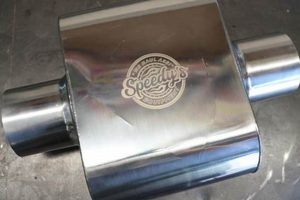
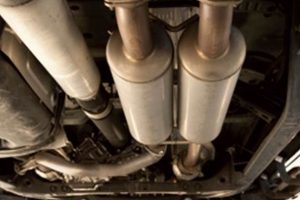
Vehicle exhaust systems are designed to mitigate engine noise. A component vital to this process is the muffler. When a vehicle’s exhaust becomes excessively noisy, the source of the increased volume frequently stems from a compromised or failing muffler. This elevated noise level can manifest as a deep rumble, a sputtering sound, or even a metallic rattling, depending on the nature of the issue affecting the exhaust component.
A properly functioning muffler is integral to maintaining acceptable noise pollution levels within communities and ensuring compliance with local regulations. Historically, early automotive designs often lacked sophisticated noise reduction systems, contributing to significant ambient noise in urban environments. The development and refinement of exhaust technology, including the muffler, has resulted in quieter, more environmentally considerate vehicles. A failing muffler not only impacts the immediate acoustic environment, but can also lead to legal repercussions if noise levels exceed permissible limits.
The causes for excessive exhaust noise are varied, but typically involve corrosion, physical damage, or internal component failure. Consequently, a detailed examination of the exhaust system is crucial to pinpoint the exact origin of the noise. This examination should include a visual inspection for rust, holes, and loose connections, as well as an assessment of the muffler’s structural integrity and internal condition.
Addressing Excessive Muffler Noise
To mitigate the problem of excessive exhaust noise, a systematic approach to diagnosis and repair is recommended. Several steps can be taken to identify and resolve issues contributing to increased volume emanating from the vehicle’s exhaust system.
Tip 1: Conduct a Visual Inspection: A comprehensive visual assessment of the muffler and exhaust piping is the initial step. Examine the components for signs of rust, corrosion, or physical damage such as dents, holes, or cracks. Pay particular attention to welded seams and joints, as these are common points of failure.
Tip 2: Check for Exhaust Leaks: With the engine running, carefully listen for hissing or sputtering sounds originating from the exhaust system. The presence of such noises often indicates an exhaust leak, which can significantly increase noise levels. Use a mechanic’s stethoscope or a length of hose to pinpoint the exact location of the leak.
Tip 3: Inspect Mounting Brackets and Hangers: Verify that all mounting brackets and hangers securing the exhaust system are intact and properly positioned. Damaged or missing supports can cause the exhaust system to vibrate excessively, generating additional noise and potentially leading to further damage.
Tip 4: Evaluate the Catalytic Converter: A failing catalytic converter can contribute to increased exhaust noise. Internal deterioration or blockage within the converter can restrict exhaust flow, causing backpressure and altering the sound of the exhaust note. A professional inspection is recommended to assess the condition of the catalytic converter.
Tip 5: Assess Muffler Internal Condition: The internal baffles within the muffler are designed to dampen sound waves. Over time, these baffles can deteriorate due to corrosion or thermal stress. If internal damage is suspected, replacement of the muffler is generally the most effective solution.
Tip 6: Consider Professional Diagnostic Services: If the source of the noise remains elusive after completing the aforementioned inspections, seeking assistance from a qualified automotive technician is advised. Diagnostic equipment and expertise can identify underlying issues that may not be readily apparent.
Addressing excessive exhaust noise promptly is crucial for maintaining vehicle performance, ensuring compliance with noise regulations, and contributing to a quieter environment. Regular inspections and timely repairs can prevent minor issues from escalating into more significant problems.
The next section will explore the maintenance and prevention strategies to prolong the life of your muffler and keep it operating effectively.
1. Corrosion

Corrosion is a primary contributor to the degradation of muffler integrity, ultimately leading to increased exhaust noise. The exhaust system, including the muffler, is subjected to harsh conditions, including extreme temperature fluctuations, exposure to moisture, road salts, and acidic condensation generated during combustion. This environment accelerates the corrosion process, weakening the metal and leading to the formation of rust. The initial stages of corrosion may manifest as surface rust, but, left unaddressed, it progresses to penetrate the metal, creating holes and compromising structural integrity.
As the muffler corrodes, the effectiveness of its sound-dampening capabilities diminishes. The internal baffles, designed to disrupt and attenuate sound waves, are particularly vulnerable to corrosion. When these baffles are compromised, the exhaust gases flow more directly through the muffler, resulting in a significant increase in noise levels. For instance, vehicles operating in regions with harsh winters, where road salts are heavily used, often experience accelerated muffler corrosion. Similarly, vehicles that are frequently used for short trips, where the exhaust system does not reach optimal operating temperature, are more prone to corrosion due to the accumulation of acidic condensation. The consequences of untreated corrosion can range from increased noise pollution and regulatory non-compliance to eventual exhaust system failure, potentially leading to costly repairs.
Therefore, preventative measures, such as regular visual inspections, undercarriage washes to remove road salts, and the application of rust inhibitors, are crucial for mitigating corrosion and prolonging the lifespan of the muffler. Addressing even minor signs of corrosion promptly can prevent its escalation into a more significant problem that affects the exhaust system’s performance and contributes to increased noise. A proactive approach to corrosion control is essential for maintaining a quiet and compliant vehicle.
2. Damage

Physical damage to a muffler represents a significant cause of increased exhaust noise. The muffler’s location under the vehicle renders it susceptible to impacts from road debris, such as rocks, potholes, and other obstructions. These impacts can cause dents, punctures, or even complete ruptures of the muffler’s casing. Even seemingly minor damage can compromise the muffler’s internal structure and its ability to attenuate sound effectively. For example, striking a large rock can create a hole in the muffler, allowing exhaust gases to escape prematurely and directly into the atmosphere, resulting in a noticeable increase in noise levels. Similarly, repeated impacts can weaken the muffler’s welds and seams, leading to leaks and further amplifying the noise.
The importance of assessing damage as a contributing factor to exhaust noise cannot be overstated. A thorough visual inspection, performed either by the vehicle owner or a qualified technician, is essential for identifying any physical damage to the muffler. This inspection should include a careful examination of the muffler’s exterior, looking for signs of dents, punctures, cracks, or rust. Additionally, the inspector should check the condition of the muffler’s mounting brackets and hangers to ensure that the muffler is securely attached to the vehicle. In cases where damage is suspected but not immediately apparent, a mechanic may use a stethoscope or other diagnostic tools to listen for exhaust leaks, which can indicate the presence of a hidden puncture or crack. For instance, a delivery van constantly driving on unpaved roads could experience muffler damage more often than a car used only for city driving.
In conclusion, physical damage is a critical consideration when investigating the source of excessive muffler noise. Prompt identification and repair of damage are essential not only for reducing noise pollution but also for preventing further damage to the exhaust system and ensuring the vehicle’s compliance with local regulations. Addressing damage proactively helps preserve the vehicle’s performance, longevity, and quiet operation. Ignoring such damage can lead to more extensive repairs down the road.
3. Leaks

Exhaust leaks are a common cause of increased exhaust system noise. These leaks disrupt the intended flow of exhaust gases, allowing them to escape prematurely and create noticeable sounds. Understanding the various types and locations of exhaust leaks is crucial for diagnosing and addressing the root cause of elevated noise levels.
- Piping Leaks
Exhaust piping connects the engine to the muffler and other exhaust components. Corrosion, physical damage from road debris, or faulty welds can lead to leaks in the piping. These leaks often manifest as hissing or sputtering sounds, particularly during engine acceleration. An example is a rust-weakened pipe section developing a small hole, causing a high-pitched whistling sound that increases with engine RPM. Piping leaks directly contribute to increased noise by allowing exhaust gases to bypass the muffler’s sound-dampening capabilities.
- Gasket and Connection Leaks
Gaskets are used to seal connections between different exhaust components, such as the exhaust manifold, catalytic converter, and muffler. Over time, these gaskets can deteriorate due to heat and pressure, leading to leaks. Leaks at these connections often produce a distinctive puffing or chugging sound. For instance, a worn gasket between the exhaust manifold and the exhaust pipe can create a rhythmic pulsing noise that is most noticeable at idle. These leaks compromise the integrity of the exhaust system, allowing exhaust gases to escape before reaching the muffler.
- Muffler Body Leaks
The muffler itself can develop leaks due to corrosion, physical damage, or internal baffle failure. These leaks are often characterized by a deep rumbling or rattling sound, depending on the nature and location of the breach. An example is a corroded muffler developing a hole in its casing, resulting in a loud, booming noise that becomes more pronounced at higher speeds. Muffler body leaks directly negate the muffler’s intended function of reducing exhaust noise.
- Welded Seam Leaks
The welds that join different sections of the exhaust system, including the muffler, are vulnerable to cracking and separation due to thermal stress and vibration. Leaks at these welded seams often present as a high-pitched squeal or whistle, particularly when the engine is under load. A cracked weld on the muffler casing allows exhaust gases to escape, reducing the system’s noise reduction capacity.
In summary, exhaust leaks, regardless of their location, directly contribute to increased noise levels by disrupting the intended flow of exhaust gases and bypassing the muffler’s sound-dampening mechanisms. Identifying and addressing exhaust leaks promptly is crucial for restoring the vehicle’s quiet operation and preventing further damage to the exhaust system.
4. Blockage

Blockage within the exhaust system, including the muffler, significantly elevates exhaust noise levels. Obstructions restrict the free flow of exhaust gases, creating backpressure and altering the characteristic sound emitted from the tailpipe. The location and nature of the blockage dictate the specific type of noise produced, ranging from a low rumble to a sputtering or hissing sound.
A common cause of blockage stems from a failing catalytic converter. As the internal components of the converter deteriorate, they can collapse and create a physical obstruction within the exhaust stream. This restriction forces the engine to work harder to expel exhaust gases, resulting in increased noise. Another source of blockage is debris accumulation within the muffler itself. Over time, rust particles, carbon deposits, and even foreign objects can accumulate inside the muffler, reducing its internal volume and impeding the flow of exhaust. Such blockages disrupt the muffler’s ability to dampen sound waves effectively, leading to a noticeable increase in exhaust noise. Additionally, a crimped or severely bent exhaust pipe can create a significant restriction, leading to a similar effect. For example, driving over a large object in the road may cause the exhaust pipe to be crushed, creating a point of blockage. This increased backpressure can also negatively impact engine performance and fuel efficiency.
Recognizing blockage as a potential cause of increased exhaust noise is critical for accurate diagnosis and effective repair. A thorough inspection of the exhaust system should include checking for signs of physical damage, such as dents or crushed pipes, as well as assessing the condition of the catalytic converter and muffler. Addressing blockage promptly can restore proper exhaust flow, reduce noise levels, and improve engine performance, while ignoring this issue can lead to more severe problems.
5. Baffles
Baffles are integral components within a muffler, engineered to attenuate engine exhaust noise. These strategically placed partitions disrupt the direct path of exhaust gases, forcing them to travel through a series of chambers and passages. This tortuous path causes sound waves to reflect and interfere with each other, resulting in a reduction of noise emitted from the tailpipe. When baffles degrade or fail, the muffler’s ability to dampen sound is compromised, leading to an increase in perceived exhaust noise. The structural integrity of the baffles directly correlates with the muffler’s overall effectiveness in noise reduction.
The deterioration of baffles often occurs due to corrosion, thermal fatigue, or physical damage. Exposure to acidic exhaust gases and extreme temperature fluctuations accelerates corrosion, weakening the baffle material. Over time, this weakening can lead to cracking, crumbling, or complete disintegration of the baffles. Physical damage, caused by impacts from road debris or internal pressure fluctuations, can also contribute to baffle failure. For instance, in older vehicles, it is common to find mufflers where the internal baffles have rusted away completely, leaving an empty chamber. This loss of internal structure effectively renders the muffler useless, resulting in significantly increased exhaust noise. The sound emitted is often described as a hollow or booming noise, distinct from the normal exhaust note.
Therefore, the condition of the baffles is a critical factor in determining the effectiveness of a muffler. Regular inspection of the exhaust system, including listening for changes in exhaust note, can provide early indications of baffle degradation. Addressing baffle issues promptly, typically through muffler replacement, is essential for maintaining acceptable noise levels, ensuring regulatory compliance, and preventing further damage to the exhaust system. Recognizing the role of baffles in noise reduction underscores the importance of selecting high-quality mufflers and performing routine maintenance to prolong their lifespan.
6. Connections

The integrity of connections within an exhaust system is crucial to its overall performance and noise reduction capabilities. A compromised connection, whether due to corrosion, improper installation, or mechanical failure, presents a pathway for exhaust gases to escape prematurely. This escape disrupts the designed flow path through the muffler, diminishing its ability to attenuate sound. The resultant elevated noise level can be traced directly to the compromised connection. Examples include leaks at the exhaust manifold gasket, where the exhaust system connects to the engine, or at the joints between the catalytic converter, muffler, and tailpipe sections. The effectiveness of the muffler is predicated upon a sealed system up to its outlet. A breach in this seal negates its sound-dampening design.
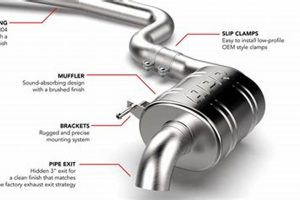
The types of connections utilized in exhaust systems vary, including flanged connections with gaskets, slip-fit connections secured by clamps, and welded joints. Each connection type possesses inherent strengths and weaknesses concerning durability and resistance to leaks. Welded joints, if executed properly, offer a high degree of sealing integrity but are susceptible to cracking under stress or corrosion at the weld site. Flanged connections allow for easier component replacement but require properly torqued fasteners and intact gaskets to maintain a seal. Slip-fit connections rely on clamping force, which can diminish over time due to thermal cycling and corrosion, leading to leaks. Regular inspection of these connections is essential for preventative maintenance, as even minor leaks can progressively worsen, leading to increased noise and potential exhaust system damage.
Ultimately, the impact of compromised connections on exhaust system noise underscores the importance of meticulous installation and routine maintenance. Ensuring that connections are properly sealed and free from corrosion or damage is essential for preserving the muffler’s effectiveness and minimizing exhaust noise. Addressing connection issues promptly prevents the escalation of problems, safeguarding the vehicle’s performance, regulatory compliance, and the acoustic environment. The connection between the source of “why is my muffler so loud” and connections is unavoidable.
Frequently Asked Questions
This section addresses common queries regarding increased noise emanating from a vehicle’s muffler. The information provided aims to offer clarity and guidance on the underlying causes and potential remedies for this issue.
Question 1: What are the primary indicators of a failing muffler?
Increased exhaust noise is the most prominent indicator. This noise may manifest as a deep rumble, a sputtering sound, or a metallic rattling, depending on the nature and location of the damage. Visual inspection may reveal rust, holes, or physical damage to the muffler casing.
Question 2: Can driving habits influence muffler lifespan?
Yes. Frequent short trips, where the exhaust system does not reach optimal operating temperature, can accelerate corrosion due to the accumulation of acidic condensation within the muffler. Aggressive driving, which places increased stress on the engine and exhaust system, may also contribute to premature wear.
Question 3: Is it possible to repair a damaged muffler, or is replacement always necessary?
The feasibility of repair depends on the extent and nature of the damage. Minor leaks or small holes can sometimes be patched or welded. However, if the muffler is severely corroded, structurally compromised, or has extensive internal damage, replacement is generally the more practical and cost-effective solution.
Question 4: Does a louder exhaust always indicate a problem with the muffler?
Not necessarily. Increased exhaust noise can also result from leaks in other parts of the exhaust system, a failing catalytic converter, or modifications made to the exhaust system. A thorough inspection is required to pinpoint the exact source of the noise.
Question 5: Are there legal restrictions on exhaust noise levels?
Yes. Most jurisdictions have regulations governing permissible exhaust noise levels. Exceeding these limits can result in fines or citations. The specific regulations vary by location, so it is important to be aware of the laws in the area of operation.
Question 6: What are the potential consequences of ignoring excessive muffler noise?
Ignoring excessive muffler noise can lead to several negative consequences. Aside from the annoyance factor, it can result in regulatory non-compliance, reduced fuel efficiency, and potential damage to other exhaust system components. Furthermore, a compromised exhaust system can pose safety risks due to the potential for carbon monoxide leaks.
In summary, diagnosing and addressing excessive muffler noise promptly is crucial for maintaining vehicle performance, ensuring legal compliance, and promoting environmental responsibility. Ignoring this issue can lead to more significant problems and increased costs in the long run.
The subsequent section will discuss maintenance practices designed to extend muffler life and optimize exhaust system performance.
Conclusion
The preceding exploration of “why is my muffler so loud” has illuminated the multifaceted nature of this issue. Corrosion, physical damage, leaks, blockages, and the deterioration of internal components all contribute to elevated exhaust noise. Accurate diagnosis necessitates a systematic approach, encompassing visual inspection, leak detection, and assessment of component integrity. Repair strategies range from minor patching to complete muffler replacement, guided by the severity and extent of the underlying problem.
Addressing increased muffler noise transcends mere inconvenience. It is an imperative for regulatory compliance, environmental responsibility, and the preservation of vehicle operational integrity. Neglecting this issue invites potential legal ramifications, compromised fuel efficiency, and accelerated deterioration of related exhaust system components. A proactive stance, characterized by diligent maintenance and prompt remediation, represents the responsible course of action.