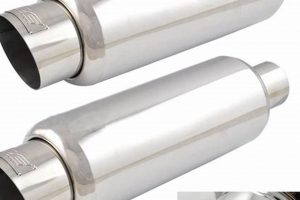
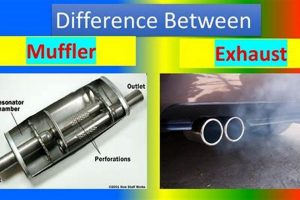
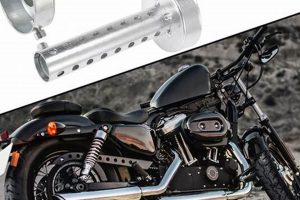
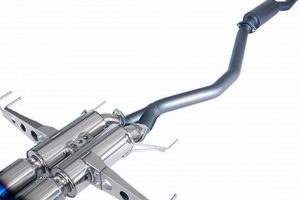
An aftermarket component designed to replace or augment a vehicle’s original sound dampening device. These units typically attach to the existing exhaust system using fasteners, simplifying the installation process compared to welding or custom fabrication. An example would be a performance-oriented unit installed on a passenger car to alter its exhaust note.
The significance of these components lies in their ability to modify a vehicle’s sound characteristics and, in some instances, improve exhaust flow. Historically, modification of this system element has been a common practice among automotive enthusiasts seeking to personalize their vehicles. The perceived benefits range from aesthetic enhancements to potential performance gains.
The subsequent sections will delve into the various types available, factors to consider during selection, installation considerations, and relevant regulatory aspects impacting their use. These factors are essential for informed decision-making and responsible implementation.
Essential Considerations for Aftermarket Exhaust Systems
The following recommendations are provided to ensure a suitable selection and proper application of an aftermarket sound dampening component.
Tip 1: Compatibility Verification: Prior to purchase, confirm compatibility with the target vehicle’s make, model, and year. Incompatible components may result in improper fitment or reduced performance. Consult manufacturer specifications or a qualified automotive technician.
Tip 2: Material Selection: Evaluate the material composition based on environmental factors and desired longevity. Stainless steel offers corrosion resistance in diverse climates, while aluminized steel provides a more economical alternative.
Tip 3: Sound Level Assessment: Research the anticipated sound level produced by the selected component. Exceeding local noise ordinances can result in legal repercussions. Consider sound level measurements prior to and after installation.
Tip 4: Installation Procedure Review: Familiarize oneself with the installation process prior to commencing work. Proper tools and adherence to manufacturer instructions are critical for a secure and leak-free installation. Professional installation is recommended if experience is limited.
Tip 5: Periodic Inspection: Conduct routine inspections of the installed component for signs of damage or corrosion. Promptly address any issues to maintain optimal performance and prevent system failures. Inspect for leaks at connection points.
Tip 6: Performance Expectations: Understand that a modification of this type may not always yield substantial performance gains. Focus on achieving the desired sound characteristics and ensuring proper function within the exhaust system.
The application of these guidelines will facilitate a more informed decision, leading to a successful integration of the chosen aftermarket part.
The subsequent section will address regulatory requirements pertaining to exhaust system modifications.
1. Vehicle Compatibility
Vehicle compatibility is a critical factor directly influencing the successful integration and performance of an aftermarket sound dampening device. Incompatible systems may lead to physical fitment issues, such as misalignment with existing exhaust hangers or connections. This can necessitate modifications, negating the “bolt on” aspect of the product. Functionality is also affected; an improperly sized system can cause backpressure issues, resulting in decreased engine performance. An example of this would be installing a system designed for a large-displacement engine onto a smaller, four-cylinder engine. The reduced exhaust velocity may lead to inefficient scavenging and a loss of power.
Furthermore, the electronic control unit (ECU) of modern vehicles relies on specific exhaust backpressure characteristics for optimal engine operation. Deviating from these parameters through the use of an incompatible component may trigger diagnostic trouble codes (DTCs) and potentially compromise emissions compliance. Consider the instance of a late-model vehicle equipped with oxygen sensors that monitor exhaust gases. A poorly matched system can alter these readings, leading to incorrect fuel trims and potential catalytic converter damage.
Therefore, meticulous verification of vehicle compatibility, including make, model, year, engine type, and drivetrain configuration, is essential prior to procurement. Employing manufacturer-provided compatibility charts or seeking advice from qualified automotive professionals minimizes the risk of incompatibility and ensures the intended functionality and benefits of the aftermarket component are realized. Failure to address compatibility can lead to significant performance degradation, increased expense, and potential damage to the vehicle’s exhaust system.
2. Material Durability
Material durability is a paramount consideration regarding aftermarket sound dampening components. The exhaust system operates in a harsh environment, subject to high temperatures, corrosive gases, road salts, and physical impacts from road debris. Consequently, the longevity and performance of a “bolt on exhaust muffler” are directly influenced by the inherent durability of its constituent materials. For instance, a system constructed from low-grade steel will be susceptible to rapid corrosion, leading to structural failure, exhaust leaks, and increased noise levels. The effect would be a significantly reduced lifespan compared to a system built from more resistant materials. The practical significance of understanding this relationship resides in the prevention of premature component failure and associated replacement costs.
The selection of appropriate materials directly correlates with the intended use and operating environment of the vehicle. Stainless steel alloys, such as 304 or 409, are commonly employed due to their superior corrosion resistance compared to aluminized steel or mild steel. In regions with harsh winters characterized by extensive road salt application, the advantage of stainless steel becomes pronounced, preventing the rapid deterioration observed in less resistant materials. Furthermore, the gauge (thickness) of the material contributes to its ability to withstand physical impacts. Thicker gauge materials provide enhanced resistance to dents and punctures from road debris, extending the component’s service life. An example would be a performance vehicle operating in a challenging environment needing a thicker gauge stainless steel due to those conditions.
In summary, material durability constitutes a critical determinant of the overall value and performance of these aftermarket systems. The selection of appropriate materials, considering factors such as corrosion resistance and physical impact resistance, ensures a prolonged service life and reliable operation. Ignoring this aspect can result in premature component failure, increased maintenance costs, and compromised vehicle performance. Therefore, purchasers are advised to prioritize material quality as a key factor in the selection process, considering both the initial investment and the long-term operational costs.
3. Sound Characteristics
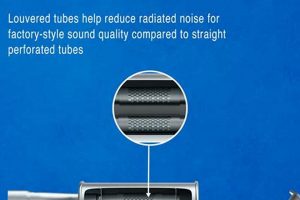
The selection of an aftermarket sound dampening component directly dictates the auditory signature produced by a vehicle’s exhaust system. This characteristic, often referred to as sound characteristics, encompasses several quantifiable and subjective elements including volume, tone, and resonance. The modification or replacement of the original equipment manufacturer (OEM) muffler constitutes a primary method for altering these aspects. Consequently, an understanding of the interrelation between muffler design and resulting sound properties is crucial for informed decision-making. For example, a system utilizing a straight-through design with minimal internal baffling typically produces a louder and more aggressive tone compared to a chambered muffler that employs multiple internal partitions to attenuate sound waves.
The impact of sound characteristics extends beyond mere aesthetics; regulatory compliance and driver comfort are also pertinent considerations. Many jurisdictions enforce noise ordinances that impose limitations on permissible vehicle sound levels. Selecting a component that exceeds these limits can result in legal penalties. Furthermore, excessive exhaust noise can contribute to driver fatigue and passenger discomfort, particularly during extended journeys. A practical application of this knowledge involves carefully assessing the intended use of the vehicle and selecting a component that balances desired sound modification with regulatory requirements and practical considerations. As an illustration, an individual primarily using their vehicle for daily commuting may prioritize a muffler with a moderate tone and minimal drone, whereas an enthusiast seeking enhanced auditory feedback on a dedicated track vehicle may opt for a louder and more aggressive system.
In summary, the selection of a “bolt on exhaust muffler” is intrinsically linked to the sound characteristics it imparts to the vehicle. The interplay between muffler design, sound properties, regulatory compliance, and driver comfort necessitates a comprehensive understanding of this relationship. By considering these factors, consumers can make informed decisions that align with their individual preferences, operational requirements, and legal obligations. Ignoring these factors can lead to unwanted sound profiles, legal ramifications, and decreased driving satisfaction. The prudent course involves thorough research and consultation with qualified professionals to ensure the selected system provides the desired auditory experience while adhering to all applicable regulations.
4. Installation Ease
Installation ease is a primary attribute associated with aftermarket sound dampening components designed for direct replacement. The term “bolt on exhaust muffler” implies a streamlined installation process requiring minimal specialized tools or extensive mechanical expertise. This ease of installation is a key selling point, attracting vehicle owners seeking to modify their exhaust system without incurring professional labor costs.
- Direct Fitment Design
Direct fitment designs are engineered to match the factory mounting points and dimensions of the original equipment manufacturer (OEM) muffler. This eliminates the need for cutting, welding, or fabrication. A correctly designed system will align seamlessly with existing exhaust hangers and connecting flanges, facilitating a straightforward replacement. An example is a system designed to fit a specific vehicle model; its hangers and pipe diameter will be identical to the OEM parts.
- Comprehensive Hardware Inclusion
Reputable manufacturers include all necessary hardware, such as gaskets, nuts, bolts, and clamps, within the product packaging. The inclusion of these components streamlines the installation process, preventing delays caused by sourcing additional parts. An instance involves a system including new exhaust manifold gaskets to ensure a leak-free seal upon installation.
- Clear Installation Instructions
Detailed and well-illustrated installation instructions are crucial for a successful installation. These instructions should clearly outline each step, including recommended torque specifications and potential problem areas. A high-quality instruction manual can guide individuals with limited mechanical experience through the replacement process, minimizing the risk of errors. As an example, torque specifications prevent over tightening and gasket damage.
- Minimal Tool Requirements
A true “bolt on” system should require only basic hand tools, such as wrenches, sockets, and screwdrivers, for installation. Specialized tools, such as welding equipment or pipe benders, should not be necessary. This accessibility enables a broader range of vehicle owners to perform the installation themselves. An example is using a socket set to remove existing bolts from your muffler.
The collective effect of these facets directly impacts the accessibility and convenience of modifying a vehicle’s exhaust system. “Bolt on exhaust muffler” systems prioritize installation ease to appeal to a wide range of consumers, from experienced mechanics to novice vehicle owners. However, while these systems are designed for simplified installation, adherence to manufacturer instructions and basic mechanical knowledge are still essential for a successful outcome. Professional installation remains a viable option for those lacking confidence or experience.
5. Legality Compliance
Legality compliance constitutes a critical aspect in the selection and installation of aftermarket sound dampening components. Regulations governing exhaust noise levels and emissions control are prevalent in many jurisdictions, necessitating careful consideration to ensure adherence to local laws and standards. Installing a “bolt on exhaust muffler” that violates these regulations can result in fines, mandatory vehicle inspections, and potential legal liabilities.
- Noise Level Restrictions
Many regions implement decibel limits for vehicle exhaust systems. Aftermarket mufflers must comply with these noise regulations to be street legal. Exceeding the permissible decibel level can result in citations during routine traffic stops or mandatory vehicle inspections. As an example, California Vehicle Code Section 27151 restricts the modification of exhaust systems to increase noise levels beyond established limits.
- Emissions Control System Integrity
Federal and state laws mandate the preservation of original emissions control equipment. Altering or removing components like catalytic converters is strictly prohibited. Aftermarket mufflers must not interfere with the proper functioning of these systems. An aftermarket system that causes the vehicle to fail an emissions test renders it non-compliant and subject to penalties. As an example, altering or removing the catalytic converter is a federal offense and could also be state law violations.
- Local Ordinances and Regulations
Municipalities often have specific ordinances pertaining to vehicle noise and modifications. These local regulations can vary significantly, necessitating research into applicable laws before installing an aftermarket system. Installing a “bolt on exhaust muffler” that complies with state laws may still violate local ordinances, resulting in fines. An example would be a city ordinance restricting vehicle noise levels during certain hours of the night.
- Inspection and Certification Requirements
Some jurisdictions require vehicle inspections to verify compliance with emissions and noise regulations. Installing a “bolt on exhaust muffler” may necessitate obtaining certification to demonstrate adherence to applicable standards. Failing to pass these inspections can result in the vehicle being deemed non-roadworthy. As an example, vehicles registered in some states must undergo periodic emissions testing to ensure they meet established standards.
The importance of legality compliance cannot be overstated. Vehicle owners must meticulously research and understand the applicable laws and regulations in their respective jurisdictions prior to installing a “bolt on exhaust muffler”. Failure to do so can lead to significant legal and financial repercussions. Consulting with qualified automotive professionals or exhaust system specialists can provide valuable guidance in selecting a compliant system and ensuring proper installation.
Frequently Asked Questions
The following questions address common inquiries regarding aftermarket sound dampening components, providing clarification and guidance on their selection and application.
Question 1: What defines a ‘bolt on exhaust muffler’ and how does it differ from other exhaust modifications?
A ‘bolt on exhaust muffler’ is characterized by its direct-fit design, intended for straightforward replacement of the original equipment manufacturer (OEM) muffler without requiring welding or extensive fabrication. This contrasts with custom exhaust systems that necessitate significant modifications and specialized installation techniques.
Question 2: Will installing a ‘bolt on exhaust muffler’ void the vehicle’s warranty?
The impact on the vehicle’s warranty depends on several factors. Generally, installing an aftermarket component will not automatically void the entire warranty. However, if the aftermarket muffler directly causes damage to related components, the manufacturer may deny warranty coverage for those specific parts. Adherence to manufacturer guidelines and professional installation can mitigate potential warranty issues.
Question 3: How does the internal design of a ‘bolt on exhaust muffler’ affect its sound characteristics?
The internal design significantly influences the sound produced. Chambered mufflers utilize internal partitions to attenuate sound waves, resulting in a quieter tone. Straight-through designs, with minimal internal obstructions, typically produce a louder and more aggressive sound. The specific design determines the volume, tone, and resonance of the exhaust note.
Question 4: What materials offer the best balance of durability and cost-effectiveness for a ‘bolt on exhaust muffler’?
Stainless steel alloys, such as 304 and 409, provide excellent corrosion resistance and durability, making them suitable for diverse climates. Aluminized steel offers a more economical alternative, although it is less resistant to corrosion. The optimal choice depends on the vehicle’s operating environment and budget constraints.
Question 5: How can one ensure that a ‘bolt on exhaust muffler’ complies with local noise regulations?
Compliance with noise regulations requires careful research of applicable laws and standards in the relevant jurisdiction. Consulting with exhaust system specialists and reviewing product specifications can help ensure that the selected muffler meets the specified decibel limits. Sound level testing after installation may be necessary to confirm compliance.
Question 6: What are the potential performance benefits associated with installing a ‘bolt on exhaust muffler’?
While primarily intended for sound modification, certain aftermarket mufflers can potentially improve exhaust flow, leading to minor performance gains. Straight-through designs with larger diameter piping offer reduced exhaust backpressure, which may result in increased horsepower and torque. However, the extent of these performance benefits can vary depending on the vehicle and the specific design of the muffler.
In summary, informed decision-making is essential when selecting and installing aftermarket sound dampening components. Consideration of factors such as warranty implications, sound characteristics, material durability, and legality compliance contributes to a successful and satisfactory modification.
The next section will address maintenance procedures and long-term care of aftermarket exhaust systems.
Conclusion
The preceding sections have outlined key considerations surrounding the selection, installation, and maintenance of “bolt on exhaust muffler” components. Critical factors include vehicle compatibility, material durability, sound characteristics, ease of installation, and compliance with relevant regulations. Thorough evaluation of these aspects is essential for informed decision-making and the attainment of desired outcomes.
Modification of a vehicle’s exhaust system represents a consequential alteration. Responsible implementation necessitates adherence to best practices and a comprehensive understanding of applicable laws. Future trends may emphasize increased regulatory scrutiny and the development of more sophisticated sound management technologies. Prospective purchasers are advised to conduct thorough research and seek professional guidance to ensure long-term satisfaction and responsible vehicle modification.