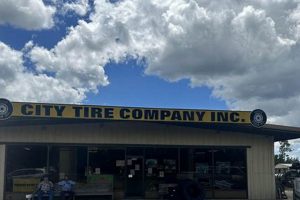
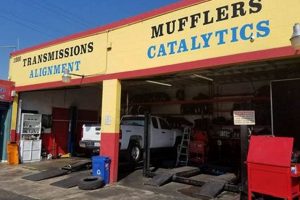
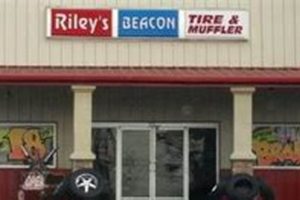
A business specializing in automotive exhaust system maintenance and tire services requires reliability. This encompasses offering quality repairs, durable parts, and consistent service delivery. Such establishments typically provide services ranging from muffler replacement and exhaust system repair to tire sales, installation, and balancing. They cater to a broad spectrum of vehicle owners seeking to maintain or improve their vehicle’s performance, safety, and environmental impact.
The significance of these service providers lies in their contribution to vehicle safety and regulatory compliance. Properly functioning mufflers reduce noise pollution and ensure vehicles meet legal sound emission standards. Well-maintained tires are crucial for optimal handling, braking performance, and fuel efficiency, thus minimizing the risk of accidents and reducing operational costs. Historically, these services have evolved alongside automotive technology, adapting to changing vehicle designs and increasingly stringent environmental regulations.
Consequently, subsequent sections will elaborate on the key aspects of selecting a reputable provider, the range of services offered, maintenance best practices, and the impact of these services on vehicle performance and environmental considerations.
Tips for Maintaining Vehicle Exhaust and Tire Systems
Maintaining a vehicle’s exhaust and tire systems is crucial for safety, performance, and regulatory compliance. Adhering to a few key guidelines can extend the lifespan of these components and prevent costly repairs.
Tip 1: Regular Visual Inspections: Conduct periodic visual inspections of the muffler and exhaust system for signs of rust, damage, or leaks. Check tires for wear, cuts, bulges, and proper inflation.
Tip 2: Proper Tire Inflation: Maintain tire pressure at the manufacturer’s recommended levels. Under- or over-inflated tires can lead to uneven wear, reduced fuel efficiency, and compromised handling.
Tip 3: Routine Tire Rotation: Rotate tires according to the vehicle manufacturer’s recommendations. This practice promotes even wear and extends the lifespan of the tire set.
Tip 4: Prompt Repair of Exhaust Leaks: Address exhaust leaks immediately. Leaks can lead to decreased fuel efficiency, increased emissions, and potential health hazards.
Tip 5: Avoid Harsh Driving Conditions: Minimize exposure to potholes, curbs, and other road hazards. Such conditions can damage tires and exhaust components.
Tip 6: Regular Alignment Checks: Schedule routine alignment checks to ensure proper tire wear and vehicle handling. Misalignment can cause uneven tire wear and steering problems.
Tip 7: Professional Inspections: Engage qualified technicians to conduct thorough inspections of the exhaust and tire systems during routine maintenance intervals. These professionals can identify potential problems before they escalate.
Implementing these strategies will contribute to extended component lifespan, improved vehicle safety, and reduced maintenance expenses. Consistent and proactive maintenance of exhaust and tire systems is a critical aspect of responsible vehicle ownership.
The following sections will address the selection of reputable service providers and the potential environmental benefits of proper exhaust system maintenance.
1. Quality Parts

The integration of quality parts is fundamental to the operation of any reliable automotive service provider. Specifically for establishments offering muffler and tire services, the use of durable and properly engineered components directly impacts customer satisfaction and the establishment’s long-term reputation.
- Durability and Longevity
High-quality mufflers, fabricated from corrosion-resistant materials, exhibit extended lifespans, thereby minimizing the need for frequent replacements. Similarly, premium tires, engineered with robust construction and advanced tread compounds, withstand demanding conditions and offer improved wear resistance. Utilizing inferior components leads to premature failure, resulting in recurring repairs and customer dissatisfaction.
- Performance and Safety
Quality mufflers ensure effective noise reduction and optimal exhaust flow, contributing to improved engine performance and fuel efficiency. Tires designed with advanced tread patterns and sidewall construction provide enhanced grip, stability, and braking performance, critical for vehicle safety. Compromising on part quality diminishes performance characteristics and elevates the risk of accidents.
- Warranty and Reliability
Reputable parts manufacturers often offer warranties on their products, providing an added layer of protection for consumers. A dependable muffler and tire shop will typically utilize parts with established warranty programs, demonstrating confidence in the components’ reliability and providing recourse in the event of premature failure. Shops that offer no warranty imply lower quality parts, which may create increased cost in repairs later down the road.
- Compatibility and Fitment
Genuine or OEM-quality replacement parts are engineered to precise specifications, ensuring proper fitment and seamless integration with the vehicle’s existing systems. Using generic or poorly manufactured parts can lead to installation challenges, compromised performance, and potential damage to other vehicle components. Shops that cut corners on parts, could cut corners elsewhere.
The commitment to using quality parts directly reflects an automotive service provider’s dedication to customer satisfaction and long-term reliability. By prioritizing durable, performance-oriented, and warranty-backed components, establishments can foster trust, cultivate repeat business, and establish a reputation as a dependable resource for automotive maintenance and repair services.
2. Skilled Technicians
A direct correlation exists between the expertise of technicians and the overall dependability of a muffler and tire shop. Skilled technicians possess the diagnostic acumen to accurately identify exhaust and tire-related issues, preventing unnecessary repairs and ensuring effective solutions. Their proficiency in employing specialized equipment, from tire balancing machines to exhaust system welding tools, guarantees precise and safe service execution. For instance, a technician trained in advanced tire pressure monitoring system (TPMS) diagnostics can swiftly pinpoint sensor malfunctions, mitigating potential safety hazards and ensuring regulatory compliance. A less skilled technician might misdiagnose the problem, leading to ineffective or even detrimental repairs.
The impact of skilled technicians extends to preventative maintenance, where their expertise can prolong component lifespans and minimize the risk of future breakdowns. Regular tire rotations, performed according to manufacturer specifications, are critical for even tread wear and extended tire usability. Similarly, a skilled exhaust technician can identify and address minor corrosion issues before they escalate into major leaks, saving customers significant repair costs. In the context of tire installation, proper torque application to lug nuts is paramount for wheel security and preventing potential wheel detachment during vehicle operation. Technicians with appropriate training and certification demonstrate a commitment to adhering to industry best practices, translating directly into enhanced service reliability.
In conclusion, skilled technicians are an indispensable component of any dependable muffler and tire shop. Their expertise ensures accurate diagnostics, effective repairs, and preventative maintenance, contributing directly to customer safety, regulatory compliance, and long-term vehicle performance. While quality parts and fair pricing are important considerations, the proficiency of the technicians ultimately determines the shop’s capacity to deliver reliable and value-added services. The continuous training and certification of technicians are crucial for adapting to evolving vehicle technologies and maintaining high standards of service quality.
3. Fair Pricing

Fair pricing, in the context of a muffler and tire shop, signifies a commitment to transparent and justifiable costs for parts and labor. This involves charging rates that are competitive within the local market while reflecting the actual value of the services rendered. A dependable establishment will provide clear and detailed estimates, itemizing the costs of individual components and the associated labor charges. Hidden fees or unexpected surcharges are antithetical to this principle. For example, an establishment offering a muffler replacement should clearly delineate the cost of the muffler itself, any required hardware, and the labor involved in the installation. A tire shop should transparently display tire prices, including mounting, balancing, and disposal fees, before commencing any work.
The absence of fair pricing can erode customer trust and damage the reputation of a business, regardless of the quality of its technical work. Instances of price gouging or charging excessively for minor repairs can lead to negative reviews and loss of future business. Conversely, an establishment known for its fair pricing often experiences increased customer loyalty and positive word-of-mouth referrals. This positive perception contributes directly to the shop’s long-term sustainability and success. Moreover, fair pricing fosters a sense of partnership between the shop and its customers, promoting open communication and collaborative decision-making regarding vehicle maintenance.
In summary, fair pricing is not merely a matter of competitive rates; it is an integral component of establishing a dependable muffler and tire shop. It reflects a commitment to honesty, transparency, and customer satisfaction. While technical expertise and quality parts are essential, fair pricing solidifies the foundation of trust upon which a long-term and mutually beneficial relationship between the shop and its clientele is built. A business that prioritizes ethical pricing practices demonstrates a genuine commitment to serving the community and upholding its reputation for integrity.
4. Timely Service

The provision of timely service constitutes a critical element in establishing a dependable muffler and tire shop. Efficient service minimizes vehicle downtime, directly impacting customer convenience and productivity. Delays in repairs or maintenance can disrupt daily routines, leading to customer dissatisfaction and potential loss of business. For instance, a vehicle requiring muffler replacement should ideally be serviced within a specified timeframe, communicated transparently to the customer upon initial assessment. Similarly, tire replacement or repair services should adhere to agreed-upon timelines, accommodating customer schedules whenever feasible. Adherence to promised completion times fosters trust and demonstrates a commitment to respecting customer time.
The ability to provide timely service is often contingent upon several factors, including efficient workflow management, adequate staffing levels, and readily available parts inventory. Shops that streamline their operations, implement effective scheduling systems, and maintain strong relationships with parts suppliers are better positioned to meet customer expectations for prompt service. Conversely, inefficient processes, understaffing, or supply chain disruptions can contribute to delays and negatively impact customer satisfaction. Consider a scenario where a customer requires a tire rotation and balancing. A shop with an optimized workflow can typically complete this service within an hour, while a less organized establishment may require several hours or even a full day.
In summary, the provision of timely service is intrinsically linked to the concept of a dependable muffler and tire shop. It demonstrates a commitment to customer convenience, operational efficiency, and respect for customer time. By prioritizing timely service delivery, establishments can enhance customer satisfaction, foster loyalty, and solidify their reputation as reliable automotive service providers. Challenges related to workflow management and parts availability must be addressed proactively to ensure consistent and efficient service delivery.
5. Positive Reputation

A positive reputation serves as a critical indicator of a dependable muffler and tire shop. It reflects consistent delivery of quality service, ethical business practices, and customer satisfaction over time. This reputation is not spontaneously generated; it is earned through diligent effort, transparent communication, and a commitment to exceeding customer expectations. A shop known for its honest assessments, fair pricing, and skilled workmanship is likely to cultivate a positive reputation within the community. Conversely, negative experiences, such as overcharging, substandard repairs, or poor customer service, can quickly erode a shop’s standing.
The importance of a positive reputation is magnified in the context of automotive services, where trust and technical expertise are paramount. Customers often rely on online reviews, word-of-mouth referrals, and community endorsements to make informed decisions about where to entrust their vehicles. A shop with consistently positive reviews is more likely to attract new customers and retain existing ones. The establishment’s online presence, including its website, social media profiles, and responses to customer feedback, plays a significant role in shaping its reputation. Proactive engagement with customer concerns and a willingness to address issues transparently demonstrate a commitment to accountability and customer satisfaction. For instance, a business that promptly responds to negative online reviews, offering solutions and demonstrating a willingness to rectify problems, can mitigate potential damage to its reputation and even turn dissatisfied customers into advocates.
In conclusion, a positive reputation is an indispensable asset for a muffler and tire shop seeking to establish long-term dependability. It serves as a tangible representation of the shop’s commitment to quality, integrity, and customer satisfaction. Cultivating and maintaining a positive reputation requires ongoing effort, transparent communication, and a proactive approach to addressing customer concerns. The establishment’s reputation is a direct reflection of its values and operational practices, influencing customer trust and ultimately impacting its success within the competitive automotive service market.
Frequently Asked Questions
The following addresses common inquiries pertaining to muffler and tire services.
Question 1: What factors contribute to muffler degradation?
Muffler degradation is primarily influenced by exposure to corrosive elements such as road salt, condensation build-up within the exhaust system, and extreme temperature fluctuations. These factors accelerate rusting and weakening of the muffler’s structural integrity.
Question 2: How often should tires be rotated?
Tire rotation frequency is typically recommended every 5,000 to 7,000 miles, or as specified in the vehicle manufacturer’s maintenance schedule. Regular rotation promotes even tread wear, extending the lifespan of the tire set and optimizing vehicle handling.
Question 3: What are the potential consequences of neglecting exhaust leaks?
Neglecting exhaust leaks can lead to decreased fuel efficiency, increased emissions, elevated noise levels, and potential health hazards due to carbon monoxide exposure. Moreover, unaddressed leaks may result in damage to other vehicle components.
Question 4: What are the indicators of improper tire inflation?
Indicators of improper tire inflation include uneven tread wear, compromised handling, reduced fuel efficiency, and increased risk of tire failure. Regularly monitoring tire pressure and adhering to the manufacturer’s recommended levels are crucial for optimal performance and safety.
Question 5: What certifications are relevant for automotive technicians specializing in muffler and tire services?
Relevant certifications for automotive technicians include those offered by the National Institute for Automotive Service Excellence (ASE). ASE certifications in exhaust systems and tire service demonstrate competency and adherence to industry standards.
Question 6: How does muffler maintenance impact vehicle emissions?
Proper muffler maintenance ensures the exhaust system functions optimally, reducing harmful emissions and contributing to environmental compliance. A malfunctioning muffler can lead to increased levels of pollutants being released into the atmosphere.
Understanding these key aspects empowers vehicle owners to make informed decisions regarding muffler and tire maintenance.
The subsequent section will delve into the environmental considerations associated with muffler and tire services.
The Imperative of a Dependable Muffler & Tire Shop
This discourse has underscored the critical elements constituting a dependable muffler & tire shop. The synthesis of quality components, skilled technicians, fair pricing, timely service execution, and a positive reputation establishes the foundation for a reliable automotive service provider. Each attribute contributes directly to vehicle safety, regulatory compliance, and customer satisfaction. Neglecting any one of these factors compromises the overall dependability of the establishment and potentially jeopardizes vehicle performance and operational longevity.
Therefore, selecting a dependable muffler & tire shop warrants careful consideration and thorough due diligence. The long-term benefits of entrusting vehicle maintenance to a reputable provider far outweigh the potential short-term savings associated with opting for less qualified or less reliable establishments. The selection ultimately impacts vehicle safety, environmental responsibility, and the financial well-being of the vehicle owner.