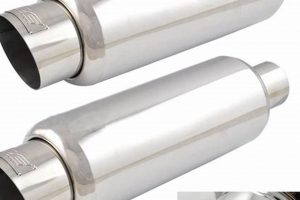
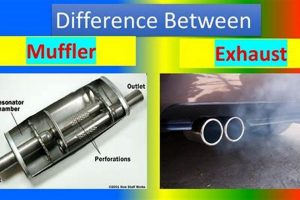
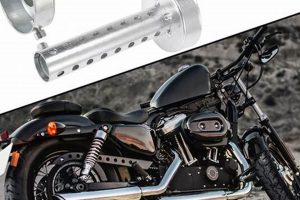
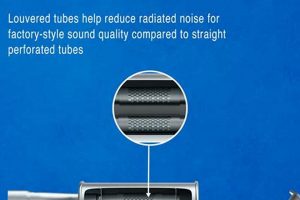
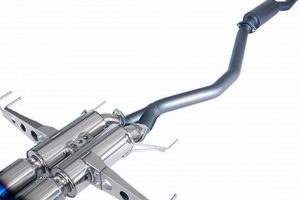
The components referenced relate to automotive exhaust systems, specifically those designed to modify or enhance the auditory experience produced by a vehicle. These aftermarket parts serve to alter the tone, volume, and overall characteristics of the engine’s exhaust note. These modifications cater to vehicle owners seeking a customized sound profile for their automobiles. For example, some products aim to create a deeper, more aggressive sound, while others focus on minimizing unwanted noise and drone.
The impact of these modifications extends beyond mere aesthetics. The perceived quality of an engine’s sound can significantly influence the driver’s enjoyment and engagement with the vehicle. Historically, modifications to exhaust systems have been a popular avenue for personalization and performance enhancement. The availability of various components allows for a wide range of customization options, catering to diverse preferences and requirements. The use of such systems can impact the perceived performance of the vehicle, even if the actual performance gains are minimal.
The subsequent sections will delve into the specific functionalities, material compositions, and installation considerations associated with these automotive sound modification parts. The characteristics of materials affect the tone of the exhaust system, and consideration should be made towards the compatibility to ensure a seamless integration and optimum performance.
Enhancing Vehicle Sound
The following guidelines provide information for selecting and implementing automotive sound modification parts, designed to optimize the auditory experience while mitigating potential issues.
Tip 1: Material Selection: Stainless steel offers superior corrosion resistance and longevity compared to aluminized steel, especially in regions with harsh climates. Consider stainless steel for long-term durability.
Tip 2: Diameter Considerations: Increasing the exhaust pipe diameter can enhance exhaust flow, potentially altering sound characteristics. However, excessively large diameters may lead to a hollow or raspy tone. Evaluate the vehicle’s engine displacement and intended use when determining optimal pipe diameter.
Tip 3: Muffler Design: Chambered mufflers tend to produce a louder, more aggressive sound, while turbo mufflers generally offer a quieter, more refined tone. Choose a muffler design that aligns with the desired sound profile.
Tip 4: Resonator Integration: Resonators help to eliminate unwanted frequencies and drone, particularly at cruising speeds. Integrating a resonator into the exhaust system can improve overall sound quality and driver comfort.
Tip 5: Professional Installation: Due to the complexity of exhaust system modification, professional installation is recommended. Improper installation can lead to exhaust leaks, reduced performance, and potential safety hazards.
Tip 6: Compliance Verification: Verify that any modifications comply with local noise regulations and emissions standards before installation. Failure to comply may result in fines or vehicle inspection failures.
These guidelines emphasize the importance of careful planning and execution when modifying the exhaust system. Prioritizing material quality, design compatibility, and professional expertise can ensure a satisfactory outcome.
The concluding section will summarize the benefits and drawbacks to consider when modifying your vehicle’s exhaust system.
1. Sound Customization
Sound customization, in the context of automotive exhaust systems, directly relates to the manipulation of auditory outputs produced by a vehicle’s engine. Aftermarket components are strategically selected to alter the tonal qualities, volume levels, and overall acoustic characteristics of the exhaust note, allowing vehicle owners to tailor the sound profile to their preferences. This customization ranges from subtle enhancements to more pronounced alterations, depending on the desired outcome.
- Frequency Tuning
Frequency tuning involves the selective manipulation of specific sound frequencies within the exhaust system. This is achieved through variations in muffler design, pipe diameter, and the incorporation of resonators. By isolating and modifying certain frequencies, unwanted noise and drone can be minimized, while desirable tones are amplified. Example: a performance muffler can be designed to emphasize lower frequencies, creating a deeper, more resonant sound profile, while a resonator can be added to cancel out higher-frequency harmonics that contribute to unwanted raspiness.
- Amplitude Control
Amplitude control refers to adjusting the overall loudness of the exhaust system. This is typically achieved through modifications to the muffler’s internal structure and the diameter of the exhaust piping. A larger diameter exhaust pipe generally results in a louder sound, while a more restrictive muffler will dampen the sound. Example: a chambered muffler, characterized by its multiple internal chambers, can significantly reduce sound volume compared to a straight-through design.
- Timbre Modification
Timbre modification focuses on altering the tonal color or quality of the exhaust note. This can be achieved through variations in material selection, such as stainless steel versus aluminized steel, or through the use of specialized muffler packing materials. The selection of such materials affects the tonal quality. Example: stainless steel typically produces a brighter, more metallic tone, while fiberglass packing material within a muffler can soften the sound and reduce harshness.
The interplay of frequency tuning, amplitude control, and timbre modification allows for a wide range of sound customization options, enabling vehicle owners to create a unique auditory signature. While the impact on actual vehicle performance may be minimal, the subjective experience of the driver and observers is significantly enhanced by these modifications. Further, it is important to note that changes to exhaust systems can affect compliance with noise regulation.
2. Material Composition

Material composition plays a pivotal role in determining the longevity, performance, and sound characteristics of exhaust system components. The materials selected for construction directly influence the system’s resistance to corrosion, its ability to withstand high temperatures, and the resulting auditory profile. These considerations are crucial when evaluating aftermarket sound modification parts. Therefore, the choice of material is of significant importance when purchasing an exhaust system.
- Stainless Steel Alloys
Stainless steel alloys, such as 304 and 409, are frequently employed in exhaust system construction due to their superior corrosion resistance compared to mild steel. 304 stainless steel offers enhanced resistance to rust, making it suitable for applications where exposure to road salts and moisture is prevalent. 409 stainless steel provides a more cost-effective alternative with adequate corrosion resistance for many environments. The specific alloy chosen impacts the lifespan and maintenance requirements of the exhaust system.
- Aluminized Steel
Aluminized steel consists of mild steel coated with a layer of aluminum, offering improved corrosion resistance compared to uncoated steel. This material provides a balance between cost and durability, making it a common choice for original equipment manufacturer (OEM) exhaust systems. However, aluminized steel is less resistant to corrosion than stainless steel alloys, particularly in areas with harsh weather conditions. Over time, the aluminum coating may degrade, leading to rust formation.
- Titanium
Titanium alloys offer exceptional strength-to-weight ratios and superior corrosion resistance, making them desirable for high-performance exhaust systems. Titanium is significantly lighter than steel, reducing the overall vehicle weight and potentially improving handling. However, titanium is considerably more expensive than steel alloys, limiting its application to specialized or premium vehicles.
- Internal Packing Materials
The composition of internal packing materials within mufflers, such as fiberglass, steel wool, or ceramic fibers, influences the sound absorption and attenuation characteristics of the exhaust system. Fiberglass packing provides effective sound dampening but can degrade over time due to heat exposure, leading to increased exhaust noise. Steel wool offers greater durability but may produce a harsher sound profile. Ceramic fibers provide superior heat resistance and longevity, maintaining consistent sound attenuation over extended periods.
The interplay between these materials significantly impacts the overall performance and longevity of exhaust system modifications. Choosing materials that align with the intended use case and environmental conditions ensures optimal durability, sound quality, and resistance to corrosion. The material composition influences the perceived performance and driver experience. The careful consideration of all aspects of material usage, including sound dampening and exhaust flow, is critical to achieving a satisfactory upgrade.
3. Performance Impact

The perceived or actual changes in a vehicle’s operational capabilities, stemming from modifications to the exhaust system, warrant careful evaluation. The installation of aftermarket sound modification parts can influence engine efficiency, power delivery, and fuel economy. It is essential to understand the potential ramifications of these alterations to ensure that desired aesthetic changes do not compromise vehicle performance.
- Exhaust Flow Dynamics
Optimizing the exhaust flow path directly affects engine performance. Aftermarket components, such as high-flow mufflers and larger diameter piping, aim to reduce backpressure and improve the scavenging of exhaust gases from the cylinders. Reduced backpressure can enhance engine efficiency and potentially increase horsepower and torque, particularly at higher RPMs. However, excessively large diameter piping can reduce exhaust velocity at lower RPMs, negatively impacting low-end torque. The selection of components must align with the engine’s characteristics and intended usage.
- Engine Tuning Requirements
Significant alterations to the exhaust system may necessitate adjustments to the engine’s fuel and ignition maps. Modifications that substantially increase airflow can lean out the air-fuel mixture, potentially leading to engine damage. Retuning the engine’s computer (ECU) ensures that the air-fuel ratio remains within optimal parameters, maximizing performance gains and preventing detrimental effects. Retuning may involve recalibrating the mass airflow sensor and adjusting fuel injection timing.
- Weight Reduction Considerations
Aftermarket exhaust components, particularly those constructed from lightweight materials such as titanium, can contribute to overall vehicle weight reduction. Reducing weight improves acceleration, braking, and handling characteristics. The magnitude of the performance improvement is proportional to the amount of weight saved. While the weight savings from exhaust modifications alone may be relatively small, it contributes to the cumulative effect of other performance enhancements.
- Drone and Resonance Mitigation
Modifications to the exhaust system can introduce undesirable drone and resonance, particularly at cruising speeds. These noises can detract from the driving experience and cause driver fatigue. Incorporating resonators and carefully selecting muffler designs can mitigate drone and resonance, improving the overall refinement of the vehicle. Effective noise mitigation balances performance gains with driver comfort.
These facets illustrate the multifaceted relationship between aftermarket sound modification parts and vehicle performance. While the primary objective may be to enhance the auditory experience, a comprehensive understanding of exhaust flow dynamics, engine tuning requirements, weight reduction considerations, and drone mitigation strategies is essential to achieving optimal results without compromising vehicle reliability or drivability. Therefore, a nuanced perspective on these factors is paramount when considering such modifications.
4. Installation Complexity

The installation of aftermarket automotive sound modification components, including mufflers, presents a spectrum of complexity dependent upon several factors. These include the design of the exhaust system, the nature of the modification, the vehicle’s make and model, and the installer’s level of expertise. The challenges inherent in exhaust modification extend beyond simply attaching a new component; they often involve precise cutting, welding, and alignment to ensure a secure and leak-free fit. Furthermore, improper installation can lead to reduced performance, increased noise levels, and potential damage to the vehicle.
The intricacy of the installation process underscores the importance of either possessing the requisite skills and tools or entrusting the task to a qualified professional. For instance, a direct bolt-on muffler replacement on a modern vehicle might seem straightforward. However, even in this scenario, ensuring proper alignment to avoid stress on exhaust hangers and preventing leaks at connection points demands attention to detail. More involved modifications, such as custom exhaust fabrication or the integration of resonators, require advanced welding skills and a comprehensive understanding of exhaust flow dynamics. Ignoring these complexities can result in subpar performance or premature component failure.
Therefore, the complexity associated with exhaust system modifications warrants careful consideration. While the allure of enhanced vehicle sound is undeniable, the potential for installation errors and their consequent effects necessitate a balanced approach. Whether opting for a DIY installation or seeking professional assistance, a thorough assessment of the installation requirements and the installer’s capabilities is essential. This approach minimizes risks and maximizes the likelihood of achieving the desired sound modification while maintaining the vehicle’s performance and reliability.
5. Regulatory Compliance

The automotive industry operates under a framework of regulations designed to ensure public safety, environmental protection, and noise abatement. Modifications to vehicle exhaust systems, specifically those intended to alter the sound profile, are subject to scrutiny under these regulatory frameworks. Compliance with these standards is essential to avoid penalties and maintain vehicle legality.
- Noise Emission Standards
Many jurisdictions impose limits on the maximum permissible noise levels generated by vehicles. These standards are often measured in decibels (dB) at specified distances from the vehicle under controlled conditions. Aftermarket exhaust components that increase noise levels beyond the legal limit may result in fines or vehicle inspection failures. Compliance is typically demonstrated through testing and certification of the exhaust system.
- Emission Control System Integrity
Regulations often prohibit modifications that compromise the functionality of emission control systems, such as catalytic converters and oxygen sensors. Altering or removing these components can lead to increased emissions of harmful pollutants, violating environmental regulations and potentially causing engine damage. Exhaust modifications must maintain the integrity of these systems to ensure compliance.
- Visual Inspection Requirements
Many vehicle inspection programs include a visual inspection of the exhaust system to verify that it conforms to original equipment manufacturer (OEM) specifications or approved aftermarket alternatives. Modifications that are deemed unsafe, non-compliant, or excessively loud may result in inspection failure. This inspection aims to identify modifications that compromise vehicle safety or environmental performance.
- Certification and Labeling
Some jurisdictions require aftermarket exhaust components to be certified and labeled as compliant with relevant regulations. This certification provides assurance that the component has been tested and meets established performance and safety standards. The absence of proper certification may raise concerns regarding the legality and safety of the modification.
These considerations underscore the significance of regulatory compliance when modifying exhaust systems for sound enhancement. Modifications must adhere to noise emission standards, maintain the integrity of emission control systems, pass visual inspections, and possess appropriate certification. A failure to comply with these regulations can result in penalties and compromise vehicle legality and safety.
6. Resonance Control
Resonance control is a critical aspect of designing and implementing automotive exhaust systems, particularly concerning aftermarket sound modification components. Exhaust systems inherently generate resonant frequencies due to the combustion process and the physical characteristics of the piping and muffler. Uncontrolled resonance manifests as undesirable drone or booming sounds, detracting from the auditory experience and potentially causing driver fatigue. In the context of modification components, resonance control aims to mitigate these unwanted frequencies while preserving or enhancing the desired exhaust note. For instance, certain components, designed to produce a deep, aggressive tone, often require sophisticated internal baffling or resonators to prevent the amplification of specific frequencies that result in unpleasant drone at cruising speeds.
Effective resonance control is achieved through several methods, including the use of resonators, strategically placed chambers within the muffler, and sound-absorbing materials. Resonators are tuned to cancel out specific frequencies that contribute to drone, functioning as acoustic filters. Chambered mufflers utilize internal baffles to redirect and cancel sound waves, reducing overall noise levels and shaping the exhaust note. Sound-absorbing materials, such as fiberglass or steel wool, dampen sound waves as they pass through the muffler, further reducing resonance. For example, a performance muffler might incorporate a Helmholtz resonator tuned to counteract the dominant drone frequency produced at a specific engine RPM, providing a more refined sound experience without sacrificing the desired tonal qualities.
In summation, resonance control is an indispensable element of aftermarket sound modification. The careful management of resonant frequencies ensures that alterations enhance, rather than detract from, the driving experience. Furthermore, it ensures maintaining an audible and enjoyable sound profile. Challenges remain in achieving a balance between performance gains, desired sound characteristics, and effective drone mitigation. However, a comprehensive understanding of acoustic principles and the application of appropriate design strategies enables the creation of exhaust systems that provide an engaging auditory experience without compromising driver comfort or regulatory compliance.
7. Durability

The longevity and resilience of automotive exhaust systems, including sound modification components, are critically intertwined with material selection, environmental exposure, and operational stresses. In the context of aftermarket parts intended to alter the auditory characteristics of a vehicle, durability assumes heightened importance. The investment in components engineered for sound customization necessitates a robust construction capable of withstanding corrosive elements, thermal cycling, and physical impacts encountered during normal vehicle operation. The correlation between the quality of materials and the lifespan of the exhaust system is therefore paramount. For example, stainless steel, compared to aluminized steel, exhibits superior resistance to rust and corrosion, making it a more durable choice for regions with harsh climates or frequent exposure to road salts. This direct material-driven causal relationship impacts not only the structural integrity of the exhaust system but also the consistency of its sound profile over time.
Durability directly impacts the practical significance of aftermarket exhaust systems. The capacity to endure prolonged usage without degradation ensures that the intended sound profile remains consistent. An exhaust system that succumbs to rust, corrosion, or structural failure not only compromises the aesthetic benefit of the modification but also poses potential safety hazards due to exhaust leaks or component detachment. Consider a scenario where an exhaust system fabricated from low-grade steel experiences rapid corrosion, leading to exhaust leaks and reduced engine performance. This illustrates how compromised durability negates the intended benefits of the sound modification, resulting in diminished vehicle functionality and potential repair costs. This highlights the importance of proper maintenance, such as regular inspections for rust and the use of protective coatings, to extend the life of the system.
In conclusion, durability is an indispensable attribute of sound modification exhaust systems. Material selection directly influences resistance to environmental factors, ensuring longevity and consistent performance. While the primary objective of such components may be sound customization, the practical significance of durability cannot be overstated. The long-term performance and safety are dependent on component resilience. Recognizing and prioritizing durability during the selection and installation process is critical to maximizing the value and lifespan of the modification. The future of aftermarket sound customization hinges on the continued development of durable materials and construction techniques that can withstand the rigors of diverse operating environments.
walker soundfx exhaust muffler
The subsequent questions address common inquiries and concerns regarding automotive sound modification components, specifically related to exhaust systems.
Question 1: What is the primary function of automotive sound modification components in the context of exhaust systems?
The primary function involves altering the auditory characteristics produced by a vehicle’s engine. These components modify the tone, volume, and overall sound quality to suit individual preferences.
Question 2: What materials are commonly used in the construction of exhaust systems designed for sound modification, and what are their respective advantages?
Common materials include stainless steel, aluminized steel, and titanium. Stainless steel offers superior corrosion resistance, aluminized steel provides a cost-effective alternative with moderate corrosion resistance, and titanium offers exceptional strength-to-weight ratio and corrosion resistance.
Question 3: How does altering the exhaust system impact the vehicle’s overall performance?
Modifications can affect exhaust flow dynamics, potentially increasing horsepower and torque. However, improper modifications may negatively impact low-end torque or require engine retuning to maintain optimal air-fuel ratios.
Question 4: Are there any legal considerations associated with modifying a vehicle’s exhaust system for sound enhancement?
Modifications must comply with local noise regulations and emission standards. Non-compliance can result in fines or vehicle inspection failures.
Question 5: What is the purpose of resonators in an exhaust system, and how do they contribute to sound quality?
Resonators help eliminate unwanted frequencies and drone, improving overall sound quality and driver comfort, particularly at cruising speeds.
Question 6: How does the internal design of a muffler affect the sound produced by the exhaust system?
Chambered mufflers tend to produce a louder, more aggressive sound, while turbo mufflers generally offer a quieter, more refined tone.
The information presented herein underscores the importance of informed decision-making when modifying exhaust systems. Factors such as material selection, performance impact, regulatory compliance, and resonance control must be carefully considered.
The next section will delve into specific installation considerations and maintenance practices for aftermarket sound modification components.
Conclusion
The assessment of “walker soundfx exhaust muffler” components reveals a multifaceted interplay of acoustic engineering, material science, and regulatory compliance. Effective selection and implementation necessitate a comprehensive understanding of exhaust flow dynamics, resonance control, and adherence to noise emission standards. The pursuit of enhanced auditory experience must be balanced against potential performance impacts and the imperative of environmental responsibility.
Future development of these components should prioritize advancements in sustainable materials and noise reduction technologies. Ongoing research into acoustic cancellation and adaptive exhaust systems may yield innovative solutions that optimize both sound quality and environmental impact. Vehicle owners should prioritize compliance and responsible modification practices to ensure the long-term viability of automotive sound enhancement.