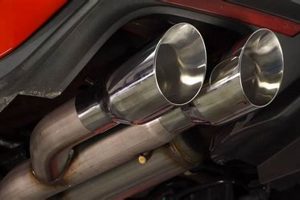
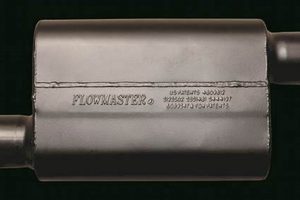
The condition where a vehicle’s exhaust system produces an elevated noise level, often exceeding established acceptable parameters, is generally indicative of a compromise in the integrity of the system. This unwanted increase in decibel output can range from a subtle change to a considerably pronounced and disruptive sound. As an example, a car that previously emitted a low rumble at idle may now produce a roaring or hissing sound, particularly during acceleration.
The presence of this heightened acoustic output is significant due to potential regulatory implications. Most jurisdictions have laws governing vehicle noise pollution; exceeding specified limits can result in fines or mandatory repairs. Furthermore, unchecked acoustic emissions can indicate underlying mechanical issues impacting engine performance and fuel efficiency. Historically, the evolution of exhaust systems has been driven by the need to minimize both environmental impact and noise pollution, making the system’s function a crucial aspect of vehicle maintenance and operation.
Understanding the underlying causes and diagnostic procedures is critical in addressing excessive exhaust system noise. The subsequent sections will delve into common causes, diagnostic methods, and repair strategies for restoring a vehicle’s exhaust system to its designed operating parameters and minimizing unwanted acoustic emissions. This includes exploring issues like corrosion, structural damage, and component failure within the exhaust system.
Addressing Excessive Exhaust System Noise
The following provides insights into mitigating elevated acoustic output from a vehicle’s exhaust.
Tip 1: Conduct a Visual Inspection. Examine the entire exhaust system, from the exhaust manifold to the tailpipe. Look for signs of rust, holes, cracks, or loose connections. These visual indicators often pinpoint the source of an acoustic issue.
Tip 2: Check for Exhaust Leaks. With the engine running, carefully listen for hissing or puffing sounds along the exhaust pipes and connections. A stethoscope or a length of hose can aid in locating subtle leaks. Escaping exhaust gases are a primary contributor to elevated noise levels.
Tip 3: Evaluate Muffler Condition. The muffler’s internal baffles deteriorate over time, reducing its ability to attenuate sound. Inspect the muffler body for corrosion and listen for rattling noises within the unit, indicating internal damage.
Tip 4: Inspect the Catalytic Converter. A damaged or clogged catalytic converter can cause backpressure, potentially leading to unusual noises emanating from the exhaust system. Check for physical damage and ensure proper function.
Tip 5: Verify Hanger Integrity. Exhaust system hangers secure the components to the vehicle’s undercarriage. Broken or deteriorated hangers allow excessive movement and vibration, which can amplify noise. Ensure all hangers are intact and properly supporting the exhaust system.
Tip 6: Confirm Pipe Connections. Examine all connections between exhaust components, including flanges and clamps. Loose or corroded connections allow exhaust gases to escape, creating excessive noise. Tighten or replace connections as needed.
Tip 7: Consider Professional Diagnosis. If the source of the noise cannot be readily identified, a qualified mechanic can perform a comprehensive inspection using specialized equipment, such as a backpressure tester or an exhaust gas analyzer.
Adhering to these recommendations can aid in identifying and resolving issues related to elevated exhaust system noise, potentially avoiding regulatory penalties and ensuring optimal vehicle performance.
The subsequent sections will offer in-depth diagnostic methods and repair solutions to maintain optimal exhaust system function.
1. Deterioration
The degradation of exhaust system components directly impacts the acoustic characteristics of a vehicle. Component failure, primarily due to material fatigue and environmental exposure, allows for increased noise emissions, altering the intended sound profile.
- Corrosion and Rust Formation
Prolonged exposure to moisture, road salts, and temperature fluctuations accelerates corrosion on exhaust system components. This weakening of the metal structure creates perforations and structural weaknesses, resulting in exhaust leaks and amplified noise levels. As the material degrades, the system’s ability to contain and dampen sound waves diminishes, leading to increased acoustic output.
- Internal Baffle Degradation
Within the muffler, a series of baffles directs exhaust gases through a convoluted path, reducing sound intensity. Over time, these internal components can corrode, break apart, or become dislodged due to thermal stress and vibration. The compromised baffle structure reduces the muffler’s sound dampening effectiveness, leading to a noticeable increase in noise emissions. The presence of rattling sounds within the muffler often indicates baffle failure.
- Material Fatigue and Cracking
Repeated heating and cooling cycles cause thermal stress on exhaust system components, leading to material fatigue and the formation of cracks. These cracks serve as pathways for exhaust gas leakage, disrupting the intended flow and allowing for increased noise propagation. The severity of the acoustic impact correlates with the size and location of the cracks within the system.
- Joint and Connection Failure
Exhaust system joints and connections are susceptible to corrosion and loosening over time. Deterioration of gaskets and seals allows for exhaust gas leakage at these points, contributing to increased noise emissions. Loose clamps and flanges further exacerbate the issue, creating gaps through which gases can escape, altering the designed acoustic profile of the vehicle.
The aforementioned facets of exhaust system deterioration are intricately linked to the overall noise emissions profile of a vehicle. Addressing these factors through regular inspection and timely repairs is paramount in maintaining regulatory compliance and optimal vehicle performance. The impact of unchecked deterioration extends beyond increased noise levels, potentially affecting fuel efficiency and engine performance.
2. Exhaust Leaks

Exhaust leaks represent a significant source of increased acoustic output from a vehicle’s exhaust system. These leaks, often occurring due to corrosion, component failure, or loose connections, disrupt the controlled flow of exhaust gases, resulting in elevated noise levels. The integrity of the exhaust system directly influences the efficiency of noise attenuation, and any compromise in this system manifests as an undesirable increase in acoustic emissions.
- Location and Size of Leak
The placement and magnitude of an exhaust leak substantially influence the resultant noise. Leaks located closer to the engine, before the muffler, typically produce a louder and more pronounced sound due to the higher pressure and temperature of the escaping gases. Larger leaks, irrespective of location, permit a greater volume of gas to escape, intensifying the overall noise level. The perceived sound often ranges from a hissing or puffing noise to a more aggressive roaring sound, depending on the leak’s characteristics.
- Impact on Muffler Function
Exhaust leaks undermine the muffler’s intended function of attenuating sound. The muffler is engineered to dampen sound waves by directing exhaust gases through a series of chambers and baffles. When a leak occurs upstream of the muffler, a portion of the exhaust gases bypasses this dampening process. This bypass reduces the muffler’s effectiveness, leading to an overall increase in exhaust noise. The leak effectively short-circuits the muffler’s noise reduction capabilities.
- Frequency and Tone Alteration
Exhaust leaks not only increase the overall volume of exhaust noise but also alter its frequency and tone. The escaping gases create turbulent airflow, generating a wider spectrum of sound frequencies compared to the smooth flow within a sealed exhaust system. This alteration often results in a raspy or metallic tone, distinguishing the noise from the typical, muted sound of a properly functioning exhaust. The altered sound signature is a key indicator of a potential exhaust leak.
- Correlation with Engine Load
The intensity of exhaust leaks often correlates directly with engine load. During acceleration or periods of high engine demand, exhaust gas pressure increases, exacerbating the leakage and intensifying the associated noise. This correlation allows for easier identification of leaks during dynamic testing, such as revving the engine or performing an acceleration test. The increased noise under load is a reliable diagnostic indicator of a compromised exhaust system.
In summary, exhaust leaks represent a multifaceted contributor to increased acoustic output from a vehicle’s exhaust system. The location, size, and impact on muffler function, coupled with alterations in sound frequency and the correlation with engine load, all contribute to the overall noise profile. Identifying and addressing these leaks is crucial for maintaining regulatory compliance and ensuring optimal vehicle performance. The presence of exhaust leaks directly counteracts the intended noise-reducing properties of the muffler, resulting in an amplified and undesirable sound signature.
3. Internal baffle damage
Internal baffle damage within a muffler is a significant contributor to increased exhaust system noise, directly impacting the vehicle’s acoustic profile. The condition represents a compromise in the muffler’s primary function: attenuating sound waves generated by the engine’s combustion process.
- Erosion of Baffle Material
The exhaust system’s internal baffles are subject to constant exposure to high-temperature exhaust gases and corrosive byproducts. Over time, this exposure can lead to material erosion, weakening the structural integrity of the baffles. As the baffle material thins and corrodes, its ability to effectively dampen sound waves diminishes, resulting in an increase in overall noise levels. This erosion is accelerated by factors such as poor fuel quality and infrequent maintenance, and results in a louder, less controlled exhaust sound.
- Fracture and Dislodgement
Thermal stress and mechanical vibration can induce fractures within the internal baffles. These fractures weaken the baffle structure and can eventually lead to complete dislodgement of baffle components. Dislodged baffles rattle within the muffler casing, creating additional noise and further reducing the muffler’s sound-dampening capabilities. The presence of rattling sounds emanating from the muffler is a strong indicator of internal baffle fracture or dislodgement.
- Alteration of Exhaust Flow Path
Internal baffles are designed to direct exhaust gases through a specific, convoluted path within the muffler. This path is engineered to dissipate sound energy by forcing the gases to expand and contract, thereby reducing the amplitude of sound waves. When baffles are damaged or missing, the intended exhaust flow path is disrupted. This disruption allows exhaust gases to flow more directly through the muffler, bypassing the sound-dampening mechanisms. The altered flow path results in a less attenuated and consequently louder exhaust sound.
- Amplification of Harmonics
The geometry and arrangement of internal baffles are carefully designed to minimize the amplification of specific sound frequencies, or harmonics. Damage to the baffles can alter the muffler’s acoustic properties, leading to the amplification of certain frequencies. This amplification can result in a change in the tonal quality of the exhaust sound, often characterized by a droning or booming noise. The altered harmonics contribute to an overall increase in perceived loudness and can be particularly noticeable at specific engine speeds.
The aforementioned aspects of internal baffle damage directly compromise the muffler’s effectiveness in attenuating sound, resulting in a noticeable increase in exhaust system noise. The erosion, fracture, alteration of exhaust flow, and amplification of harmonics all contribute to the “muffler sounds loud” condition. Repair or replacement of the damaged muffler is often necessary to restore the vehicle’s acoustic profile to its designed specifications and ensure compliance with noise regulations.
4. Catalytic converter failure
Catalytic converter failure, while primarily an emissions control issue, can indirectly contribute to increased exhaust system noise. The malfunction alters exhaust gas flow and composition, potentially affecting the performance and sound characteristics of the muffler and other exhaust components. This connection, while not always direct, is a noteworthy consideration when diagnosing the underlying causes of elevated exhaust noise.
- Increased Backpressure
A clogged or internally collapsed catalytic converter significantly restricts exhaust gas flow, creating excessive backpressure. This increased pressure can propagate throughout the exhaust system, placing undue stress on the muffler and its internal components. The elevated pressure can exacerbate existing weaknesses in the muffler, such as corrosion or damaged baffles, leading to increased noise emissions. Furthermore, the backpressure itself can generate a distinct, low-frequency rumble or drone, contributing to the overall perception of excessive exhaust noise.
- Altered Exhaust Gas Composition
A failing catalytic converter does not efficiently convert harmful pollutants, resulting in altered exhaust gas composition. Unburned hydrocarbons and other byproducts can reach the muffler in higher concentrations. These uncombusted elements can undergo further combustion within the muffler itself, generating additional heat and pressure. This secondary combustion can damage the muffler’s internal structure and increase its noise output. The altered gas composition also affects the speed of sound propagation within the exhaust system, potentially altering the frequency and tone of the exhaust note.
- Resonance Effects
Changes in exhaust gas flow and temperature caused by catalytic converter failure can alter the resonant frequencies within the exhaust system. The system’s components, including the muffler, are designed to dampen specific frequencies to minimize noise. However, when the resonant frequencies shift due to altered gas flow, certain frequencies can be amplified rather than attenuated. This amplification can result in a noticeable increase in exhaust noise, often characterized by a booming or droning sound at specific engine speeds. The altered resonance can create a positive feedback loop, further exacerbating the noise problem.
- Physical Damage Propagation
The excessive heat and pressure generated by a failing catalytic converter can accelerate the deterioration of other exhaust system components, including the muffler. The increased thermal stress can weaken the muffler’s welds, accelerate corrosion, and contribute to baffle failure. Over time, this damage can lead to exhaust leaks and a significant increase in noise emissions. Therefore, catalytic converter failure can be viewed as a catalyst for a chain reaction of damage within the exhaust system, ultimately contributing to the “muffler sounds loud” condition.
In conclusion, while not a direct cause, catalytic converter failure can indirectly lead to increased exhaust system noise through increased backpressure, altered exhaust gas composition, resonance effects, and physical damage propagation. Addressing the underlying catalytic converter issue is essential not only for emissions control but also for mitigating potential noise-related problems within the exhaust system. The interconnectedness of these components underscores the importance of a comprehensive diagnostic approach when addressing concerns related to excessive exhaust noise.
5. Hanger compromise
Exhaust system hangers play a critical role in securing the exhaust assembly to the vehicle’s undercarriage. Compromise in their function directly influences the stability and vibrational characteristics of the entire system, thereby impacting acoustic output. Deterioration or failure of these components is a noteworthy contributor to elevated noise levels originating from the exhaust.
- Increased Vibration Transmission
Intact hangers provide damping, minimizing the transmission of engine and exhaust vibrations to the vehicle’s frame. When hangers degrade or break, this damping effect is reduced. This allows vibrations to propagate more freely throughout the exhaust system, amplifying noise. The increased vibration often manifests as a rattling or buzzing sound, particularly noticeable at specific engine speeds or during acceleration. The compromised hangers essentially transform the exhaust system into a more efficient sound radiator.
- Metal-on-Metal Contact
Degraded or broken hangers can lead to direct contact between the exhaust pipes and the vehicle’s chassis. This metal-on-metal contact creates a pathway for vibration transmission, amplifying noise and generating potentially irritating sounds. The contact points act as sounding boards, radiating noise more efficiently than a properly isolated exhaust system. This scenario is further exacerbated by the fact that the chassis itself can resonate at certain frequencies, amplifying the transmitted noise. Visual inspection often reveals shiny spots or wear marks on the exhaust pipes and chassis where contact is occurring.
- Stress Concentration on Exhaust Components
When hangers are compromised, the weight and movement of the exhaust system are not properly supported. This places undue stress on other exhaust components, such as the muffler and catalytic converter, particularly at their connection points. The increased stress can accelerate metal fatigue and cracking, potentially leading to exhaust leaks and further increases in noise emissions. The compromised hangers effectively transfer stress and vibration to the most vulnerable points in the system, increasing the likelihood of component failure and amplified noise.
- Alteration of Exhaust System Geometry
Hanger failure can cause the exhaust system to sag or shift from its intended position. This alteration in geometry can create clearance issues, leading to contact between the exhaust pipes and other vehicle components. Additionally, the change in position can affect the exhaust flow dynamics within the system, potentially altering resonant frequencies and increasing noise levels. The altered geometry may also strain flexible joints or bellows, accelerating their degradation and leading to exhaust leaks and amplified noise.
In summary, compromised exhaust system hangers contribute to the “muffler sounds loud” condition through increased vibration transmission, metal-on-metal contact, stress concentration on exhaust components, and alteration of exhaust system geometry. Addressing hanger issues is crucial not only for maintaining the structural integrity of the exhaust system but also for minimizing unwanted noise emissions. Regular inspection and timely replacement of worn or damaged hangers are essential for ensuring a quiet and properly functioning exhaust system.
6. Connection Corrosion

Corrosion affecting the connections within a vehicle’s exhaust system represents a significant factor contributing to increased acoustic output. These connections, typically involving flanges, clamps, and welds, are susceptible to environmental degradation, leading to compromised integrity and elevated noise levels.
- Creation of Exhaust Leaks
Corrosion weakens the seals at exhaust system connections, leading to the formation of exhaust leaks. These leaks allow high-pressure exhaust gases to escape, generating hissing or roaring sounds. The size and location of the leak directly influence the intensity of the noise. A small leak near the engine manifold may produce a high-pitched hiss, while a larger leak closer to the muffler can result in a deeper, more pronounced roar. The presence of exhaust leaks significantly diminishes the muffler’s ability to attenuate sound, resulting in a noticeably louder exhaust note.
- Compromised Structural Integrity
The structural integrity of exhaust system connections is critical for maintaining the system’s overall stability. Corrosion weakens the metal surrounding the connections, increasing the risk of fractures and component separation. This can lead to the complete detachment of exhaust sections, resulting in a dramatic increase in noise emissions. Furthermore, weakened connections are more susceptible to vibration-induced damage, accelerating the deterioration process and contributing to ongoing noise problems. The gradual erosion of metal due to corrosion undermines the structural soundness of the entire exhaust system, making it more prone to failure.
- Restricted Exhaust Flow
In some instances, corrosion can build up within exhaust system connections, partially obstructing the flow of exhaust gases. This restriction increases backpressure within the system, potentially affecting engine performance and creating unusual exhaust noises. The turbulent flow of gases through the corroded connection can generate whistling or rattling sounds. While not always the primary cause of increased noise, restricted flow due to corrosion can exacerbate existing noise issues and contribute to an overall increase in perceived loudness.
- Galvanic Corrosion Acceleration
The use of dissimilar metals in exhaust system connections can accelerate the corrosion process through galvanic action. When two different metals are in contact in the presence of an electrolyte (such as road salt or moisture), one metal corrodes more rapidly than the other. This accelerated corrosion weakens the connection and increases the likelihood of exhaust leaks and structural failure. The use of stainless steel components in conjunction with mild steel connections, for example, can lead to rapid corrosion of the mild steel, compromising the integrity of the connection and contributing to increased noise emissions.
The effects of connection corrosion on exhaust system noise are multifaceted, encompassing the creation of exhaust leaks, the compromise of structural integrity, restricted exhaust flow, and accelerated galvanic corrosion. Addressing corrosion at these connection points is crucial for mitigating unwanted acoustic emissions and ensuring the longevity and performance of the exhaust system. The resulting acoustic output serves as a clear indicator of underlying material degradation, demanding prompt attention to restore the vehicle’s optimal operating state.
7. Backpressure increase
Elevated backpressure within a vehicle’s exhaust system frequently contributes to an amplified sound profile. This phenomenon occurs when the flow of exhaust gases is impeded, often due to obstructions within the system. These obstructions may arise from a degraded catalytic converter, a collapsed muffler, or excessive carbon buildup within the exhaust pipes. The restricted flow forces the engine to expend additional energy to expel exhaust gases, leading to a characteristic alteration in sound. For instance, an aging vehicle with a partially blocked catalytic converter might exhibit a deeper, more resonant exhaust note, particularly under acceleration. This altered acoustic signature represents a direct consequence of the increased backpressure acting on the muffler and surrounding exhaust components.
The relationship between backpressure and exhaust noise is further complicated by the potential for component damage. Excessive backpressure places undue stress on the muffler’s internal structure, potentially leading to baffle failure or casing rupture. These failures, in turn, create additional pathways for exhaust gas leakage, further amplifying noise emissions. In practical terms, a vehicle initially experiencing a subtle increase in exhaust backpressure may, over time, develop more pronounced exhaust leaks and a significantly louder exhaust note due to the progressive degradation of the muffler. The accumulation of these effects underscores the importance of diagnosing and addressing backpressure issues promptly.
In summary, increased backpressure acts as a significant, often overlooked, contributor to amplified exhaust noise. The restricted flow not only alters the acoustic properties of the exhaust note but also accelerates the degradation of exhaust components, leading to a cascade of noise-related problems. Understanding this connection is essential for accurate diagnosis and effective repair strategies. Addressing the underlying cause of the backpressure is paramount in restoring the vehicle’s designed sound profile and preventing further damage to the exhaust system. The connection underscores the interconnectedness of exhaust system functionality and its effect on acoustic output, thus informing maintenance and repair procedures.
Frequently Asked Questions
The following addresses common inquiries regarding excessive vehicle exhaust noise and its potential causes.
Question 1: What are the typical indicators of increased exhaust system noise?
Typical indicators include a noticeable increase in exhaust volume, a change in the exhaust tone (e.g., a deeper rumble or a raspy sound), hissing or puffing noises emanating from the exhaust system, and rattling sounds originating from the muffler.
Question 2: What are the most frequent causes of elevated exhaust system noise?
Frequent causes include exhaust leaks (due to corrosion or loose connections), internal baffle damage within the muffler, catalytic converter failure, compromised exhaust system hangers, and excessive backpressure within the system.
Question 3: Is elevated exhaust system noise solely an annoyance, or does it indicate more significant underlying problems?
Elevated exhaust system noise often signals underlying mechanical issues that can affect engine performance, fuel efficiency, and emissions control. It also may indicate violations of local noise ordinances, potentially resulting in fines or mandatory repairs.
Question 4: Can simple visual inspection reveal the source of increased exhaust system noise?
A thorough visual inspection can often identify obvious issues, such as exhaust leaks, corrosion, or broken hangers. However, internal damage within the muffler or catalytic converter may require more advanced diagnostic techniques.
Question 5: What are the potential consequences of neglecting increased exhaust system noise?
Neglecting increased exhaust system noise can lead to worsening mechanical problems, reduced fuel efficiency, increased emissions, potential legal penalties, and eventual failure of exhaust components, necessitating costly repairs.
Question 6: Is it always necessary to replace the entire exhaust system when encountering increased noise levels?
Not always. Depending on the source and extent of the problem, individual components, such as the muffler, a section of exhaust pipe, or exhaust hangers, can be replaced to address the issue without requiring a complete system overhaul.
The key takeaway is that heightened exhaust system noise signals the need for a comprehensive evaluation to identify and address the underlying cause, ensuring optimal vehicle performance and regulatory compliance.
The subsequent sections will delve into specific diagnostic methods for accurately pinpointing the source of elevated acoustic output.
Conclusion
The preceding analysis has thoroughly examined the multifaceted causes and implications associated with the condition of a “muffler sounds loud”. The investigation encompassed aspects of component deterioration, exhaust leakage, internal baffle compromise, catalytic converter malfunction, hanger failure, connection corrosion, and excessive backpressure. These factors, individually and collectively, contribute to an undesirable amplification of a vehicle’s acoustic emissions. A heightened noise level serves as an indicator of potential system compromise and warrants further investigation.
Given the regulatory implications, performance detriments, and potential for escalating component damage linked to excessive exhaust noise, a proactive approach to diagnosis and repair is essential. Continued diligence in monitoring exhaust system acoustic characteristics and promptly addressing anomalies will ensure sustained compliance, optimal vehicle performance, and the minimization of costly future repairs. The functionality of a vehicle depends to its health, make sure to fix it with professional mechanic.