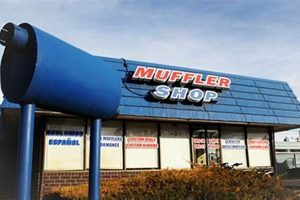
An establishment specializing in the maintenance, repair, and replacement of vehicle exhaust systems. This includes components such as mufflers, exhaust pipes, catalytic converters, and related hardware. A typical example offers services ranging from simple welding repairs to complete exhaust system overhauls.
These businesses play a crucial role in ensuring vehicle emissions compliance and reducing noise pollution. Functioning exhaust systems contribute significantly to fuel efficiency and overall engine performance. Historically, such shops have evolved alongside automotive technology, adapting to increasingly complex emission control regulations.
The following sections will delve into specific aspects of automotive exhaust system maintenance, diagnostics, and best practices for ensuring optimal vehicle performance and environmental responsibility.
Maintenance Strategies for Optimal Exhaust System Performance
Maintaining a vehicle’s exhaust system is paramount for optimal performance, fuel efficiency, and environmental compliance. Regular inspection and timely repairs can prevent costly damage and ensure adherence to emission standards.
Tip 1: Routine Visual Inspections: Conduct regular visual inspections of the exhaust system, paying close attention to any signs of rust, corrosion, or physical damage. Address any identified issues promptly to prevent escalation.
Tip 2: Promptly Address Unusual Noises: Investigate any unusual noises emanating from the exhaust system. Rattling, hissing, or roaring sounds may indicate leaks, loose components, or internal muffler damage.
Tip 3: Catalytic Converter Monitoring: Be attentive to changes in engine performance, such as reduced power or fuel economy. These symptoms could signal a failing catalytic converter, which requires immediate attention.
Tip 4: Exhaust Leak Detection: Employ a professional to conduct exhaust leak tests periodically. Leaks not only reduce engine efficiency but also pose health hazards due to the potential for carbon monoxide intrusion into the vehicle cabin.
Tip 5: Muffler Maintenance: Inspect the muffler for structural integrity. Corrosion can lead to internal deterioration, reducing its effectiveness in noise reduction. Consider replacement if significant corrosion is observed.
Tip 6: Utilize Qualified Technicians: Entrust complex exhaust system repairs and replacements to certified technicians with experience in exhaust system diagnostics and repair. Ensure proper installation and adherence to manufacturer specifications.
Adhering to these maintenance strategies will contribute to a longer lifespan for the vehicle’s exhaust system, minimizing repair costs and ensuring compliance with environmental regulations.
The following section provides further details on common exhaust system problems, diagnostic procedures, and repair options.
1. Exhaust System Diagnostics

Exhaust system diagnostics forms the cornerstone of operations. The effective diagnosis of exhaust-related issues directly impacts the quality and efficiency of repair services provided. A facility’s diagnostic capabilities determine its ability to accurately identify problems such as leaks, catalytic converter malfunctions, or muffler deterioration. For example, a customer experiencing reduced fuel economy might present a vehicle for evaluation. Proper diagnostics would differentiate between a simple exhaust leak and a more complex catalytic converter failure, leading to appropriate and cost-effective repairs.
Without accurate diagnostics, repair efforts become inefficient and may address only superficial symptoms rather than underlying problems. In such cases, customers might experience recurring issues or unnecessary expenses. Conversely, a facility with advanced diagnostic tools, such as exhaust gas analyzers and pressure testing equipment, can pinpoint problems with greater precision. This targeted approach enables technicians to perform specific repairs, reducing downtime and ensuring long-term reliability. Advanced diagnostics can also help identify issues that are not immediately apparent, preventing further damage to the vehicle.
Accurate diagnostics ultimately contribute to customer satisfaction, environmental compliance, and the overall reputation of exhaust service facilities. Facilities that prioritize comprehensive diagnostic procedures are better positioned to deliver effective and reliable exhaust system services, building trust with customers and ensuring vehicles operate within regulatory standards. Proper investment in diagnostic equipment is a sign of reliability.
2. Muffler Repair Techniques

The viability of an exhaust service hinges significantly on the proficiency in muffler repair techniques. These methods represent a core competency, influencing operational efficiency, cost-effectiveness, and customer satisfaction.
- Welding Applications
Welding forms a fundamental technique for addressing cracks, holes, and weakened seams in mufflers. The skill level in welding directly impacts the durability and longevity of the repair. For instance, a properly executed weld can restore structural integrity to a corroded muffler section, extending its service life. Inadequate welding, conversely, can lead to premature failure and necessitate costly replacements.
- Patching Strategies
Patching involves the application of specialized materials to seal small perforations or weakened areas in a muffler. This technique offers a cost-effective alternative to complete replacement, particularly for minor damage. The effectiveness of patching depends on the quality of the patching material and the precision of its application. Successful patching can provide a temporary yet viable solution, extending the lifespan of the muffler until a more comprehensive repair is required.
- Component Replacement
In cases where damage extends beyond localized repairs, component replacement becomes necessary. This involves replacing sections of the muffler, such as inlet or outlet pipes, or internal baffles. Precise cutting and welding are essential to ensure a proper fit and seal. Component replacement allows for targeted repairs, minimizing the overall cost compared to replacing the entire muffler assembly.
- Corrosion Prevention
Beyond the immediate repair, implementing corrosion prevention measures is crucial. This includes applying rust inhibitors and protective coatings to repaired areas. Proper corrosion prevention significantly extends the lifespan of repaired mufflers, reducing the frequency of future repairs. Facilities emphasizing corrosion prevention demonstrate a commitment to long-term customer value.
The skillful application of these techniques differentiates a capable exhaust service facility. The choice of repair method is determined by the extent of the damage, the age of the muffler, and the customer’s budget. A comprehensive understanding of these repair techniques ensures cost-effective and reliable service.
3. Catalytic Converter Replacement

Catalytic converter replacement constitutes a significant service offering for such establishments. The catalytic converter, a critical component in modern vehicle exhaust systems, reduces harmful emissions. Its malfunction results in reduced fuel efficiency, increased pollution, and potential vehicle operability issues. Therefore, replacement becomes necessary when the converter fails to meet emission standards, is physically damaged, or is internally compromised. The presence of a fully functional catalytic converter is also essential for compliance with emission regulations, thus impacting a vehicle’s legality to operate on public roads.
Such replacement services involve several steps. Technicians first diagnose the cause of converter failure, differentiating between issues internal to the converter and external factors such as engine problems that accelerate converter degradation. Following diagnosis, the old converter is removed, and a new, compliant unit is installed. This process requires specialized tools and expertise to ensure proper fit and sealing. Proper installation is essential for the converter to function effectively and prevent exhaust leaks, which can compromise vehicle performance and safety. The selection of a replacement converter is important to align with the vehicle’s make, model, and emission requirements.
In conclusion, catalytic converter replacement is an integral service provided by establishments. It directly addresses vehicle emission compliance, fuel efficiency, and overall engine performance. The quality of this service directly impacts a vehicle’s environmental footprint and the owner’s ability to legally operate the vehicle. The service underscores the role of such establishments in maintaining vehicle health and promoting environmental stewardship.
4. Welding Exhaust Components

Welding exhaust components represents a fundamental skill set and core service offered. The capacity to effectively weld exhaust system parts directly impacts repair quality, durability, and cost-effectiveness. This capability defines its operational efficiency and customer satisfaction.
- Structural Repair of Pipes and Mufflers
Welding enables the repair of cracks, holes, and weakened sections in exhaust pipes and mufflers. Properly executed welds restore structural integrity, preventing exhaust leaks and extending component lifespan. Example: A corroded exhaust pipe can be repaired by welding a patch over the damaged area, providing a cost-effective alternative to complete pipe replacement. Inadequate welding, conversely, results in premature failure and necessitates more extensive repairs.
- Exhaust System Modification and Customization
Welding facilitates the modification and customization of exhaust systems. This includes altering pipe routing, installing performance mufflers, and fabricating custom exhaust headers. These modifications often require precise welding to ensure proper fit and function. A vehicle owner seeking enhanced engine performance might request a custom exhaust system, which requires skilled welding to connect various components and ensure optimal flow.
- Attachment of Hangers and Brackets
Welding is essential for attaching exhaust hangers and brackets, which support the exhaust system and prevent excessive vibration. Securely welded hangers prevent the exhaust system from sagging or detaching, avoiding damage to other vehicle components. During exhaust system repair, technicians often re-weld or reinforce existing hangers to ensure long-term stability.
- Joining Dissimilar Metals
Exhaust systems may consist of different metals, such as steel and stainless steel. Welding these dissimilar metals requires specialized techniques and filler materials to prevent corrosion and ensure a strong, durable bond. The ability to weld dissimilar metals allows for the fabrication of exhaust systems with specific performance characteristics and corrosion resistance.
The proficiency in welding exhaust components is crucial. It influences the range of services offered, repair quality, and the ability to meet diverse customer needs. Skilled welding technicians can provide cost-effective repairs, custom exhaust solutions, and ensure the long-term reliability of vehicle exhaust systems. A facility with strong welding capabilities is better positioned to offer comprehensive exhaust services and build a reputation for quality workmanship.
5. Custom Exhaust Fabrication

Custom exhaust fabrication represents a specialized service often provided by facilities. This process involves the design and construction of exhaust systems tailored to specific vehicle requirements or performance goals. The capabilities in custom exhaust work differentiate a shop, indicating a higher level of technical expertise and resource investment.
- Performance Enhancement
Custom fabrication allows for optimized exhaust flow, improving engine horsepower and torque. This is achieved through alterations in pipe diameter, routing, and muffler design. A performance enthusiast may seek a custom exhaust to maximize engine output for racing or recreational purposes. In the context of a muffler shop, this capability attracts clients seeking more than just basic repairs.
- Aesthetic Customization
Beyond performance, custom fabrication enables aesthetic modifications to the exhaust system. This includes custom tailpipe designs, exhaust tip options, and overall system appearance. For example, a vehicle owner may desire a unique exhaust tip or a specific exhaust note to enhance their vehicle’s visual appeal and sound profile. It then requires specialized fabrication skills.
- Addressing Unique Vehicle Needs
Custom fabrication provides solutions for vehicles with unconventional exhaust system requirements. This includes classic cars, modified vehicles, or vehicles with aftermarket components that necessitate custom exhaust routing or fitment. Shops offering this service can accommodate a broader range of vehicles and customer needs, distinguishing it from standard repair facilities.
- Material Selection and Durability
Custom fabrication allows for the use of specific materials, such as stainless steel or titanium, to enhance exhaust system durability and corrosion resistance. These materials offer advantages over standard steel exhausts, particularly in harsh environments. A facility offering custom fabrication can tailor the system to withstand specific conditions, improving system longevity and performance. It is a cost-effective strategy.
The capacity for custom exhaust fabrication enriches the service offerings. It enables the facility to cater to specialized customer needs and performance requirements, fostering a reputation for technical proficiency and comprehensive automotive service. This capability enhances the value proposition, appealing to customers seeking performance enhancements, aesthetic customization, or solutions for unique vehicle applications.
6. Emission Compliance Testing

Emission compliance testing is a crucial aspect of vehicle maintenance, directly impacting operations, necessitating proficiency and regulatory awareness.
- Regulatory Mandates and Inspection Procedures
Emission compliance testing is mandated by governmental regulations to ensure vehicles meet established air quality standards. Testing procedures vary by jurisdiction but typically involve assessing exhaust emissions for pollutants such as hydrocarbons, carbon monoxide, and nitrogen oxides. Inspections may include visual checks of emission control components, such as catalytic converters and oxygen sensors. For instance, a vehicle failing an emissions test may require repairs to bring it into compliance before registration renewal. The consequences of non-compliance can include fines and restrictions on vehicle operation. Such mandates directly impact service volume and expertise requirements.
- Diagnostic Role in Identifying Emission-Related Faults
Emission testing often serves as a diagnostic tool for identifying underlying vehicle problems. High emission readings can indicate issues such as a faulty catalytic converter, vacuum leaks, or engine management system malfunctions. For example, elevated hydrocarbon levels may suggest incomplete combustion due to worn spark plugs or a malfunctioning fuel injector. Technicians utilize test results to pinpoint specific areas requiring attention. Correct diagnosis ensures that repairs address the root cause of emission failures, leading to more effective and lasting solutions.
- Repair and Maintenance Services Resulting from Test Failures
Vehicles failing emission compliance tests typically require repair or maintenance to rectify the identified issues. Common repairs include replacing faulty oxygen sensors, repairing exhaust leaks, and servicing or replacing catalytic converters. For example, if an emissions test reveals a malfunctioning oxygen sensor, the technician will replace the sensor and retest the vehicle to verify compliance. The success in addressing emission-related faults depends on the expertise and skill of the technicians. Effective repairs not only reduce emissions but also improve vehicle performance and fuel efficiency.
- Documentation and Record-Keeping Requirements
Emission compliance testing involves meticulous documentation and record-keeping. Test results, repair records, and certifications must be accurately maintained to comply with regulatory requirements and provide a comprehensive service history. For example, a shop must document the vehicle’s emission test results, the repairs performed, and the components replaced. Proper documentation ensures transparency and accountability, demonstrating compliance with environmental regulations. Accurate record-keeping also facilitates warranty claims and provides a valuable service history for vehicle owners, boosting trust in the establishment.
Emission compliance testing is intertwined with aspects of facility operation. Adherence to testing standards, accurate diagnostics, effective repairs, and thorough documentation are crucial. These factors collectively determine a shop’s ability to provide comprehensive and reliable emission-related services, fostering customer trust and adherence to environmental regulations.
7. Performance Exhaust Upgrades

Performance exhaust upgrades represent a specialized service offering, potentially enhancing the revenue stream and broadening the customer base. The efficacy of a establishment in providing such upgrades hinges on several factors, including technical expertise, access to quality components, and a thorough understanding of vehicle performance characteristics. The upgrade typically involves replacing the factory exhaust system with components designed to reduce backpressure and improve exhaust flow. The installation of performance headers, high-flow catalytic converters, and free-flowing mufflers can lead to increased horsepower and torque. This, in turn, attracts automotive enthusiasts seeking to enhance their vehicle’s performance. The ability to offer such upgrades can significantly elevate a establishment’s market position.
The integration of performance exhaust upgrades involves several practical considerations. Technicians must possess the skills to properly install and tune the upgraded system to ensure optimal performance and avoid potential engine damage. This may necessitate the use of dyno testing equipment and specialized tuning software. Furthermore, compliance with local emission regulations is paramount, as some performance components may not be street-legal. A establishment must stay informed about relevant regulations and offer compliant alternatives to customers. An example is a shop providing a customer with a high-flow catalytic converter that meets emission standards, even though it enhances performance, ensuring legal compliance and customer satisfaction.
In conclusion, performance exhaust upgrades serve as a valuable service offering, requiring specialized expertise and adherence to regulatory standards. The implementation of this service enhances the establishment’s reputation, attracts a performance-oriented clientele, and potentially increases revenue. The combination of performance enhancement, regulatory compliance, and customer satisfaction determines the success of this service offering, thereby affecting its importance.
Frequently Asked Questions about Exhaust System Services
The following addresses common inquiries regarding vehicle exhaust systems. The information aims to provide clarity and understanding regarding maintenance, repairs, and related services.
Question 1: What constitutes a typical lifespan for a vehicle’s muffler?
The average muffler lifespan is approximately 5-7 years, contingent upon factors such as driving conditions, environmental exposure, and the quality of the muffler itself. Regions with salted roads during winter months tend to accelerate corrosion, shortening muffler lifespan.
Question 2: How frequently should vehicle exhaust systems undergo inspection?
Exhaust systems should be inspected at least annually, or whenever unusual noises or performance issues are observed. Regular inspections can identify minor problems before they escalate into costly repairs.
Question 3: What are the potential ramifications of neglecting exhaust leaks?
Neglecting exhaust leaks can lead to decreased fuel efficiency, increased emissions, and potential exposure to harmful gases such as carbon monoxide. Additionally, leaks can cause damage to other vehicle components due to excessive heat and vibration.
Question 4: Is it possible to repair a catalytic converter, or does it always require replacement?
In most cases, catalytic converters require replacement when they malfunction. Repairing a converter is generally not feasible due to the complex internal structure and the nature of the materials involved. Replacement ensures proper emission control and compliance with environmental regulations.
Question 5: What factors influence the cost of exhaust system repairs?
The cost of exhaust system repairs depends on the extent of the damage, the type of components requiring replacement, and the labor rates. Complex repairs involving multiple components or specialized welding tend to be more expensive.
Question 6: What role does the oxygen sensor play in exhaust system functionality?
Oxygen sensors monitor the oxygen content in the exhaust stream, providing feedback to the engine control unit (ECU) to optimize fuel mixture. Faulty oxygen sensors can lead to reduced fuel efficiency, increased emissions, and potential engine damage. Proper oxygen sensor function is crucial for maintaining engine performance and emission compliance.
Understanding these aspects enhances informed decision-making regarding vehicle maintenance and exhaust system care. Proactive maintenance and timely repairs contribute to optimal vehicle performance, safety, and environmental responsibility.
The subsequent section will cover additional information regarding exhaust system performance.
Conclusion
The preceding discussion has elucidated the multifaceted operations inherent. Topics covered spanned diagnostics, repair techniques, component replacements, and specialized services. Each aspect contributes to the overall functionality and reputation of a facility engaged in exhaust system maintenance.
Effective automotive maintenance is paramount for safety, environmental responsibility, and regulatory compliance. Prioritizing proactive inspections and entrusting repairs to skilled technicians will promote vehicle longevity. The future relies on a focus on innovation and sustainable automotive practices.


![Piqua Ohio Muffler Shop: [Car Model] Exhaust Pros | Best Mufflers for Cars & Trucks | Performance, Sound & Durability Upgrades](https://dnamufflers.com/wp-content/uploads/2026/06/th-68-300x200.jpg "Piqua Ohio Muffler Shop: [Car Model] Exhaust Pros Best Mufflers for Cars & Trucks | Performance, Sound & Durability Upgrades")