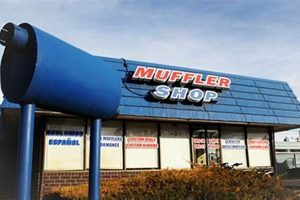
An automotive service establishment specializing in exhaust systems and cooling components offers repair, maintenance, and replacement solutions. Such businesses typically cater to a range of vehicle makes and models, addressing issues related to muffler integrity, radiator efficiency, and overall system performance.
Properly functioning exhaust and cooling systems are critical for vehicle emissions control, fuel efficiency, and engine longevity. Specialized shops dedicated to these systems offer expertise in diagnosing complex problems, providing tailored repairs, and ensuring compliance with environmental regulations. Established service providers in this sector often have a long history of serving their local communities, building trust through reliable service and competitive pricing.
The subsequent sections will detail the specific services offered, diagnostic procedures employed, and the importance of preventative maintenance for optimal system performance. Furthermore, it will explore factors influencing service costs and best practices for selecting a qualified service provider.
Essential Automotive System Maintenance
Maintaining the functionality of critical automotive systems is paramount for vehicle longevity and optimal performance. This section outlines key considerations for ensuring the proper operation of exhaust and cooling mechanisms.
Tip 1: Regular Inspection: Conduct routine visual checks of the exhaust system for signs of rust, damage, or leaks. Inspect the radiator and coolant hoses for cracks, bulges, or deterioration.
Tip 2: Coolant Management: Adhere to manufacturer-recommended coolant flush intervals. Using the correct type of coolant is crucial to prevent corrosion and maintain efficient heat transfer.
Tip 3: Exhaust System Integrity: Address unusual noises emanating from the exhaust system promptly. These noises may indicate a leak or component failure that can affect emissions and fuel economy.
Tip 4: Radiator Fin Maintenance: Periodically clean debris from the radiator fins to ensure proper airflow and cooling efficiency. A soft brush or compressed air can be used for this purpose.
Tip 5: Hose Inspection and Replacement: Replace coolant hoses at recommended intervals or when signs of wear become apparent. Deteriorated hoses can lead to coolant leaks and engine overheating.
Tip 6: Professional Diagnostics: Seek professional diagnostic services for any suspected issues with the exhaust or cooling systems. Qualified technicians possess the tools and expertise to accurately diagnose and resolve complex problems.
Adhering to these maintenance guidelines contributes significantly to preventing costly repairs, extending the lifespan of the vehicle, and ensuring environmental compliance.
The subsequent section will discuss the economic considerations associated with these services, offering insight into how to optimize value and maintain a budget-conscious approach to vehicle upkeep.
1. Expert Diagnostics

Expert diagnostics is a foundational element of a specialized automotive service provider like a muffler and radiator shop. Accurate identification of issues within exhaust and cooling systems directly impacts the effectiveness and efficiency of subsequent repairs. A failure to correctly diagnose a problem can lead to unnecessary parts replacements, recurring malfunctions, and increased costs for the customer. For example, a seemingly simple exhaust leak could stem from a cracked manifold, a faulty gasket, or a deteriorated pipe. Without proper diagnostic tools and expertise, a technician might only address the visible symptom, neglecting the underlying cause and resulting in a rapid return of the problem.
The application of advanced diagnostic equipment, such as exhaust gas analyzers, pressure testing tools, and thermal imaging, allows technicians to pinpoint the precise location and nature of malfunctions. This precision is particularly critical in modern vehicles with complex emission control systems and intricate cooling configurations. For instance, a malfunctioning oxygen sensor, if misdiagnosed, could lead to incorrect fuel-air mixture adjustments, impacting fuel efficiency and potentially damaging the catalytic converter. Similarly, a cooling system pressure test can reveal leaks that are not immediately apparent, preventing overheating and potential engine damage. A technician’s experience and ongoing training are essential to interpret diagnostic data accurately and recommend appropriate solutions.
In summary, the ability to perform expert diagnostics is paramount for a muffler and radiator shop. It ensures that repairs are targeted, effective, and address the root cause of the problem. This, in turn, leads to increased customer satisfaction, reduced warranty claims, and a reputation for reliable service. Challenges within diagnostics lie in keeping pace with ever-evolving automotive technology and investing in the necessary training and equipment. The emphasis on precise identification and targeted repairs aligns with the broader theme of responsible and sustainable automotive maintenance.
2. Quality Parts

The integration of quality components is integral to the operational integrity and customer satisfaction associated with specialized automotive service providers. Utilizing durable and reliable parts within exhaust and cooling systems ensures long-term performance and minimizes the likelihood of premature failure, thereby reducing the need for frequent repairs. This consideration is particularly pertinent to establishments focused on these specific systems.
- Durability and Longevity
The selection of exhaust components fabricated from high-grade steel, and radiators constructed with robust core materials, directly influences the lifespan of these systems. For example, a muffler manufactured with aluminized steel exhibits greater resistance to corrosion compared to standard steel, thus extending its service life. Similarly, a radiator with a copper-brass core provides superior heat transfer capabilities and resistance to degradation when compared to aluminum alternatives in certain applications. The use of these enhanced materials directly translates to a reduction in warranty claims and enhanced customer satisfaction, as the systems perform reliably for extended periods.
- Performance Optimization
Quality parts not only enhance durability but also contribute to the overall performance of the vehicle. An efficient radiator, for instance, maintains optimal engine operating temperature, preventing overheating and potential engine damage. A well-designed muffler reduces backpressure, improving engine efficiency and fuel economy. The implementation of premium-grade components ensures that the vehicle operates within its intended performance parameters, leading to a smoother driving experience and reduced fuel consumption. A substandard radiator may not adequately dissipate heat, leading to decreased engine performance, or a poorly designed muffler could restrict exhaust flow, negatively affecting horsepower.
- Warranty and Reliability
Reputable parts manufacturers typically offer warranties on their products, providing an additional layer of assurance for both the service provider and the customer. These warranties protect against defects in materials or workmanship, ensuring that any premature failures are addressed promptly. The use of warranted parts demonstrates a commitment to quality and instills confidence in the customer regarding the reliability of the repair. A shop using non-warranted, lower-quality parts bears the full responsibility for any issues arising from those parts, potentially damaging its reputation and increasing costs.
- Compliance and Safety
In certain regions, exhaust systems are subject to specific emissions regulations. Utilizing compliant catalytic converters and mufflers ensures that vehicles meet these environmental standards. Quality replacement parts are designed to meet or exceed OEM specifications, ensuring that the vehicle operates within legal limits and minimizes its environmental impact. Furthermore, the use of substandard parts could compromise vehicle safety. For instance, a poorly constructed exhaust system could leak dangerous fumes into the passenger cabin, posing a health risk to the occupants.
The utilization of high-quality components aligns directly with the objectives of any professional establishment. By prioritizing durability, performance, warranty, and compliance, such providers enhance the overall value proposition for their customers and maintain a reputation for excellence in automotive service.
3. Skilled Technicians

The operational efficacy of any automotive service provider specializing in exhaust and cooling systems, such as this hypothetical shop, is intrinsically linked to the expertise of its technicians. The intricate nature of modern automotive systems necessitates a high degree of proficiency in diagnostics, repair, and maintenance. A skilled technician, through rigorous training and practical experience, possesses the ability to accurately identify system malfunctions, implement effective repair strategies, and ensure the long-term reliability of the vehicle’s exhaust and cooling components. For instance, correctly diagnosing a complex cooling system leak requires specialized equipment and a deep understanding of fluid dynamics and pressure regulation. Improper diagnosis, stemming from a lack of expertise, could result in unnecessary component replacements and a continued malfunctioning system, leading to customer dissatisfaction and potentially further damage to the vehicle.
The practical significance of skilled technicians manifests in numerous ways. A technician’s proficiency in welding and fabrication techniques allows for the repair of damaged exhaust pipes and mufflers, providing a cost-effective alternative to complete system replacement. Their understanding of engine performance parameters and emissions regulations ensures that repairs are conducted in compliance with environmental standards. Furthermore, experienced technicians can advise customers on preventative maintenance measures, such as regular coolant flushes and exhaust system inspections, prolonging the lifespan of these critical vehicle components. Consider the example of a technician adept at identifying subtle signs of catalytic converter failure. Early detection and replacement can prevent more extensive damage to the exhaust system and minimize the vehicle’s emissions output. In contrast, an unskilled technician might overlook these early warning signs, leading to more significant and costly repairs down the line.
In summary, the presence of skilled technicians is not merely an added benefit but a fundamental requirement for the successful operation of such shops. Their expertise directly impacts the quality of service provided, the longevity of vehicle repairs, and the level of customer satisfaction achieved. Maintaining a staff of highly trained and experienced professionals represents a significant investment for the shop, but it is an investment that yields substantial returns in terms of enhanced reputation, increased customer loyalty, and reduced warranty claims. The challenge lies in attracting and retaining qualified technicians in a competitive labor market, requiring ongoing training programs and competitive compensation packages to ensure a skilled workforce capable of meeting the evolving demands of the automotive industry.
4. System Longevity
System longevity, referring to the extended operational lifespan of vehicle exhaust and cooling systems, directly correlates with the services offered by establishments specializing in these components. Proactive maintenance and timely repairs are critical to maximizing the operational duration of these systems, thereby minimizing long-term costs and ensuring optimal vehicle performance. This correlation highlights the importance of selecting a qualified service provider focused on preventative measures and durable repair solutions.
- Material Selection and Durability
The selection of high-quality, corrosion-resistant materials in exhaust and cooling system components is paramount for extending system lifespan. For instance, stainless steel mufflers exhibit greater longevity compared to standard steel mufflers due to their resistance to rust and degradation. Similarly, radiators constructed with copper-brass cores often provide superior heat transfer and durability compared to aluminum alternatives. Skilled technicians can advise on optimal material choices based on vehicle usage and environmental factors, contributing to extended system longevity.
- Preventative Maintenance Regimens
Adherence to manufacturer-recommended maintenance schedules, including regular coolant flushes and exhaust system inspections, significantly contributes to system longevity. Timely replacement of worn hoses, belts, and clamps prevents leaks and component failures that can lead to more extensive damage. Specialized service providers offer comprehensive maintenance packages designed to proactively address potential issues, minimizing the risk of costly repairs and extending the operational lifespan of the exhaust and cooling systems.
- Proper Installation Techniques
Correct installation of replacement components is crucial for ensuring optimal system performance and longevity. Improperly installed mufflers or radiators can experience premature failure due to stress, vibration, or misalignment. Skilled technicians possess the expertise to ensure that all components are installed according to manufacturer specifications, minimizing the risk of damage and maximizing system lifespan.
- Addressing Root Causes of Failure
Addressing not only the symptoms but also the root causes of system malfunctions is critical for preventing recurring issues and extending system longevity. For instance, a recurring radiator leak may be caused by a worn engine mount, which places undue stress on the cooling system. Identifying and resolving the underlying cause, rather than simply replacing the radiator, ensures a long-term solution and prevents future failures.
The principles of system longevity, as applied by qualified service providers, underscore the value of preventative maintenance, quality components, and skilled workmanship. By prioritizing these factors, vehicle owners can significantly extend the lifespan of their exhaust and cooling systems, minimizing long-term costs and ensuring reliable vehicle performance.
5. Customer Trust

Customer trust represents a critical asset for any business, and its cultivation is especially important for automotive service establishments, including muffler and radiator shops. This trust is earned through consistent delivery of quality service, transparent communication, and ethical business practices. Without customer confidence, such businesses face challenges in attracting and retaining clientele, ultimately affecting their long-term viability.
- Service Transparency
Open and honest communication regarding diagnostic findings, repair options, and associated costs is fundamental to establishing customer trust. Providing detailed explanations of identified problems, presenting clear estimates, and avoiding unnecessary upselling fosters a sense of reliability. For instance, a shop that thoroughly explains the reasons behind a recommended repair, even if it is complex, is more likely to build trust than one that simply presents a bill without adequate explanation. Documenting the diagnostic process and showing customers the damaged parts further reinforces transparency.
- Consistent Quality of Work
Delivering consistently high-quality repairs and maintenance services is paramount for maintaining customer confidence. This involves employing skilled technicians, utilizing quality parts, and adhering to established industry standards. A shop known for its reliable repairs and attention to detail is more likely to attract repeat business and positive word-of-mouth referrals. In contrast, a shop with a history of shoddy workmanship or unresolved issues will quickly erode customer trust and damage its reputation.
- Ethical Business Practices
Upholding ethical principles in all business interactions is essential for cultivating long-term customer relationships. This includes avoiding deceptive advertising, honoring warranties, and resolving customer complaints fairly and promptly. A shop that consistently demonstrates integrity and fairness in its dealings is more likely to build a loyal customer base. Conversely, a shop that engages in unethical practices, such as charging for unnecessary repairs or misrepresenting the quality of its services, will quickly lose the trust of its customers.
- Building Relationships
Establishing a personal connection with customers and demonstrating a genuine interest in their automotive needs fosters trust and loyalty. This can involve remembering customers’ names, providing personalized recommendations, and following up after service visits to ensure satisfaction. A shop that treats its customers with respect and consideration is more likely to cultivate long-term relationships. Showing empathy when problems arise and going the extra mile to provide assistance demonstrates commitment and builds trust.
The establishment and maintenance of customer trust directly impact the success and sustainability of automotive service providers. By prioritizing transparency, quality workmanship, ethical practices, and relationship-building, such businesses can cultivate a loyal customer base and establish a strong reputation within their respective communities. These factors are all critical for “mejia muffler & radiator shop”. Without these strong connections to customer, the services are less valuable.
Frequently Asked Questions
This section addresses common inquiries related to the services offered by a specialized automotive repair facility focused on exhaust and cooling systems.
Question 1: What are the indications that the muffler requires replacement?
Excessive noise emanating from the exhaust system, the presence of rust or physical damage on the muffler, and a noticeable decrease in fuel efficiency may indicate the need for muffler replacement.
Question 2: How frequently should a vehicle’s radiator be flushed?
Radiator flush intervals vary depending on vehicle manufacturer recommendations and coolant type. Typically, a flush is recommended every 30,000 to 60,000 miles, or every two to three years. Consult the vehicle’s owner’s manual for specific guidelines.
Question 3: Can a damaged catalytic converter be repaired instead of replaced?
In most cases, a damaged catalytic converter necessitates replacement. Repairs are generally not feasible due to the delicate internal components and the need to maintain strict emissions compliance. Replacement ensures optimal performance and adherence to environmental regulations.
Question 4: What are the potential consequences of neglecting cooling system maintenance?
Neglecting cooling system maintenance can lead to engine overheating, which may result in severe engine damage, including cylinder head warping, gasket failure, and piston damage. Regular maintenance is essential to prevent these costly issues.
Question 5: How can the quality of a muffler replacement be assured?
The quality of a muffler replacement can be assured by selecting reputable brands, verifying that the replacement meets or exceeds OEM specifications, and entrusting the installation to qualified technicians. Warranties offered by the manufacturer provide additional assurance of product quality.
Question 6: What factors influence the cost of a radiator replacement?
The cost of a radiator replacement is influenced by factors such as the vehicle make and model, the type of radiator (e.g., copper-brass or aluminum), and the labor rates of the service provider. Additional costs may be incurred for related components, such as hoses and clamps, if they require replacement.
Regular maintenance and prompt attention to potential issues within exhaust and cooling systems are essential for ensuring vehicle reliability and longevity.
The subsequent section will provide insights on how to select a reputable automotive service provider.
Concluding Remarks
The preceding analysis has illuminated the multifaceted aspects of automotive service providers specializing in exhaust and cooling systems. Key elements, including expert diagnostics, quality parts, skilled technicians, system longevity, and customer trust, have been identified as critical determinants of success. These factors collectively contribute to the operational efficiency, customer satisfaction, and long-term viability of such businesses.
The effective integration of these principles represents a significant investment in both vehicle performance and environmental responsibility. Prioritizing preventative maintenance, utilizing durable components, and engaging qualified professionals ensures the sustained functionality of essential automotive systems. The ongoing evolution of automotive technology necessitates a continued commitment to training, innovation, and adherence to ethical business practices within this specialized sector.
![Piqua Ohio Muffler Shop: [Car Model] Exhaust Pros | Best Mufflers for Cars & Trucks | Performance, Sound & Durability Upgrades](https://dnamufflers.com/wp-content/uploads/2026/06/th-68-300x200.jpg "Piqua Ohio Muffler Shop: [Car Model] Exhaust Pros Best Mufflers for Cars & Trucks | Performance, Sound & Durability Upgrades")