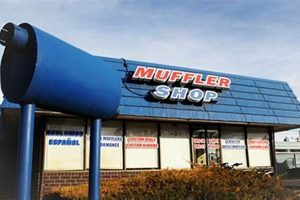
A business specializing in exhaust systems for vehicles is a crucial part of the automotive service industry. These establishments typically offer a range of services from inspection and repair of existing systems to the complete replacement of mufflers, pipes, and catalytic converters. Functionality and adherence to emissions standards are key focuses for these businesses.
The role of such a business extends beyond mere repair. Properly functioning exhaust systems contribute significantly to a vehicle’s overall performance, fuel efficiency, and noise reduction. Historically, these shops have played an important role in ensuring vehicles meet evolving environmental regulations and owner expectations for quiet operation. They contribute to reduced pollution and enhanced driving experience. The longevity and reputation of a specific business are often dependent on the quality of parts used and the expertise of the technicians employed.
The following article will delve into various aspects of this type of automotive service provider. We will cover topics such as common repair issues, factors affecting pricing, selecting a reputable provider, and preventative maintenance practices related to exhaust systems.
Tips for Exhaust System Maintenance
Proper maintenance of a vehicle’s exhaust system is essential for optimal performance, fuel efficiency, and emissions control. Neglecting this system can lead to costly repairs and potential environmental consequences.
Tip 1: Schedule Regular Inspections: A qualified technician should inspect the exhaust system annually or bi-annually. This allows for early detection of corrosion, leaks, or damage before it escalates.
Tip 2: Address Unusual Noises Promptly: Rattling, hissing, or roaring sounds emanating from under the vehicle often indicate an exhaust system issue. Ignoring these noises can lead to further damage and reduced performance.
Tip 3: Be Aware of Fuel Efficiency Changes: A sudden decrease in fuel economy may be linked to a compromised exhaust system, particularly a failing catalytic converter. Have the system checked if a noticeable drop in mileage occurs.
Tip 4: Avoid Short Trips When Possible: Short trips do not allow the exhaust system to reach optimal operating temperature. This leads to the accumulation of condensation, which accelerates corrosion from within.
Tip 5: Use Quality Replacement Parts: When repairs are necessary, insist on high-quality replacement parts that meet or exceed original equipment manufacturer (OEM) specifications. Inferior parts may fail prematurely and compromise system performance.
Tip 6: Protect Against Road Salt: In regions with heavy snowfall, road salt can significantly accelerate exhaust system corrosion. Regularly wash the undercarriage of the vehicle, especially during winter months.
Tip 7: Monitor for Exhaust Leaks: Be vigilant for the smell of exhaust fumes inside the vehicle cabin. Exhaust leaks pose a health risk and should be addressed immediately.
Adhering to these preventative maintenance practices can extend the lifespan of the exhaust system, minimize repair costs, and ensure that the vehicle operates efficiently and within regulatory compliance.
The following sections will explore specific repair scenarios and factors influencing exhaust system service costs, providing a comprehensive understanding of these critical automotive components.
1. Exhaust System Integrity

Exhaust system integrity is paramount for a vehicle’s performance and environmental compliance, and it forms a core offering of a business specializing in exhaust systems. Compromised integrity leads to reduced fuel efficiency, increased emissions, and potential engine damage. These shops address this need through inspection, repair, and component replacement, ensuring systems function within optimal parameters. For example, a catalytic converter, a critical component for emissions control, requires periodic inspection and eventual replacement to maintain its effectiveness. Similarly, corroded pipes contribute to leaks, impacting engine backpressure and increasing noise pollution.
Businesses dedicated to exhaust systems not only address immediate problems but also provide preventative maintenance services. These services range from applying rust inhibitors to installing heat shields, aimed at prolonging the lifespan of exhaust components. The economic significance of maintaining exhaust system integrity is substantial. Neglecting minor issues often leads to cascading failures, resulting in more extensive and costly repairs. A leaking exhaust manifold, if left unchecked, could damage surrounding engine components, significantly increasing the overall repair bill. Therefore, proactive management of system integrity is both environmentally responsible and financially prudent.
In summary, exhaust system integrity is foundational to both vehicle performance and regulatory compliance. Providers specializing in exhaust system services play a critical role in maintaining this integrity through diagnosis, repair, and preventative measures. Understanding the interrelationship between system components and the consequences of neglect underscores the importance of regular inspections and timely repairs. The services they provide contribute directly to reducing pollution, improving fuel economy, and minimizing potential engine damage, ultimately benefiting both the vehicle owner and the environment.
2. Specialized Repair Services

A core function of exhaust system-focused businesses is the provision of specialized repair services. The intricate nature of modern vehicle exhaust systems necessitates expertise beyond general automotive repair. Businesses concentrate on diagnosing and rectifying issues specific to these systems, directly impacting vehicle performance and emissions. The consequences of inadequate or improper repair can range from reduced fuel efficiency and increased noise pollution to violations of environmental regulations. For example, diagnosing an intermittent catalytic converter malfunction requires specialized equipment and knowledge of emissions control systems, skills typically found within these dedicated businesses. A general mechanic might replace a faulty muffler, but accurately identifying and addressing the underlying cause of its failure, such as excessive engine backpressure, demands specialized diagnostic capabilities.
The importance of specialized repair services is amplified by the increasing complexity of exhaust systems. Modern systems incorporate advanced technologies such as oxygen sensors, electronic valves, and sophisticated catalytic converters, all designed to optimize engine performance and minimize emissions. Successfully servicing these components requires specialized training and tools. A business equipped to handle these systems offers benefits like precise diagnosis, effective repairs, and the use of appropriate replacement parts. This targeted approach translates to increased vehicle lifespan, reduced operating costs, and compliance with stringent environmental standards. For instance, a specialized technician can correctly recalibrate an engine control unit (ECU) following catalytic converter replacement, ensuring optimal engine performance and preventing future issues, a task beyond the scope of many general repair shops.
In conclusion, the provision of specialized repair services constitutes a critical component of businesses focused on vehicle exhaust systems. The unique challenges and complexities inherent in these systems necessitate specialized knowledge, tools, and expertise. The benefits of seeking specialized repair extend to improved vehicle performance, reduced environmental impact, and long-term cost savings. While challenges exist in maintaining expertise in a rapidly evolving technological landscape, the practical significance of specialized repair services remains paramount for ensuring the optimal operation and longevity of vehicle exhaust systems.
3. Emissions Compliance Standards

The viability and operational legality of a business involved in exhaust system services are intrinsically linked to adherence to emissions compliance standards. These standards, dictated by local, regional, and national regulations, govern the permissible levels of pollutants emitted by vehicles. A failure to meet these standards results in penalties for vehicle owners and potential legal ramifications for the servicing business. The specific components within the exhaust system, particularly the catalytic converter, are directly responsible for reducing harmful emissions. A compromised or non-compliant system jeopardizes a vehicle’s ability to meet regulatory requirements. Consider the example of a vehicle failing an emissions test due to a malfunctioning catalytic converter; the business then bears the responsibility of providing a compliant replacement and verifying its proper function.
The relationship between the servicing business and these standards is not merely reactive. Reputable businesses proactively ensure compliance by employing trained technicians, utilizing certified replacement parts, and performing thorough post-repair testing. They provide diagnostic services to identify potential emissions-related issues before they result in a vehicle failing inspection. Furthermore, they offer guidance to vehicle owners on preventative maintenance practices that can extend the lifespan of emissions control components. The practical application of this understanding extends to the sourcing of catalytic converters that meet specific regulatory requirements, proper installation techniques, and accurate documentation of repairs for emissions testing purposes. For instance, some regions require the use of California Air Resources Board (CARB) certified catalytic converters, and the business must adhere to these regulations when performing replacements.
In summary, emissions compliance standards are a critical determinant of operational legitimacy and customer trust for any business offering exhaust system services. Proactive adherence to these standards, through certified parts, trained technicians, and comprehensive testing, minimizes environmental impact, ensures customer compliance with regulations, and reinforces the business’s reputation. While navigating the evolving landscape of emissions regulations presents a challenge, prioritizing compliance is essential for the long-term sustainability and ethical operation of these automotive service providers.
4. Acoustic Performance Control

Acoustic performance control constitutes a significant aspect of vehicle exhaust systems, directly influencing driver and community well-being. Businesses specializing in exhaust services play a pivotal role in managing vehicle noise levels, offering solutions ranging from noise reduction to performance-oriented sound enhancement.
- Muffler Design and Function
Mufflers are the primary components responsible for attenuating exhaust noise. Their internal designs, incorporating baffles and sound-absorbing materials, determine the degree of noise reduction. Shops offer various muffler types, from quieter, factory-replacement models to performance mufflers designed for a more aggressive sound. The selection directly impacts the vehicle’s noise output and perceived performance. For example, a chambered muffler will generally produce a louder, more resonant sound than a baffled muffler.
- Resonator Integration
Resonators are secondary components used to fine-tune exhaust sound characteristics. They attenuate specific frequencies to eliminate unwanted droning or raspiness. A shop offering resonators demonstrates a commitment to comprehensive acoustic control, going beyond simple muffler replacement. For instance, adding a resonator to a vehicle experiencing excessive drone at highway speeds can significantly improve driving comfort.
- Exhaust System Material Impact
The material composition of the exhaust system influences its acoustic properties. Stainless steel systems tend to produce a brighter, more metallic tone compared to aluminized steel systems. Businesses that offer a range of material options allow customers to tailor the exhaust sound to their preferences. A customer seeking a durable system with a specific tonal quality might choose a stainless steel system over a less expensive alternative.
- Legal and Regulatory Considerations
Noise regulations exist at various levels of government, dictating permissible sound levels for vehicles. Shops have a responsibility to ensure that exhaust modifications comply with these regulations. Installing an excessively loud exhaust system can result in fines for the vehicle owner and potential liability for the installer. A responsible shop will advise customers on legal sound level limits and offer compliant solutions.
These facets collectively illustrate the nuanced role of acoustic performance control in the context of exhaust service providers. The effective management of exhaust sound requires a thorough understanding of component design, material properties, and regulatory constraints, resulting in a crucial service for vehicle owners seeking both performance enhancement and community consideration.
5. Component Replacement Options

The availability of diverse component replacement options constitutes a foundational element of businesses specializing in exhaust systems. The exhaust system, composed of various interconnected parts, is susceptible to wear, damage, and eventual failure. A service provider’s capacity to offer a wide spectrum of replacement components directly impacts its ability to cater to diverse customer needs and maintain vehicle performance within regulatory standards.
- Muffler Varieties and Performance Characteristics
Mufflers, the primary noise reduction devices in exhaust systems, come in diverse designs influencing sound levels and engine performance. Options range from direct OEM replacements mirroring factory specifications to aftermarket performance mufflers designed for enhanced sound and airflow. A service provider’s ability to offer a selection allows customers to balance noise reduction with desired performance characteristics. For example, a customer seeking to restore a vehicle to its original quiet operation will require a different muffler than one seeking a louder, more aggressive exhaust note.
- Catalytic Converter Selection and Regulatory Compliance
Catalytic converters are crucial emissions control devices subject to strict regulatory requirements. Replacement options must adhere to these standards, varying by vehicle model, year, and geographic location. Businesses must offer converters certified for specific applications, ensuring vehicles meet emissions testing requirements. Offering only generic or non-compliant converters risks violating regulations and compromising vehicle emissions performance. For instance, California-certified converters are mandatory for vehicles in California, necessitating that the service provider stock and install these specific components.
- Piping Material and Durability Considerations
Exhaust piping, connecting various system components, is subject to corrosion and physical damage. Replacement options include aluminized steel, stainless steel, and occasionally titanium, each offering varying degrees of durability and resistance to corrosion. A wider selection enables customers to balance cost considerations with long-term system lifespan. A customer residing in a region with heavy road salt usage might opt for a stainless steel system despite its higher initial cost, prioritizing corrosion resistance.
- Sensor and Hardware Compatibility
Modern exhaust systems incorporate sensors, such as oxygen sensors, that monitor exhaust gas composition. Replacement of these sensors, along with associated hardware like gaskets and hangers, must be compatible with the vehicle’s electronic control unit (ECU) and exhaust system design. Offering a range of compatible sensors and hardware ensures proper system function and prevents error codes. Installing an incompatible oxygen sensor, for example, can lead to inaccurate readings, reduced fuel efficiency, and potential engine damage.
In summary, the availability of comprehensive component replacement options defines the capability and versatility of a business specializing in exhaust systems. By offering a diverse range of mufflers, catalytic converters, piping materials, and associated hardware, these businesses can effectively address varied customer needs, maintain vehicle performance within regulatory limits, and ensure long-term system reliability. The breadth and quality of these offerings directly reflect the service provider’s commitment to customer satisfaction and technical competence.
6. Customer Service Excellence
Customer service excellence significantly influences the success and reputation of any automotive service provider, including a business specializing in exhaust systems. The relationship stems from the direct impact service quality has on customer satisfaction, loyalty, and ultimately, profitability. A customer’s interaction with the business, from initial inquiry to post-service follow-up, shapes their perception of its competence and trustworthiness. Positive experiences generate repeat business and positive word-of-mouth referrals, while negative experiences can lead to customer attrition and damage to the business’s reputation. For instance, a clear and honest explanation of necessary repairs, coupled with transparent pricing, builds trust and demonstrates a commitment to ethical practices. Conversely, misleading information or unexpected charges erode customer confidence and may lead to negative reviews.
The practical application of customer service excellence manifests in several key areas. Firstly, effective communication ensures customers understand the nature of their exhaust system issues and the proposed solutions. This includes explaining technical details in accessible language and providing clear cost estimates. Secondly, demonstrating a commitment to quality workmanship builds confidence in the service provided. This includes using high-quality parts, employing skilled technicians, and standing behind the work with a warranty. Thirdly, addressing customer concerns promptly and professionally demonstrates a commitment to satisfaction. This involves actively listening to feedback, resolving disputes fairly, and taking corrective action to prevent future issues. For example, proactively contacting a customer after service to ensure satisfaction demonstrates a commitment to service quality and provides an opportunity to address any unforeseen problems.
In summary, customer service excellence is not merely a superficial add-on but a core component of a thriving automotive exhaust system business. The quality of service directly affects customer satisfaction, loyalty, and the business’s long-term success. While challenges exist in consistently delivering exceptional service, prioritizing communication, quality workmanship, and responsiveness to customer concerns is essential for building a reputable and profitable business. The ability to effectively manage customer interactions and build trust is a key differentiator in a competitive market, directly contributing to the overall value and longevity of the enterprise.
Frequently Asked Questions About Exhaust System Services
This section addresses common inquiries regarding exhaust system maintenance, repair, and related services. The information provided aims to clarify procedures and highlight critical considerations for vehicle owners.
Question 1: What are the common indicators of exhaust system problems?
Unusual noises such as rattling, hissing, or roaring from under the vehicle often signal exhaust system issues. A noticeable decrease in fuel efficiency or the smell of exhaust fumes inside the cabin are also potential indicators. Visual inspection may reveal rust, corrosion, or physical damage to exhaust components.
Question 2: How often should an exhaust system be inspected?
An exhaust system should be inspected at least annually, or more frequently if the vehicle is operated under severe conditions such as frequent short trips, exposure to road salt, or off-road driving. Regular inspections allow for early detection of potential problems and prevent costly repairs.
Question 3: Is it necessary to replace the entire exhaust system when one component fails?
Not always. The decision to replace the entire system depends on the extent of the damage and the age of the other components. If other parts are nearing the end of their lifespan or exhibit significant corrosion, a complete replacement may be more cost-effective in the long run. A qualified technician can assess the condition of the entire system and provide a recommendation.
Question 4: What is the purpose of a catalytic converter, and why is it important?
A catalytic converter reduces harmful pollutants in exhaust gases by converting them into less harmful substances. It is a critical component for meeting emissions standards and protecting air quality. Tampering with or removing a catalytic converter is illegal and can result in fines and increased emissions.
Question 5: What factors influence the cost of exhaust system repair or replacement?
The cost depends on several factors, including the vehicle make and model, the type of components needing replacement, the quality of the replacement parts, and the labor rate of the service provider. Aftermarket performance exhaust systems typically cost more than OEM replacements.
Question 6: Can modifications to the exhaust system affect vehicle warranty?
Modifications that alter the emissions control system or affect engine performance can potentially void portions of the vehicle’s warranty. It is important to consult with the vehicle manufacturer or a qualified technician before making any modifications.
Regular maintenance and prompt attention to exhaust system issues can extend the lifespan of components, improve fuel efficiency, and ensure compliance with emissions regulations.
The following section will discuss common misconceptions surrounding exhaust systems.
Conclusion
The preceding discussion has presented a comprehensive overview of businesses specializing in exhaust system services. The analysis encompassed critical aspects of their operation, ranging from maintaining system integrity and providing specialized repairs to adhering to emissions compliance standards and managing acoustic performance. The availability of diverse component replacement options and the imperative of customer service excellence were also emphasized. This exploration underscores the multifaceted role these businesses play in ensuring vehicle performance, environmental responsibility, and customer satisfaction.
The continued operation and success of establishments such as gp muffler shop depend on a steadfast commitment to technical expertise, regulatory compliance, and ethical business practices. As automotive technology continues to evolve and environmental regulations become increasingly stringent, the role of these specialized service providers will only become more critical. Vigilance, adaptation, and a dedication to quality will be paramount for navigating future challenges and maintaining a position of value within the automotive service industry.



![Piqua Ohio Muffler Shop: [Car Model] Exhaust Pros | Best Mufflers for Cars & Trucks | Performance, Sound & Durability Upgrades](https://dnamufflers.com/wp-content/uploads/2026/06/th-68-300x200.jpg "Piqua Ohio Muffler Shop: [Car Model] Exhaust Pros Best Mufflers for Cars & Trucks | Performance, Sound & Durability Upgrades")