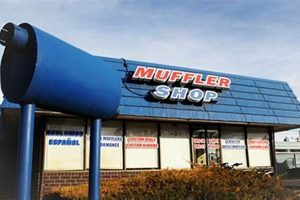
A local automotive repair business specializing in exhaust and cooling system maintenance is often structured to provide specialized services. This type of establishment typically handles repairs, replacements, and diagnostics related to vehicle mufflers, exhaust pipes, radiators, and related components. Such a business model focuses on a niche area of automotive service, potentially leading to expertise and efficiency in these specific systems.
The benefits of utilizing such a business can include specialized knowledge leading to accurate diagnoses and effective repairs. Historically, these establishments were often family-owned and operated, fostering a reputation for personal service and community involvement. The importance lies in maintaining vehicle emissions standards, preventing overheating, and ensuring optimal engine performance, contributing to both vehicle longevity and environmental responsibility.
The following discussion will elaborate on specific aspects of muffler and radiator system maintenance, common issues encountered, and best practices for ensuring optimal vehicle performance and system lifespan. These topics will cover a range of repair and maintenance procedures critical to the effective operation of these automotive systems.
Maintenance Guidelines
Maintaining a vehicle’s exhaust and cooling systems is crucial for optimal performance, longevity, and adherence to environmental regulations. The following guidelines provide essential information for ensuring the continued functionality of these critical components.
Tip 1: Regular Visual Inspections: Conduct routine visual examinations of the muffler, exhaust pipes, and radiator. Look for signs of rust, corrosion, leaks, or physical damage. Early detection of these issues can prevent more extensive and costly repairs.
Tip 2: Monitor Coolant Levels: Consistently check coolant levels and ensure they are within the manufacturer’s recommended range. Low coolant levels can lead to overheating and engine damage. Use the appropriate coolant type as specified in the vehicle’s owner’s manual.
Tip 3: Listen for Unusual Noises: Pay attention to any unusual noises emanating from the exhaust system, such as rattling, hissing, or excessive loudness. These sounds may indicate a damaged muffler, exhaust leak, or other exhaust system issue.
Tip 4: Check for Exhaust Leaks: Exhaust leaks can be dangerous, allowing harmful gases to enter the passenger cabin. Inspect exhaust pipes and connections for leaks. If a leak is suspected, have it professionally inspected and repaired promptly.
Tip 5: Radiator Flush and Fill: Periodically flush and refill the radiator with fresh coolant according to the vehicle manufacturer’s recommended intervals. This process helps remove contaminants and maintain optimal cooling system performance.
Tip 6: Address Overheating Immediately: If the vehicle overheats, pull over safely and allow the engine to cool down. Do not continue driving, as this can cause severe engine damage. Investigate the cause of the overheating and address it promptly.
Tip 7: Promptly Replace Damaged Components: Any damaged or worn-out components within the exhaust or cooling systems should be replaced without delay. Delaying repairs can lead to further damage and potentially compromise vehicle safety.
Adhering to these maintenance guidelines contributes to the reliable operation of a vehicle’s exhaust and cooling systems, minimizing the risk of costly repairs and ensuring compliance with emissions standards. Consistent monitoring and timely intervention are paramount for maintaining optimal vehicle performance.
The subsequent section will delve into common issues encountered within these systems and outline effective strategies for addressing them, ensuring the sustained health and efficiency of the vehicle.
1. Repairs

The capacity to conduct effective automotive repairs forms a cornerstone of operations for establishments such as “brothers muffler & radiator shop.” This function extends beyond mere component replacement; it encompasses diagnosis, troubleshooting, and the application of specialized techniques to restore system functionality.
- Exhaust System Welding and Fabrication
Exhaust system repairs often necessitate welding to mend cracks, holes, or damaged connections in mufflers, pipes, or catalytic converters. Fabrication skills allow technicians to create custom exhaust sections to replace severely corroded or damaged components. This capability is crucial for older vehicles where original parts are no longer readily available.
- Radiator Leak Detection and Repair
Pinpointing the source of radiator leaks requires specialized diagnostic tools and techniques. Repairs may involve patching small leaks with epoxy or soldering larger breaches. A skilled technician can assess the extent of the damage and determine whether a repair is feasible or if a full radiator replacement is necessary. Proper repair ensures the cooling system maintains optimal pressure and prevents engine overheating.
- Muffler Replacement and Installation
When a muffler is severely damaged or corroded beyond repair, replacement becomes necessary. This process involves removing the old muffler, selecting a compatible replacement, and installing it securely to the exhaust system. Proper installation ensures that the new muffler effectively reduces engine noise and meets emission control standards.
- Cooling System Component Replacement
In addition to radiator repair, a “brothers muffler & radiator shop” typically handles the replacement of other cooling system components, such as hoses, thermostats, water pumps, and fan clutches. These components are critical for maintaining proper engine temperature, and their failure can lead to overheating and engine damage. Timely replacement ensures the cooling system operates efficiently and prevents costly repairs.
The ability to perform these repairs efficiently and effectively directly impacts customer satisfaction and the reputation of a “brothers muffler & radiator shop.” Comprehensive repair services, combined with accurate diagnostics and quality workmanship, are essential for establishing a successful and reliable automotive repair business.
2. Replacements

The term “replacements” is intrinsically linked to the function of an automotive repair facility specializing in exhaust and cooling systems. When components within these systems degrade or fail, replacement often becomes necessary to restore vehicle functionality and prevent further damage. For example, a corroded muffler causing excessive noise or a leaking radiator leading to engine overheating necessitates the replacement of those specific parts. The availability of a diverse inventory of replacement parts is a critical factor in determining the efficiency and effectiveness of service.
The quality of replacement parts directly impacts the longevity and performance of the repaired system. Using original equipment manufacturer (OEM) parts can ensure compatibility and reliability, although aftermarket options often provide a more cost-effective solution. The selection of appropriate replacement parts requires technical expertise and careful consideration of the vehicle’s make, model, and operating conditions. Furthermore, proper installation techniques are crucial to prevent premature failure of the replacement components. For instance, a radiator replacement requires proper flushing of the cooling system and accurate coolant mixture to prevent corrosion and ensure optimal cooling performance.
Ultimately, the capacity to provide efficient and reliable replacements is a key differentiator for establishments providing exhaust and cooling system services. The availability of quality parts, skilled technicians, and adherence to industry best practices directly contribute to customer satisfaction and the long-term viability of the business. Challenges within this aspect include sourcing reliable parts suppliers, managing inventory effectively, and staying abreast of evolving vehicle technologies. Addressing these challenges ensures the continued provision of quality replacement services and enhances overall operational efficiency.
3. Diagnostics
In the context of an automotive repair business, “Diagnostics” is a critical function, particularly for a specialized shop. It forms the basis for accurate repair strategies and efficient problem-solving. Without effective diagnostic procedures, even the most skilled technicians are limited in their ability to address complex issues related to exhaust and cooling systems.
- Exhaust System Leak Detection
Exhaust leaks can compromise vehicle performance, fuel efficiency, and passenger safety. Diagnostic procedures, such as pressure testing and visual inspections with specialized equipment, are crucial for identifying the precise location of leaks. This enables targeted repairs, preventing unnecessary component replacements and ensuring the effective mitigation of harmful emissions.
- Cooling System Pressure Testing
Cooling system pressure testing is essential for detecting leaks within the radiator, hoses, water pump, and other components. The introduction of pressure into the system allows technicians to identify even minor leaks that may not be readily visible. Early detection of these issues prevents catastrophic engine damage due to overheating.
- Temperature Sensor Analysis
Modern vehicles rely on temperature sensors to regulate engine cooling and performance. Diagnostic tools can analyze the output of these sensors to identify malfunctions that may lead to inaccurate temperature readings. This analysis helps diagnose issues related to thermostats, cooling fans, and other temperature-sensitive components.
- Exhaust Gas Analysis
Exhaust gas analysis involves measuring the composition of exhaust gases to assess the efficiency of the catalytic converter and identify potential engine problems. Abnormal readings can indicate issues such as a faulty oxygen sensor, a rich or lean fuel mixture, or a malfunctioning catalytic converter. This diagnostic procedure aids in maintaining emissions compliance and optimizing engine performance.
These diagnostic capabilities are integral to the operation of a modern automotive repair facility. The accuracy and thoroughness of diagnostic procedures directly influence the quality of repairs and the satisfaction of customers. Investment in advanced diagnostic equipment and ongoing training for technicians are essential for maintaining a competitive edge and delivering reliable service.
4. Maintenance

Maintenance constitutes a critical revenue stream and a primary service offering for a business specializing in exhaust and cooling systems. Scheduled maintenance, such as radiator flushes and muffler inspections, proactively addresses potential issues before they escalate into costly repairs. For instance, a neglected cooling system can lead to corrosion and overheating, resulting in significant engine damage. By offering routine maintenance services, a “brothers muffler & radiator shop” mitigates these risks for its customers and establishes a consistent business operation. This preventative approach strengthens customer relationships and fosters trust in the shop’s expertise.
Furthermore, maintenance procedures ensure compliance with environmental regulations and optimize vehicle performance. Regular muffler inspections and replacements, as needed, maintain acceptable noise levels and minimize emissions. Proper coolant maintenance prevents corrosion and ensures efficient heat transfer, leading to improved fuel economy and reduced strain on the engine. Practical applications extend to fleet maintenance contracts, where scheduled service intervals are essential for minimizing downtime and maximizing the operational lifespan of commercial vehicles. Failure to adhere to a consistent maintenance schedule often results in unexpected breakdowns, higher repair costs, and potential legal ramifications for businesses.
In summary, the effective delivery of maintenance services is integral to the success and reputation of an exhaust and cooling system specialist. It promotes vehicle longevity, enhances performance, ensures regulatory compliance, and builds customer loyalty. Overcoming challenges, such as educating customers on the importance of preventative maintenance and providing competitive pricing, is essential for maximizing the benefits of this crucial service offering. The focus on scheduled maintenance provides a foundation of success and the reliability of automotive operation.
5. Components
The operational efficacy of “brothers muffler & radiator shop” is inherently reliant on a comprehensive understanding and management of various vehicular components. The inventory and expertise surrounding these parts directly dictate the services offered and the quality of repairs performed.
- Mufflers
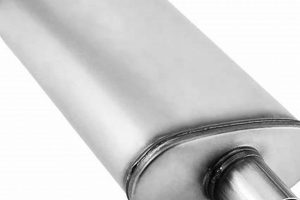
Mufflers are integral for noise reduction in a vehicle’s exhaust system. Different types, such as chambered or turbo mufflers, offer varying levels of sound dampening and performance characteristics. A selection of mufflers allows “brothers muffler & radiator shop” to cater to diverse customer preferences and vehicle requirements, ensuring compliance with local noise ordinances.
- Radiators
Radiators regulate engine temperature by dissipating heat from the coolant. Constructed from materials like aluminum or copper, radiators come in various sizes and configurations to match specific engine cooling demands. A comprehensive stock of radiators enables the shop to address a wide range of vehicle makes and models, preventing engine overheating and potential damage.
- Exhaust Pipes
Exhaust pipes channel exhaust gases from the engine to the muffler and catalytic converter. These pipes are subject to corrosion and damage from road debris and extreme temperatures. Offering a range of exhaust pipe sizes and materials allows for customized repairs and replacements, maintaining optimal exhaust flow and reducing emissions.
- Coolant Hoses
Coolant hoses transport coolant between the engine, radiator, and heater core. These hoses can degrade over time due to heat and pressure, leading to leaks and potential engine overheating. Maintaining an inventory of various hose sizes and materials ensures the shop can quickly address cooling system leaks and prevent catastrophic engine failure.
The effective management and replacement of these components are pivotal to the functionality of “brothers muffler & radiator shop”. A skilled technician’s understanding of these components allows the shop to provide expert, reliable service in a timely manner. The ability to source and install quality components is therefore a significant determinant of customer satisfaction and the overall success of the business.
6. Specialization

Specialization defines the operational niche and competitive advantage of an automotive repair business focusing on exhaust and cooling systems. This targeted approach fosters in-depth expertise and efficiency, distinguishing such establishments from general automotive repair shops.
- In-Depth Technical Knowledge
Focusing solely on mufflers, radiators, and associated components enables technicians to develop a comprehensive understanding of these systems. This specialized knowledge facilitates accurate diagnoses, efficient repairs, and effective preventative maintenance. For instance, a technician familiar with specific exhaust flow dynamics can quickly identify performance-reducing obstructions or leaks, ensuring optimal engine efficiency and emissions compliance. In contrast, a general mechanic may lack the same level of focused expertise, potentially leading to misdiagnosis or prolonged repair times.
- Specialized Equipment and Tools
Specialization often necessitates the acquisition and utilization of specific tools and equipment tailored to exhaust and cooling system repairs. Examples include exhaust pipe benders, welding apparatus, radiator pressure testers, and coolant flush machines. These tools enhance the efficiency and precision of repairs, enabling technicians to perform tasks that would be difficult or impossible with general automotive tools. A “brothers muffler & radiator shop” equipped with such specialized tools can offer a higher quality of service and a broader range of repair options compared to a general repair shop.
- Focused Inventory Management
A specialized shop can optimize its inventory management by stocking a targeted selection of parts and components specifically related to exhaust and cooling systems. This focused inventory reduces storage costs, minimizes waste, and ensures that commonly needed parts are readily available. For example, a specialized shop might stock a variety of mufflers, radiators, hoses, and clamps tailored to the most popular vehicle models in the area, enabling quick turnaround times for repairs. Efficient inventory management translates to faster service and reduced downtime for customers.
- Targeted Marketing and Customer Acquisition
Specialization allows for more effective marketing efforts directed towards customers specifically seeking exhaust and cooling system services. By focusing marketing campaigns on these services, a “brothers muffler & radiator shop” can attract customers who might otherwise be overlooked by general repair shops. Targeted advertising, online search optimization, and participation in relevant automotive forums can enhance visibility and generate leads. A focused marketing strategy increases customer acquisition and solidifies the shop’s reputation as a trusted specialist in its area of expertise.
The strategic concentration on exhaust and cooling systems results in enhanced efficiency, technical proficiency, and customer satisfaction, thus reinforcing the value proposition of “brothers muffler & radiator shop” within the automotive service sector.
Frequently Asked Questions
The following questions address common inquiries concerning exhaust and cooling system maintenance, repairs, and diagnostics. These answers aim to provide clarity and guidance regarding the services typically offered by automotive repair facilities specializing in these areas.
Question 1: What are the indications of a failing muffler?
A failing muffler often exhibits increased exhaust noise, rattling sounds emanating from under the vehicle, and potentially reduced fuel efficiency. Visible signs of rust or corrosion on the muffler body are also indicative of potential failure.
Question 2: How frequently should a vehicle’s radiator be flushed?
The recommended radiator flush interval varies depending on the vehicle’s make and model. As a general guideline, a radiator flush should be performed every 30,000 to 50,000 miles or every two to three years, whichever comes first. Consult the vehicle’s owner’s manual for specific recommendations.
Question 3: What are the potential consequences of neglecting exhaust system repairs?
Neglecting exhaust system repairs can lead to reduced fuel efficiency, increased emissions, potential exposure to harmful exhaust gases, and damage to other engine components. Furthermore, a malfunctioning exhaust system may result in a failed emissions test, preventing vehicle registration renewal.
Question 4: Can a leaking radiator be repaired, or does it always require replacement?
The feasibility of repairing a leaking radiator depends on the extent and location of the leak. Minor leaks in the radiator core may be repairable. However, significant damage or leaks in the radiator end tanks typically necessitate complete radiator replacement.
Question 5: What is the function of a catalytic converter, and why is its proper operation important?
A catalytic converter reduces harmful pollutants in the exhaust gases emitted by the engine. Proper catalytic converter function is crucial for maintaining air quality and complying with environmental regulations. A malfunctioning catalytic converter can result in increased emissions and reduced engine performance.
Question 6: How does a malfunctioning thermostat affect engine performance?
A malfunctioning thermostat can either prevent the engine from reaching its optimal operating temperature or cause it to overheat. An underperforming thermostat can lead to reduced fuel efficiency, while an overheating engine can cause significant damage to internal components.
The answers provided above offer general guidance and are not a substitute for professional diagnosis and repair. Consultation with a qualified automotive technician is recommended for specific vehicle maintenance needs.
The next section will explore the future direction of “brothers muffler & radiator shop,” considering emerging technologies and evolving customer needs within the automotive service industry.
Conclusion
The preceding exploration of exhaust and cooling system maintenance practices underscores the critical role a specialized automotive repair facility plays in ensuring vehicle longevity, performance, and regulatory compliance. “Brothers Muffler & Radiator Shop”, as a representative of this business model, exemplifies the expertise and focused service required to effectively address the complex issues associated with these essential vehicle systems. The discussion highlighted the importance of preventative maintenance, accurate diagnostics, and the utilization of quality components to deliver reliable repairs and maintain customer satisfaction. The facility’s success hinges on its ability to adapt to evolving automotive technologies and customer needs, integrating diagnostic innovations and specialized repair techniques to provide comprehensive service solutions.
The automotive industry is continually evolving, with increasing demands for environmentally conscious solutions and technologically advanced diagnostic capabilities. As such, the future of “Brothers Muffler & Radiator Shop” and similar establishments lies in a commitment to continuous improvement, ongoing technician training, and a proactive approach to emerging industry trends. Maintaining a focus on quality service, ethical business practices, and a dedication to customer satisfaction will solidify its position as a trusted resource within the community, ensuring sustained success in a competitive market. The ongoing investment in skills and innovative technologies is paramount to meet future demands and further guarantee vehicle reliability.
![Piqua Ohio Muffler Shop: [Car Model] Exhaust Pros | Best Mufflers for Cars & Trucks | Performance, Sound & Durability Upgrades](https://dnamufflers.com/wp-content/uploads/2026/06/th-68-300x200.jpg "Piqua Ohio Muffler Shop: [Car Model] Exhaust Pros Best Mufflers for Cars & Trucks | Performance, Sound & Durability Upgrades")