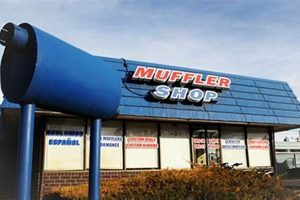
An establishment specializing in the diagnosis, repair, and replacement of exhaust systems for motor vehicles. These businesses typically offer services such as muffler replacement, exhaust pipe repair, catalytic converter inspection, and general exhaust system maintenance. For example, a vehicle experiencing unusual exhaust noise or failing an emissions test might require the services of such a facility.
The significance of these services stems from the crucial role exhaust systems play in vehicle operation. Effective exhaust systems contribute to reduced noise pollution, improved engine performance, and compliance with environmental regulations. Historically, the rise of automotive transportation led to the development of specialized businesses catering to the unique maintenance needs of these systems, evolving from general automotive repair to focused expertise.
The following sections will explore specific aspects of exhaust system maintenance, repair options, cost considerations, and factors to consider when selecting a qualified service provider for exhaust-related issues.
Exhaust System Maintenance
Maintaining the integrity of a vehicle’s exhaust system is essential for optimal performance, regulatory compliance, and environmental responsibility. Consider the following guidelines for proactive care and issue resolution.
Tip 1: Regular Visual Inspection: Conduct routine visual checks of the exhaust system for signs of rust, corrosion, or physical damage. Pay particular attention to welds, joints, and connections, as these areas are prone to failure. Early detection of minor issues can prevent more extensive and costly repairs.
Tip 2: Monitor Exhaust Sounds: Be attentive to changes in the sound emitted by the exhaust system. Unusual noises, such as rattling, hissing, or roaring, can indicate leaks, damaged components, or internal obstructions. Prompt investigation of abnormal sounds can prevent further degradation of the system.
Tip 3: Address Corrosion Promptly: Corrosion is a primary cause of exhaust system failure. If rust is detected, apply a rust inhibitor or protective coating to prevent its spread. In cases of advanced corrosion, component replacement may be necessary.
Tip 4: Ensure Proper Mounting: Verify that all exhaust system components are securely mounted and properly aligned. Loose or misaligned components can cause excessive vibration, leading to premature wear and potential damage to other vehicle systems.
Tip 5: Catalytic Converter Awareness: The catalytic converter plays a critical role in emissions control. Reduced fuel economy or a sulfurous odor may suggest a failing catalytic converter. Professional diagnosis is crucial to determine the appropriate course of action.
Tip 6: Professional Inspection During Maintenance: Include a comprehensive exhaust system inspection as part of routine vehicle maintenance. A qualified technician can identify potential issues and recommend preventative measures.
Tip 7: Select Quality Replacement Parts: When replacement is required, choose high-quality components that meet or exceed original equipment manufacturer (OEM) specifications. Inferior parts may compromise performance and durability.
Adhering to these guidelines can significantly extend the lifespan of the vehicle’s exhaust system and ensure its continued effectiveness. Neglecting exhaust system maintenance can lead to increased emissions, reduced fuel efficiency, and potentially costly repairs.
The next section details the factors that influence the cost of exhaust system repairs.
1. Diagnosis Accuracy

Accurate diagnosis forms the cornerstone of effective exhaust system service. Without pinpointing the precise source of a problem, unnecessary repairs or replacements can result, leading to increased costs and unresolved issues. In the context of an exhaust repair facility, the diagnostic process directly influences the quality, cost-effectiveness, and long-term reliability of the services provided.
- Root Cause Identification
The primary role of accurate diagnosis is to identify the underlying cause of exhaust system malfunctions. This involves distinguishing between various potential issues, such as leaks, blockages, catalytic converter failures, or sensor malfunctions. For example, a rattling noise might indicate a loose heat shield, a broken hanger, or internal damage to the muffler. Correctly identifying the root cause ensures that the appropriate repair is performed, preventing misdiagnosis and subsequent ineffective treatments.
- Technology and Tools
Modern diagnostic procedures often rely on specialized equipment, including diagnostic scanners, gas analyzers, and visual inspection tools. These technologies enable technicians to assess the performance of the exhaust system, identify leaks, and evaluate the efficiency of the catalytic converter. For instance, a diagnostic scanner can retrieve error codes from the vehicle’s computer, providing valuable insights into potential issues. The availability and proper utilization of these tools are critical to diagnostic accuracy.
- Technician Expertise
While technology plays a significant role, the expertise and experience of the technician are equally crucial. Skilled technicians possess the knowledge to interpret diagnostic data, identify subtle symptoms, and accurately diagnose complex exhaust system problems. They can leverage their experience to differentiate between common and rare issues, and to develop effective repair strategies. Continuous training and professional development are essential for maintaining diagnostic proficiency.
- Impact on Repair Costs
Accurate diagnosis directly impacts the overall cost of exhaust system repairs. By identifying the precise problem, technicians can avoid unnecessary replacements or repairs. For example, if a faulty oxygen sensor is causing a check engine light, replacing the sensor will resolve the issue. Without accurate diagnosis, the entire exhaust system might be needlessly replaced, resulting in a significant increase in costs. Thus, diagnostic accuracy serves as a cost-control measure, ensuring that only the necessary repairs are performed.
The diagnostic capabilities of an exhaust repair facility significantly contribute to its reputation and customer satisfaction. Precise diagnoses translate to effective repairs, reduced costs, and enhanced vehicle performance. Selecting a shop with a strong emphasis on diagnostic accuracy is paramount for ensuring the long-term health and efficiency of the vehicle’s exhaust system.
2. Component Quality

The efficacy and longevity of an exhaust system repair are inextricably linked to the quality of the components utilized. In the context of an exhaust repair facility, the selection and application of superior components directly influences performance, durability, and regulatory compliance. Inferior components, conversely, can lead to premature failure, increased emissions, and potential safety hazards. For instance, a low-grade muffler may exhibit accelerated corrosion, leading to exhaust leaks and increased noise pollution. The decision to utilize high-quality replacements or repairs significantly differentiates reputable establishments from those prioritizing short-term cost savings over long-term reliability.
The application of component quality extends beyond mere part selection. It encompasses the holistic approach to repair, involving the use of appropriate welding techniques, corrosion-resistant coatings, and adherence to manufacturer specifications. A concrete example involves the use of aluminized steel for exhaust pipes in regions with high road salt usage. This material offers superior resistance to corrosion compared to standard steel, prolonging the lifespan of the exhaust system. Proper installation techniques, such as the application of anti-seize compounds to threaded fasteners, further contribute to component longevity. The commitment to quality components and best practices ultimately results in reduced warranty claims, enhanced customer satisfaction, and a positive reputation.
The utilization of quality components presents a direct challenge to the prevailing focus on cost reduction within the automotive repair industry. While budget-friendly options exist, the long-term implications of using substandard materials often outweigh the initial savings. Educating consumers about the benefits of quality components, including improved performance, extended lifespan, and reduced environmental impact, is essential. By emphasizing the value proposition of investing in superior materials, facilities can differentiate themselves and cultivate a customer base that appreciates the long-term benefits of quality and reliability. This holistic approach to component selection contributes significantly to the overall service and reputation.
3. Welding Precision
Welding precision is a paramount factor in the operational effectiveness and longevity of exhaust system repairs. Within the context of exhaust system repair facilities, the quality of welding directly influences structural integrity, leak prevention, and overall system performance.
- Structural Integrity and Durability
Precise welding ensures the creation of robust and durable joints within the exhaust system. Exhaust systems are subjected to significant stress from vibration, thermal cycling, and exposure to corrosive elements. Poorly executed welds are prone to cracking or failure, leading to exhaust leaks, noise pollution, and potential damage to other vehicle components. Proper welding techniques and procedures are essential for maintaining the structural integrity of repaired or fabricated exhaust system components.
- Leak Prevention and Emissions Control
Exhaust leaks can result in reduced engine performance, increased noise levels, and elevated emissions. Precise welding is crucial for creating airtight seals at joints and connections, preventing the escape of exhaust gases. A well-executed weld ensures compliance with emissions regulations and minimizes the environmental impact of vehicle operation. The ability to consistently produce leak-free welds is a critical indicator of a facility’s technical competence.
- Material Compatibility and Welding Techniques
Exhaust systems are often constructed from various materials, including steel, stainless steel, and aluminum. Different materials require specific welding techniques and filler metals to ensure a strong and durable bond. A facility with skilled welders and appropriate equipment can effectively repair or fabricate exhaust system components using a variety of materials. This expertise is essential for providing comprehensive service and addressing diverse customer needs.
- Aesthetic Quality and Professionalism
While structural integrity and leak prevention are primary concerns, the aesthetic quality of welding also contributes to a facility’s reputation. Clean, consistent welds demonstrate attention to detail and professionalism. Customers are more likely to trust a facility that consistently produces high-quality workmanship, even in areas that are not immediately visible. Aesthetic quality reflects a commitment to excellence and contributes to overall customer satisfaction.
The precision of welding is a critical factor in determining the quality of service offered by an exhaust repair facility. Properly executed welds contribute to structural integrity, leak prevention, emissions control, and aesthetic quality. A facility that prioritizes welding precision demonstrates a commitment to excellence and long-term customer satisfaction.
4. Installation Expertise

Installation expertise represents a critical determinant of service quality at an exhaust system repair establishment. Proper installation directly affects system performance, durability, and adherence to safety and environmental standards. Deficient installation can negate the benefits of high-quality components and precise welding.
- Correct Alignment and Fitment
Accurate alignment and fitment are crucial for preventing stress on exhaust system components. Misalignment can cause premature wear, exhaust leaks, and damage to hangers and mounting points. Installation expertise ensures that all components are properly positioned and secured, minimizing the risk of future problems. For example, improper alignment of an exhaust manifold can lead to warped flanges and exhaust leaks, necessitating costly repairs. Technicians with installation expertise use specialized tools and techniques to ensure correct alignment and fitment.
- Proper Torque and Fastening Techniques
The use of correct torque specifications and fastening techniques is essential for maintaining the integrity of exhaust system connections. Over-tightening fasteners can damage threads and cause leaks, while under-tightening can lead to loose connections and vibration. Installation expertise involves the application of appropriate torque values and the use of anti-seize compounds to prevent corrosion and facilitate future maintenance. Technicians trained in proper fastening techniques minimize the risk of leaks and component failure.
- Hanger Placement and Support
The placement and integrity of exhaust system hangers are critical for supporting the weight of the exhaust system and minimizing vibration. Incorrect hanger placement or damaged hangers can cause excessive stress on exhaust components, leading to premature failure. Installation expertise includes the proper positioning and securing of hangers to provide adequate support and prevent excessive movement. For instance, a broken hanger can cause the exhaust system to sag, potentially damaging the catalytic converter or other undercarriage components.
- Adherence to Emissions Standards
Proper installation of exhaust system components, particularly catalytic converters, is essential for meeting emissions standards. Incorrect installation can impair the effectiveness of the catalytic converter, leading to increased emissions and potential regulatory violations. Installation expertise involves following manufacturer guidelines and ensuring that all components are properly installed to minimize emissions and maintain compliance with environmental regulations. Technicians with installation expertise understand the importance of emissions control and adhere to best practices to ensure compliance.
The importance of skilled installation for exhaust system longevity and regulatory compliance cannot be overstated. Selecting a provider demonstrating competence in these facets of installation represents a prudent choice. Neglecting installation quality can result in reduced system lifespan, increased costs, and potential compliance issues.
5. Customer Communication

Effective customer communication constitutes an integral element in the successful operation of any automotive service provider. For facilities specializing in exhaust system maintenance and repair, clear and consistent communication serves to build trust, manage expectations, and ensure customer satisfaction.
- Transparent Diagnostic Reporting
The communication of diagnostic findings is critical. Technicians should clearly articulate the nature of any identified issues, employing language understandable to non-technical customers. This includes detailing the cause of the problem, potential consequences of inaction, and proposed solutions. For example, a customer should receive a comprehensive explanation of a catalytic converter failure, including the impact on emissions and potential engine damage, rather than a simple recommendation for replacement.
- Detailed Explanation of Repair Options
Customers must be presented with a range of repair options, including both cost-effective and long-term solutions. Each option should be thoroughly explained, outlining the pros and cons of each approach. For instance, if a muffler has a minor perforation, the customer should be informed of the option to weld the area, as well as the option to replace the entire muffler. This allows customers to make informed decisions based on their individual needs and budget constraints. The communication of expected outcomes and potential drawbacks must be emphasized.
- Proactive Updates on Service Progress
Customers appreciate regular updates on the status of their vehicle. This includes informing them of any delays or unforeseen complications that may arise during the repair process. For example, if a seized bolt requires additional labor time, the customer should be notified promptly and provided with a revised estimate. Proactive communication minimizes customer anxiety and demonstrates respect for their time.
- Post-Service Follow-Up and Education
Following the completion of service, a facility should follow up with the customer to ensure their satisfaction and address any lingering questions. This also presents an opportunity to educate the customer on preventative maintenance measures that can help prolong the life of their exhaust system. For instance, advising customers to avoid short trips that prevent the exhaust system from reaching optimal operating temperature can reduce corrosion. This proactive approach demonstrates a commitment to long-term customer care.
The implementation of robust customer communication practices enhances trust and ensures customer satisfaction. It also presents a competitive advantage, differentiating a service provider from competitors that may prioritize efficiency over effective communication. By fostering open and honest dialogue, the service experience is enhanced and customer loyalty is fostered.
6. Fair Pricing

Fair pricing is a critical element of a reputable exhaust system repair service. The perceived value of services provided by a facility is directly tied to the transparency and competitiveness of its pricing structure. When customers perceive pricing as equitable, trust is fostered, leading to increased satisfaction and repeat business. Establishing clear pricing policies that reflect the complexity of the service, the quality of materials used, and prevailing market rates is essential. For example, a straightforward pricing guide outlining the cost of common repairs, such as muffler replacement or exhaust pipe repair, helps customers understand the value proposition.
The practical significance of fair pricing extends beyond immediate transactions. Consistently charging fair prices cultivates a positive reputation within the community. Word-of-mouth referrals are often driven by perceptions of value and honesty. Conversely, instances of price gouging or hidden fees can quickly damage a business’s reputation, leading to negative reviews and loss of customer loyalty. A facility that prioritizes ethical pricing practices demonstrates a commitment to long-term relationships, not just short-term profits. A real-world example includes offering discounts to repeat customers or providing transparent explanations of any price discrepancies due to unforeseen complications.
Ultimately, fair pricing is not simply about offering the lowest price; it is about providing value commensurate with the cost of service. This requires clear communication, ethical business practices, and a commitment to customer satisfaction. Challenges to maintaining fair pricing include fluctuations in material costs, increased labor expenses, and competition from less scrupulous businesses. Overcoming these challenges requires a proactive approach to cost management, efficient operations, and a steadfast commitment to ethical pricing principles. Such practices are integral to sustaining a viable and trustworthy business.
7. Warranty Provisions

Warranty provisions represent a crucial aspect of service offered by an exhaust system repair facility, significantly impacting customer confidence and long-term satisfaction. The existence and scope of warranty coverage on parts and labor directly reflect the facility’s commitment to quality and its confidence in the services provided.
- Coverage Scope and Duration
The extent of warranty coverage dictates which components are protected and for how long. Comprehensive warranties might cover all parts and labor related to a repair, while limited warranties might only cover specific components or offer prorated coverage over time. For example, a facility might offer a lifetime warranty on mufflers, but only a one-year warranty on catalytic converters due to the latter’s susceptibility to external factors. The duration of the warranty is equally important; longer warranties provide greater peace of mind and suggest a higher level of quality. The specific terms and conditions of the warranty must be clearly documented and communicated to the customer.
- Exclusions and Limitations
All warranties have exclusions and limitations that define the circumstances under which coverage is not provided. Common exclusions might include damage caused by misuse, neglect, or external factors such as accidents or vandalism. Additionally, warranties may be voided if the vehicle is modified or used for racing or other non-standard applications. It is critical for customers to understand these exclusions before committing to a repair. A facility that clearly articulates warranty limitations demonstrates transparency and builds trust. For instance, a warranty might not cover damage caused by road salt corrosion in regions where such conditions are prevalent.
- Claim Procedures and Support
The ease and efficiency of filing a warranty claim are significant factors in customer satisfaction. Facilities should have clearly defined procedures for submitting claims, including required documentation and contact information. A responsive and helpful support team can streamline the claims process and minimize customer frustration. Conversely, complicated or opaque claim procedures can erode customer confidence and damage the facility’s reputation. A positive example includes a facility that proactively assists customers in filing claims and provides timely updates on the status of their claim.
- Transferability and Resale Value
The transferability of a warranty to a subsequent owner can enhance the resale value of the vehicle and provide an additional incentive for customers to choose a particular facility. Transferable warranties demonstrate a commitment to long-term quality and instill confidence in potential buyers. A non-transferable warranty, while still valuable to the original owner, does not offer the same benefit in terms of resale value. Facilities that offer transferable warranties often attract a broader customer base and differentiate themselves from competitors. For instance, a transferable lifetime muffler warranty can be a significant selling point for a used vehicle.
The features of the warranty offered reflects a facility’s commitment to quality and contributes significantly to customer satisfaction. A robust warranty program, characterized by comprehensive coverage, transparent limitations, efficient claim procedures, and transferability, enhances customer confidence and fosters long-term relationships.
Frequently Asked Questions about Exhaust System Service
The following addresses common inquiries concerning exhaust system maintenance, repair, and related services, providing essential information for informed decision-making.
Question 1: How often should an exhaust system be inspected?
Exhaust systems should undergo visual inspection at least annually, or whenever unusual noises or performance issues are observed. More frequent inspections are advisable in regions with harsh road conditions or heavy salt usage.
Question 2: What are the common signs of exhaust system problems?
Common indicators include unusual noises (rattling, hissing, roaring), decreased fuel efficiency, a sulfurous odor, visible rust or damage, and a failed emissions test.
Question 3: Is it necessary to replace the entire exhaust system when only one component is damaged?
Not necessarily. Depending on the extent of the damage and the condition of other components, individual parts can often be replaced without replacing the entire system. However, replacing multiple components simultaneously can sometimes be more cost-effective due to labor efficiencies.
Question 4: What is the purpose of a catalytic converter?
The catalytic converter reduces harmful emissions from the engine by converting pollutants into less harmful substances. It is a critical component of the vehicle’s emissions control system.
Question 5: Are aftermarket exhaust systems legal?
The legality of aftermarket exhaust systems varies by jurisdiction. Some regions have noise level restrictions or emissions requirements that must be met. It is important to verify local regulations before installing an aftermarket system.
Question 6: What factors influence the cost of exhaust system repair?
The cost depends on several factors, including the type of repair, the components required, labor costs, and the geographic location of the service provider. Obtaining multiple estimates is recommended to ensure competitive pricing.
Regular maintenance and prompt attention to exhaust system issues are essential for vehicle performance, environmental compliance, and safety.
The following section explores selecting a suitable exhaust repair facility.
Conclusion
This exploration of exhaust system maintenance, repair, and the factors defining quality service has highlighted key considerations for vehicle owners. From the importance of accurate diagnostics and high-quality components to the necessity of skilled installation and transparent customer communication, the elements contributing to reliable exhaust system performance are multifaceted.
Choosing a facility demonstrating expertise in these areas is paramount for ensuring vehicle longevity, environmental compliance, and cost-effectiveness. Prioritizing quality and diligence in selecting a service provider ultimately safeguards the vehicle’s performance and preserves the environment for the future.



![Piqua Ohio Muffler Shop: [Car Model] Exhaust Pros | Best Mufflers for Cars & Trucks | Performance, Sound & Durability Upgrades](https://dnamufflers.com/wp-content/uploads/2026/06/th-68-300x200.jpg "Piqua Ohio Muffler Shop: [Car Model] Exhaust Pros Best Mufflers for Cars & Trucks | Performance, Sound & Durability Upgrades")