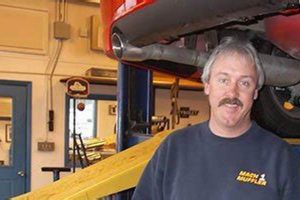
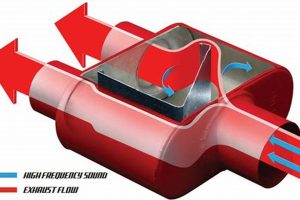
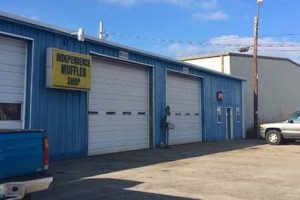
A locally owned automotive repair shop specializing in exhaust systems, this establishment offers services related to the maintenance, repair, and replacement of vehicle exhaust components. For instance, a customer experiencing excessive engine noise might visit the shop to have the exhaust system inspected for leaks or damage.
The value of such a business lies in its contribution to vehicle emissions control, noise reduction, and overall engine performance. Historically, these specialized shops have played a vital role in ensuring vehicles comply with environmental regulations and operate efficiently, contributing to a cleaner and quieter environment.
The following sections will delve into the specifics of exhaust system maintenance, common muffler issues, and the benefits of choosing a reputable repair service for automotive exhaust needs.
Maintenance and Longevity
Maintaining a vehicle’s exhaust system is crucial for optimal performance and longevity. Adhering to these expert recommendations can extend the life of exhaust components and prevent costly repairs.
Tip 1: Regular Visual Inspections: Conduct routine visual checks of the exhaust system for signs of rust, corrosion, or physical damage. Early detection of these issues can prevent minor problems from escalating.
Tip 2: Prompt Attention to Unusual Noises: Investigate any abnormal sounds emanating from the exhaust, such as rattling, hissing, or roaring. These noises often indicate leaks or component failures requiring immediate attention.
Tip 3: Avoid Short Trips When Possible: Frequent short trips can lead to moisture buildup within the exhaust system, accelerating corrosion. Longer drives allow the system to heat up and evaporate this moisture.
Tip 4: Address Engine Issues Immediately: Engine problems, such as misfires or excessive fuel consumption, can overload the exhaust system and shorten its lifespan. Resolve engine issues promptly to protect the exhaust.
Tip 5: Utilize Quality Replacement Parts: When replacement of exhaust components becomes necessary, opt for high-quality parts designed to meet or exceed original equipment manufacturer (OEM) specifications.
Tip 6: Regular Professional Inspections: Schedule periodic professional inspections of the exhaust system by a qualified technician. These inspections can identify hidden issues and ensure proper system function.
By following these guidelines, vehicle owners can significantly extend the life of their exhaust systems and ensure continued optimal performance. Proactive maintenance minimizes the risk of unexpected breakdowns and costly repairs.
The concluding section will summarize the importance of responsible vehicle maintenance and the lasting benefits of maintaining a well-functioning exhaust system.
1. Exhaust system repairs

Exhaust system repairs constitute the core service offering of a business like Manny’s Muffler. Damage, corrosion, or component failure within the exhaust system necessitates repair or replacement to maintain vehicle performance and regulatory compliance. The correlation is direct: exhaust system repair is the primary reason customers seek the services of this type of establishment. For example, a vehicle failing an emissions test due to a malfunctioning catalytic converter would require professional repair services typically offered at such a shop.
The importance of proficient exhaust system repairs extends beyond immediate vehicle functionality. A properly functioning exhaust system is crucial for reducing harmful emissions, minimizing noise pollution, and optimizing engine efficiency. Businesses specializing in this area contribute significantly to environmental protection and public health by ensuring vehicles meet established standards. A practical application of this understanding involves diagnosing exhaust leaks, which can lead to carbon monoxide poisoning, and rectifying them promptly through professional repair.
In summary, exhaust system repairs represent the foundational activity for a business like Manny’s Muffler. The effectiveness of such repairs directly influences vehicle performance, environmental impact, and public safety. Challenges in this field include keeping abreast of evolving emissions regulations and adapting to advancements in automotive technology. Understanding the significance of this specialized service is vital for both vehicle owners and the mechanics providing the repairs.
2. Local business ownership

The ownership structure of an automotive repair shop has implications for service quality, community connection, and economic impact. Local ownership, as opposed to corporate chains, often fosters a unique operational dynamic, particularly for a specialized business like an exhaust system repair facility.
- Personalized Customer Service
Local owners typically prioritize direct customer relationships, leading to more personalized service. The owner often interacts directly with customers, understanding their needs and ensuring satisfaction. This can translate to a higher level of trust and repeat business, a crucial advantage in a competitive market. For example, a locally owned shop might offer customized solutions or go the extra mile to accommodate specific customer requests.
- Community Investment and Engagement
Local businesses tend to be more deeply rooted in the community, participating in local events and supporting local initiatives. This engagement can enhance the business’s reputation and build goodwill within the community. An example would be sponsoring a local sports team or donating to a local charity, strengthening the bond between the business and its customer base.
- Flexibility and Adaptability
Local owners often possess greater flexibility in adapting to local market conditions and customer preferences. They can make decisions more quickly and tailor their services to meet the specific needs of the community. This agility allows them to respond effectively to changing customer demands and stay ahead of competitors, as opposed to relying on corporate policy.
- Economic Contribution to the Local Economy
Revenue generated by locally owned businesses tends to stay within the community, supporting other local businesses and creating jobs. This contributes to the overall economic health of the area. For instance, using local suppliers for parts and materials supports the local economy and strengthens the network of businesses within the community.
These facets of local business ownership collectively contribute to a distinct operational environment, potentially differentiating a business from larger, corporate entities. This often results in a more personalized, community-focused approach to automotive repair and exhaust system services, as could be expected in the context of such a business.
3. Specialized automotive service
Specialized automotive service, as exemplified by a business like Manny’s Muffler, constitutes a distinct segment within the broader automotive repair industry. This focused expertise allows for a higher degree of proficiency and efficiency in addressing specific vehicle-related issues, providing a targeted solution for customers.
- Diagnostic Precision in Exhaust Systems
A specialized service enables mechanics to develop a deep understanding of exhaust system intricacies, leading to more accurate diagnoses. Technicians familiar with specific components, like catalytic converters or resonators, can quickly identify problems that a general mechanic might overlook. The result is reduced downtime and more effective repairs. For example, subtle exhaust leaks can be detected more readily with specialized equipment and expertise.
- Focused Equipment and Tooling
Specialized automotive service justifies investment in equipment and tooling tailored to specific tasks. An exhaust shop might possess specialized welding equipment, pipe bending tools, and diagnostic scanners optimized for exhaust system analysis. This specialized equipment improves repair quality and efficiency compared to general automotive shops that may lack specific tools.
- Targeted Training and Expertise
Technicians working within a specialized automotive service environment receive targeted training that enhances their expertise in a specific area. This focused training allows them to stay current with the latest technologies and repair techniques related to their specialization. Continued education on catalytic converter technology, for instance, allows for more accurate and effective service.
- Efficient Inventory Management
Specialization allows for more efficient inventory management of frequently used parts and components. An exhaust shop can maintain a comprehensive stock of mufflers, pipes, and related hardware, reducing lead times for repairs and ensuring prompt service. This streamlined inventory system contrasts with general automotive shops that must maintain a broader inventory of parts, often leading to delays in specialized repairs.
These facets of specialized automotive service underscore the value proposition for customers seeking expertise in specific vehicle areas. Businesses like Manny’s Muffler leverage this specialization to provide superior service, efficient repairs, and targeted solutions for exhaust system needs. A general auto repair shop might address a wide range of issues adequately, but often lacks the deep knowledge of a specialized repair service.
4. Customer trust establishment

In the context of automotive repair, customer trust establishment is paramount for sustainable business operations. For an establishment like Manny’s Muffler, gaining and maintaining customer trust directly impacts its reputation, customer retention, and overall success.
- Transparent Communication
Clear and honest communication regarding diagnostic findings, repair options, and pricing is foundational. Providing customers with detailed explanations of their vehicle’s issues, along with realistic assessments of the required repairs and associated costs, builds confidence in the service provider’s integrity. Omitting details or providing inaccurate estimates erodes trust. For example, a complete explanation of why a catalytic converter needs replacement, along with a breakdown of the parts and labor costs, fosters trust.
- Consistent Service Quality
Delivering consistently high-quality repairs is essential for establishing a positive track record. Performing thorough, reliable work that addresses the customer’s concerns and meets or exceeds expectations enhances customer satisfaction and reinforces trust. Recurring issues or substandard repairs damage the business’s reputation. Providing guarantees or warranties on repairs demonstrates commitment to quality and customer satisfaction.
- Ethical Business Practices
Adhering to ethical business practices, such as avoiding unnecessary repairs or upselling, cultivates a reputation for honesty and integrity. Prioritizing the customer’s needs and providing unbiased recommendations fosters a sense of trust and strengthens the customer-business relationship. Engaging in deceptive practices or taking advantage of customers seeking assistance severely damages the shop’s reputation and long-term viability.
- Responsive Customer Service
Promptly addressing customer inquiries, concerns, and complaints demonstrates a commitment to customer satisfaction and reinforces trust. Providing attentive and helpful customer service, both before and after repairs, shows that the business values its customers and their feedback. Ignoring customer concerns or failing to resolve issues can damage the business’s reputation and erode customer loyalty.
These components of customer trust establishment are critical for a business like Manny’s Muffler. Demonstrating transparency, delivering quality work, upholding ethical standards, and providing responsive customer service are essential for cultivating a loyal customer base and ensuring long-term success. The lack of any of these undermines the establishment and its ability to operate soundly.
5. Environmental responsibility adherence

Environmental responsibility adherence, in the context of an automotive repair business specializing in exhaust systems, is a critical operational imperative. Compliance with environmental regulations not only mitigates legal and financial risks but also enhances the business’s reputation and fosters a positive impact on the community.
- Proper Handling of Hazardous Waste
Automotive repair shops generate various forms of hazardous waste, including used oil, antifreeze, and discarded catalytic converters. Adherence to environmental regulations mandates the proper storage, handling, and disposal of these materials to prevent soil and water contamination. Failure to comply with these regulations can result in substantial fines and legal action. For example, ensuring that spent catalytic converters are recycled through authorized channels is crucial to prevent the release of harmful pollutants into the environment.
- Emissions Testing and Compliance
Businesses specializing in exhaust systems play a vital role in ensuring that vehicles meet emissions standards. Performing accurate emissions testing and providing necessary repairs to bring vehicles into compliance with regulations is an essential aspect of environmental responsibility. Failing to properly diagnose and repair emissions-related issues can contribute to air pollution and negatively impact public health. Correctly diagnosing and repairing a faulty oxygen sensor, which can lead to increased emissions, demonstrates adherence to environmental standards.
- Promoting Fuel Efficiency
A well-maintained exhaust system contributes to optimal engine performance and fuel efficiency. By providing services that improve fuel economy, businesses can indirectly reduce greenhouse gas emissions. Educating customers on the benefits of proper exhaust system maintenance and offering fuel-efficient replacement options encourages environmentally conscious practices. For example, recommending a low-restriction muffler that improves engine breathing can contribute to increased fuel efficiency.
- Sourcing Environmentally Friendly Parts
Selecting replacement parts that meet or exceed environmental standards demonstrates a commitment to environmental responsibility. Opting for catalytic converters that comply with stringent emissions regulations and utilizing environmentally friendly solvents and cleaning products reduces the business’s environmental footprint. Sourcing remanufactured or recycled parts, when feasible, further contributes to sustainable practices. For example, using a catalytic converter that meets CARB (California Air Resources Board) standards demonstrates a commitment to reducing emissions.
In summary, environmental responsibility adherence is integral to the operations of an exhaust system repair business like Manny’s Muffler. By implementing responsible waste management practices, ensuring emissions compliance, promoting fuel efficiency, and sourcing environmentally friendly parts, such businesses can contribute to a cleaner environment and a more sustainable future. The positive impact extends beyond regulatory compliance, fostering a reputation for ethical and responsible business practices within the community.
Frequently Asked Questions Regarding Exhaust System Maintenance
This section addresses common inquiries related to exhaust system maintenance, repairs, and related services offered by establishments such as Manny’s Muffler.
Question 1: What are the primary indicators of a potential exhaust system problem?
Observable symptoms may include unusual noises emanating from the vehicle, such as rattling, hissing, or excessive engine roar. Decreased fuel efficiency, a burning smell, or visible rust and corrosion on exhaust components also warrant investigation.
Question 2: How often should a vehicle’s exhaust system be inspected?
It is recommended to have the exhaust system inspected at least annually or whenever other routine maintenance is performed. More frequent inspections may be necessary for vehicles driven in harsh conditions or subjected to frequent short trips.
Question 3: What are the potential consequences of neglecting exhaust system repairs?
Ignoring exhaust system problems can lead to reduced engine performance, increased fuel consumption, elevated emissions, and potential safety hazards, such as carbon monoxide leaks into the vehicle cabin. Extended neglect can also result in more costly repairs in the long term.
Question 4: What is the typical lifespan of a muffler?
The lifespan of a muffler varies depending on factors such as vehicle usage, driving conditions, and the quality of the muffler itself. A well-maintained muffler can last for several years, but replacement may be necessary sooner if exposed to excessive corrosion or physical damage.
Question 5: Can aftermarket exhaust components improve vehicle performance?
Some aftermarket exhaust components are designed to enhance engine performance by improving exhaust flow. However, it is crucial to ensure that any aftermarket modifications comply with local emissions regulations and do not negatively impact fuel efficiency or noise levels.
Question 6: What factors influence the cost of exhaust system repairs?
The cost of exhaust system repairs depends on the extent of the damage, the specific components that require replacement, and the labor rates charged by the repair facility. Obtaining multiple estimates from reputable repair shops is advisable to ensure a fair and competitive price.
Regular inspections and timely repairs are crucial for maintaining a healthy exhaust system, ensuring optimal vehicle performance, and minimizing environmental impact. Consulting with a qualified mechanic is recommended for any concerns or questions related to exhaust system maintenance.
The subsequent section will provide an overview of the tools and technologies used in modern exhaust system diagnostics and repairs.
Conclusion
The preceding sections have explored the diverse facets of a business such as Manny’s Muffler, encompassing specialized automotive services, local ownership dynamics, the establishment of customer trust, and the imperative of environmental responsibility. The importance of regular maintenance and informed decision-making regarding exhaust system repairs has also been underscored.
Given the crucial role of exhaust systems in vehicle performance, emissions control, and environmental protection, proactive maintenance and the selection of a reputable service provider remain essential. Vehicle owners are encouraged to seek qualified professionals for exhaust system inspections and repairs, ensuring adherence to industry best practices and contributing to a more sustainable automotive ecosystem.