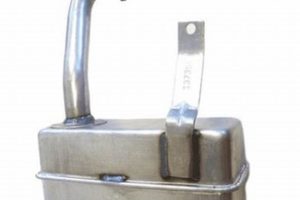
The service life of a vehicle’s exhaust noise reduction device is a common concern for vehicle owners. This component plays a critical role in minimizing engine noise and ensuring compliance with noise regulations. A typical lifespan can vary considerably based on several factors.
The durability of this component is impacted by driving conditions, the quality of the part itself, and environmental factors such as road salt exposure. Premature failure can lead to increased noise pollution and potential regulatory violations. Historically, materials and manufacturing processes have evolved to improve the longevity of these parts.
This discussion will explore the key elements that determine the potential duration of effective operation, including material composition, environmental influence, and indicators of degradation requiring replacement.
Extending Exhaust Noise Reduction Device Lifespan
Maximizing the operational period of this component requires diligent maintenance and informed driving practices. Several strategies can contribute to its extended service.
Tip 1: Regular Inspections: Periodic visual checks for rust, holes, or physical damage are crucial. Early detection of corrosion can prevent significant deterioration and potential component failure.
Tip 2: Minimizing Short Trips: Frequent short trips do not allow the exhaust system to reach optimal operating temperature, leading to condensation buildup and internal corrosion. Longer drives can help burn off accumulated moisture.
Tip 3: Avoiding Rough Terrain: Driving on unpaved roads or over obstacles can expose the system to physical impacts, potentially causing dents, cracks, or disconnections. Careful route planning can mitigate these risks.
Tip 4: Proper Vehicle Maintenance: Ensuring the engine is running efficiently is vital. Engine misfires or improper fuel combustion can introduce corrosive substances into the exhaust stream, accelerating degradation.
Tip 5: Salt Exposure Mitigation: In regions with road salt usage, regular undercarriage washes are essential to remove salt buildup, which significantly contributes to corrosion. Consider applying rust-inhibiting coatings for added protection.
Tip 6: Prompt Repairs: Addressing any unusual noises or performance issues from the exhaust system immediately is critical. Delaying repairs can lead to more extensive damage and necessitate more costly replacements.
Tip 7: Consider Material Upgrades: When replacement is required, explore options for systems constructed from more corrosion-resistant materials, such as stainless steel, which can offer extended durability in harsh environments.
Implementing these preventive measures can significantly increase the period before component replacement is necessary, resulting in long-term cost savings and reduced environmental impact.
The subsequent section will discuss factors that directly influence the degradation process of these vehicle components.
1. Material Composition

The materials used in constructing an exhaust noise reduction device exert a significant influence on its lifespan. Different materials exhibit varying degrees of resistance to corrosion, heat, and mechanical stress, directly affecting its durability. A component constructed from lower-grade materials is inherently more susceptible to premature failure than one fabricated from high-quality, corrosion-resistant alloys.
For instance, exhaust systems constructed from mild steel are prone to rapid rusting, especially in environments where road salt is prevalent. This corrosion weakens the structure, leading to leaks and eventual failure. In contrast, stainless steel offers superior corrosion resistance, significantly extending its lifespan, but at a higher initial cost. Aluminized steel represents a compromise, providing enhanced corrosion protection compared to mild steel while remaining more affordable than stainless steel. The type of welding and joining techniques used can also introduce points of weakness, regardless of the primary material. Improper welds can corrode or fracture sooner than the base metal.
Therefore, material selection represents a critical decision point influencing the cost-effectiveness of exhaust maintenance. While higher-grade materials entail a greater upfront investment, they offer the potential for substantial long-term savings through reduced replacement frequency and improved reliability. Understanding the correlation between material composition and degradation rates is essential for informed decision-making when selecting or replacing this automotive component.
2. Driving Conditions

Driving conditions significantly influence the lifespan of a vehicle’s exhaust noise reduction device. The type and frequency of vehicle usage directly impact the rate of degradation and eventual component failure.
- Short Trip Frequency
Frequent short trips, particularly in cold weather, prevent the exhaust system from reaching its optimal operating temperature. This results in the accumulation of condensation within the system, which promotes internal corrosion. The acidic nature of the condensed water accelerates rusting, substantially reducing the service period.
- Terrain Type
Vehicles operated primarily on rough or unpaved roads are subjected to increased physical stress and impacts. These impacts can damage the exhaust system, creating dents, cracks, or disconnections. Such physical damage compromises the integrity of the system and accelerates corrosion, leading to premature failure.
- Towing and Load
Consistent towing or carrying heavy loads places additional strain on the engine, leading to increased exhaust temperatures and potentially altered combustion processes. Elevated exhaust temperatures accelerate oxidation and corrosion within the system, while incomplete combustion can introduce corrosive byproducts into the exhaust stream, further reducing component lifespan.
- Aggressive Driving
Habitual aggressive driving, characterized by rapid acceleration and hard braking, increases the frequency of extreme temperature fluctuations within the exhaust system. These thermal cycles induce stress on the metal, leading to fatigue and cracking over time. The increased vibration associated with aggressive driving can also loosen joints and connections, promoting leaks and accelerating corrosion.
Consequently, the operational environment of a vehicle is a critical determinant of how long the exhaust noise reduction device will remain effective. Mitigating the negative impacts of these driving conditions through careful driving practices and regular maintenance contributes to extending its service period and reducing the frequency of replacement.
3. Environmental Exposure
Environmental exposure exerts a profound influence on the operational life of an exhaust noise reduction device. The specific environmental conditions to which a vehicle is routinely subjected directly correlate with the rate of material degradation and, consequently, the component’s functional duration. Understanding this connection is crucial for predicting potential maintenance needs and implementing proactive protection strategies.
Road salt, a common de-icing agent in colder climates, represents a primary accelerant of corrosion. Salt spray coats the undercarriage, including the exhaust system, creating an electrochemical reaction that rapidly degrades metal components. Vehicles operating in coastal regions face similar challenges due to saltwater exposure. Humidity also plays a significant role; high humidity levels increase the rate of atmospheric corrosion. Temperature fluctuations further exacerbate the problem. Repeated heating and cooling cycles induce thermal stress, leading to cracking and weakening of the metal structure. Even acid rain contributes to surface corrosion, albeit at a slower rate than direct salt exposure. The cumulative effect of these environmental factors substantially shortens the lifespan, often necessitating replacement sooner than anticipated.
Mitigating the effects of environmental exposure involves several key strategies. Regular undercarriage washing, especially after winter seasons, is essential to remove accumulated salt and debris. Applying rust-inhibiting coatings can provide an additional layer of protection against corrosion. Parking vehicles in enclosed garages can reduce exposure to moisture and temperature extremes. Selecting components constructed from corrosion-resistant materials, such as stainless steel, provides enhanced durability in harsh environments. Recognizing the pervasive influence of environmental conditions allows for informed vehicle maintenance practices that ultimately extend the operational service period and minimize replacement costs.
4. Manufacturing Quality

The durability of a vehicle’s exhaust noise reduction device is critically linked to the quality standards upheld during its manufacture. Deviations from stringent quality control protocols can significantly diminish its service life, regardless of material selection or environmental factors.
- Welding Integrity
Poor welding practices introduce weak points in the structure. Inconsistent weld penetration, porosity, and slag inclusions compromise the structural integrity, making the component susceptible to premature failure from vibration, thermal stress, and corrosion. Proper welding techniques, utilizing appropriate filler materials and shielding gases, are essential for robust, long-lasting joints.
- Material Specification Adherence
Substituting lower-grade materials or failing to meet specified alloy compositions degrades corrosion resistance and reduces the component’s ability to withstand high temperatures. Rigorous material testing and verification processes are necessary to ensure compliance with engineering specifications and prevent premature failure.
- Protective Coating Application
Inadequate application of protective coatings, such as aluminizing or ceramic coatings, leaves areas vulnerable to corrosion. Uneven coating thickness, pinholes, or insufficient surface preparation compromise the effectiveness of the coating, accelerating the degradation process. Proper surface preparation, controlled application parameters, and thorough inspection are vital for ensuring effective corrosion protection.
- Dimensional Accuracy
Dimensional inaccuracies, such as improper fitment of internal baffles or misalignment of exhaust ports, can create stress concentrations and disrupt exhaust gas flow. These irregularities can lead to premature cracking, increased noise levels, and reduced engine performance. Precise manufacturing tolerances and rigorous quality checks are essential for ensuring proper fit and optimal functionality.
The aggregate impact of these manufacturing-related factors underscores the importance of selecting reputable manufacturers with established quality control systems. A component manufactured to exacting standards will exhibit superior durability and a longer operational period, ultimately providing greater value and minimizing maintenance costs. The investment in quality during the manufacturing process directly translates to extended product lifespan.
5. Engine Health

The operational state of an engine significantly influences the longevity of the exhaust noise reduction device. A healthy engine, characterized by efficient combustion and proper maintenance, generates exhaust gases that are less corrosive and within specified temperature parameters. Conversely, an engine experiencing mechanical issues or neglected maintenance produces exhaust with elevated levels of harmful compounds and increased thermal stress, accelerating degradation of downstream components, including the muffler.
For instance, an engine misfire introduces unburned fuel into the exhaust stream. This unburned fuel can ignite within the exhaust system, leading to excessive heat and potential damage to the catalytic converter and muffler. Similarly, oil leaks into the combustion chamber result in increased hydrocarbon emissions, which can react with catalytic converter materials and reduce their effectiveness, placing additional strain on the muffler to dampen exhaust pulses. A poorly maintained engine, often exhibiting issues such as worn piston rings or valve seals, contributes to increased oil consumption and the formation of carbon deposits throughout the exhaust system. These deposits restrict gas flow, increasing backpressure and temperature, which further compromise the structural integrity of the muffler. A real-world example includes vehicles with chronic oil consumption exhibiting premature muffler failure due to the combined effects of increased exhaust temperatures and the corrosive nature of burning oil byproducts within the exhaust system.
In summary, maintaining optimal engine health is paramount for maximizing the service life of the exhaust noise reduction device. Addressing engine issues promptly, adhering to recommended maintenance schedules, and utilizing appropriate engine lubricants contribute to cleaner and more consistent exhaust gas composition. This, in turn, minimizes the corrosive effects on the exhaust system components, substantially extending their functional lifespan and reducing the frequency of costly replacements. The financial implications of neglecting engine maintenance extend beyond engine repairs, impacting the lifespan of downstream components like the muffler.
6. Exhaust Leaks
Exhaust leaks present a significant factor in determining the operational lifespan of a vehicle’s exhaust noise reduction device. The integrity of the exhaust system is predicated on its ability to contain and channel exhaust gases effectively. When leaks occur, the intended flow dynamics are disrupted, leading to localized overheating and increased corrosion rates within the system. This, in turn, directly reduces the functional period before replacement becomes necessary. For instance, a small leak upstream can introduce turbulent flow patterns that impinge directly on the muffler, accelerating its internal erosion. The increased exposure to hot, uncombusted gases and moisture contributes to accelerated rusting and weakening of the muffler’s structure. The precise location and severity of the leak dictate the extent of the impact on its longevity.
The presence of an exhaust leak often signals an underlying issue, such as corrosion, physical damage from road debris, or loose connections. Ignoring these leaks can result in a cascade of negative effects. Not only does it contribute to premature muffler failure, but it also compromises the catalytic converter’s efficiency, potentially leading to increased emissions and decreased fuel economy. The altered exhaust flow patterns can also create backpressure that adversely affects engine performance, further exacerbating the problem. Real-world examples include situations where a rusted exhaust manifold gasket leak exposes the connecting pipe and muffler to extreme heat, causing rapid deterioration and eventual structural failure of these components within a relatively short timeframe.
In conclusion, exhaust leaks represent a critical threat to the lifespan of a vehicle’s exhaust noise reduction device. Prompt identification and repair of any leaks are essential to maintaining the overall health of the exhaust system and preventing premature muffler failure. This proactive approach not only extends the operational period, but also safeguards engine performance, optimizes fuel efficiency, and minimizes environmental impact. The interconnectedness of these elements reinforces the importance of regular exhaust system inspections and timely maintenance interventions.
7. Rust Prevention

Rust, or iron oxide, represents a primary cause of premature exhaust noise reduction device failure. The cyclical exposure to moisture, often exacerbated by road salt in colder climates, initiates and accelerates the corrosion process. Without proactive intervention, rust weakens the structural integrity of the metal, leading to leaks, reduced noise dampening effectiveness, and eventual component replacement. The effectiveness of rust prevention strategies directly correlates with the duration of the muffler’s operational life. For example, a vehicle regularly undercoated with a rust inhibitor can demonstrate significantly prolonged muffler longevity compared to an identical vehicle lacking such protection, operating in the same environment.
Effective rust prevention encompasses multiple strategies. Regular washing, particularly during winter months, removes accumulated salt and contaminants. The application of rust-inhibiting coatings to the undercarriage provides a barrier against moisture and corrosive agents. Internal coatings within the muffler itself can also mitigate corrosion from condensation accumulating inside the exhaust system. Selecting exhaust components constructed from corrosion-resistant materials, such as stainless steel, inherently reduces the susceptibility to rust formation. Furthermore, ensuring proper drainage within the muffler design prevents water accumulation, thereby minimizing internal corrosion. The implementation of these rust prevention measures constitutes a direct investment in the extended operational life of the vehicles exhaust noise reduction device.
In summation, rust poses a substantial threat to the functional lifespan of an exhaust system’s noise reduction component. The consistent application of effective rust prevention strategies is essential for mitigating this threat. These strategies, ranging from protective coatings to material selection, contribute significantly to extending its durability and minimizing the frequency of replacement. The understanding of the causative link between rust and muffler degradation underscores the importance of proactive maintenance for vehicle owners seeking to maximize the longevity of their exhaust systems.
Frequently Asked Questions
This section addresses common inquiries regarding the service duration of vehicle exhaust noise reduction devices, providing objective information to assist in informed maintenance planning.
Question 1: What constitutes a typical lifespan?
The functional duration varies considerably, influenced by factors such as material, driving conditions, and environmental exposure. However, a properly maintained component may last between 5 to 7 years or 50,000 to 80,000 miles under normal operating conditions.
Question 2: Does the vehicle type impact its longevity?
Vehicle type exerts a secondary influence. Vehicles subjected to heavier use, such as trucks and SUVs, or those operating in demanding conditions, may experience a shorter lifespan compared to passenger cars driven primarily in urban settings.
Question 3: Are there noticeable indicators of imminent failure?
Audible indications include increased exhaust noise, rattling sounds, or hissing emanating from the exhaust system. Visual indicators encompass rust, holes, or physical damage to the component’s exterior.
Question 4: Does aftermarket or OEM impact longevity?
The source of the replacement, whether original equipment manufacturer (OEM) or aftermarket, directly affects its service duration. OEM components are typically manufactured to higher quality standards, potentially leading to extended lifespans compared to some aftermarket alternatives. Cost is also a factor.
Question 5: Can extreme weather exposure significantly shorten component lifetime?
Severe weather conditions, such as prolonged exposure to road salt or extreme temperature fluctuations, demonstrably reduce the service duration by accelerating corrosion and material degradation.
Question 6: Is proactive maintenance practical to get longest lifespan?
Proactive maintenance measures, including regular inspections, undercarriage washing, and rust prevention treatments, demonstrably extend component life and reduce the frequency of replacements. Doing so is beneficial for both the car’s performance and safety.
Understanding these key factors enables vehicle owners to better anticipate maintenance requirements and implement strategies to maximize exhaust system component longevity.
The subsequent discussion will explore the economic implications associated with its replacement.
Conclusion
Determining how long should a muffler last necessitates a comprehensive understanding of interacting factors, from material composition and manufacturing quality to environmental exposure and driving conditions. The information presented underscores that no single definitive answer exists, rather a range influenced by proactive maintenance and diligent operational considerations. Maximizing the operational period requires informed decision-making regarding material selection, adherence to recommended maintenance schedules, and consistent implementation of rust prevention strategies.
The knowledge of these contributing factors empowers vehicle owners to make informed decisions regarding exhaust system maintenance and replacement, contributing to both long-term cost savings and a reduction in environmental impact. A proactive approach, grounded in awareness and responsible vehicle stewardship, is paramount in achieving the greatest possible service from this essential component.
![Walker Muffler Specs Guide: Find Your Perfect Muffler [Updated] | Best Mufflers for Cars & Trucks | Performance, Sound & Durability Upgrades](https://dnamufflers.com/wp-content/uploads/2026/09/th-21-300x200.jpg "Walker Muffler Specs Guide: Find Your Perfect Muffler [Updated] Best Mufflers for Cars & Trucks | Performance, Sound & Durability Upgrades")