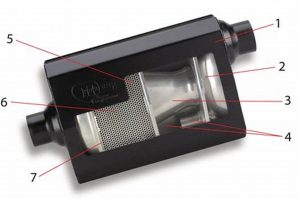
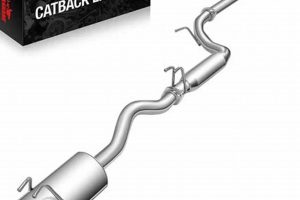
The component in question serves to reduce the acoustic intensity produced by the exhaust system of an all-terrain vehicle. It operates by baffling sound waves, converting some of the acoustic energy into heat, and altering the frequency characteristics of the exiting exhaust gas. These devices are typically constructed from steel or aluminum and are designed to meet specific noise level regulations or performance requirements.
Effective reduction of exhaust noise is paramount for adhering to environmental regulations enforced in many recreational areas and residential zones. Beyond compliance, these devices contribute to a more enjoyable riding experience for the operator and reduce disturbance to surrounding wildlife and communities. Historically, these components were simpler designs, but advancements in materials science and engineering have led to more efficient and durable solutions.
Understanding the different types available, their performance characteristics, and the factors to consider when selecting one for a specific ATV model will be the focus of subsequent sections. This includes exploring aftermarket options, installation procedures, and maintenance best practices.
ATV Muffler Considerations
This section provides essential guidance for those seeking to optimize or replace the exhaust silencing component on their all-terrain vehicle.
Tip 1: Assess Noise Level Requirements: Before acquiring a replacement, ascertain local noise ordinances applicable to ATV operation. Certain regions mandate adherence to specific decibel limits, influencing product selection.
Tip 2: Material Selection is Crucial: The material composition significantly affects durability and performance. Stainless steel generally provides superior corrosion resistance compared to aluminized steel, particularly in harsh environments.
Tip 3: Consider Backpressure Implications: Altering the exhaust system, including the silencing component, can impact engine backpressure. Insufficient backpressure may compromise low-end torque, while excessive backpressure can hinder overall performance.
Tip 4: Evaluate Aftermarket Options Carefully: A diverse range of aftermarket components exists, offering varying degrees of noise reduction and performance enhancement. Research product reviews and specifications diligently to ensure compatibility and suitability for the intended application.
Tip 5: Proper Installation is Mandatory: Correct installation is paramount for optimal functionality and longevity. Adhere strictly to the manufacturer’s instructions, and utilize appropriate tools and techniques to avoid damage to the exhaust system or engine.
Tip 6: Regular Inspection is Essential: Periodic inspection for signs of corrosion, damage, or leaks is critical. Address any issues promptly to prevent further deterioration and maintain optimal performance.
Tip 7: Consider a Spark Arrestor: If operating in areas prone to wildfires, ensure the selected component incorporates a spark arrestor, a critical safety feature that prevents the emission of flammable particles from the exhaust.
Implementing these guidelines will contribute to informed decision-making, leading to the selection and maintenance of an appropriate and effective solution. Prioritizing noise mitigation, durability, and compliance with local regulations remains paramount.
The subsequent sections will address specific product categories and provide further insights into optimizing ATV performance and sound management.
1. Noise Reduction

The primary function of a muffler on an all-terrain vehicle is noise reduction. This is achieved through the strategic design and internal baffling of the component. Sound waves generated by the engine’s combustion process are channeled through these baffles, causing interference and dissipation of acoustic energy. The direct consequence is a decrease in the overall sound pressure level emanating from the exhaust system. Without effective noise reduction, ATVs can generate sound levels exceeding acceptable limits, leading to restrictions on usage in certain areas. For example, many national parks and recreational areas impose strict noise level regulations that ATVs must meet, necessitating the use of properly functioning mufflers.
The effectiveness of noise reduction varies depending on the muffler’s design and construction. Aftermarket components frequently prioritize performance gains, often at the expense of noise suppression. This can result in higher decibel levels, potentially violating noise ordinances and disturbing local communities. Conversely, stock mufflers typically emphasize noise reduction to meet regulatory requirements. Real-world examples include the enforcement of noise level restrictions near residential areas, where operators are required to maintain exhaust systems that effectively minimize noise pollution. Regular inspection and maintenance are essential to ensure the muffler continues to perform its noise reduction function effectively. Damage or corrosion can compromise the internal baffling, leading to increased noise output.
In summary, noise reduction is an integral component of an ATV muffler, directly impacting the vehicle’s compliance with regulations, its acceptance in recreational areas, and its impact on the surrounding environment. Understanding the importance of this function, selecting appropriate components, and maintaining them properly are crucial for responsible ATV operation. The challenges lie in balancing noise reduction with performance demands and ensuring long-term functionality in harsh operating conditions. The topic also connects to broader environmental concerns regarding noise pollution and the preservation of natural habitats.
2. Material Durability
The operational environment of an all-terrain vehicle places substantial demands on its components, with the exhaust silencing device being particularly vulnerable. Material durability directly dictates the lifespan and functionality of this component. Exposure to extreme temperatures, corrosive exhaust gases, water, mud, and physical impacts necessitates the utilization of robust materials capable of withstanding these conditions. The failure to employ durable materials results in premature corrosion, structural damage, and a compromised ability to effectively attenuate noise, rendering the device functionally impaired. A real-world example is observed in coastal environments, where the accelerated corrosion of mufflers constructed from non-resistant metals leads to rapid deterioration and necessitates frequent replacements. Similarly, off-road environments characterized by rocky terrain can inflict physical damage on inadequately protected components.
The selection of appropriate materials for the construction of ATV exhaust silencing devices hinges on a balance of cost, weight, and corrosion resistance. Stainless steel, while more expensive than aluminized steel, offers superior resistance to corrosion, especially in environments with high moisture or salt content. This extended lifespan can offset the initial cost differential over time. Titanium, although providing exceptional strength-to-weight ratio and corrosion resistance, is significantly more expensive and typically reserved for high-performance applications where weight reduction is paramount. The practical application of this understanding lies in informed decision-making during the selection or replacement of a muffler, ensuring the chosen material aligns with the anticipated operating conditions and desired longevity. It also informs preventative maintenance practices, such as regular cleaning and the application of protective coatings, to mitigate the effects of environmental exposure.
In summary, material durability constitutes a critical determinant of the performance and longevity of an ATV exhaust silencing device. The selection of materials exhibiting high corrosion resistance and structural integrity is paramount for ensuring reliable operation and minimizing the need for frequent replacements. Challenges persist in balancing material cost with durability requirements, particularly in mass-produced vehicles. However, a comprehensive understanding of the factors influencing material degradation enables informed decisions that contribute to responsible ATV operation and reduced environmental impact through decreased component waste. This understanding extends to the need for advancements in material science to develop cost-effective solutions that offer exceptional durability in harsh operating environments.
3. Backpressure Effects
The exhaust silencing device significantly influences engine backpressure in all-terrain vehicles. Backpressure refers to the resistance encountered by exhaust gases as they exit the engine. The design of the muffler, specifically the internal baffling and exhaust pipe diameter, directly impacts this resistance. A highly restrictive muffler generates increased backpressure, potentially hindering the engine’s ability to expel exhaust gases efficiently. Conversely, a less restrictive, performance-oriented device reduces backpressure. An imbalance in backpressure affects engine performance characteristics, influencing factors such as horsepower, torque, and fuel efficiency. For example, installing a muffler with insufficient backpressure on a small-displacement ATV may result in reduced low-end torque, making it more difficult to navigate challenging terrain.
The relationship between the exhaust silencing device and engine backpressure necessitates careful consideration during aftermarket component selection. Replacing a stock muffler with a high-performance alternative that dramatically reduces backpressure may not always result in improved overall performance. While peak horsepower may increase, the reduction in low-end torque could render the vehicle less suitable for its intended use. Engine modifications, such as installing performance camshafts or increasing the cylinder bore, often necessitate adjustments to the exhaust system to optimize backpressure. Failure to do so can lead to suboptimal engine performance and even potential engine damage. A practical application of this understanding involves dyno testing, a procedure used to measure engine performance under various operating conditions, allowing for precise adjustments to the exhaust system to achieve the desired balance of horsepower and torque.
In summary, backpressure is an unavoidable consequence of exhaust system design, directly influenced by the muffler’s characteristics. Understanding the effects of backpressure is crucial for making informed decisions regarding exhaust system modifications. Maintaining the appropriate balance of backpressure is essential for optimizing engine performance and ensuring the vehicle operates efficiently within its intended parameters. The challenges lie in accurately predicting the impact of muffler changes on engine performance and in selecting components that are appropriately matched to the engine’s specific characteristics. Continued research and development in exhaust system design are necessary to minimize the negative effects of backpressure while maintaining acceptable noise levels.
4. Spark Arrestor
A spark arrestor is a critical safety component, frequently integrated into or affixed to the exhaust silencing device of an all-terrain vehicle. Its primary function is to prevent the emission of flammable particles from the exhaust stream. These particles, often consisting of hot carbon or metallic debris, can ignite dry vegetation, posing a significant fire hazard, particularly in arid or forested environments. The inclusion of a spark arrestor within an ATV exhaust system is often mandated by law in areas prone to wildfires. In the absence of this device, the risk of initiating a wildfire from an ATV exhaust is substantially elevated. The design typically involves a screen or series of baffles that capture or extinguish these particles before they can escape into the surrounding environment. Consequently, a functional spark arrestor directly mitigates the risk of wildfires caused by ATV operation.
The practical application of understanding the function of a spark arrestor is evident in responsible ATV operation. Operators in areas with fire risks should regularly inspect and maintain the device to ensure its effectiveness. A damaged or clogged spark arrestor compromises its ability to prevent the emission of flammable particles. Many recreational areas and public lands conduct inspections of ATV exhaust systems to verify the presence and functionality of spark arrestors. Failure to comply with these regulations can result in fines or the prohibition of ATV use. For example, the US Forest Service mandates the use of approved spark arrestors on all off-road vehicles operating on National Forest System lands during fire season. This underscores the critical role of this relatively simple component in preventing catastrophic wildfires and protecting natural resources.
In summary, the spark arrestor represents an essential safety feature of an ATV exhaust system, particularly in fire-prone regions. Its integration into the exhaust silencing device is often a legal requirement and serves to directly mitigate the risk of wildfires caused by ATV operation. The challenge lies in ensuring consistent compliance with regulations and promoting responsible ATV operation that prioritizes fire safety. This understanding connects to broader environmental concerns regarding wildfire prevention and the preservation of natural ecosystems. Continued efforts in public education and enforcement are necessary to ensure the widespread adoption and maintenance of effective spark arrestors on all ATVs operating in areas with fire risks.
5. Installation Precision

The accuracy and care exercised during the installation of an all-terrain vehicle exhaust silencing device, or muffler, directly impacts its performance, longevity, and safety. Precise installation procedures are paramount for achieving optimal functionality and preventing potential damage to the exhaust system or engine.
- Alignment and Fitment
Proper alignment of the muffler with the exhaust manifold or header pipe is crucial. Misalignment can induce stress on the mounting points, leading to premature failure of welds or fasteners. Correct fitment ensures a gas-tight seal, preventing exhaust leaks that compromise performance, increase noise levels, and potentially expose the operator to harmful exhaust fumes. An example of poor fitment is evident when attempting to install an aftermarket muffler not specifically designed for a particular ATV model, often resulting in the need for modifications and a compromised seal.
- Torque Specifications
Adhering to specified torque values during fastener tightening is essential. Over-tightening can damage threads, deform flanges, or crush gaskets, while under-tightening can result in loose connections and exhaust leaks. Manufacturers provide torque specifications for all mounting hardware to ensure proper clamping force without exceeding the material’s yield strength. An example of the consequences of ignoring torque specifications is the shearing of exhaust manifold studs due to excessive tightening, necessitating costly repairs and potential engine damage.
- Gasket and Seal Integrity
The integrity of gaskets and seals is vital for preventing exhaust leaks. Using damaged or improperly installed gaskets compromises the seal, allowing exhaust gases to escape. Correct gasket material selection is also important, as different materials offer varying degrees of resistance to heat and chemical degradation. An example of a compromised seal is the use of an incorrect gasket material that degrades under high exhaust temperatures, leading to leaks and a noticeable decrease in engine performance.
- Support and Vibration Dampening
Proper support and vibration dampening are necessary to minimize stress on the exhaust system. The use of rubber mounts and hangers helps to isolate the muffler from engine vibrations, preventing fatigue cracking and premature failure. Inadequate support can cause the muffler to vibrate excessively, leading to stress concentrations at weld points and potential structural damage. An example of inadequate support is seen in ATVs that experience frequent off-road use, where the absence of vibration dampening can lead to rapid fatigue and cracking of the muffler mounting brackets.
The preceding facets highlight the critical role of installation precision in ensuring the proper functioning and longevity of an all-terrain vehicle’s exhaust silencing device. Neglecting these factors can result in compromised performance, increased noise levels, safety hazards, and costly repairs. Consequently, meticulous attention to detail during installation is paramount for optimizing the benefits and minimizing the risks associated with aftermarket or replacement mufflers.
Frequently Asked Questions
This section addresses common inquiries regarding exhaust silencing devices for all-terrain vehicles, providing detailed explanations and practical considerations.
Question 1: What constitutes an acceptable noise level for ATV operation in recreational areas?
Acceptable noise levels vary significantly depending on the specific location and applicable regulations. Many recreational areas enforce decibel limits, often ranging from 94 to 96 dBA, measured at a specified distance from the exhaust outlet. It is imperative to consult local ordinances to determine the permissible noise level for a given area. Exceeding these limits can result in fines or the prohibition of ATV use.
Question 2: How does an aftermarket exhaust system affect engine performance?
Aftermarket exhaust systems can alter engine performance by modifying exhaust flow characteristics. A less restrictive system can increase horsepower, particularly at higher engine speeds, but may reduce low-end torque. Proper tuning of the engine management system is often necessary to optimize performance with an aftermarket exhaust. Furthermore, modifications to the exhaust system may impact emissions compliance.
Question 3: What are the potential consequences of operating an ATV with a damaged or missing spark arrestor?
Operating an ATV with a damaged or missing spark arrestor significantly increases the risk of starting wildfires, particularly in dry or forested areas. This constitutes a serious safety hazard and a violation of many local and federal regulations. Fines and other penalties may be imposed for operating an ATV without a functioning spark arrestor in designated areas.
Question 4: How frequently should the exhaust system be inspected for damage or corrosion?
The exhaust system should be inspected regularly, ideally before each ride or at least monthly, for signs of damage, corrosion, or leaks. Particular attention should be paid to welds, mounting points, and the condition of the spark arrestor screen. Promptly addressing any issues is essential to prevent further deterioration and maintain optimal performance and safety.
Question 5: Can an ATV muffler be repaired, or is replacement always necessary?
The feasibility of repairing an ATV muffler depends on the extent and nature of the damage. Minor cracks or leaks may be repairable through welding or patching. However, extensive corrosion or structural damage typically necessitates replacement. Attempting to repair a severely damaged muffler may compromise its structural integrity and effectiveness.
Question 6: Does the size or displacement of the ATV engine affect the type of muffler required?
Yes, the engine size and displacement significantly influence the type of muffler required. Larger engines generally require mufflers with greater flow capacity to accommodate the increased exhaust volume. Selecting an inappropriately sized muffler can negatively impact engine performance and fuel efficiency. It is important to choose a muffler specifically designed for the engine size of the ATV.
These FAQs provide a foundational understanding of critical aspects related to all-terrain vehicle exhaust silencing devices. Addressing these points contributes to responsible ATV ownership and operation.
The following section will delve into specific brands and models of mufflers commonly available for ATVs, providing a comparative analysis of their features and performance characteristics.
Conclusion
The preceding analysis underscores the multifaceted role of the “muffler for atv”. Its functionality extends beyond mere noise reduction, encompassing critical considerations of engine performance, regulatory compliance, environmental responsibility, and operator safety. Selection of a suitable component necessitates careful evaluation of material durability, backpressure effects, and the mandatory presence of a functioning spark arrestor where applicable. Installation precision further contributes to optimal performance and longevity.
The effective management of ATV exhaust systems remains a shared responsibility. Continued advancements in muffler design and material science, coupled with diligent adherence to maintenance protocols and local regulations, will collectively contribute to a more sustainable and responsible approach to all-terrain vehicle operation. Prioritizing these factors safeguards both the environment and the well-being of all stakeholders.