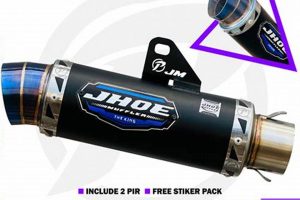
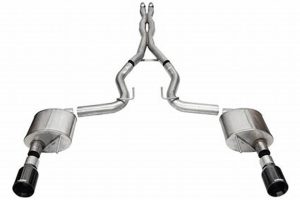
A vehicle exhaust component reduces the noise generated by the engine’s combustion process. This device utilizes a series of chambers and baffles to attenuate sound waves, leading to a quieter operational experience. For example, the installation of a properly functioning one is a crucial aspect of automotive maintenance, impacting both noise pollution and vehicle performance.
The importance lies in its contribution to environmental noise reduction and compliance with noise regulations. Its benefits extend to improved driver and passenger comfort by minimizing cabin noise levels. Historically, advancements in materials and design have led to more efficient and durable options, enhancing vehicle longevity and reducing maintenance requirements.
The following sections will delve into the specifics of choosing the appropriate component, the factors affecting its lifespan, and the potential performance implications associated with various designs.
Important Considerations
This section outlines key factors to consider to ensure optimal vehicle exhaust system performance and longevity.
Tip 1: Select the Correct Specification. Verify that the selected component is compatible with the vehicle’s make, model, and engine type. Mismatched specifications can lead to reduced performance or even damage.
Tip 2: Inspect Regularly for Corrosion. Road salt and environmental factors can accelerate corrosion. Regular inspections and appropriate protective measures can significantly extend the lifespan of the exhaust system.
Tip 3: Address Minor Issues Promptly. Small leaks or damages should be addressed immediately to prevent escalation into more costly repairs. Delayed maintenance can compromise the overall system integrity.
Tip 4: Ensure Proper Installation. Proper installation is crucial for optimal performance and longevity. Employing a qualified technician is recommended to guarantee correct fitting and alignment.
Tip 5: Understand Material Differences. Exhaust components are available in various materials, including aluminized steel and stainless steel. Each material offers different levels of corrosion resistance and durability. Consider the specific operating environment when selecting a material.
Tip 6: Consider Performance Implications. Certain designs can impact engine backpressure, potentially affecting overall performance. Research and select components that align with desired performance characteristics.
Adhering to these guidelines promotes vehicle reliability and ensures optimal exhaust system function.
The following section will provide a comprehensive conclusion.
1. Noise Reduction
Noise reduction is a primary function associated with a device designed to attenuate engine exhaust sounds. The effectiveness of this reduction is a critical performance metric, directly impacting vehicle compliance with noise regulations and overall driver and passenger comfort.
- Internal Chamber Design
The configuration of internal chambers and baffles plays a crucial role in sound wave attenuation. These components disrupt and reflect sound waves, reducing their amplitude as they pass through the device. Variations in chamber size, shape, and placement affect the frequency range and overall effectiveness of the reduction.
- Material Composition
The material used in construction influences sound absorption and vibration dampening. Materials with high density and internal damping characteristics are more effective at absorbing and dissipating sound energy. Common materials include steel, stainless steel, and specialized sound-absorbing composites.
- Resonator Technology
Some designs incorporate resonators, tuned cavities that cancel out specific frequencies. These resonators are engineered to counteract dominant engine noise frequencies, resulting in a more noticeable reduction in overall sound levels. The effectiveness of resonator technology is highly dependent on accurate frequency targeting.
- Acoustic Packing
The inclusion of acoustic packing materials, such as fiberglass or ceramic wool, within the muffler housing further enhances sound absorption. These materials absorb sound energy and convert it into heat, reducing the amount of noise transmitted to the environment. The density and type of packing material influence its effectiveness and lifespan.
The interplay between internal chamber design, material composition, resonator technology, and acoustic packing defines the noise reduction capabilities. Optimizing these elements ensures compliance with noise regulations while minimizing unwanted engine noise.
2. Exhaust Flow

Exhaust flow, in the context of an exhaust system, describes the rate and efficiency with which combustion byproducts are expelled from the engine. The design significantly influences exhaust flow characteristics, impacting engine performance, fuel efficiency, and emissions levels.
- Internal Volume and Diameter
The internal volume and diameter of the channels within the device dictate the volume of exhaust gas that can pass through. A smaller diameter and/or reduced internal volume can restrict exhaust flow, increasing backpressure on the engine. Excessive backpressure can reduce engine power output and fuel efficiency. Conversely, an overly large internal volume can lead to slower exhaust gas velocity, potentially hindering scavenging and increasing emissions.
- Baffle Design and Configuration
Baffles are strategically positioned within the to attenuate sound waves. However, their design and configuration inherently introduce flow restriction. The number, shape, and placement of baffles determine the degree of flow restriction. Designs that minimize turbulence and maintain a relatively smooth flow path reduce backpressure and optimize exhaust flow. A poorly designed baffle system can create significant flow impediments, negatively impacting engine performance.
- Surface Roughness and Material Composition
The surface roughness of the internal passages within the can influence the flow characteristics. Rough surfaces create increased friction and turbulence, impeding exhaust flow. Smooth surfaces minimize friction and promote more efficient flow. Material composition can also play a role; certain materials exhibit inherently lower friction coefficients than others. Coatings and surface treatments are sometimes employed to reduce surface roughness and enhance exhaust flow.
- Presence of Obstructions and Restrictions
Obstructions within the channels, such as poorly executed welds or debris accumulation, can significantly restrict exhaust flow. These restrictions create localized pressure drops, increasing overall backpressure and reducing engine performance. Regular inspection and maintenance are essential to identify and address any obstructions that may impede exhaust flow. Damage or deformation of the can can also create restrictions.
The relationship between internal volume, baffle design, surface roughness, and potential obstructions directly affects exhaust flow characteristics. Optimizing these factors leads to improved engine performance, fuel efficiency, and reduced emissions. A well-designed optimizes exhaust flow while effectively attenuating noise, striking a balance between performance and sound reduction.
3. Material Durability

Material durability is a critical aspect directly influencing the lifespan and effectiveness of any exhaust component. Premature failure of a component due to corrosion, fatigue, or mechanical damage negates its noise reduction capabilities and can lead to increased emissions and potential engine performance issues. The selection of durable materials is thus paramount for maintaining long-term functionality and minimizing the need for frequent replacements. For example, exposure to road salt, moisture, and extreme temperature fluctuations constitutes a harsh operating environment for exhaust systems, necessitating materials that can withstand these conditions.
Stainless steel, aluminized steel, and specialized alloys represent common material choices for exhaust components. Stainless steel exhibits superior corrosion resistance compared to aluminized steel, making it a preferred option in regions with high salt concentrations. Aluminized steel offers a cost-effective alternative, providing adequate corrosion protection under less severe environmental conditions. The selection process often involves a trade-off between cost and durability, considering the vehicle’s operating environment and the desired lifespan. For instance, a vehicle operating primarily in a coastal region will benefit significantly from stainless steel components, despite the higher initial cost, due to its enhanced resistance to saltwater corrosion.
Ultimately, material durability is inextricably linked to the long-term cost-effectiveness and environmental impact. By selecting materials appropriate for the operating environment and adhering to recommended maintenance practices, the lifespan can be extended, reducing the frequency of replacements and minimizing the environmental impact associated with the manufacturing and disposal of exhaust system components. The initial investment in durable materials translates to reduced long-term costs and improved overall vehicle reliability.
4. Vehicle Compatibility

Vehicle compatibility, in the context of a vehicle exhaust component, denotes the exhaust part’s precise fit and functionality with a specific vehicle make, model, and engine configuration. This compatibility is not merely a matter of physical fit; it encompasses critical performance parameters that affect engine efficiency, emissions compliance, and overall vehicle operation.
- Engine Displacement Matching
The internal volume of the exhaust system must align with the engine’s displacement. An undersized component can create excessive backpressure, reducing power output and fuel efficiency. An oversized component may not effectively attenuate noise or promote proper exhaust scavenging. Accurate engine displacement matching ensures optimal performance and prevents potential engine damage. For example, installing on a 2.0L engine may create performance issues if the component is designed for a 3.5L engine.
- Mounting Point Alignment
The component must precisely align with the vehicle’s existing exhaust system mounting points. Misalignment can lead to stress on the exhaust system, causing leaks, premature wear, and potential structural failure. Proper mounting point alignment ensures secure and stable installation, preventing vibration and noise issues. Vehicle-specific designs incorporate precise mounting brackets and hangers to ensure a direct and secure fit.
- Emissions System Integration
Modern vehicles incorporate sophisticated emissions control systems, including catalytic converters and oxygen sensors. The component must be compatible with these systems to ensure compliance with emissions regulations. Incorrect component selection can interfere with emissions control system function, leading to increased pollutant output and potential legal penalties. Aftermarket components designed for specific vehicle models are engineered to integrate seamlessly with existing emissions control systems.
- Sensor Port Compatibility
Many exhaust systems incorporate sensor ports for monitoring exhaust gas composition and temperature. The component must include appropriately sized and located sensor ports to accommodate the vehicle’s existing sensors. Incompatible sensor ports can prevent proper sensor installation, leading to inaccurate readings and potential engine management issues. Ensuring compatibility with sensor ports is critical for maintaining accurate data collection and preventing diagnostic errors.
Therefore, verifying vehicle compatibility is crucial before installing any exhaust component. Failure to do so can lead to reduced performance, increased emissions, and potential damage to the vehicle. Consulting vehicle manufacturer specifications or seeking professional guidance ensures the selection of a compatible and properly functioning component.
5. Emissions Compliance
Emissions compliance represents a critical facet of automotive design and operation. The exhaust system, including its constituent parts, plays a vital role in regulating the release of pollutants into the atmosphere. Meeting stringent emissions standards is not only a legal requirement but also reflects a commitment to environmental responsibility. Therefore, the design and function of an exhaust component must align with established emissions control strategies.
- Catalytic Converter Integration
The integration of a catalytic converter into the exhaust system is essential for emissions compliance. This device uses chemical reactions to reduce harmful pollutants, such as hydrocarbons, carbon monoxide, and nitrogen oxides, into less harmful substances. Any alteration to the exhaust system, particularly in the vicinity of the catalytic converter, must not compromise its function. An improperly designed or installed component can reduce the converter’s efficiency, leading to increased emissions and potential legal ramifications. For example, replacing a factory-specified exhaust with an aftermarket component that alters the exhaust flow characteristics could negatively impact the catalytic converter’s performance.
- Backpressure Management
Exhaust backpressure, the resistance to exhaust flow, affects engine efficiency and emissions output. Excessive backpressure can hinder the engine’s ability to expel exhaust gases completely, leading to incomplete combustion and increased pollutant emissions. Conversely, insufficient backpressure can negatively impact engine torque and fuel efficiency. The design should manage backpressure to optimize engine performance while minimizing emissions. Modifications impacting backpressure must be carefully considered to ensure compliance with emissions standards. A free-flowing exhaust, for instance, may improve horsepower but could also disrupt the delicate balance necessary for efficient catalytic conversion.
- Sound Attenuation and Emissions Trade-offs
Achieving effective sound attenuation often involves design compromises that can affect exhaust flow and, consequently, emissions. Sound-dampening features, such as baffles and resonators, introduce flow restrictions that increase backpressure. The challenge lies in balancing noise reduction with emissions performance. An overly restrictive component may effectively reduce noise but could also increase emissions due to elevated backpressure. Therefore, careful engineering and testing are necessary to optimize both noise reduction and emissions control. The placement and configuration of baffles, for example, must be strategically designed to minimize flow restriction while maximizing sound attenuation.
- Material Composition and Durability Standards
The materials used in its construction must meet specific durability standards to ensure long-term emissions compliance. Deterioration of the material can lead to leaks, corrosion, and compromised structural integrity, potentially affecting exhaust flow and emissions control. Materials must withstand high temperatures, corrosive gases, and mechanical stresses. Furthermore, some materials may contain substances that contribute to air pollution if not properly managed. Compliance with material composition and durability standards is essential for maintaining consistent emissions performance over the vehicle’s lifespan. For example, the use of low-quality steel that corrodes rapidly can lead to exhaust leaks and increased emissions.
The design and selection requires a holistic approach that considers catalytic converter integration, backpressure management, sound attenuation trade-offs, and material durability standards. Compliance with emissions regulations is not merely a legal obligation but also a reflection of responsible engineering and a commitment to environmental stewardship. Understanding the interconnectedness of these factors is crucial for ensuring that the exhaust system effectively minimizes pollutant emissions without compromising vehicle performance.
Frequently Asked Questions About Exhaust System Components
This section addresses common inquiries concerning the functionality, maintenance, and selection of exhaust system components.
Question 1: What factors determine the expected lifespan?
The lifespan is contingent upon material composition, operating environment, and maintenance practices. Exposure to road salt, extreme temperatures, and infrequent maintenance will accelerate deterioration.
Question 2: How does affect engine performance?
An improperly designed or malfunctioning component can impede exhaust flow, increasing backpressure and reducing engine horsepower and fuel efficiency. The design significantly impacts engine performance.
Question 3: What are the audible indicators of failure?
Increased exhaust noise, rattling sounds, or hissing noises emanating from the exhaust system often indicate component failure. Visual inspection may reveal rust, corrosion, or physical damage.
Question 4: Are aftermarket performance components compliant with emissions regulations?
Not all aftermarket performance components meet emissions standards. It is crucial to verify that any replacement component is certified for use on the specific vehicle and complies with applicable regulations.
Question 5: What is the recommended maintenance schedule?
A visual inspection should be conducted during routine vehicle maintenance, typically every six months or 6,000 miles. More frequent inspections are advisable in regions with harsh winter conditions.
Question 6: How does the material composition influence sound attenuation?
The density and internal damping characteristics of the material influence sound absorption and vibration dampening. Denser materials and those with higher damping coefficients generally provide superior sound attenuation.
Proper selection and maintenance contributes significantly to vehicle longevity and performance. Adherence to recommended practices ensures optimal function and minimizes potential issues.
The subsequent section will present a concluding summary of key considerations related to exhaust system management.
Conclusion
The preceding discussion has underscored the multifaceted nature of the subject. The careful selection, proper maintenance, and vigilant inspection of this component are critical for ensuring optimal vehicle performance, emissions compliance, and noise reduction. Disregarding these factors can lead to diminished engine efficiency, increased environmental impact, and potential regulatory repercussions.
Therefore, a proactive approach to exhaust system management is essential for responsible vehicle ownership. Prioritizing quality components and adhering to recommended maintenance schedules not only extends the lifespan of the vehicle but also contributes to a cleaner and quieter environment. Diligence in these matters reflects a commitment to both individual vehicle performance and collective environmental well-being.