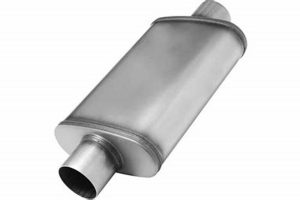
This automotive exhaust component features two entry points for exhaust gases and two exit points. This design contrasts with single inlet, single outlet mufflers, which handle exhaust from one pipe to one outlet. An example involves vehicles with dual exhaust systems where gases from each engine bank flow into the component via separate inlets before exiting through the two outlets.
The component offers potential advantages concerning engine performance and aesthetics. The reduced backpressure afforded by the design can contribute to improved horsepower and torque, particularly in performance-oriented applications. The configuration also permits symmetrical or customized exhaust system appearances, adding to the vehicle’s visual appeal. Historically, its implementation has been linked to advancements in engine technology and the growing demand for enhanced vehicle performance and personalized styling.
The following sections will delve into the specific performance benefits, installation considerations, and maintenance aspects of this exhaust system component.
Installation and Maintenance Tips
Proper installation and maintenance are critical to maximizing the performance and lifespan of this exhaust component.
Tip 1: Pre-Installation Inspection: Before installation, meticulously inspect the component for any shipping damage or manufacturing defects. Verify compatibility with the vehicle’s make, model, and year.
Tip 2: Professional Installation Recommended: While DIY installation is possible, professional installation ensures proper fitment, alignment, and sealing. A qualified mechanic possesses the expertise and tools to avoid common errors.
Tip 3: Use of Appropriate Hardware: Employ new gaskets, bolts, and hangers designed for exhaust system applications. Reusing old hardware can compromise the seal and lead to leaks.
Tip 4: Torque Specifications: Adhere strictly to the manufacturer’s torque specifications when tightening exhaust clamps and bolts. Over-tightening can damage the component, while under-tightening can result in leaks.
Tip 5: Regular Inspection for Leaks: Periodically inspect the exhaust system for signs of leaks, such as unusual noises or exhaust fumes. Address leaks promptly to prevent performance degradation and potential safety hazards.
Tip 6: Cleaning and Corrosion Prevention: Clean the exterior of the component regularly to remove road debris and prevent corrosion. Consider applying a heat-resistant protective coating to extend its lifespan in harsh environments.
Tip 7: Monitoring Backpressure: In performance applications, monitor exhaust backpressure to ensure the component is functioning optimally. Excessive backpressure may indicate a blockage or degradation.
Adhering to these guidelines helps ensure the component operates at peak efficiency and minimizes the risk of premature failure.
The subsequent sections will address frequently asked questions and provide troubleshooting advice related to this exhaust system component.
1. Engine Performance

Engine performance, in the context of exhaust systems, is inextricably linked to the efficiency with which exhaust gases are expelled from the engine. This process directly affects power output, fuel economy, and overall engine health. The exhaust component under consideration plays a crucial role in modulating this process.
- Backpressure Reduction
Backpressure, the resistance to exhaust flow, can significantly impede engine performance. This exhaust design, by providing two inlet and two outlet pathways, facilitates reduced backpressure compared to single-outlet systems. This reduction allows the engine to exhale more freely, resulting in improved horsepower and torque, particularly at higher engine speeds. In turbocharged engines, reducing backpressure is even more critical for optimal turbocharger operation.
- Scavenging Effect Enhancement
The design can promote a scavenging effect, where the exiting exhaust gases from one cylinder help draw out the remaining gases from another cylinder during the overlap period between exhaust and intake valve opening. This more complete evacuation of exhaust gases creates a more efficient combustion process. Performance engines often utilize tuned exhaust systems, including this type of muffler, to optimize this scavenging effect.
- Thermal Efficiency Improvement
Efficient exhaust flow contributes to improved thermal efficiency by preventing heat buildup within the engine cylinders. Reduced heat soaking can minimize the risk of detonation and pre-ignition, allowing for more aggressive ignition timing and higher compression ratios. This can lead to a gain in power and overall engine efficiency.
- Exhaust Gas Velocity Optimization
Maintaining optimal exhaust gas velocity is crucial for efficient scavenging and reduced backpressure. The design can assist in maintaining an appropriate velocity by providing a less restrictive path for the gases to exit. This is particularly beneficial in engines with larger displacement or higher horsepower ratings. Insufficient exhaust velocity can lead to turbulence and increased backpressure, negating some of the benefits of a dual-outlet system.
In conclusion, this component directly influences engine performance by optimizing exhaust flow dynamics. By reducing backpressure, enhancing scavenging, improving thermal efficiency, and maintaining optimal exhaust gas velocity, the component can contribute to noticeable gains in horsepower, torque, and overall engine responsiveness. However, the specific benefits are highly dependent on the engine’s characteristics, the overall exhaust system design, and the vehicle’s intended application.
2. Sound Characteristics

The sound produced by an exhaust system is a significant aspect of the vehicle’s overall character and perceived performance. This element is influenced by the design of the exhaust components, including the configuration of the muffler.
- Frequency Attenuation
Mufflers are designed to attenuate specific frequencies of sound generated by the engine. This attenuation is achieved through internal chambers and baffling that reflect and absorb sound waves. The number and configuration of inlets and outlets can affect the muffler’s ability to target and reduce particular frequencies, thus shaping the overall sound profile. For instance, a dual-outlet design may allow for a lower, more resonant tone due to the larger volume of exhaust gases being expelled.
- Volume Control
The overall volume of the exhaust is directly affected by the muffler’s internal design and flow characteristics. The dual-outlet configuration can, in some cases, result in a louder exhaust note due to the reduced backpressure and increased flow. This can be a desirable characteristic for performance enthusiasts, but it must also comply with local noise regulations. Some manufacturers incorporate features like variable exhaust valves to modulate the volume based on driving conditions.
- Harmonic Enhancement
While mufflers primarily attenuate sound, they can also subtly enhance certain harmonic frequencies. This enhancement can create a more pleasing and distinct sound signature. The precise design of the internal chambers and flow paths within the muffler can be tuned to emphasize specific frequencies, resulting in a more refined and less abrasive exhaust note. Simulation software is frequently used to predict and optimize these harmonic characteristics.
- Resonance Tuning
Resonance, the amplification of sound at specific frequencies, can significantly impact the exhaust note. The design can be strategically tuned to minimize undesirable resonances or to emphasize desirable ones. This tuning is often achieved through the careful selection of materials and the precise arrangement of internal components. Properly tuned resonance can contribute to a smoother, more refined exhaust sound, while poorly controlled resonance can result in unpleasant droning or buzzing.
In summary, the sound characteristics of an exhaust system featuring this type of component are a complex interplay of frequency attenuation, volume control, harmonic enhancement, and resonance tuning. These factors combine to shape the overall auditory experience of the vehicle, influencing its perceived performance and driver satisfaction. The design of the muffler plays a critical role in managing and optimizing these acoustic properties.
3. Flow Capacity

Flow capacity, referring to the volume of exhaust gases that can pass through a system within a given time, is a critical performance parameter for exhaust components. This factor directly influences engine efficiency and power output, particularly in high-performance applications. The design of the aforementioned exhaust component significantly impacts the overall flow capacity of the exhaust system.
- Inlet Area Optimization
The dual inlet configuration allows for a larger cumulative inlet area compared to single-inlet designs. This expanded area reduces the restriction at the entry point, facilitating a higher volume of exhaust gas to enter the muffler. For instance, in a V-engine configuration, each bank of cylinders can have a dedicated inlet, minimizing flow interference. This design minimizes backpressure, which can improve engine performance.
- Internal Chamber Design
The internal structure, including the size and shape of the chambers and baffles, dictates the flow path and resistance within the muffler. A well-designed internal chamber minimizes turbulence and maximizes the velocity of exhaust gases. An example of effective design involves straight-through perforated cores that allow for high flow while still providing some level of sound attenuation. In contrast, poorly designed internal structures can create bottlenecks, negating the benefits of the dual inlet design.
- Outlet Diameter and Configuration
The diameter and configuration of the two outlets also influence flow capacity. A larger outlet diameter reduces backpressure and allows for a greater volume of exhaust gases to exit the muffler. The dual-outlet configuration further contributes to this by effectively doubling the exit area. Performance applications often utilize larger diameter outlets to maximize flow. Restrictions at the outlet can significantly impede overall system performance, regardless of the inlet design.
- Material Selection and Construction
The material used in construction can impact flow capacity indirectly. For example, smooth internal surfaces, achieved through the use of stainless steel or other polished materials, minimize friction and turbulence, thereby improving flow. Similarly, the quality of the welds and the precision of the manufacturing process contribute to a consistent and unobstructed flow path. In contrast, rough surfaces or poorly executed welds can create flow restrictions.
Collectively, these factorsinlet area, internal chamber design, outlet configuration, and material selectiondetermine the flow capacity of the component. Optimizing these elements is crucial for maximizing engine performance and minimizing undesirable backpressure. The interplay of these aspects makes the design a vital consideration in achieving the desired exhaust system characteristics.
4. Installation Complexity
Installation complexity, concerning this exhaust component, stems from several factors related to vehicle-specific configurations, the design itself, and the skill level of the installer. The presence of dual inlets and outlets introduces challenges not found in simpler, single-component systems. Vehicle design directly impacts accessibility, requiring modifications or specialized tools in some cases. An instance of this complexity is evident in vehicles with limited undercarriage space, necessitating precise alignment and potentially requiring adjustments to existing exhaust hangers. The consequences of improper installation range from exhaust leaks, reduced performance, to component damage.
Further increasing complexity is the component’s size and weight, requiring secure mounting to prevent stress on the exhaust system. Incorrect installation practices, like over-tightening clamps or improper welding, can lead to premature failure and safety hazards. The integration with other aftermarket components, such as headers or catalytic converters, may necessitate custom fabrication, further amplifying the installation’s difficulty. A practical example can be seen when installing this muffler on a classic car originally designed for a single exhaust system, demanding significant modifications to the vehicle’s undercarriage.
In conclusion, installation complexity is a crucial consideration when selecting and implementing this type of exhaust component. Addressing these complexities requires meticulous planning, specialized tools, and, often, professional expertise. Overlooking these challenges risks compromising performance and potentially incurring costly repairs. Recognizing the scope of the installation process enables informed decision-making, ensuring the component functions as intended while maintaining vehicle safety and longevity.
5. Vehicle Aesthetics

The integration of this exhaust component into a vehicles design significantly influences its aesthetic appeal. The symmetry afforded by the dual outlets contributes to a balanced and visually appealing rear-end appearance. Furthermore, the availability of various tip styles, such as polished stainless steel or carbon fiber, allows for customization to complement the vehicle’s overall styling. The positioning and design of the outlets can be strategically employed to enhance the perceived width and aggressiveness of the vehicle. For example, a sports car might feature prominently displayed, large-diameter tips to accentuate its performance-oriented nature. In contrast, a luxury vehicle may opt for subtler, integrated outlets to maintain a refined and understated appearance.
The impact on vehicle aesthetics extends beyond the visible exhaust tips. The sound characteristics produced by the component, as previously discussed, also contribute to the overall sensory experience. A deep, resonant exhaust note can enhance the perception of power and sophistication. Conversely, an overly loud or raspy sound can detract from the vehicle’s perceived quality. Therefore, the careful selection of the component, with attention to both its visual design and acoustic properties, is crucial for achieving the desired aesthetic outcome. The visual and auditory signals combine to form a holistic impression of the vehicle’s character.
In conclusion, the selection and integration of this specific muffler style have a profound effect on the vehicle’s aesthetics, influencing both visual appeal and auditory characteristics. The component’s contribution to vehicle design requires consideration to match the intended design theme, with appropriate material, shape and sound. This, in turn, affects the perception of the vehicle’s overall performance and design attributes.
6. Material Durability

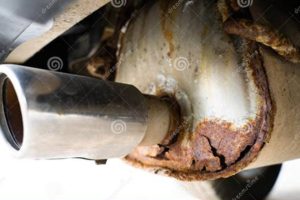
Material durability constitutes a critical factor in the longevity and performance of a dual inlet dual outlet muffler. The exhaust system endures extreme operating conditions, including high temperatures, corrosive gases, and exposure to road debris and moisture. Material selection directly dictates the component’s resistance to these degrading influences, thus influencing its lifespan and effectiveness. Inferior materials are prone to premature failure due to rust, cracking, or physical damage, leading to exhaust leaks, reduced performance, and increased noise levels. For example, a muffler constructed from low-grade steel in a region with heavy road salting is likely to corrode rapidly, necessitating replacement within a short period.
The choice of materials also affects the muffler’s structural integrity and ability to withstand mechanical stresses. Sustained exposure to high temperatures can weaken certain metals, leading to deformation or cracking, which compromises the component’s ability to effectively dampen sound and manage exhaust flow. Stainless steel variants, while often more expensive, exhibit superior resistance to corrosion and high-temperature degradation compared to aluminized steel or mild steel. The wall thickness and construction methods further contribute to durability. For instance, a muffler with thicker walls and reinforced welds is better equipped to withstand vibrations and impacts from road debris, increasing its service life. A case in point is that high-performance mufflers, frequently used in racing applications, employ robust materials and construction techniques to endure the extreme stresses of competitive driving.
In conclusion, material durability is a paramount consideration in the selection and maintenance of a dual inlet dual outlet muffler. The operational demands placed on the exhaust system necessitate the use of materials capable of withstanding corrosive elements, extreme temperatures, and mechanical stress. Choosing a muffler constructed from high-quality, corrosion-resistant materials extends its lifespan, ensures optimal performance, and mitigates the risk of costly repairs or replacements. This understanding allows informed decisions regarding material selection, thus providing value in the long term.
7. Regulatory Compliance

The design and implementation of a dual inlet dual outlet muffler are directly subject to various regulatory compliance standards concerning noise emissions and exhaust gas regulations. Failure to adhere to these standards can result in legal penalties for manufacturers, installers, and vehicle owners. Noise emission standards, often governed by local, national, or international bodies, dictate the permissible sound levels produced by a vehicle. This is particularly relevant for aftermarket exhaust systems, where modifications can significantly alter the vehicle’s acoustic profile. An example of this is the SAE J1169 standard in the United States, which outlines testing procedures and limits for vehicle sound levels. A modified muffler that exceeds these limits renders the vehicle non-compliant and subject to fines or restrictions.
Moreover, exhaust gas regulations, such as those mandated by the Environmental Protection Agency (EPA) in the United States and Euro standards in Europe, impose limitations on the levels of pollutants emitted by vehicles. While the muffler primarily functions to attenuate sound, it must not compromise the effectiveness of other emission control devices, such as catalytic converters. Tampering with or removing these devices to achieve a specific sound characteristic, while retaining the dual inlet dual outlet muffler, would violate these regulations. For instance, replacing a factory-equipped muffler with an aftermarket version that increases exhaust flow but reduces the efficiency of the catalytic converter can lead to increased emissions and non-compliance. The certification of the component, indicating adherence to applicable emission standards, is thus of paramount importance.
Therefore, regulatory compliance is an inextricable component of the design, manufacturing, and use of this type of muffler. Understanding and adhering to relevant noise and emission standards is crucial for ensuring legal operation and environmental responsibility. Manufacturers must design their products to meet these standards, and installers must ensure that modifications do not compromise compliance. This understanding is the first step for both companies and car owners alike to reduce or eliminate risks from non-compliance vehicles.
Frequently Asked Questions about Dual Inlet Dual Outlet Mufflers
The subsequent section addresses common inquiries regarding this exhaust component.
Question 1: What specific performance gains can be expected from installing a dual inlet dual outlet muffler?
Performance improvements are contingent upon engine characteristics and overall exhaust system design. Potential benefits include reduced backpressure, improved horsepower and torque, and enhanced throttle response. However, gains are most pronounced in modified or high-performance engines. Stock engines may experience minimal or negligible improvements.
Question 2: Does a dual inlet dual outlet muffler invariably result in a louder exhaust note?
Not necessarily. The sound characteristics depend on the muffler’s internal design and construction. Some dual-outlet mufflers are designed for quiet operation, while others prioritize a more aggressive exhaust note. Consider the intended sound profile when selecting a component.
Question 3: Are special tools or modifications required for installation?
Installation requirements vary based on the vehicle. Some installations are straightforward, while others necessitate specialized tools, welding, or modifications to existing exhaust hangers. Consult the vehicle’s service manual and consider professional installation if the task seems beyond the installer’s skill level.
Question 4: How does this component affect fuel economy?
Fuel economy improvements are possible due to reduced backpressure and more efficient engine operation. However, any gains are typically marginal and may be offset by driving habits and other factors. Do not expect significant fuel savings solely from installing the component.
Question 5: What materials offer the best durability?
Stainless steel provides superior corrosion resistance and longevity compared to aluminized steel or mild steel. Titanium offers exceptional strength and lightweight properties but is considerably more expensive. Select a material based on budgetary constraints and environmental conditions.
Question 6: Does installation void the vehicle’s warranty?
Installation may void the warranty on exhaust system components directly affected by the modification. Consult the vehicle manufacturer or warranty provider for specific details. Maintaining documentation of the installation process can be beneficial in resolving potential warranty claims.
The preceding questions provide insight into critical aspects of these mufflers. Informed decision-making ensures optimal performance and satisfaction.
The subsequent sections will focus on troubleshooting common issues associated with this exhaust component.
Conclusion
This exploration has elucidated various facets of the dual inlet dual outlet muffler, addressing its design, performance implications, installation considerations, and regulatory context. The analysis encompasses its role in optimizing engine performance, shaping sound characteristics, and influencing vehicle aesthetics. Material durability and compliance with emissions standards emerge as paramount factors governing long-term effectiveness and legality. A comprehensive understanding of these elements allows for well-informed decisions regarding selection, installation, and maintenance.
Given the component’s complexity and its impact on vehicle performance and compliance, continued research and development are vital. As automotive technology advances, refining the design and materials of the dual inlet dual outlet muffler will be essential for meeting evolving performance demands and stringent regulatory requirements. Future developments should focus on optimizing flow dynamics, enhancing sound attenuation, and ensuring enduring material integrity in diverse operating conditions.