The presence and functionality of exhaust systems are critical aspects of vehicle compliance with California’s stringent emission standards. While the primary focus of a smog test is on tailpipe emissions, the overall integrity of the exhaust system plays a role in ensuring the vehicle operates as designed, contributing to reduced pollution.
Exhaust systems, including all their components, are crucial for proper engine function and noise reduction. Tampering with or removing elements of the exhaust system can result in increased emissions and excessive noise. The California Vehicle Code addresses these concerns, and modifications that compromise emission control or noise levels are often prohibited.
Therefore, to successfully pass a smog check, a vehicle must have a complete and properly functioning exhaust system. The absence of exhaust components, signs of tampering, or excessive noise may lead to a test failure, requiring repair or replacement before the vehicle can be legally operated. The following sections will delve into the specific requirements regarding exhaust systems and their impact on smog inspections.
Compliance Strategies
Adhering to specific guidelines can ensure a vehicle’s successful completion of the emissions inspection process. The following strategies outline key areas of focus.
Tip 1: Verify Exhaust System Integrity: Prior to the smog test, thoroughly inspect the exhaust system for leaks, damage, or missing components. Ensure all connections are secure and that there are no audible signs of exhaust escaping before reaching the tailpipe.
Tip 2: Confirm Muffler Presence and Function: The exhaust system must include a functioning muffler. Check that the muffler is securely mounted and effectively reduces exhaust noise to acceptable levels.
Tip 3: Avoid Exhaust System Modifications: Refrain from altering the exhaust system in any way that could increase emissions or noise levels. This includes modifications that bypass or remove catalytic converters or other emission control devices.
Tip 4: Address Excessive Noise: If the vehicle emits excessive exhaust noise, identify and rectify the cause. A faulty muffler, damaged exhaust pipes, or loose connections can all contribute to increased noise levels.
Tip 5: Review Vehicle Code Requirements: Familiarize yourself with the relevant sections of the California Vehicle Code pertaining to exhaust systems and noise levels. Understanding these regulations will help ensure compliance during the smog inspection.
Tip 6: Consult a Qualified Mechanic: If unsure about the condition of the exhaust system, seek the advice of a qualified mechanic. A professional inspection can identify potential issues and ensure necessary repairs are completed before the smog test.
These tips highlight the importance of maintaining a complete and functional exhaust system for successful smog inspection results. Proper maintenance and adherence to regulations can prevent unnecessary repair costs and ensure vehicle compliance.
The subsequent sections will provide information on common reasons for failing a smog check and outline the steps involved in addressing these issues.
1. Noise reduction

Noise reduction, achieved primarily through the muffler, is indirectly linked to passing California’s smog test. While the smog test directly assesses tailpipe emissions, excessive noise emanating from a vehicle’s exhaust system often indicates tampering or malfunctions that can, in turn, affect emissions. For instance, a vehicle operating without a muffler, or with a significantly damaged one, will produce excessive noise. This audibility often alerts smog technicians to potential illegal modifications or failures within the exhaust system.
While the smog test equipment does not directly measure noise levels, the visual and aural inspection conducted by the technician includes assessing the overall condition and functionality of the exhaust system. If the technician observes signs of tampering or hears excessive noise, it raises a red flag, prompting further investigation. This investigation could reveal other issues, such as the removal of catalytic converters or other emissions control devices, ultimately leading to a failed smog test. In essence, noise reduction, as a function of the muffler, serves as an indicator of the integrity of the entire exhaust system, which directly impacts emissions performance.
Therefore, although noise reduction is not a direct measurement in the smog check, its absence raises the likelihood of a more thorough inspection, increasing the chances of uncovering emission-related violations. A vehicle with a functioning muffler, producing acceptable noise levels, demonstrates adherence to factory specifications and reduces the suspicion of illegal modifications that could compromise emissions. The correlation, thus, lies in the mufflers ability to signal the overall health and legality of the vehicle’s exhaust system concerning California’s stringent pollution control measures.
2. Complete system

The concept of a “complete system,” in the context of vehicular emissions, is fundamental to understanding the requirements for passing a smog test in California. A complete exhaust system, including all its original components, is designed to function as a cohesive unit to minimize pollutant output. The absence or modification of any component within this system can compromise its effectiveness and potentially lead to a failure during the smog inspection.
- Intact Exhaust Manifold
The exhaust manifold serves as the initial collector of exhaust gases from the engine cylinders. Its integrity is essential to ensure all exhaust is directed through the subsequent emission control devices. Cracks or leaks in the manifold allow uncombusted hydrocarbons and other pollutants to escape directly into the atmosphere, increasing overall emissions. A smog test will fail if manifold integrity is breached.
- Functional Catalytic Converter
The catalytic converter is a key component of the exhaust system, designed to convert harmful pollutants, such as hydrocarbons, carbon monoxide, and nitrogen oxides, into less harmful substances. A missing or non-functional catalytic converter results in a significant increase in tailpipe emissions. During a smog test, emission levels exceeding established limits due to catalytic converter failure will result in a test failure. A visual check will confirm presence of the catalytic converter.
- Present and Operative Oxygen Sensors
Oxygen sensors monitor the oxygen content of the exhaust gases and provide feedback to the engine control unit (ECU). This feedback loop allows the ECU to adjust the air-fuel mixture, optimizing combustion efficiency and minimizing emissions. Defective or missing oxygen sensors disrupt this process, leading to increased emissions and potential damage to the catalytic converter. Smog inspections include tests to verify the functionality of oxygen sensors.
- Properly Functioning Muffler
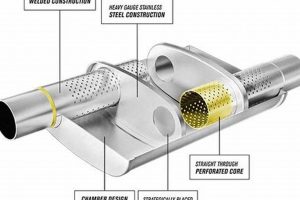
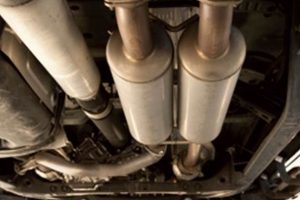
While primarily responsible for noise reduction, the muffler is an integral part of the complete exhaust system. Its absence or significant damage can indicate tampering with the exhaust system, which is a violation of California regulations. Furthermore, a damaged or missing muffler may affect the backpressure within the exhaust system, potentially impacting engine performance and emissions. A visual inspection ensures the muffler is present and in good condition.
These elementsthe manifold, converter, sensors, and mufflercollectively define a complete exhaust system. Their presence, integrity, and proper functioning are critical for achieving compliance with California’s smog check requirements. Any deviation from this complete system can result in increased emissions, leading to a failed smog test and the requirement for repairs to restore the system to its original, compliant condition. It also relates to, Do you need a muffler to pass smog in california.
3. Tampering prohibited

California law strictly prohibits tampering with any motor vehicle’s emission control system. This prohibition directly relates to the requirement for a functional muffler to pass a smog check. Altering or removing a muffler, or any other component of the exhaust system designed for emission control or noise reduction, constitutes tampering and carries significant consequences.
- Direct Violation of Vehicle Code
California Vehicle Code Section 27156 explicitly prohibits modifying a vehicle’s emission control system in a way that reduces its effectiveness. Removing or disabling a muffler, or replacing it with one that does not meet noise and emission standards, is a direct violation. Such actions can lead to fines, mandatory repairs, and failure to pass the required smog inspection. The vehicle must be restored to its original, compliant configuration.
- Impact on Smog Check Visual Inspection
During a smog check, a visual inspection is conducted to verify the presence and integrity of all required emission control components, including the muffler. The absence of a muffler, or evidence of tampering such as cut or modified exhaust pipes, will result in an immediate test failure. The smog technician is obligated to report any observed tampering to the Bureau of Automotive Repair.
- Increased Emissions Potential
Tampering with the exhaust system, including the muffler, can lead to increased emissions of harmful pollutants. While a muffler primarily serves to reduce noise, its design is often integrated with the overall exhaust system to optimize engine performance and minimize emissions. Removing or modifying the muffler can disrupt exhaust flow, affecting combustion efficiency and increasing the levels of pollutants released into the atmosphere. This translates to failing the emissions testing portion of the smog check.
- Consequences Beyond Smog Check Failure
The consequences of tampering extend beyond simply failing a smog check. Enforcement agencies can issue citations for violations of the Vehicle Code related to emission control tampering. In some cases, vehicles that have been significantly altered may be impounded until they are brought into compliance. Moreover, knowingly selling or installing tampered emission control equipment is a violation of both state and federal laws, carrying substantial penalties for businesses and individuals involved.
The prohibition against tampering is a cornerstone of California’s efforts to maintain air quality. The requirement for a functional muffler during a smog check is a direct consequence of this policy. Any modification or removal of the muffler or other exhaust components that compromises emission control or noise levels is strictly prohibited and will result in significant penalties and the inability to legally operate the vehicle.
4. Functionality tested

The phrase “Functionality tested” is inextricably linked to the question of whether a muffler is needed to pass a smog check in California. The smog check process involves a comprehensive evaluation of a vehicle’s emission control system, and the proper functioning of the muffler is a component of that evaluation. While the primary focus is on tailpipe emissions, a visual and auditory inspection is conducted to ensure all emission control components are present and operating as intended. If the muffler is missing, obviously damaged, or appears to have been tampered with, it will raise concerns about the vehicle’s compliance with emission standards. The technician will then scrutinize other elements of the exhaust system.
Consider a scenario where a vehicle arrives for a smog check with an aftermarket exhaust system that significantly amplifies noise. The technician, upon visual inspection, notes the absence of a standard muffler and the presence of a straight pipe configuration. While tailpipe emissions might technically fall within acceptable limits, the technician could fail the vehicle based on the observed tampering and the non-compliant noise levels. In another instance, a vehicle might present with a muffler that appears to be intact, but emits an unusual rattling sound, indicating internal damage. This audible malfunction would prompt the technician to further investigate the muffler’s integrity and functionality, potentially leading to a failed inspection if the muffler is deemed ineffective in reducing exhaust noise. This, regardless of tailpipe emissions, confirms the importance of functionality.
In conclusion, the functional integrity of the muffler is a non-negotiable aspect of the smog check process in California. Although the smog check equipment does not directly measure the decibel level of the exhaust, the visual and auditory inspection ensures that the muffler is present, undamaged, and performing its intended function of noise reduction. Failure to meet these criteria, regardless of tailpipe emission readings, will result in a failed smog check, underscoring the importance of maintaining a fully functional and compliant exhaust system, including a properly functioning muffler.
5. Emissions control

Emissions control, the reduction of harmful pollutants released into the atmosphere by motor vehicles, is a core objective of California’s smog check program. The requirement for a functional muffler to pass a smog check is directly linked to emissions control, though the connection is not always immediately apparent. While mufflers primarily reduce noise, their presence and proper function are indicative of a complete and uncompromised exhaust system. A missing or tampered-with muffler often signals broader issues with emissions control components. For example, the absence of a muffler could indicate the removal of a catalytic converter, a device crucial for converting harmful gases into less toxic substances. This interdependency shows a direct relation to, do you need a muffler to pass smog in california.
The smog check includes a visual inspection to ensure all required emissions control devices are present and appear operational. A missing or obviously damaged muffler is a red flag, prompting further scrutiny of the exhaust system. Even if tailpipe emissions are within acceptable limits, the vehicle may fail the inspection due to the compromised condition of the exhaust system. Consider a scenario where a vehicle has had its original muffler replaced with a “straight pipe,” which maximizes exhaust flow but offers minimal noise reduction. While the engine might operate efficiently, the absence of a muffler designed to meet noise standards, and the potential for other emissions control modifications, would likely result in a failed smog check. A practical example shows the link of having a muffler for emissions control.
In summary, while the muffler’s primary role is noise reduction, its presence and functional integrity are closely tied to emissions control. A complete and properly functioning exhaust system, including a muffler, is essential for vehicles to meet California’s smog check requirements. Tampering with or removing the muffler can signal broader issues with emissions control, leading to a failed inspection and highlighting the importance of maintaining all original emissions control components. The relationship between noise reduction and emissions control is clear; a quiet exhaust is a marker of compliance. Do you need a muffler to pass smog in california, yes because it shows compliance.
6. Vehicle code compliance
California Vehicle Code compliance is inextricably linked to the requirement of a muffler for passing a smog check. The Vehicle Code establishes regulations concerning vehicle equipment, noise levels, and emissions. Failure to adhere to these regulations, particularly those pertaining to exhaust systems, directly impacts a vehicle’s ability to pass the state-mandated smog inspection. The presence and proper functioning of a muffler are often explicit or implicit requirements within these codified regulations. The specific section of the Vehicle Code pertaining to noise levels, for example, sets decibel limits for vehicle exhaust. A vehicle operating without a muffler, or with a significantly damaged one, will almost certainly exceed these limits, resulting in a violation of the Vehicle Code and subsequent failure of the smog check. This provides clear example for vehicle code compliance for smog check.
Furthermore, the Vehicle Code addresses tampering with emission control systems. Removing or modifying a muffler in a way that increases noise or compromises emission control functionality is a violation, regardless of whether tailpipe emissions meet the required standards. During the smog check, a visual inspection is conducted to ensure all required equipment, including the muffler, is present and has not been tampered with. The absence of a muffler or evidence of tampering will lead to an immediate failure. A real-world illustration involves a vehicle owner who replaces a stock muffler with a performance muffler not certified for use in California. Even if the vehicle’s emissions levels are within acceptable limits, the vehicle may fail the smog check because the aftermarket muffler does not comply with the state’s equipment regulations.
In conclusion, compliance with the California Vehicle Code is essential for passing a smog check. Regulations concerning noise levels, emission control systems, and equipment requirements all underscore the necessity of a functional muffler. Tampering with the exhaust system or operating a vehicle that exceeds permissible noise limits constitutes a violation of the Vehicle Code, leading to a smog check failure. Understanding and adhering to these regulations are critical for vehicle owners seeking to maintain compliance and avoid penalties. It also confirms our point that, yes, you need a muffler to pass smog in california for vehicle code compliance.
Frequently Asked Questions
This section addresses common inquiries regarding the necessity of a muffler for vehicles undergoing smog inspections in California.
Question 1: Is a muffler explicitly required to pass a California smog check?
Yes, a functional muffler is generally required. While the smog check primarily assesses tailpipe emissions, the absence or malfunction of a muffler can indicate tampering with the exhaust system, which is a violation of California regulations. The presence and proper functioning of the muffler are evaluated during the visual inspection portion of the smog check.
Question 2: Does the smog check equipment directly measure muffler noise levels?
No, the smog check equipment does not directly measure noise levels in decibels. However, the smog technician conducts a visual and auditory inspection of the exhaust system. Excessive noise or the obvious absence of a muffler will raise concerns and may lead to a failed inspection.
Question 3: Can a vehicle pass a smog check if tailpipe emissions are within acceptable limits, even if the muffler is missing or damaged?
It is highly unlikely. The visual inspection is a critical component of the smog check. Even if the vehicle’s tailpipe emissions are within acceptable limits, the absence of a muffler or visible signs of tampering with the exhaust system will likely result in a failed inspection.
Question 4: Are there exceptions to the muffler requirement for certain types of vehicles?
Some older vehicles may be exempt from certain aspects of the smog check, but the general requirement for a functional exhaust system, including a muffler, typically applies. It is advisable to consult with a qualified mechanic or smog check technician to determine the specific requirements for a particular vehicle.
Question 5: What are the penalties for operating a vehicle without a muffler in California?
Operating a vehicle without a muffler, or with a muffler that exceeds permissible noise levels, can result in fines and citations from law enforcement. Additionally, the vehicle will not be able to pass a smog check, preventing registration renewal.
Question 6: If a vehicle fails a smog check due to a missing or damaged muffler, what steps must be taken to achieve compliance?
The vehicle owner must repair or replace the muffler to ensure the exhaust system is complete and functional. The repair must be performed by a licensed mechanic, and the vehicle must then undergo a re-inspection to verify compliance with California’s smog check requirements.
The information provided in this FAQ section emphasizes the importance of maintaining a functional muffler for vehicles in California. Proper maintenance and adherence to regulations are essential for successful smog inspection outcomes.
The following section will provide guidance on selecting a compliant muffler for your vehicle.
The Necessity of a Muffler for Smog Check Compliance in California
The preceding exploration has clarified the critical role of a muffler in meeting California’s stringent smog check requirements. While the core assessment focuses on tailpipe emissions, the presence and functionality of a muffler serve as indicators of a complete and uncompromised exhaust system. The absence or modification of this component raises concerns regarding potential tampering and non-compliance with noise and emission standards as outlined in the California Vehicle Code. Visual and auditory inspections during the smog check procedure specifically target the integrity of the exhaust system, making the muffler’s presence a significant factor in determining overall compliance.
Therefore, the issue of whether a muffler is needed to pass a smog check in California receives an affirmative response. Vehicle owners must ensure that the exhaust system, including the muffler, is complete, functional, and compliant with all applicable regulations to avoid failing the inspection and incurring potential penalties. Adherence to these requirements is not merely a matter of legal compliance; it is a responsible contribution to maintaining air quality and upholding environmental standards within the state.
![Kenz Muffler Oxnard: [Year] Best Muffler Shop Near You | Best Mufflers for Cars & Trucks | Performance, Sound & Durability Upgrades](https://dnamufflers.com/wp-content/uploads/2026/09/th-82-300x200.jpg "Kenz Muffler Oxnard: [Year] Best Muffler Shop Near You Best Mufflers for Cars & Trucks | Performance, Sound & Durability Upgrades")