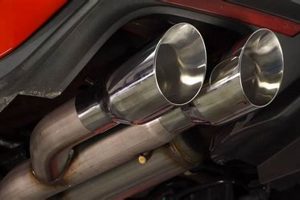
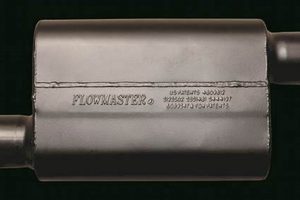
An increase in exhaust system noise often indicates a compromised muffler. This component, crucial for sound dampening, may become louder than intended due to a variety of factors, diminishing its capacity to adequately reduce engine noise. A vehicle owner might initially notice a subtle change in the exhaust note, gradually escalating to a more pronounced and concerning roar.
The proper functioning of the exhaust system is paramount for maintaining a vehicle’s operational efficiency and adherence to noise regulations. A defective muffler not only contributes to noise pollution but can also signal underlying issues within the exhaust system itself. Historically, the evolution of muffler technology has been driven by the need to balance engine performance with increasingly stringent environmental and noise control standards.
The following sections will delve into the common causes of excessive exhaust system noise, explore diagnostic methods for identifying a failing muffler, and discuss the implications of operating a vehicle with a compromised exhaust system.
Addressing Excessive Exhaust System Noise
The following recommendations provide guidance on managing increased exhaust volume stemming from potential muffler issues.
Tip 1: Perform a Visual Inspection: Examine the muffler and exhaust pipes for visible signs of rust, corrosion, or physical damage. These are common indicators of exhaust system degradation.
Tip 2: Check for Exhaust Leaks: Listen for hissing or puffing sounds emanating from the exhaust system, especially around joints and connections. These noises suggest escaping exhaust gases and a compromised seal.
Tip 3: Inspect Mounting Hardware: Verify that the muffler and exhaust pipes are securely fastened to the vehicle’s undercarriage. Loose or broken hangers can cause the system to vibrate excessively, potentially damaging the muffler.
Tip 4: Monitor Fuel Efficiency: A failing muffler can impact engine performance, leading to reduced fuel economy. Track fuel consumption patterns to identify potential issues.
Tip 5: Consider Professional Diagnosis: If the source of the increased exhaust volume remains unclear, seek a qualified automotive technician for a comprehensive inspection and accurate diagnosis.
Tip 6: Research Replacement Options: When a muffler requires replacement, research available options to ensure compatibility with the vehicle and adherence to desired noise levels. Evaluate both original equipment manufacturer (OEM) and aftermarket alternatives.
Adherence to these recommendations can aid in the identification and resolution of increased exhaust system sound levels, maintaining vehicle compliance and preventing further damage.
The subsequent sections will address common repair strategies and preventive measures to extend the life of the exhaust system.
1. Corrosion

Corrosion is a primary factor contributing to an increase in exhaust system noise. The metallic composition of mufflers renders them susceptible to degradation through oxidation and chemical reactions with environmental elements, eventually leading to increased sound emissions. Understanding the specific mechanisms through which corrosion compromises muffler integrity is essential for diagnosing and addressing the source of elevated exhaust volume.
- Electrochemical Degradation
Mufflers are frequently constructed from steel or aluminum alloys, metals that are prone to electrochemical corrosion when exposed to moisture, road salt, and other corrosive substances. This process weakens the metal structure, initiating small pits and holes. Over time, these perforations expand, creating pathways for exhaust gases to escape directly into the atmosphere, circumventing the internal sound-dampening mechanisms of the muffler.
- Weakening of Structural Integrity
The corrosion process not only creates holes but also weakens the overall structural integrity of the muffler. The metal becomes thinner and more brittle, making it susceptible to cracking and further damage from vibrations and thermal stress during vehicle operation. This structural weakening accelerates the deterioration of the muffler and contributes to increased noise output.
- Compromised Welds and Seams
Welds and seams are particularly vulnerable to corrosion due to variations in metal composition and the presence of residual stress. Corrosion at these points can lead to separation and leakage, creating significant escape routes for exhaust gases. The degradation of welds and seams is a common cause of noticeable changes in exhaust sound, frequently manifesting as a hissing or roaring noise.
- Internal Component Failure
The internal baffles and chambers within a muffler are also subject to corrosion. As these internal components degrade, their ability to effectively dampen sound waves is diminished. This leads to a less muffled exhaust note, with the engine’s raw sound becoming more prominent. Internal corrosion is often difficult to detect visually but can significantly impact muffler performance.
In summary, corrosion undermines the muffler’s capacity to attenuate exhaust noise through various mechanisms, including the creation of holes, the weakening of structural components, and the degradation of internal sound-dampening elements. The presence of corrosion serves as a strong indicator that the muffler’s functional lifespan is diminishing, and replacement may be necessary to restore optimal noise levels and maintain vehicle compliance.
2. Internal Baffle Damage

Internal baffle damage within a muffler directly correlates with an increase in exhaust system noise. These baffles are integral components designed to attenuate sound waves generated by the engine. When compromised, their ability to perform this function is significantly reduced, resulting in a louder exhaust note.
- Disruption of Sound Wave Cancellation
Baffles are strategically positioned within the muffler to create a series of chambers that reflect and cancel out sound waves. Damage, such as cracks, holes, or dislodgement, disrupts this carefully engineered process. Consequently, sound waves pass through the muffler with less impedance, leading to a noticeable increase in exhaust volume. For example, a collapsed baffle can create a direct path for exhaust gases, bypassing the intended sound-dampening route.
- Increased Resonance and Amplification
When baffles are damaged or missing, the internal chambers of the muffler can become resonant cavities. This means that certain frequencies within the exhaust stream are amplified rather than attenuated. This amplification effect can result in a drone or booming sound, particularly at specific engine speeds. A real-world example is a muffler with a detached baffle resonating at highway speeds, creating an unpleasant and intrusive noise within the vehicle’s cabin.
- Flow Restriction and Backpressure Effects
While seemingly counterintuitive, damaged baffles can sometimes create flow restrictions within the muffler. Dislodged or partially collapsed baffles can obstruct the flow of exhaust gases, leading to increased backpressure. This backpressure can, in turn, alter the engine’s combustion process and contribute to a change in the overall exhaust note, often perceived as louder and more aggressive. A common example is a severely damaged baffle creating a partial blockage, resulting in a noticeable decrease in engine performance alongside increased exhaust noise.
- Material Fatigue and Deterioration
Baffles are typically constructed from thin metal sheets, making them susceptible to fatigue and deterioration over time, especially under extreme temperature variations and exposure to corrosive exhaust gases. This material degradation weakens the baffles, making them more prone to cracking, breaking, or becoming dislodged. The resulting structural damage directly compromises their sound-dampening capabilities, ultimately contributing to elevated exhaust sound levels. Over years of service, the constant expansion and contraction of metal baffles due to heat cycling can lead to fatigue cracks, significantly reducing their effectiveness.
In conclusion, internal baffle damage leads to elevated exhaust sound levels through multiple mechanisms, including disrupted sound wave cancellation, increased resonance, altered flow dynamics, and material degradation. The presence of damaged baffles is a clear indicator of a compromised muffler, necessitating repair or replacement to restore optimal noise levels and ensure proper vehicle operation. These mechanisms all directly contribute to the experience of increased exhaust noise.
3. Exhaust Leaks

Exhaust leaks represent a significant contributor to an increase in perceived exhaust noise. These leaks allow exhaust gases to escape prematurely, bypassing the intended sound attenuation mechanisms within the muffler. The location, size, and characteristics of the leak dictate the resulting sound profile, but the overall effect is a noticeable elevation in noise levels.
- Direct Noise Emission
Exhaust leaks introduce a direct path for high-pressure, high-temperature exhaust gases to escape into the atmosphere. This direct emission creates a hissing, chuffing, or roaring sound, depending on the size and shape of the leak. A small pinhole leak may produce a high-pitched hiss, while a larger crack or separation at a joint can generate a deep, throaty roar. This direct emission bypasses the muffler’s sound-dampening capabilities, resulting in a perceived increase in exhaust volume.
- Altered Exhaust Flow Dynamics
The presence of an exhaust leak disrupts the intended flow dynamics within the exhaust system. This disruption can create turbulence and pressure fluctuations that amplify certain frequencies within the exhaust stream. The altered flow can also affect the performance of catalytic converters and other exhaust components, potentially leading to further changes in the exhaust note. For example, a leak upstream of the muffler can create a resonance effect that amplifies specific frequencies, resulting in a droning sound at certain engine speeds.
- Compromised Muffler Effectiveness
Exhaust leaks effectively reduce the backpressure within the exhaust system. While some backpressure is necessary for optimal engine performance, excessive backpressure reduction can negatively impact the muffler’s ability to function as intended. The muffler is designed to work within a specific range of exhaust pressures; a leak upstream can alter these pressures, diminishing the muffler’s sound-dampening capabilities. Consequently, the overall exhaust noise level increases, even if the muffler itself is in good condition.
- Potential for Secondary Damage
Exhaust leaks not only contribute to increased noise but can also cause secondary damage to surrounding components. The hot exhaust gases escaping from a leak can damage nearby wiring, hoses, or heat shields. This secondary damage can exacerbate the noise issue and lead to further complications. Additionally, exposure to carbon monoxide from an exhaust leak poses a health hazard. A neglected exhaust leak can result in a cascade of problems, ultimately amplifying the perceived exhaust volume and necessitating costly repairs.
The presence of exhaust leaks invariably contributes to an increase in perceived exhaust noise. By bypassing the muffler’s sound attenuation mechanisms and altering the flow dynamics within the system, exhaust leaks create a more pronounced and often unpleasant exhaust note. Addressing these leaks is crucial for restoring optimal noise levels, maintaining vehicle performance, and ensuring passenger safety.
4. Physical Impact

Physical impact, or external force applied to the muffler, represents a tangible cause of increased exhaust system noise. Such impacts can compromise the structural integrity of the muffler, directly affecting its ability to attenuate sound. The severity of the impact and the specific location of damage dictate the extent of the resulting noise increase.
- Deformation of Muffler Housing
Direct impact, such as from road debris or collisions, can deform the muffler’s outer casing. This deformation can create holes or cracks, allowing exhaust gases to escape prematurely and bypassing the internal sound-dampening chambers. The resulting noise often presents as a hissing or roaring sound, depending on the size and location of the breach. For example, a dent in the muffler from striking a curb can create a stress point, leading to cracking and gas leakage.
- Dislodgement of Internal Baffles
Significant impacts can dislodge or damage the internal baffles within the muffler. These baffles are critical for sound wave cancellation and flow regulation. When dislodged, they can obstruct the exhaust flow, create rattling noises, or alter the overall sound profile. For instance, a severe impact could cause a baffle to break free from its mounting points, creating a metallic rattling sound within the muffler during operation.
- Damage to Inlet and Outlet Pipes
The inlet and outlet pipes connected to the muffler are vulnerable to damage from physical impacts. Bending or crushing these pipes can restrict exhaust flow, increase backpressure, and alter the sound characteristics. A crushed inlet pipe, for example, can cause the engine to work harder, leading to a louder and more strained exhaust note.
- Compromised Welds and Seams
Welds and seams on the muffler are points of structural weakness and are susceptible to cracking or separation under physical stress. Impacts can weaken or break these welds, creating exhaust leaks and increasing noise levels. A broken weld at the seam of the muffler, for example, can create a noticeable gap through which exhaust gases escape, resulting in a louder, more aggressive exhaust sound.
In summary, physical impacts can lead to increased exhaust noise through various mechanisms, including deformation of the housing, dislodgement of internal components, damage to connecting pipes, and compromised welds. The resultant increase in sound level is a direct consequence of the muffler’s reduced ability to effectively manage exhaust gases following physical trauma. Repair or replacement is often necessary to restore the muffler’s functionality and return the exhaust system to its intended noise level.
5. Age and Wear

Age and wear constitute significant factors contributing to the degradation of a muffler’s performance and a resultant increase in exhaust system noise. Over time, the materials comprising the muffler undergo a natural process of deterioration, affecting its structural integrity and sound-dampening capabilities. This is not a sudden event, but rather a gradual erosion of functionality directly impacting the level of noise emitted. A common example is a vehicle driven regularly for several years in a region with harsh winters; the repeated exposure to road salt and extreme temperature fluctuations accelerates the corrosion process, leading to premature muffler failure and increased exhaust noise. In essence, the prolonged usage subjects the muffler to conditions that diminish its effectiveness in sound suppression.
The cumulative effect of these factors reduces the muffler’s capacity to effectively manage exhaust gases and attenuate noise. As the internal components degrade, their ability to dampen sound waves diminishes. This deterioration leads to a less muffled exhaust note, often characterized by a louder, more resonant sound. Furthermore, the accumulation of rust and corrosion can create holes and cracks in the muffler’s housing, providing direct escape routes for exhaust gases and bypassing the intended sound-dampening path. The gradual nature of this process may initially manifest as a subtle change in exhaust tone, progressively escalating to a more pronounced and problematic increase in noise levels. Regular maintenance and inspection can help identify these issues early, but even with diligent care, age and wear will inevitably impact muffler performance.
In conclusion, age and wear play an undeniable role in the increased sound output observed from a muffler. The gradual degradation of materials, weakening of structural components, and erosion of internal sound-dampening elements all contribute to this phenomenon. Addressing the issue requires recognizing the inherent limitations of materials and implementing proactive measures to mitigate the effects of age and wear. While complete prevention is impossible, understanding these factors allows for more informed decisions regarding maintenance and replacement, ensuring continued compliance with noise regulations and optimal vehicle performance.
6. Restricted Exhaust Flow

Restricted exhaust flow, while not always directly increasing exhaust volume, can indirectly contribute to a change in perceived exhaust sound, sometimes manifesting as an increase in loudness. The core connection lies in the alteration of pressure dynamics and the potential for increased turbulence within the exhaust system. Obstructions within the exhaust pathway, whether due to a clogged catalytic converter, a crushed pipe, or a severely damaged muffler, impede the free passage of exhaust gases. This impedance causes a pressure build-up upstream of the restriction. Although this increased pressure may not immediately equate to a louder sound, it can change the characteristics of the exhaust note. For example, a clogged catalytic converter increases backpressure, forcing the engine to work harder and potentially altering the combustion process. This altered combustion can result in different harmonic frequencies within the exhaust stream, which may be perceived as a louder or more aggressive sound, especially during acceleration. Furthermore, restricted flow can exacerbate existing weaknesses in the exhaust system. Pre-existing corrosion or minor leaks may become more pronounced as the increased pressure forces gases through these compromised areas, leading to a noticeable increase in noise.
The practical significance of understanding this connection is twofold. First, diagnosing the root cause of altered exhaust sounds requires consideration of potential flow restrictions. Simply replacing the muffler might not address the underlying issue if a separate obstruction exists. A comprehensive inspection of the entire exhaust system is crucial. Second, addressing restricted exhaust flow can improve engine performance and fuel efficiency. The engine is designed to operate within a specific range of backpressure; excessive restriction negatively impacts combustion and overall efficiency. Therefore, resolving flow restrictions not only mitigates potential noise issues but also contributes to the overall health and performance of the vehicle. In cases where aftermarket performance modifications are introduced, such as high-flow exhaust systems, the importance of maintaining proper flow dynamics becomes even more critical. Improperly designed systems can create turbulence and unexpected pressure fluctuations, leading to undesirable sounds despite the intended performance enhancements.
In conclusion, while restricted exhaust flow does not always directly translate to increased exhaust volume, its influence on pressure dynamics and its potential to exacerbate existing exhaust system weaknesses can alter the sound characteristics and be perceived as an increase in loudness. Addressing flow restrictions is therefore an important aspect of diagnosing and resolving exhaust noise problems, and understanding the connection between flow and sound is vital for effective maintenance and performance optimization. The challenges in pinpointing flow restrictions underscore the necessity of a thorough diagnostic approach.
7. Improper Installation
Inadequate installation of a muffler can significantly alter exhaust system acoustics, often manifesting as an undesirable increase in sound levels. The exhaust system, designed as a cohesive unit, relies on precise connections and alignment to function optimally. Improper installation disrupts this balance, leading to a cascade of potential issues that elevate exhaust noise. Neglecting crucial installation steps can lead to both immediate and long-term consequences, underscoring the importance of adherence to recommended procedures.
- Inadequate Sealing
Airtight connections between the muffler and exhaust pipes are paramount for maintaining proper exhaust flow and minimizing noise. If clamps are not tightened sufficiently or gaskets are missing or damaged, exhaust gases can escape prematurely. This results in a hissing or chuffing sound, directly contributing to increased perceived volume. For instance, failing to properly seat a new gasket between the muffler and tailpipe can create a significant leak, rendering the mufflers sound-dampening capabilities largely ineffective.
- Misalignment and Stress
Proper alignment of the muffler within the exhaust system is critical to prevent undue stress on joints and mounting points. Misalignment can occur if hangers are improperly positioned or if connecting pipes are forced into place. This stress can lead to premature cracking of welds or separation of joints, creating exhaust leaks that elevate noise levels. A common example is an installer forcing a misaligned exhaust pipe onto the muffler, creating stress that eventually causes a crack at the weld point.
- Incorrect Hanger Placement
Hangers are designed to support the weight of the muffler and exhaust system while allowing for thermal expansion and contraction. If hangers are missing, improperly positioned, or incompatible, the exhaust system can vibrate excessively, leading to increased noise and potential damage. An example includes using incorrect or worn-out rubber isolators on the hangers, resulting in increased vibration transfer to the vehicle’s chassis and a louder exhaust note.
- Use of Incompatible Components
Mixing components designed for different vehicles or exhaust systems can create unforeseen acoustic issues. Using pipes with incorrect diameters or attempting to adapt a muffler not intended for the specific vehicle can disrupt the intended flow dynamics and result in undesirable noise characteristics. Installing an aftermarket muffler designed for a higher horsepower engine on a standard passenger car can sometimes lead to a louder, more aggressive exhaust note than desired, even if the installation is otherwise technically correct.
These facets of improper installation illustrate how a seemingly straightforward process can significantly impact exhaust system sound levels. The consequences extend beyond mere aesthetics, potentially affecting vehicle performance and compliance with noise regulations. Therefore, meticulous attention to detail and adherence to recommended installation procedures are essential for ensuring optimal exhaust system function and minimizing unwanted noise.
Frequently Asked Questions
This section addresses common inquiries regarding increased exhaust system volume, focusing on the underlying causes and potential solutions.
Question 1: Is an increase in exhaust noise always indicative of a failing muffler?
While a louder exhaust frequently signifies a muffler issue, other factors can contribute. Exhaust leaks, damage to exhaust pipes, or even changes in engine performance can also affect the overall sound. A comprehensive inspection is necessary to pinpoint the exact cause.
Question 2: Can minor muffler damage be repaired, or does the entire unit typically require replacement?
The feasibility of repair depends on the extent and location of the damage. Small holes or cracks might be patchable, but extensive corrosion or structural damage often necessitates complete replacement to ensure long-term reliability and optimal noise reduction.
Question 3: Does the type of driving influence the lifespan of a muffler?
Driving habits and environmental conditions significantly impact muffler longevity. Frequent short trips prevent the exhaust system from reaching optimal operating temperature, allowing corrosive condensation to accumulate. Similarly, driving in areas with road salt accelerates corrosion. Prolonged highway driving, in contrast, can help extend muffler life by facilitating the evaporation of moisture.
Question 4: Are aftermarket mufflers inherently louder than original equipment manufacturer (OEM) components?
Not necessarily. Aftermarket mufflers cater to a wide range of sound preferences. Some are designed to provide a more aggressive exhaust note, while others aim to replicate or even improve upon the quietness of OEM mufflers. Careful research and selection are crucial to ensure the chosen aftermarket muffler meets the desired noise level.
Question 5: What are the potential consequences of operating a vehicle with an excessively loud exhaust?
Operating a vehicle with an excessively loud exhaust can result in fines for violating noise regulations. Furthermore, it can contribute to noise pollution and negatively impact the driving experience due to increased cabin noise. A compromised exhaust system can also affect fuel efficiency and engine performance.
Question 6: How often should the exhaust system be inspected to prevent issues related to muffler noise?
A visual inspection of the exhaust system, including the muffler, should be performed at least annually or during routine maintenance. More frequent inspections may be warranted for vehicles operated in harsh environments or those with a history of exhaust system problems. Listening for unusual noises during operation can also provide an early indication of potential issues.
In summary, increased exhaust noise is often linked to muffler problems, but a comprehensive diagnosis is essential. Regular inspections and timely repairs or replacements can help maintain optimal noise levels, vehicle performance, and compliance with regulations.
The next section will provide guidance on selecting appropriate replacement mufflers.
Why Does My Muffler Sound Loud
This discourse has dissected the multifaceted reasons underpinning amplified exhaust sounds emanating from a vehicle’s muffler. From corrosion’s insidious effects to the tangible consequences of physical impacts, internal baffle failures, exhaust leaks, the consequences of restricted flow, the wear of time, and compromised installations, each element contributes to the diminished functionality of the muffler, consequently elevating noise output. The interplay of these factors emphasizes the complexity of exhaust system dynamics and the importance of proper maintenance.
Acknowledging these intricacies empowers vehicle owners and technicians to enact informed diagnostic and repair strategies. Prioritizing proactive inspections, addressing minor issues promptly, and selecting appropriate replacement components are crucial steps in preserving exhaust system integrity and mitigating noise pollution. The ongoing pursuit of quieter, more efficient vehicle operation necessitates a sustained commitment to understanding and addressing the sources of elevated exhaust sounds.