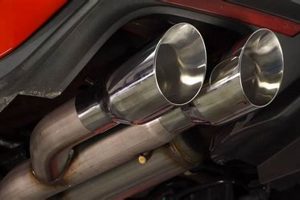
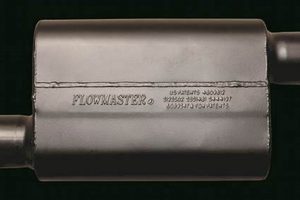
The auditory characteristic emanating from certain aftermarket exhaust components, specifically those designed to emulate the performance sound profile of a turbocharged engine, is a notable feature for vehicle enthusiasts. This distinct resonance, often characterized by a deep, throaty tone, appeals to individuals seeking to enhance the perceived power and sporty nature of their vehicles. For example, an owner might install such a component on a naturally aspirated engine to achieve a more aggressive exhaust note.
The appeal lies in a perceived improvement in the vehicle’s aural signature, frequently associated with high-performance applications. This sonic modification can provide an enhanced driving experience, creating a more visceral connection between the driver and the vehicle. Historically, these devices gained popularity alongside the rise of aftermarket performance modifications, reflecting a desire for personalized vehicle aesthetics and performance characteristics. Early iterations focused primarily on amplifying existing exhaust sounds, while later designs aimed to mimic the sound of forced induction systems.
Understanding the nuances of exhaust system modifications and their resultant acoustic properties is crucial when selecting components that align with both personal preferences and local regulations. Further investigation into specific muffler designs, flow characteristics, and material compositions can provide a more complete understanding of the factors influencing exhaust sound profiles. The following discussion will explore these factors in greater detail.
Maximizing the Potential
Optimizing the performance and longevity of components associated with a specific auditory profile requires careful consideration of several factors. The following tips outline key areas for attention.
Tip 1: Material Selection: Employ materials appropriate for the intended operating environment. Corrosion resistance and thermal stability are paramount to prevent premature degradation and maintain acoustic integrity. For example, stainless steel is often preferred over aluminized steel in regions with high road salt usage.
Tip 2: Proper Installation: Adhere strictly to manufacturer’s instructions during installation. Incorrect installation can compromise the integrity of the component and negatively impact acoustic output. Verify all connections are secure and leak-free.
Tip 3: Regular Inspection: Conduct routine visual inspections for signs of damage, corrosion, or leaks. Early detection allows for timely repairs, preventing further damage and maintaining the desired sound profile. Pay particular attention to welds and mounting points.
Tip 4: Exhaust System Alignment: Ensure the entire exhaust system is properly aligned. Misalignment can induce stress on components, leading to cracks and leaks. Regular alignment checks contribute to system longevity and consistent acoustic performance.
Tip 5: Sound Level Compliance: Be cognizant of local noise regulations. Exceeding permissible sound levels can result in fines or restrictions. Consider using sound level meters to monitor exhaust noise output, particularly after modifications or repairs.
Tip 6: Engine Compatibility: Ensure compatibility with the vehicle’s engine specifications. Mismatched components can negatively impact engine performance and fuel efficiency. Consult with a qualified mechanic or manufacturer to confirm compatibility.
These practical considerations are essential for ensuring the reliable operation and enduring performance. Prioritizing these points will contribute to a positive ownership experience.
The succeeding sections will delve into more advanced aspects of exhaust system dynamics and tuning possibilities.
1. Auditory Signature

The auditory signature constitutes a critical aspect of aftermarket exhaust systems, particularly in the context of components designed to emulate the sound profile of a turbocharged engine. The exhaust note produced directly influences driver perception and the vehicle’s perceived performance characteristics. Understanding the factors contributing to this signature is paramount for informed component selection.
- Frequency Composition
Frequency composition refers to the specific range of sound frequencies generated by the exhaust system. Components designed to produce a deep, throaty sound often emphasize lower frequencies, typically between 100 and 500 Hz. This is achieved through specific internal baffling designs and exhaust chamber sizes. Mismatched frequency characteristics can result in an undesirable or “tinny” sound, detracting from the desired effect.
- Harmonic Content
Harmonic content describes the presence and relative intensity of overtones or harmonics present in the exhaust note. A rich harmonic content often contributes to a more complex and pleasing sound. The design of the muffler core and the materials used in construction significantly influence harmonic generation. Exhaust systems with minimal baffling tend to produce more pronounced harmonics, while those with complex internal structures can dampen or suppress them.
- Amplitude Modulation
Amplitude modulation refers to the variation in sound intensity over time. This can manifest as pulses or rhythmic variations in the exhaust note, particularly at lower engine speeds. Factors influencing amplitude modulation include engine firing order and exhaust system backpressure. Well-designed systems exhibit a smooth, predictable amplitude modulation, contributing to a refined auditory experience.
- Resonance Chamber Characteristics
Resonance chamber characteristics involve the size, shape, and internal structure of the muffler’s resonating chambers. These chambers are specifically designed to amplify or attenuate certain frequencies, shaping the overall auditory signature. Incorrect resonance chamber design can lead to unwanted droning or unpleasant sound characteristics. Careful tuning of these chambers is essential for achieving the desired exhaust note.
These interconnected factors synergistically contribute to the overall auditory experience. While subjective preferences undoubtedly play a role in component selection, a thorough understanding of these fundamental acoustic principles enables informed decision-making and maximizes the potential for achieving a satisfying and appropriate sound profile. The subsequent discussion will delve into the specific design features that influence these acoustic properties within the context of aftermarket exhaust modifications.
2. Performance Emulation

The concept of performance emulation, as it pertains to aftermarket exhaust systems, centers on replicating the auditory characteristics typically associated with high-performance, forced-induction engines. Specifically, components are often designed to produce sound profiles that mimic those of turbocharged vehicles, regardless of the host vehicle’s actual engine configuration. This endeavor hinges on manipulating exhaust flow and resonance to create a specific aural experience.
- Acoustic Mimicry via Internal Baffling
Internal baffling within the muffler unit plays a critical role in shaping the exhaust note. Strategic placement and design of baffles influence the frequency and amplitude of sound waves exiting the system. For instance, specific baffle configurations can create lower frequency tones characteristic of turbocharged engines by manipulating exhaust gas velocity and pressure. This process, while not directly impacting engine performance, contributes significantly to the perceived power of the vehicle.
- Resonance Chamber Tuning for Perceived Turbo Spool
Resonance chambers, integral components of the muffler design, are tuned to amplify specific frequencies. In the context of performance emulation, these chambers can be designed to emphasize frequencies that approximate the sound of a turbocharger spooling up. This is achieved by carefully calculating the chamber dimensions to match the target frequency range. The result is an exhaust note that dynamically changes with engine RPM, mimicking the behavior of a forced-induction system.
- Material Selection and Its Influence on Tone
The material composition of the exhaust system significantly influences the overall tone produced. Different metals exhibit varying resonant properties, thereby affecting the frequencies that are emphasized. For example, stainless steel tends to produce a brighter, more resonant tone compared to aluminized steel, which offers a deeper, more subdued sound. Manufacturers leverage these material characteristics to fine-tune the exhaust note and achieve the desired performance emulation.
- Backpressure Management and Auditory Consequences
Exhaust system backpressure directly impacts the auditory output. While excessive backpressure can negatively affect engine performance, a carefully managed level of backpressure is essential for achieving a specific exhaust tone. In the context of performance emulation, backpressure manipulation can enhance the depth and rumble of the exhaust note, contributing to the perception of increased power and performance. However, it is crucial to strike a balance to avoid compromising engine efficiency.
These facets illustrate the multifaceted approach to performance emulation. The goal is to deliver a specific auditory signature, often resembling that of a turbocharged engine, irrespective of the actual engine configuration. By manipulating internal baffling, resonance chambers, material selection, and backpressure, manufacturers can create exhaust components that provide a subjective enhancement to the driving experience. These elements work in concert to produce a distinctive and recognizable exhaust note, enhancing the perceived performance and driving excitement.
3. Aftermarket Modification

Aftermarket modification, in the automotive context, denotes alterations or enhancements made to a vehicle after its initial purchase, diverging from the manufacturer’s original specifications. Within this landscape, exhaust systems and their components, particularly those aiming to emulate the acoustic properties commonly associated with turbocharged engines, represent a significant segment.
- Exhaust System Replacement and Sound Profile Alteration
A primary driver of aftermarket exhaust modification is the desire to alter a vehicle’s sound profile. Replacing the factory-installed muffler with an aftermarket component, such as one designed to produce a “turbo” sound, directly modifies the vehicle’s auditory characteristics. This can range from subtle enhancements to more aggressive and pronounced exhaust notes, depending on the design and construction of the aftermarket component. The selection of a specific aftermarket muffler is often dictated by the desired sound quality and volume.
- Performance Enhancement Claims and Acoustic Perception
While aftermarket exhaust modifications often claim to improve engine performance, the actual gains may be marginal. However, the perception of enhanced performance is frequently heightened by the change in sound. A louder or more aggressive exhaust note can subjectively lead drivers to believe the vehicle is performing better, even if objective measurements indicate otherwise. This psychological effect contributes to the popularity of aftermarket exhaust modifications.
- Compliance with Regulations and Legal Considerations
Aftermarket exhaust modifications must adhere to local noise regulations and emissions standards. Installing a system that exceeds permissible sound levels can result in fines or vehicle inspection failures. Similarly, modifications that compromise emissions control systems are illegal and can lead to significant penalties. Consequently, careful consideration must be given to the legal implications before undertaking aftermarket exhaust modifications.
- Warranty Implications and Vehicle Maintenance
Installing aftermarket components can potentially void portions of the vehicle’s factory warranty. Manufacturers may deny warranty claims related to components that have been affected by aftermarket modifications. Furthermore, aftermarket exhaust systems may require different maintenance procedures compared to the original equipment, adding complexity to vehicle upkeep. Therefore, a thorough understanding of warranty implications and maintenance requirements is crucial before proceeding with aftermarket modifications.
In summary, aftermarket exhaust modifications, particularly those intended to produce a “turbo” sound, represent a multifaceted area. The selection and installation of such components involve considerations ranging from desired sound profile and perceived performance gains to legal compliance and potential warranty implications. A comprehensive understanding of these factors is essential for informed decision-making and responsible vehicle modification.
4. Resonance characteristics

Resonance characteristics are fundamental in defining the auditory signature produced by exhaust systems, particularly those designed to emulate the sound of a turbocharged engine. The manipulation and control of resonance within a muffler significantly contribute to the perceived sound quality and overall driving experience.
- Chamber Design and Frequency Tuning
The internal chambers within a muffler act as resonators, selectively amplifying or attenuating specific frequencies. A “turbo” sound profile often involves tuning these chambers to emphasize lower frequencies, creating a deep, throaty tone. The size, shape, and internal baffling of these chambers directly influence the frequencies that are amplified, resulting in a characteristic exhaust note. Improper chamber design can lead to undesirable droning or a lack of the desired “turbo” sound.
- Material Properties and Vibrational Modes
The material from which a muffler is constructed, such as steel or stainless steel, affects its inherent resonant frequencies. Different materials exhibit different vibrational modes, influencing the propagation and reflection of sound waves within the muffler. A muffler crafted from a specific material may be chosen to enhance particular frequencies associated with a turbocharged engine’s sound. These material properties contribute to the overall timbre and richness of the exhaust note.
- Exhaust Gas Velocity and Pressure Wave Interaction
The velocity and pressure of exhaust gases flowing through the muffler interact with the internal resonators. These interactions generate pressure waves that contribute to the overall sound. When tuned correctly, these pressure waves can reinforce specific frequencies, creating a more pronounced “turbo” sound. Conversely, improper exhaust flow can disrupt these resonant frequencies, resulting in a less desirable or muffled sound.
- Helmholtz Resonance and Sound Amplification
Helmholtz resonance, a phenomenon where sound waves resonate within an enclosed cavity, is often employed in muffler design. Carefully calculated cavities act as Helmholtz resonators, amplifying specific frequencies and contributing to the desired exhaust tone. By strategically placing Helmholtz resonators within the muffler, manufacturers can enhance the “turbo” sound profile and create a more engaging auditory experience. Misapplication of Helmholtz resonance can lead to unwanted noise or a poorly defined sound.
These resonance characteristics are intricately linked to the creation of a “turbo” sound. The design of the muffler, including chamber configurations, material selection, exhaust gas dynamics, and the application of Helmholtz resonance, all contribute to the final auditory signature. The ability to effectively control and manipulate these resonance characteristics is paramount in achieving a convincing and appealing “turbo” sound effect.
5. Component durability

Component durability represents a critical factor influencing the long-term performance and acoustic integrity of exhaust systems designed to emulate the sound of a turbocharged engine. The ability of these components to withstand the rigors of the automotive environment directly impacts their ability to maintain the desired auditory signature over time.
- Material Selection and Corrosion Resistance
The selection of appropriate materials is paramount in ensuring component durability. Materials such as stainless steel offer superior corrosion resistance compared to aluminized steel, especially in regions with harsh road conditions or high salt exposure. Corrosion weakens the structural integrity of the muffler, leading to leaks and altered resonance characteristics, thereby diminishing the desired “turbo” sound. Premature failure due to corrosion necessitates replacement, negating the initial investment.
- Weld Integrity and Structural Fatigue
The quality of welds joining the various components of the muffler assembly significantly impacts its resistance to structural fatigue. Repeated thermal cycling and mechanical stresses encountered during vehicle operation can weaken poorly executed welds, leading to cracks and eventual failure. Cracks disrupt the intended exhaust flow and resonance patterns, altering the sound profile and diminishing the “turbo” sound effect. Robust welding techniques are essential for prolonging the lifespan of the muffler and maintaining its acoustic properties.
- Internal Baffling Design and Thermal Stress
The design and construction of internal baffles within the muffler contribute to its ability to withstand thermal stress. Baffles are subjected to high temperatures and rapid temperature fluctuations, which can cause warping and distortion over time. Deformation of the baffles alters the intended exhaust flow and resonance, negatively impacting the “turbo” sound. Proper baffle design and material selection are crucial for mitigating thermal stress and preserving the desired acoustic characteristics.
- Mounting Hardware and Vibration Resistance
The quality of mounting hardware and its ability to resist vibration directly influences the overall durability of the exhaust system. Insufficient or poorly designed mounting hardware can lead to excessive vibration, which accelerates fatigue and failure of the muffler assembly. Vibration-induced cracks and leaks compromise the intended exhaust flow and resonance, diminishing the “turbo” sound. Robust mounting hardware and vibration-dampening materials are essential for prolonging the lifespan of the muffler and maintaining its acoustic integrity.
In conclusion, component durability is intrinsically linked to the long-term satisfaction derived from exhaust systems designed to emulate a “turbo” sound. Selecting components constructed from durable materials, employing robust welding techniques, incorporating thermally stable baffle designs, and utilizing vibration-resistant mounting hardware are all essential for ensuring that the desired auditory signature is maintained over time. Neglecting these factors can lead to premature failure and a diminished driving experience.
6. Engine compatibility
Engine compatibility serves as a fundamental consideration when selecting aftermarket exhaust components, particularly those designed to emulate the sound profile of a turbocharged engine. Mismatched components can lead to suboptimal performance and potential engine damage. The selection process necessitates careful evaluation of engine specifications and exhaust system characteristics.
- Engine Displacement and Exhaust Flow Rate
Engine displacement dictates the volume of exhaust gases generated, influencing the required exhaust flow rate. An exhaust system designed for a larger displacement engine may create excessive backpressure on a smaller engine, leading to reduced power output and increased fuel consumption. Conversely, an exhaust system designed for a smaller engine may not provide adequate flow for a larger engine, hindering performance. Selecting an exhaust system with appropriate flow characteristics is crucial for optimal engine operation. For example, installing a large diameter exhaust system designed for a 5.0L V8 on a 2.0L inline-4 engine may result in a loss of low-end torque.
- Engine Management System and Sensor Placement
The engine management system (EMS) relies on various sensors to monitor engine performance and adjust fuel delivery and ignition timing. Exhaust system modifications can affect sensor readings, potentially triggering diagnostic trouble codes (DTCs) and impacting engine operation. Oxygen sensor placement and catalytic converter efficiency are particularly sensitive to exhaust system alterations. Compatibility with the vehicle’s EMS is essential to avoid adverse effects on engine performance and emissions. Installing an aftermarket exhaust system that relocates or eliminates catalytic converters can trigger a check engine light and prevent the vehicle from passing emissions tests.
- Backpressure Considerations and Engine Performance
Backpressure, the resistance to exhaust gas flow, influences engine performance. While some backpressure is necessary for proper scavenging, excessive backpressure can restrict exhaust flow and reduce power output. Aftermarket exhaust systems designed to emulate a “turbo” sound may alter backpressure characteristics. Careful consideration must be given to ensure that the selected system provides adequate exhaust flow without creating excessive backpressure. Installing an aftermarket exhaust system that significantly reduces backpressure on a naturally aspirated engine may result in a loss of low-end torque and responsiveness.
- Engine Configuration and Exhaust Manifold Design
Engine configuration, such as inline, V-shaped, or horizontally opposed, influences the design of the exhaust manifold and the overall exhaust system layout. Aftermarket exhaust components must be compatible with the vehicle’s engine configuration and manifold design to ensure proper fitment and functionality. Incompatible components can lead to installation difficulties and potential exhaust leaks. An exhaust system designed for a V6 engine will not fit a vehicle with an inline-4 engine due to differences in exhaust manifold design and engine bay layout.
Therefore, careful consideration of engine specifications, EMS compatibility, backpressure characteristics, and engine configuration is paramount when selecting aftermarket exhaust systems designed to emulate a “turbo” sound. A properly matched exhaust system optimizes engine performance and minimizes the risk of adverse effects. The pursuit of a desired auditory experience must be balanced with the need to maintain engine health and operational efficiency.
Frequently Asked Questions
The following section addresses common inquiries concerning the acoustic properties and practical considerations associated with aftermarket exhaust components designed to emulate the sound of a turbocharged engine. These questions and answers aim to provide clear and informative guidance for prospective users.
Question 1: What constitutes the defining characteristics of a “thrush turbo muffler sound”?
The defining characteristics typically involve a deep, throaty exhaust note, often with an emphasis on lower frequencies. This sound profile attempts to replicate the auditory signature of a turbocharged engine, even when installed on a naturally aspirated vehicle. The specific tone and volume can vary depending on the muffler’s design and construction.
Question 2: Does installing such a muffler genuinely improve engine performance?
While perceived performance may increase due to the change in sound, actual engine performance gains are often minimal. A properly designed exhaust system can slightly improve exhaust flow, but the primary benefit is usually a change in the vehicle’s auditory characteristics, not a significant increase in horsepower or torque.
Question 3: Are there legal limitations associated with using this type of muffler?
Yes. Many jurisdictions have noise regulations that limit the permissible sound levels of vehicles. Installing an aftermarket muffler that exceeds these limits can result in fines or require the removal of the component. It is essential to research and comply with local noise ordinances before installing any aftermarket exhaust system.
Question 4: Will installing a “thrush turbo muffler sound” void the vehicle’s warranty?
The installation of aftermarket components can potentially void portions of the vehicle’s factory warranty, particularly if the modification is deemed to have caused damage. However, the specifics vary depending on the manufacturer and the nature of the modification. Consult the vehicle’s warranty documentation and consider consulting with a dealer before proceeding.
Question 5: What materials offer the best durability for such mufflers?
Stainless steel typically provides superior durability compared to aluminized steel, especially in environments with corrosive elements such as road salt. Stainless steel resists corrosion and maintains its structural integrity longer, ensuring a prolonged lifespan and consistent sound quality.
Question 6: How does the design of the internal baffling affect the sound produced?
The internal baffling within the muffler plays a critical role in shaping the exhaust note. The design, placement, and number of baffles influence the frequency and amplitude of sound waves, determining the overall tone and volume of the exhaust. Different baffle configurations can produce varying degrees of the desired “turbo” sound.
These FAQs highlight the key considerations when contemplating the installation of an aftermarket exhaust component designed to emulate a turbocharged engine sound. Prioritizing legal compliance, durability, and informed component selection is crucial for a satisfactory outcome.
The following section will delve into potential troubleshooting steps for common exhaust system issues.
Concluding Remarks
The preceding analysis has explored the multifaceted aspects of exhaust systems designed to emulate forced induction acoustics. Key considerations include the desired auditory signature, material durability, regulatory compliance, and the potential impact on engine performance and vehicle warranties. Understanding these factors enables informed decision-making for individuals considering such modifications.
The pursuit of a specific aural aesthetic must be balanced with the responsible operation and maintenance of the vehicle. Continued adherence to established best practices and a thorough understanding of pertinent regulations remain crucial for ensuring both a satisfying and compliant modification outcome. Further research and consultation with qualified professionals are encouraged before undertaking such alterations.