![Is Mk8 GTI Muffler Delete Right For You? [Pros & Cons]](data:image/gif;base64,R0lGODdhAQABAPAAAMPDwwAAACwAAAAAAQABAAACAkQBADs= "Is Mk8 GTI Muffler Delete Right For You? [Pros & Cons] Best Mufflers for Cars & Trucks | Performance, Sound & Durability Upgrades")
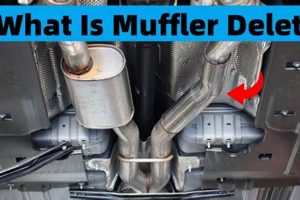
The removal of the factory-installed sound dampening component from the exhaust system of a Volkswagen Golf GTI, eighth generation, is a modification frequently pursued by automotive enthusiasts. This process alters the vehicle’s auditory characteristics, producing a louder, more aggressive exhaust note. As an example, an owner might choose to undertake this alteration to enhance the perceived performance and sonic signature of their vehicle.
This alteration holds significance for individuals seeking a more pronounced auditory feedback from their engine. The modification’s potential benefits extend to a perceived increase in horsepower and torque, although these gains are often minimal and difficult to quantify without dyno testing. Historically, modifications of this type have been popular within the automotive performance community as a relatively inexpensive method of altering a vehicle’s sound profile.
The subsequent sections will delve into the specific considerations, potential drawbacks, and installation procedures associated with this type of exhaust system modification. These topics will address the impact on vehicle performance, regulatory compliance, and overall driving experience.
Considerations for Modification of the Mk8 GTI Exhaust System
The following points outline critical aspects to consider before undertaking modification of the eighth-generation Golf GTI’s exhaust system, specifically concerning the removal of the terminal sound dampening component.
Tip 1: Assess Local Regulations: Prior to any modification, research and understand local noise ordinances and vehicle inspection standards. Many jurisdictions have specific regulations regarding exhaust system noise levels, and non-compliance may result in fines or failure to pass inspection.
Tip 2: Evaluate Potential Performance Impact: While a modified exhaust may offer an enhanced auditory experience, its impact on actual performance should be carefully evaluated. A poorly designed modification can negatively affect exhaust flow and potentially reduce engine output.
Tip 3: Consider Drone Mitigation: The removal of a sound dampening component can introduce unwanted resonance, commonly referred to as “drone,” at specific engine speeds. Research potential drone issues and consider mitigation strategies such as the installation of resonators or Helmholtz chambers.
Tip 4: Research Aftermarket Options: If considering an aftermarket solution, thoroughly research different manufacturers and product reviews. Prioritize products designed specifically for the Mk8 GTI to ensure proper fitment and optimal performance.
Tip 5: Professional Installation is Recommended: Unless possessing significant mechanical expertise, professional installation is strongly advised. A qualified technician can ensure proper welding, alignment, and clearance, minimizing the risk of leaks or damage.
Tip 6: Understand Warranty Implications: Modifications to the exhaust system may void portions of the vehicle’s warranty. Consult with a dealership or warranty provider to understand the potential impact on warranty coverage.
Modification of a vehicle’s exhaust system is a significant decision with various potential consequences. Diligent planning and research are crucial to achieving the desired results without incurring unintended problems.
The subsequent sections will discuss the long-term effects of modifying the Mk8 GTI’s exhaust system and outline alternative approaches for achieving a desired auditory experience.
1. Auditory Alteration
The removal of the sound dampening component from a Mk8 GTI’s exhaust system fundamentally alters the vehicle’s acoustic profile. This modification is primarily undertaken to achieve a more pronounced and aggressive exhaust note. The extent and characteristics of this auditory shift are determined by several interconnected factors.
- Volume Increase
The primary effect is a notable increase in exhaust volume. The sound dampening component’s absence allows a greater proportion of exhaust sound waves to propagate directly into the environment. Decibel levels, especially during acceleration and higher engine speeds, will increase significantly. This increased volume can enhance the perceived sportiness of the vehicle but may also lead to driver fatigue on longer journeys and potential conflicts with noise regulations.
- Frequency Shift
The removal changes the frequency composition of the exhaust sound. The sound dampening component is designed to attenuate specific frequencies, often targeting higher-pitched sounds. Consequently, its absence can result in a deeper, more resonant tone. However, this can also amplify undesirable frequencies, potentially leading to the aforementioned “drone” at certain engine speeds.
- Sound Quality Modification
The modification alters the overall quality of the exhaust note. Without the sound dampening component, the raw sound of the engine combustion process becomes more audible. This can result in a more aggressive and less refined sound, characterized by increased pops, crackles, and gurgles during deceleration and gear changes. The resulting sound quality is highly subjective and influenced by individual preferences.
- Resonance Amplification
The modification amplifies natural resonance within the exhaust system. The exhaust system’s pipe lengths and geometries act as resonating chambers, amplifying specific frequencies. The sound dampening component is intended to dampen these resonances, preventing them from becoming overly dominant. The absence of this component can result in certain frequencies becoming excessively loud or creating an unpleasant booming sound.
The interplay of these factors determines the ultimate auditory outcome of removing the sound dampening component from a Mk8 GTI. While the modification is intended to enhance the vehicle’s sound, it is crucial to carefully consider potential drawbacks, such as increased volume, undesirable resonances, and the alteration of the overall sound quality, to ensure the desired auditory experience aligns with individual preferences and local regulations.
2. Resonance Management
Resonance management is a critical consideration when undertaking sound dampening component removal on the eighth-generation Golf GTI exhaust system. The absence of the factory-installed component often introduces undesirable resonant frequencies, necessitating careful mitigation strategies.
- Drone Phenomenon
Drone, characterized by a low-frequency booming sound experienced within the vehicle’s cabin at specific engine speeds, is a common consequence of sound dampening component removal. This resonance is amplified by the exhaust system’s geometry and lacks the original component’s dampening effect. The perceived intensity of drone varies based on vehicle speed, engine load, and the individual’s sensitivity to low-frequency noise. For example, sustained highway driving at 70 mph in sixth gear may induce significant drone. Addressing this often requires targeted intervention.
- Helmholtz Resonators
Helmholtz resonators are specifically designed to counteract targeted resonant frequencies. These devices, tuned to a precise frequency, create destructive interference, thereby reducing the amplitude of the unwanted sound wave. Installation typically involves welding a small chamber onto the exhaust system at a strategic location. The chamber’s volume and neck length are calculated to cancel out the dominant drone frequency. Aftermarket exhaust systems designed for the Mk8 GTI often incorporate Helmholtz resonators to minimize drone. However, precise tuning may still be necessary to address individual vehicle variations.
- Exhaust System Routing and Length
The routing and overall length of the exhaust system directly influence its resonant characteristics. Modifying these parameters can shift resonant frequencies, potentially mitigating drone. However, altering the exhaust routing can be complex and may require significant fabrication. For instance, lengthening the exhaust pipe can shift the resonant frequency lower, potentially moving it outside the typical driving range. These alterations may inadvertently affect exhaust flow dynamics.
- Sound Dampening Materials
Strategic application of sound dampening materials to the vehicle’s undercarriage and interior can minimize the transmission of resonant frequencies into the cabin. This involves applying specialized mats and coatings to areas prone to vibration, such as the floor pan and firewall. While this approach does not eliminate the source of the resonance, it reduces the audible impact within the vehicle. For example, applying sound deadening material to the rear hatch area of a Mk8 GTI can diminish the perceived drone intensity.
Effective resonance management is paramount to achieving a desirable auditory experience following sound dampening component removal. A thorough understanding of resonant frequencies and targeted mitigation strategies are essential to minimizing drone and optimizing the overall sound quality of the modified exhaust system. The implementation of these techniques, whether through Helmholtz resonators, exhaust routing modifications, or sound dampening materials, can significantly improve the driving experience and address potential noise complaints.
3. Regulatory Compliance
Adherence to established legal and statutory requirements forms a crucial consideration when altering a vehicle’s exhaust system, particularly concerning the removal of sound dampening components. The modification of an eighth-generation Golf GTI in this manner directly implicates noise pollution regulations and vehicle inspection standards, necessitating a comprehensive understanding of applicable laws.
- Noise Ordinances
Local noise ordinances establish permissible decibel levels for vehicle exhaust emissions. These regulations, enacted at municipal, county, and state levels, aim to mitigate noise pollution within communities. Removing the sound dampening component from a Mk8 GTI invariably increases exhaust volume, potentially exceeding these limits. Enforcement methods vary, ranging from roadside noise checks to formal decibel measurements at inspection stations. Exceeding the allowable decibel limit can result in fines, mandatory vehicle rectification orders, and legal repercussions. For example, certain residential areas may have stricter noise limits during nighttime hours, making a modified exhaust system non-compliant.
- Vehicle Inspection Standards
Many jurisdictions mandate periodic vehicle inspections to ensure compliance with safety and emissions standards. These inspections often include an assessment of the exhaust system’s integrity and adherence to original equipment specifications. The removal of the sound dampening component may constitute a failure to meet these standards, leading to the vehicle’s rejection and preventing its legal operation on public roads. Inspection criteria may specifically target the presence and functionality of factory-installed components, including sound dampening devices. Furthermore, visual inspection may identify evidence of exhaust system tampering, resulting in automatic failure.
- Emissions Regulations (Indirect Impact)
While primarily focused on pollutant emissions, regulations like those enforced by agencies such as the Environmental Protection Agency (EPA) can indirectly impact exhaust system modifications. Although a sound dampening component removal primarily targets noise reduction rather than emissions control, any modification affecting exhaust flow can potentially influence engine performance and, consequently, emissions output. Deviations from factory specifications may raise concerns during emissions testing, particularly if the modification contributes to increased hydrocarbon or nitrogen oxide emissions. Therefore, thorough evaluation is required to ensure the modification does not compromise the vehicle’s emissions compliance.
Navigating the landscape of regulatory compliance demands meticulous attention to detail when modifying a Mk8 GTI exhaust system. Ensuring adherence to both noise ordinances and vehicle inspection standards is paramount to avoiding legal penalties and maintaining the vehicle’s roadworthiness. Furthermore, consideration of the modification’s potential impact on emissions is advisable. Diligent research and adherence to local regulations are indispensable for responsible modification practices.
4. Performance Variations
The removal of the terminal sound dampening component, often referred to as a “mk8 gti muffler delete,” introduces potential alterations in engine performance, though these variations are frequently subtle and contingent upon specific factors. The primary theoretical basis for performance gains stems from the reduction in exhaust backpressure. By eliminating the restriction imposed by the sound dampening component, exhaust gases may evacuate the cylinders more efficiently, potentially leading to an increase in horsepower and torque. However, this effect is often marginal on modern turbocharged engines like the Mk8 GTI’s due to the existing presence of a turbocharger, which already significantly reduces backpressure.
The magnitude and direction of performance variations depend heavily on the overall exhaust system design and engine management calibration. A poorly designed exhaust system, even without the sound dampening component, can still create excessive backpressure or disrupt exhaust gas scavenging, leading to a net decrease in performance. Moreover, the engine control unit (ECU) plays a crucial role in optimizing engine parameters based on exhaust flow characteristics. If the ECU does not adequately adapt to the altered exhaust flow following the modification, potential performance gains may remain unrealized or, in some cases, result in suboptimal engine operation. Real-world examples indicate that some individuals perceive improved throttle response and a slight increase in power within the mid-range RPM band after undertaking this modification, while others report no discernible difference. Dyno testing provides a more objective assessment, but results often vary depending on the specific vehicle, testing conditions, and the presence of other modifications.
In summary, the connection between “mk8 gti muffler delete” and “performance variations” is nuanced and often overstated. While the potential for minor performance gains exists due to reduced backpressure, the actual outcome is significantly influenced by exhaust system design, ECU calibration, and individual vehicle characteristics. Challenges arise in accurately quantifying these variations without rigorous testing, and the perceived benefits may be primarily psychological. Understanding these subtleties is crucial for managing expectations and making informed decisions regarding exhaust system modifications on the Mk8 GTI.
5. Warranty Implications
The removal of a factory-installed sound dampening component, or “mk8 gti muffler delete,” can directly affect the vehicle’s warranty coverage. Manufacturers generally reserve the right to deny warranty claims for issues demonstrably caused by aftermarket modifications. Therefore, if a component failure occurs in proximity to the exhaust system, or if the failure is plausibly linked to alterations affecting exhaust backpressure or engine operation, the manufacturer may cite the exhaust modification as the cause. This can lead to the denial of warranty coverage for related repairs, even if the failure is not directly caused by the “mk8 gti muffler delete.” For instance, premature failure of oxygen sensors downstream of the modification could be attributed to altered exhaust gas composition, potentially negating warranty coverage for sensor replacement.
The degree to which a “mk8 gti muffler delete” impacts the warranty depends on several factors. These factors include the specific language of the warranty agreement, the dealership’s policies, and the relationship between the modification and the claimed failure. Some dealerships may be more lenient regarding modifications, while others strictly adhere to the manufacturer’s guidelines. Furthermore, the burden of proof often lies with the vehicle owner to demonstrate that the modification did not cause the failure. Documenting the modification process, retaining original parts, and seeking professional installation can bolster the owner’s position in the event of a warranty dispute. Additionally, if an aftermarket component specifically states it does not void the warranty, or if the modification is performed by an authorized dealer, that could affect the outcome.
Ultimately, understanding the “warranty implications” is an essential component of considering a “mk8 gti muffler delete.” Before undertaking this modification, it is prudent to consult with a dealership representative or legal professional to assess the potential risks and ramifications. While the allure of enhanced sound and perceived performance gains may be strong, the potential financial burden of voided warranty coverage should be carefully weighed against the perceived benefits. In conclusion, “warranty implications” should never be ignored when planning any vehicle modification.
Frequently Asked Questions
This section addresses common inquiries and concerns regarding the removal of the factory-installed sound dampening component, often referred to as a “mk8 gti muffler delete,” from the exhaust system of the eighth-generation Volkswagen Golf GTI. The responses provided are intended to offer clarity and informed perspective on this modification.
Question 1: Does a “mk8 gti muffler delete” increase horsepower?
The potential for horsepower gains resulting from the “mk8 gti muffler delete” is typically minimal. While a reduction in exhaust backpressure can theoretically improve engine efficiency, the effect is often negligible on modern turbocharged engines. Dyno testing provides the most reliable means of assessing any performance changes.
Question 2: Will a “mk8 gti muffler delete” cause drone?
The likelihood of experiencing drone following a “mk8 gti muffler delete” is high. The absence of the sound dampening component often amplifies resonant frequencies within the exhaust system, leading to an undesirable booming sound, particularly at specific engine speeds. Mitigation strategies, such as Helmholtz resonators, may be necessary.
Question 3: Is a “mk8 gti muffler delete” legal?
The legality of a “mk8 gti muffler delete” depends on local noise ordinances and vehicle inspection standards. Many jurisdictions have regulations governing exhaust system noise levels, and modifying the exhaust system may violate these regulations. Prior to undertaking this modification, it is essential to research and understand applicable laws.
Question 4: Will a “mk8 gti muffler delete” void the car’s warranty?
A “mk8 gti muffler delete” can potentially void portions of the vehicle’s warranty, particularly concerning exhaust system components. Manufacturers may deny warranty claims if the modification is deemed to have contributed to the failure. Consulting with a dealership representative is advisable to ascertain the potential impact on warranty coverage.
Question 5: How difficult is it to install a “mk8 gti muffler delete”?
Installation difficulty varies depending on the individual’s mechanical skill and the specific configuration of the exhaust system. While some individuals may be capable of performing the installation themselves, professional installation is generally recommended to ensure proper fitment and alignment. Incorrect installation can lead to leaks or damage to the exhaust system.
Question 6: What are the alternatives to a “mk8 gti muffler delete” for improving exhaust sound?
Alternative options for enhancing exhaust sound without removing the sound dampening component include aftermarket exhaust systems designed to improve sound quality while maintaining regulatory compliance. These systems often incorporate resonators and engineered piping to achieve a more aggressive exhaust note without excessive volume or drone.
In conclusion, the “mk8 gti muffler delete” presents both potential benefits and drawbacks. A comprehensive understanding of these aspects is crucial for making informed decisions regarding this modification.
The next section will explore user reviews and community feedback on the “mk8 gti muffler delete” modification.
Conclusion
This exploration of the “mk8 gti muffler delete” modification has revealed a complex interplay of factors impacting vehicle sound, performance, regulatory compliance, and warranty coverage. The alteration, while potentially yielding a more aggressive exhaust note, necessitates careful consideration of associated drawbacks, including drone, potential legal ramifications, and the risk of voiding manufacturer warranties. The decision to proceed with this modification should be predicated on a thorough understanding of these intertwined elements.
The ultimate suitability of a “mk8 gti muffler delete” hinges on individual priorities and risk tolerance. Vehicle owners are urged to diligently assess their specific needs, local regulations, and the potential consequences before undertaking this modification. The decision warrants a deliberative approach, emphasizing informed judgment over impulsive action, in order to optimize the driving experience while mitigating potential negative impacts.