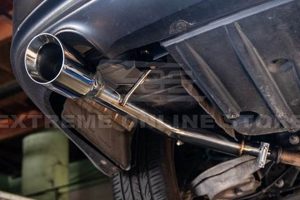
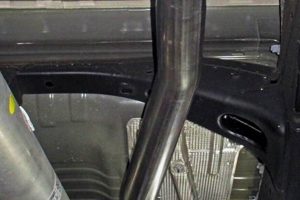
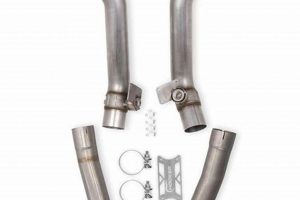
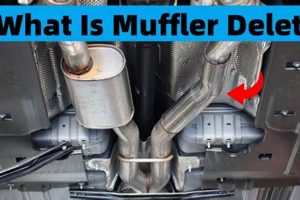
A modification involving the removal of the factory-installed muffler from a Chevrolet Silverado truck is a procedure that directly alters the vehicle’s exhaust system. This action eliminates the sound-dampening component, leading to a noticeably louder exhaust note. As an illustration, a Silverado owner might opt for this modification to achieve a more aggressive engine sound.
The perceived benefits often include a heightened auditory experience and, potentially, a slight increase in horsepower due to reduced exhaust backpressure. However, this modification may also lead to increased noise levels, which could violate local noise ordinances. Historically, such modifications were more common in performance-oriented vehicles, but their application to trucks like the Silverado reflects a desire for a more pronounced engine presence.
The following sections will delve into the potential performance impacts, legal considerations, installation processes, and alternative exhaust system modifications applicable to the Chevrolet Silverado.
Muffler Delete Silverado
Before undertaking modifications to a Chevrolet Silverado’s exhaust system, careful consideration of potential ramifications is crucial. The following points outline key aspects to assess before proceeding.
Tip 1: Local Regulations: Thoroughly investigate local noise ordinances. Many jurisdictions have decibel limits, and removing the muffler may result in non-compliance, leading to fines or mandatory rectification.
Tip 2: Potential Performance Gains: Understand that the gains in horsepower and torque, if any, may be minimal and potentially offset by changes in the engine’s power curve. Dyno testing before and after the modification is recommended for accurate measurement.
Tip 3: Sound Level and Drone: A vehicle’s exhaust note will be significantly louder and potentially include undesirable drone, especially at cruising speeds. Consider the impact on daily driving comfort and passenger experience.
Tip 4: Professional Installation: While DIY installation is possible, a professional exhaust shop possesses the necessary equipment and expertise to ensure proper welding and fitment, minimizing the risk of leaks and structural issues.
Tip 5: Resale Value: Be aware that modifying the exhaust system could negatively impact the truck’s resale value, as potential buyers may view it as an undesirable alteration.
Tip 6: Alternative Exhaust Options: Explore alternative performance exhaust systems that offer a balance of increased sound and performance while adhering to legal noise limits. Cat-back systems are a viable option to improve the exhaust sound of your Silverado.
Tip 7: Impact on Emissions: Ensure that the modification does not interfere with any emissions control devices, as tampering with these systems is illegal and can result in failed emissions tests.
Careful planning and awareness of potential consequences are essential before making changes to the Chevrolet Silverado’s exhaust system. Consider consulting with automotive professionals to make informed decisions.
The next section will explore case studies and owner experiences related to modifying the Chevrolet Silverado’s exhaust system.
1. Aggressive Sound
The elimination of the factory muffler on a Chevrolet Silverado directly and significantly alters the vehicle’s exhaust acoustics, resulting in what is commonly described as an “aggressive sound.” This transformation stems from the removal of a critical component designed to dampen and attenuate exhaust noise.
- Increased Decibel Level
The absence of the muffler invariably leads to a substantial increase in exhaust decibel levels. The unmodified exhaust system incorporates the muffler to reduce noise pollution and comply with regulatory standards. Removing it allows exhaust gases to exit the system with significantly less restriction, translating directly into a louder and more pronounced sound signature. This increase can be quantified using decibel meters, often exceeding legal limits in noise-sensitive areas.
- Enhanced Low-Frequency Rumble
Muffler removal tends to amplify the low-frequency components of the exhaust note, producing a deeper and more resonant rumble. This effect is particularly noticeable during idle and low-speed operation. The resonating frequencies, previously dampened by the muffler’s internal baffling, are now free to propagate, creating a more visceral auditory experience for both the driver and surrounding environment. This deep rumble often contributes to the perception of increased power.
- Potential for Exhaust Drone
While an “aggressive sound” may be desirable to some, the modification often introduces exhaust drone a sustained, low-frequency hum that can be particularly fatiguing during highway driving. Drone occurs when specific engine RPMs excite resonant frequencies within the exhaust system, creating an amplified and unpleasant noise. The lack of a muffler, designed to mitigate these resonances, exacerbates the problem. The severity of drone varies depending on the specific Silverado model, engine configuration, and exhaust system design.
- Subjective Perception and Social Impact
The perception of an “aggressive sound” is subjective and varies widely. While some individuals find the louder exhaust note appealing and indicative of performance, others may consider it excessive and disruptive. The modification’s social impact is considerable, as the increased noise levels can disturb neighbors and draw unwanted attention from law enforcement, particularly in areas with strict noise regulations. Public perception often links loud exhausts to irresponsible driving and environmental disregard.
The link between an aggressive sound and a modified Silverado exhaust system is undeniable. While some view the result as an enhancement of the truck’s character, the legal, environmental, and social ramifications must be thoroughly considered before undertaking such a modification. Careful assessment of these factors ensures informed decision-making and minimizes potential negative consequences.
2. Legality assessment

The legality of removing the muffler from a Chevrolet Silverado is not universally permissible and requires careful evaluation within the relevant jurisdiction. This assessment considers both federal and local regulations pertaining to vehicle noise emissions.
- Federal Noise Standards
While the U.S. Environmental Protection Agency (EPA) regulates vehicle emissions, federal noise standards are less stringent and primarily focus on newly manufactured vehicles. States and municipalities, therefore, bear the primary responsibility for regulating noise levels of in-use vehicles. This means that even if a system initially met federal standards, post-sale modifications may violate local ordinances.
- State and Municipal Noise Ordinances
Many states and municipalities have specific noise ordinances that establish permissible decibel limits for vehicles. These ordinances often include provisions regarding exhaust modifications and may specifically prohibit the removal or alteration of mufflers. For example, some jurisdictions employ a ‘reasonable person’ standard, where noise is deemed illegal if it is deemed disruptive or excessive by an ordinary individual. Violation of these ordinances can result in fines, mandatory vehicle inspections, or even legal action.
- Visual Inspection and Enforcement
Law enforcement officers often rely on visual inspection to determine if a muffler has been removed. The absence of a visible muffler is often considered probable cause for further investigation, including decibel level testing. Some jurisdictions utilize mobile decibel meters to assess vehicle noise levels on the spot. Furthermore, annual vehicle safety inspections may include an examination of the exhaust system to ensure compliance with noise regulations.
- Potential Legal Ramifications
Operating a Chevrolet Silverado with a removed muffler in violation of applicable noise ordinances can lead to various legal consequences. These can range from monetary fines to court appearances. In some jurisdictions, repeated offenses may result in more severe penalties, such as vehicle impoundment or suspension of driving privileges. Furthermore, civil lawsuits may be filed by individuals or communities affected by excessive noise pollution.
The legality of a muffler removal from a Chevrolet Silverado hinges on strict adherence to both state and local ordinances. A proactive approach, including researching applicable regulations and seeking professional legal advice, is crucial to avoid potential legal ramifications and ensure compliance.
3. Performance change
The removal of a muffler from a Chevrolet Silverado, although primarily undertaken to alter exhaust sound, may lead to tangible, though often marginal, performance changes. These potential modifications in performance stem from alterations in exhaust backpressure and flow dynamics, which can influence engine output characteristics. A primary consideration is that the factory exhaust system is designed to provide adequate flow for the engine’s stock configuration. Thus, a deletion may not yield the significant gains sometimes advertised.
A potential increase in horsepower and torque is often cited as a benefit. The reduced restriction in the exhaust flow path may allow the engine to expel exhaust gases more efficiently, thereby slightly improving volumetric efficiency, particularly at higher engine speeds. However, this effect is often minimal on a stock engine, as the factory exhaust system is generally not a significant bottleneck. For example, a Silverado with a stock 5.3L V8 engine might see a single-digit horsepower increase at peak RPM, a change that is often difficult to discern without specialized testing equipment. Moreover, the removal might actually reduce low-end torque due to decreased backpressure, which is crucial for optimal cylinder filling at lower RPMs. A real-world example involves some Silverado owners reporting a ‘lag’ or reduced throttle response at low speeds after muffler removal, negating any perceived high-end gains. Practical application involves a careful assessment of the engine’s intended operating range and the potential trade-offs between low-end torque and high-end horsepower.
In conclusion, while a muffler deletion on a Silverado may result in some measurable performance changes, these gains are often small and may not justify the modification, especially considering potential negative impacts such as reduced low-end torque and increased noise levels. The modification requires a holistic evaluation that takes into account the engine’s specifications, the intended use of the vehicle, and potential legal or social consequences. The potential performance enhancements should be weighed against the potential drawbacks to ensure a beneficial outcome.
4. Potential drone

The removal of a muffler from a Chevrolet Silverado often leads to the phenomenon known as “drone,” a persistent, low-frequency resonant sound within the vehicle’s cabin. This is a significant consideration for owners contemplating such a modification, as drone can negatively impact driving comfort and overall vehicle experience.
- Resonance Frequencies
Drone arises from the excitation of resonant frequencies within the exhaust system itself and the vehicle’s body. Mufflers are specifically designed to attenuate these frequencies. When the muffler is removed, these previously dampened sound waves are allowed to propagate freely, creating sustained, low-frequency noise that is particularly noticeable at specific engine RPM ranges. The frequency at which drone occurs is heavily dependent on the length and diameter of the exhaust piping, engine characteristics, and vehicle chassis design. For example, certain Silverado models may experience drone most prominently between 1800 and 2200 RPM, a common cruising speed range.
- Cabin Amplification
The resonant frequencies generated by the modified exhaust system can be amplified within the vehicle’s cabin, further exacerbating the drone effect. The cabin acts as a resonant chamber, amplifying certain frequencies and creating a more pronounced and intrusive sound. This amplification is influenced by the vehicle’s interior materials, cabin dimensions, and the presence of sound-deadening components. The Silverado’s large cabin volume can contribute to drone amplification if not properly addressed.
- Driver and Passenger Discomfort
Sustained exposure to low-frequency drone can cause significant driver and passenger discomfort, leading to fatigue, headaches, and reduced concentration. The constant, droning noise can be particularly bothersome during long drives, making the vehicle less enjoyable for commuting or road trips. In extreme cases, prolonged exposure to drone can even induce nausea or feelings of unease. Silverado owners who use their trucks for work or family transportation may find drone to be an unacceptable trade-off for the perceived benefits of a muffler removal.
- Mitigation Strategies
While a muffler removal inherently increases the risk of drone, certain strategies can be employed to mitigate its effects. These include the installation of resonators, which are designed to cancel out specific frequencies, and the application of sound-deadening materials within the vehicle’s cabin. Adjusting the exhaust pipe routing or adding exhaust tips can also alter the resonant frequencies and potentially reduce drone. However, these mitigation strategies may not completely eliminate drone, and their effectiveness can vary depending on the specific vehicle and exhaust configuration. Silverado owners should carefully consider these options before committing to a muffler removal.
In summary, the potential for drone is a critical factor to weigh when considering a muffler deletion on a Chevrolet Silverado. The creation of resonant frequencies, their amplification within the cabin, and the resulting discomfort for occupants highlight the need for careful planning and potential mitigation strategies. Ignoring the potential for drone can lead to a significantly less enjoyable driving experience, even if the modification achieves the desired aggressive exhaust note.
5. Installation quality

The effectiveness and longevity of a modification involving the removal of the muffler from a Chevrolet Silverado are intrinsically linked to the quality of installation. The absence of proper welding, alignment, and secure mounting introduces a cascade of potential problems, undermining the intended benefits and potentially creating safety hazards. For instance, poorly executed welds can lead to exhaust leaks, resulting in reduced engine performance, increased fuel consumption, and the emission of harmful gases into the cabin. Moreover, improper alignment can place undue stress on other exhaust components, accelerating wear and tear, and potentially leading to premature failure.
Beyond functional considerations, installation quality directly impacts the acoustic characteristics of the modified exhaust system. A poorly executed installation can introduce rattles, vibrations, and other undesirable noises, detracting from the intended aggressive sound profile. A real-world example involves Silverado owners reporting excessive cabin noise and vibration following a muffler removal performed by inexperienced installers. Securing the exhaust pipes rigidly to the frame without proper vibration dampening may cause excessive vibration to the chassis and cabin of the vehicle. Thus, the choice of a qualified and experienced installer is paramount in achieving the desired sound and performance characteristics while mitigating potential negative side effects.
In conclusion, the quality of installation serves as a cornerstone for the successful implementation of a muffler removal modification on a Chevrolet Silverado. It directly influences not only the performance and sound characteristics of the vehicle but also its safety and reliability. While the allure of a louder exhaust note may be strong, prioritizing professional installation ensures that the modification enhances, rather than compromises, the overall driving experience and vehicle integrity.
6. Resale impact

The alteration of a Chevrolet Silverado’s exhaust system, specifically through the removal of the muffler, carries potential implications for the vehicle’s subsequent resale value. This impact is multifactorial, influenced by buyer perception, adherence to regulations, and the overall condition of the modification.
- Buyer Perception of Modification
A significant factor influencing resale value is the prospective buyer’s perception of aftermarket modifications. A muffler delete, often associated with increased noise and a more aggressive driving style, may deter buyers seeking a stock or conservatively modified vehicle. Many buyers prioritize factory configurations, perceiving them as more reliable and less prone to issues arising from non-OEM alterations. A modification viewed favorably by one buyer demographic may be considered a negative by another, thereby limiting the pool of potential purchasers and potentially lowering the achievable sale price. A potential buyer could view the modification as an indication of potential misuse or neglect.
- Legality and Compliance Concerns
The legality of a muffler delete, as it relates to local noise ordinances and emissions regulations, presents another aspect impacting resale value. If the modification renders the vehicle non-compliant with applicable laws, potential buyers may be hesitant to purchase it, fearing fines, inspection failures, or the cost of reverting the exhaust system to its original configuration. Buyers often prioritize vehicles that are fully compliant with all relevant regulations, avoiding the risk of legal complications and associated expenses. Disclosure of the muffler delete and any associated compliance issues is often legally required, potentially further diminishing buyer interest.
- Potential for Damage or Wear
Improperly executed muffler deletes, characterized by poor welding or inadequate support, can accelerate wear and tear on other exhaust system components. This can lead to exhaust leaks, vibrations, and other issues that negatively impact the vehicle’s overall condition and perceived value. Buyers often scrutinize the quality of aftermarket modifications, looking for signs of substandard workmanship that could indicate potential future problems. Evidence of rust, corrosion, or makeshift repairs in the area of the muffler delete will likely detract from the vehicle’s perceived value and increase buyer skepticism.
- Market Demand for Modified vs. Stock Vehicles
The relative demand for modified versus stock Chevrolet Silverados within a particular market also influences the impact of a muffler delete on resale value. In some regions, a vibrant aftermarket community may exist, with buyers specifically seeking vehicles with performance-enhancing modifications. However, the overall market generally favors stock vehicles, appealing to a broader range of buyers seeking reliability, fuel efficiency, and compliance with regulations. Even within enthusiast circles, a muffler delete might be viewed as less desirable than a complete, professionally installed aftermarket exhaust system that provides both performance gains and a more refined sound profile.
In summary, the removal of the muffler from a Chevrolet Silverado presents a complex dynamic affecting the vehicle’s resale value. Buyer perception, compliance concerns, potential for damage, and market demand all play significant roles in determining the extent of this impact. While a small segment of the market may value the altered exhaust note, the broader trend suggests that a muffler delete is more likely to diminish, rather than enhance, the vehicle’s subsequent sale price.
7. Alternative options

The decision to implement a “muffler delete silverado” often presents a crossroads where considering alternative options becomes paramount. The core rationale behind a muffler delete, typically centered on achieving an enhanced exhaust note and a perceived increase in performance, can frequently be addressed through other exhaust modifications that offer a balance of benefits without the potential drawbacks associated with a complete muffler removal. The importance of exploring these alternatives lies in mitigating risks related to noise regulations, potential performance losses at certain engine speeds, and the overall driving experience. A real-life example would be an owner wanting a louder exhaust but residing in a neighborhood with strict noise ordinances, a scenario where a performance muffler or cat-back system would be a more prudent choice.
Alternative exhaust modifications include performance mufflers, cat-back exhaust systems, and axle-back exhaust systems. Performance mufflers offer a middle ground, providing a louder and more aggressive exhaust note compared to the stock muffler while still incorporating sound-dampening characteristics to remain within legal limits and minimize drone. Cat-back systems, which replace the exhaust system from the catalytic converter back, offer a more comprehensive approach, often resulting in both enhanced sound and improved performance. Axle-back systems, replacing only the components from the rear axle, primarily target sound enhancement with simpler installation processes. These alternatives cater to varying needs and budgets, offering customizable solutions to achieve desired results without the drastic implications of a complete muffler removal. For instance, a Silverado owner aiming for enhanced performance might choose a cat-back system designed for optimal flow, while one primarily concerned with sound could opt for a performance muffler with a more aggressive tone.
In conclusion, the consideration of alternative options is an integral step in the process of contemplating a “muffler delete silverado”. Understanding the cause-and-effect relationship between a muffler removal and its potential consequences necessitates evaluating other solutions that can achieve similar goals with reduced risks. The practical significance of this understanding lies in enabling informed decisions, tailored to individual preferences, performance aspirations, and adherence to legal requirements, ultimately leading to a more satisfactory outcome for the Silverado owner.
Frequently Asked Questions
The following section addresses common inquiries concerning the removal of the muffler from a Chevrolet Silverado, offering objective insights into potential ramifications and considerations.
Question 1: What is the primary effect of removing the muffler from a Chevrolet Silverado?
The direct result is a significant increase in exhaust noise. The muffler’s function is to dampen sound; its removal allows exhaust gases to exit the system unrestrained, resulting in a louder and more aggressive exhaust note.
Question 2: Does a muffler delete on a Silverado automatically increase horsepower?
While a slight increase in horsepower may occur due to reduced exhaust backpressure, the gains are typically minimal on a stock engine. The effect is often more pronounced at higher engine speeds, with little to no noticeable improvement at lower RPMs.
Question 3: Is it legal to remove the muffler from a Chevrolet Silverado?
The legality varies by jurisdiction. Many states and municipalities have noise ordinances that prohibit excessive vehicle noise. Removing the muffler may violate these laws, resulting in fines or mandatory corrective action.
Question 4: What is “exhaust drone,” and how does it relate to a muffler delete?
Exhaust drone refers to a persistent, low-frequency resonant sound within the vehicle’s cabin, often occurring at specific engine speeds. Muffler removal can exacerbate drone, as the muffler’s sound-dampening properties are eliminated.
Question 5: How does a muffler delete affect the resale value of a Silverado?
A muffler delete may negatively impact resale value. Many buyers prefer stock vehicles and may view the modification as undesirable. Potential non-compliance with noise regulations can further deter prospective purchasers.
Question 6: Are there alternative exhaust modifications to a muffler delete for a Silverado?
Yes. Performance mufflers and cat-back exhaust systems offer a balance of enhanced sound and performance while adhering to legal noise limits. These alternatives allow for a customizable exhaust note without the drastic consequences of a complete muffler removal.
In summation, modifying a Chevrolet Silverado’s exhaust system necessitates careful deliberation, factoring in potential noise violations, performance effects, and resale implications. Understanding these aspects enables informed decision-making.
The subsequent section will explore specific case studies and owner experiences pertaining to modifications of the Chevrolet Silverado exhaust system.
Muffler Delete Silverado
This exploration of the “muffler delete silverado” modification has underscored the multifaceted nature of this alteration. Considerations extend beyond the immediately apparent change in exhaust sound, encompassing legal compliance, potential performance alterations, the emergence of undesirable resonance, and implications for the vehicle’s long-term value. The examination has elucidated that while a muffler delete may appeal to some owners seeking a more aggressive auditory experience, it introduces complexities that demand careful evaluation.
The ultimate determination regarding the suitability of a “muffler delete silverado” resides with the individual owner. Responsible vehicle modification necessitates a thorough understanding of applicable regulations, a realistic assessment of potential performance effects, and a willingness to accept the possible drawbacks. Prioritizing informed decision-making will ensure that any modifications align with both personal preferences and the broader context of responsible vehicle operation.