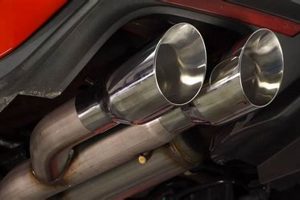
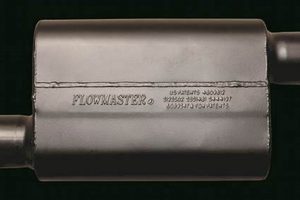
An elevated noise level emanating from the exhaust system during vehicle acceleration typically suggests a compromise in the integrity of the muffler or associated exhaust components. This auditory indication, often characterized by a deeper, more pronounced rumble or even a metallic rattling, points to an inefficiency in the system’s ability to dampen engine exhaust sounds. For example, an automobile that previously operated with a subdued exhaust note now exhibiting a marked increase in volume specifically during periods of increased engine load indicates a potential issue.
Addressing unusual exhaust noises is critical for several reasons. Functionally, a compromised exhaust system reduces fuel efficiency, diminishes engine performance, and contributes to increased emissions. Furthermore, states and municipalities often have noise regulations that vehicles must meet, and excessive exhaust noise can result in citations. Historically, the evolution of exhaust systems reflects a continuing effort to balance power, efficiency, and noise abatement, and maintaining this balance is essential for optimal vehicle operation.
The subsequent sections will delve into the common causes behind atypical exhaust system noises, diagnostic procedures for isolating the source of the problem, and repair or replacement options available to restore the system’s functionality and reduce undesirable auditory outputs.
Addressing Elevated Exhaust Noises During Acceleration
The following guidelines provide insights into managing situations where the exhaust system exhibits increased noise levels when the vehicle accelerates.
Tip 1: Conduct a Visual Inspection: Examine the exhaust system from the manifold to the tailpipe. Look for signs of corrosion, rust, holes, or physical damage. Even small imperfections can compromise the system’s noise reduction capabilities. For example, rust along a weld seam can indicate an impending failure.
Tip 2: Check Exhaust Clamps and Hangers: Ensure that all clamps and hangers are securely fastened and in good condition. Loose or broken components can cause vibrations and noise, particularly during acceleration when the engine produces more force. A rattling sound emanating from underneath the vehicle suggests potential issues with these components.
Tip 3: Inspect the Muffler for Structural Integrity: A deteriorated muffler is a frequent cause of increased exhaust noise. Check for bulging, rust, or other signs of physical breakdown. Internal baffles can corrode and break down, leading to amplified exhaust sounds. A visual inspection might reveal external damage, while internal problems might be deduced from the sound quality.
Tip 4: Evaluate the Catalytic Converter: While less common, a failing catalytic converter can contribute to exhaust noise. Listen for rattling sounds within the converter housing, which may indicate a broken or damaged catalyst. A clogged catalytic converter can also increase backpressure, potentially exacerbating existing exhaust leaks.
Tip 5: Confirm Proper Exhaust System Alignment: Ensure the exhaust system is properly aligned and is not contacting the vehicle’s frame or other components. Contact points can transmit vibrations and amplify noise. Even slight misalignments can lead to increased noise and premature wear.
Tip 6: Consult a Qualified Technician: If the source of the increased noise cannot be readily identified, seek professional diagnosis and repair. A trained technician possesses the tools and expertise to accurately pinpoint the problem and recommend appropriate solutions. Specialized equipment, such as exhaust gas analyzers, can help identify internal engine issues contributing to the noise.
Adhering to these recommendations facilitates prompt detection and resolution of issues related to excessive exhaust noise, leading to improved vehicle performance, regulatory compliance, and a reduction in unwanted auditory output.
The subsequent section will address preventive maintenance strategies designed to minimize the likelihood of exhaust system problems and maintain optimal noise reduction.
1. Corrosion

Corrosion is a significant contributor to increased exhaust noise during vehicle acceleration. The exhaust system, including the muffler, operates in a harsh environment, exposed to high temperatures, moisture, road salts, and corrosive byproducts of combustion. This combination of factors accelerates the oxidation of metallic components, weakening the structure and integrity of the exhaust system. The muffler, designed to dampen exhaust pulses and reduce noise, relies on its sealed construction and internal baffling to function effectively. When corrosion perforates the muffler’s outer shell or compromises internal baffles, the path of exhaust gases is altered, allowing a greater volume of untreated sound to escape. For example, rust forming along a weld seam can create a small hole initially, which grows over time due to continued exposure, eventually resulting in a noticeable increase in exhaust noise, particularly during acceleration when exhaust gas flow is at its peak.
The impact of corrosion on exhaust noise is not limited to the muffler itself. Exhaust pipes, connectors, and hangers are also susceptible to corrosive degradation. Weakened pipe sections can develop cracks or holes, leading to exhaust leaks that amplify noise. Corroded hangers can fail, causing the exhaust system to vibrate against the vehicle’s undercarriage, generating additional rattling sounds. A real-world example involves vehicles operating in regions with heavy winter road salting; these vehicles often exhibit accelerated exhaust system corrosion and related noise issues compared to vehicles in drier climates. Understanding the connection between corrosion and increased exhaust noise allows for targeted inspection and preventative maintenance strategies.
In summary, corrosion is a primary driver of exhaust system degradation, directly contributing to increased noise levels, especially during acceleration. Addressing corrosion through regular inspections, protective coatings, and timely component replacements is essential for maintaining optimal vehicle performance, reducing noise pollution, and preventing costly repairs. The presence of even minor corrosion should be considered a potential indicator of more extensive damage and addressed promptly to prevent escalation into a significant exhaust noise problem.
2. Internal Baffle Damage

Internal baffle damage represents a significant factor in instances where the exhaust system exhibits increased noise during vehicle acceleration. The muffler, a critical component of the exhaust system, relies on a series of internal baffles to attenuate sound waves generated by the engine. When these baffles are compromised, the muffler’s noise-reduction capabilities are diminished, leading to a noticeable increase in exhaust volume, particularly during periods of increased engine load such as acceleration. This disruption of the internal sound wave path directly affects the overall noise profile of the vehicle.
- Baffle Degradation and Material Fatigue
Over time, the materials comprising the internal baffles are subject to thermal stress, corrosion, and mechanical vibration. These factors contribute to material fatigue, weakening the baffles and ultimately leading to structural failure. The high temperatures of exhaust gases, combined with corrosive elements present in the exhaust stream, accelerate the degradation process. For example, a muffler in a vehicle operating primarily in short-trip, stop-and-go conditions may experience more rapid baffle degradation due to the constant heating and cooling cycles, which promote corrosion and material fatigue. This degradation results in reduced sound absorption and increased noise emission during acceleration.
- Disrupted Sound Wave Cancellation
The internal baffles within a muffler are strategically designed to create a complex path for exhaust gases, promoting destructive interference of sound waves. This process, known as sound wave cancellation, effectively reduces the overall noise level. When baffles are damaged or missing, the intended sound wave path is disrupted, and the cancellation effect is significantly diminished. As a result, a greater proportion of the engine’s exhaust noise passes through the muffler unimpeded, leading to a louder exhaust note, especially during acceleration when the engine is producing a higher volume of exhaust gases. For example, a broken baffle can create a direct pathway for exhaust gases, bypassing the intended sound-dampening chambers, resulting in a noticeable increase in noise.
- Rattling and Secondary Noises
Damaged or detached baffles within the muffler can create secondary noise sources, further exacerbating the problem of increased exhaust volume. Loose baffle fragments can rattle against the muffler’s internal walls, producing distinct metallic sounds that are particularly noticeable during acceleration due to increased engine vibrations. These rattling sounds, combined with the amplified exhaust noise, contribute to an overall degradation of the vehicle’s sound quality. The presence of rattling noises is a strong indicator of internal baffle damage and requires prompt attention to prevent further deterioration and potential damage to other exhaust system components.
- Effect on Exhaust Backpressure
While the primary function of baffles is to reduce noise, their condition can indirectly affect exhaust backpressure. Severely damaged or displaced baffles can partially obstruct the exhaust flow, leading to increased backpressure, especially during high-demand scenarios like acceleration. This elevated backpressure can negatively impact engine performance and fuel efficiency in addition to amplifying exhaust noises. For example, a collapsed baffle blocking a significant portion of the exhaust flow can cause the engine to work harder to expel exhaust gases, further increasing the volume and intensity of the emitted noise.
The facets of internal baffle damage collectively contribute to a scenario where the muffler’s ability to effectively dampen exhaust noise is compromised. This is particularly evident during acceleration, when increased engine output generates a higher volume of exhaust gases and, consequently, a greater degree of noise. Regular inspections of the exhaust system, including careful listening for unusual noises, can help identify potential baffle damage early, allowing for timely repairs and preventing further degradation of the vehicle’s performance and sound quality. The interconnection of baffle fatigue, sound wave disruption, secondary noises, and potential backpressure issues underscores the critical role of maintaining baffle integrity within the exhaust system.
3. Exhaust Leakage

Exhaust leakage, the unintended escape of exhaust gases from the exhaust system before reaching the muffler, is a prominent factor contributing to elevated exhaust noise levels, especially during vehicle acceleration. This phenomenon undermines the intended noise-reduction mechanisms of the exhaust system, resulting in an amplified and often distorted auditory output. The location, size, and nature of the leak significantly influence the severity and characteristics of the resulting noise.
- Compromised Noise Cancellation
The exhaust system is designed to manage and mitigate engine noise through a combination of sound wave interference and absorption within the muffler. An exhaust leak disrupts this carefully engineered process. Instead of channeling the exhaust gases directly into the muffler for treatment, the gases escape prematurely, bypassing the muffler’s sound-dampening capabilities. For instance, a leak near the exhaust manifold allows high-pressure exhaust pulses to exit directly into the atmosphere, producing a sharp, distinct hissing or popping sound that intensifies with acceleration. This direct release of untreated exhaust dramatically reduces the muffler’s effectiveness, resulting in a noticeable increase in overall noise levels.
- Amplified Sound Frequencies
Exhaust leaks often generate specific sound frequencies that are not typically present in a properly functioning exhaust system. These frequencies can result from the turbulent flow of gases escaping through the leak point and interacting with surrounding components. A small hole or crack in an exhaust pipe, for example, can act as a whistle, producing a high-pitched sound that becomes more pronounced with increasing engine speed and exhaust gas flow during acceleration. Furthermore, the edges of the leak can vibrate, creating additional rattling or buzzing noises that contribute to the overall increase in perceived loudness. The presence of these extraneous frequencies further distinguishes the sound from the intended, muted exhaust note.
- Resonance Effects
Exhaust leaks can induce resonance effects within the exhaust system, particularly if the leak is located near a specific component such as the catalytic converter or a resonator. The escaping gases can cause the surrounding metal to vibrate at its natural frequency, amplifying the sound and creating a drone or hum that is especially noticeable during acceleration. The frequency and intensity of this resonance depend on the size and shape of the leak, as well as the geometry and material properties of the adjacent components. This phenomenon highlights the complex interplay between exhaust leakage and the overall acoustic characteristics of the exhaust system.
- Increased Turbulence and Pressure Waves
Exhaust leakage introduces turbulence and alters the propagation of pressure waves within the exhaust system. The sudden release of high-pressure exhaust gases through a leak creates localized areas of turbulence that disrupt the smooth flow of gases toward the muffler. These turbulent flows generate additional noise as the gases interact with the surrounding air and components. Moreover, the leakage can alter the timing and amplitude of pressure waves within the exhaust system, potentially causing interference with the muffler’s intended sound-cancellation mechanisms. The combined effect of increased turbulence and altered pressure waves contributes to a more chaotic and louder exhaust sound during acceleration.
The influence of exhaust leakage on exhaust noise underscores the critical importance of maintaining the integrity of the exhaust system. Any breaches in the system’s sealed structure compromise its ability to effectively manage engine noise, particularly during periods of increased engine load. Addressing exhaust leaks through prompt repair or component replacement is essential for restoring optimal noise reduction, improving fuel efficiency, and ensuring regulatory compliance.
4. Mounting Failures

Mounting failures within the exhaust system directly contribute to increased exhaust noise during vehicle acceleration. The integrity of the exhaust system’s mounting points is crucial for maintaining proper alignment and preventing unwanted vibrations and sound amplification. Compromised or broken mounts permit excessive movement, leading to increased noise levels, especially during periods of high engine output.
- Deterioration of Rubber Insulators
Exhaust systems are typically suspended from the vehicle’s undercarriage using rubber insulators. These insulators dampen vibrations and prevent the exhaust system from directly contacting the chassis, thereby reducing noise transmission. Over time, exposure to heat, road salts, and oils causes these rubber components to degrade, losing their elasticity and ability to absorb vibrations. Cracks, tears, or complete separation of the rubber result in metal-on-metal contact, amplifying vibrations and generating rattling or clunking sounds, particularly noticeable during acceleration when engine vibrations are most pronounced. A vehicle with 100,000 miles or more, especially in regions with harsh winters, is likely to exhibit significant deterioration of these rubber mounts.
- Corrosion of Metal Hangers
Metal hangers support the exhaust system’s weight and maintain its position relative to the vehicle’s frame. These hangers are susceptible to corrosion, particularly at weld points and areas exposed to road spray. Rust weakens the metal, potentially leading to breakage. A broken or severely corroded hanger allows the exhaust system to sag or shift, causing it to come into contact with the vehicle’s undercarriage. This contact transmits vibrations and amplifies exhaust noise. A snapping sound when the engine is started, followed by increased exhaust noise, may indicate a broken metal hanger.
- Loose or Missing Mounting Hardware
Exhaust systems are secured to the vehicle using bolts, nuts, and clamps. Over time, these fasteners can loosen due to vibration and thermal cycling. Missing or improperly tightened hardware allows the exhaust system to shift and vibrate excessively. Loose connections between exhaust components can create gaps that allow exhaust gases to leak, further increasing noise levels. For example, a loose clamp at the muffler inlet can cause a whistling sound that becomes more prominent during acceleration.
- Stress Fractures in Exhaust Pipes near Mounts
The points where the exhaust pipes connect to the mounting brackets are subjected to concentrated stress, particularly during vehicle movement and acceleration. Over time, this stress can lead to metal fatigue and the formation of stress fractures in the exhaust pipes near the mounts. These fractures weaken the pipe and allow for increased vibration and noise transmission. In extreme cases, the pipe may completely break at the mount, resulting in a significant increase in exhaust noise and potential damage to other vehicle components.
In summary, mounting failures compromise the integrity of the exhaust system’s suspension, allowing for increased vibration, contact with the vehicle’s frame, and potential exhaust leaks. These factors collectively contribute to increased exhaust noise, especially during acceleration when engine forces are at their peak. Regular inspection and timely replacement of worn or damaged mounting components are crucial for maintaining a quiet and properly functioning exhaust system.
5. Restricted Airflow

Restricted airflow within the exhaust system, though not a direct cause of muffler failure, can significantly influence the sound produced, especially during acceleration. Obstructions or constrictions in the exhaust pathway alter exhaust gas velocity and pressure, potentially exacerbating existing muffler issues or creating new auditory characteristics.
- Catalytic Converter Obstruction
A clogged or partially blocked catalytic converter impedes exhaust gas flow. This restriction increases backpressure within the system, causing exhaust gases to exit at higher velocities through any existing leaks or weakened areas in the muffler. The elevated pressure amplifies the sound emanating from these compromised points, making the muffler seem louder during acceleration. A catalytic converter experiencing internal degradation can create a rattling sound that is accentuated by the increased exhaust flow during acceleration.
- Crimped or Collapsed Exhaust Pipes
Physical damage to exhaust pipes, such as crimps or collapses caused by road debris or accidents, restricts the flow of exhaust gases. Similar to a clogged catalytic converter, this constriction increases backpressure and forces exhaust gases to seek alternative escape routes. If the muffler is weakened or has existing damage, the increased pressure will exacerbate the noise produced, resulting in a louder exhaust note during acceleration. The turbulent flow created by the constriction can also generate whistling or hissing sounds, contributing to the overall increase in noise.
- Muffler Inlet Blockage
Debris accumulating within the muffler inlet, such as rust flakes or carbon deposits, can partially block the flow of exhaust gases. While less common, this blockage creates a localized pressure increase, potentially causing the muffler to resonate at different frequencies. The resulting sound may be perceived as louder or more distorted during acceleration as the engine struggles to expel exhaust gases through the restricted opening. This scenario often manifests as a deep, rumbling sound that intensifies with engine speed.
- Resonator Restriction
Some vehicles incorporate a resonator in the exhaust system to further dampen specific sound frequencies. If the resonator becomes damaged internally, or if debris accumulates within it, the resulting restriction can alter the overall sound profile of the exhaust system. While not always resulting in a louder sound, a restricted resonator can shift the frequency of the exhaust note, potentially making it more noticeable or irritating, particularly during acceleration when the resonator is working hardest to dampen sound. A restricted resonator can cause the exhaust to sound “boomy” or “droning” at certain engine speeds.
These examples demonstrate that restricted airflow, while not directly causing muffler degradation, can significantly impact the sound produced by the exhaust system. By increasing backpressure and altering exhaust gas velocity, restrictions exacerbate existing muffler issues and modify the auditory characteristics of the exhaust note, often leading to a perceived increase in loudness, particularly during acceleration. Addressing these airflow restrictions can help to mitigate excessive exhaust noise and ensure optimal engine performance.
6. Engine Condition
The condition of the engine has a direct and significant influence on the sounds emanating from the exhaust system, particularly during acceleration. Engine malfunctions or irregularities alter the composition, pressure, and flow of exhaust gases, thereby affecting the noise-reduction capabilities of the muffler. A healthy engine produces a consistent and predictable exhaust pulse, which the muffler is designed to dampen effectively. Conversely, an engine experiencing issues generates abnormal exhaust patterns that can overwhelm the muffler’s design parameters, leading to increased noise levels. This connection highlights the importance of considering engine health when diagnosing excessive exhaust noise.
Misfires, for example, introduce unburnt fuel and irregular combustion events into the exhaust stream. These irregular events create pressure spikes that can damage the internal baffles of the muffler over time, reducing its ability to attenuate sound. A worn or improperly adjusted valve train can cause inconsistent exhaust valve closure, resulting in fluctuating exhaust pressures and unusual sounds. Similarly, issues with the engine’s timing can lead to pre-ignition or after-fire, generating sharp, explosive noises within the exhaust system. Moreover, excessive oil consumption, often indicative of worn piston rings or valve seals, results in oil being burned in the combustion chamber. This process produces particulate matter that can accumulate in the catalytic converter and muffler, potentially restricting airflow and altering the sound profile of the exhaust. Consequently, a vehicle with a seemingly intact muffler may exhibit increased exhaust noise during acceleration if the engine is operating in a suboptimal condition. Addressing underlying engine issues is often necessary to resolve persistent exhaust noise problems.
In conclusion, the engine’s operational state is an integral factor in determining the sound characteristics of the exhaust system. Irregular combustion, misfires, valve train problems, and oil consumption directly impact the composition and flow of exhaust gases, thereby influencing the effectiveness of the muffler. Diagnosing increased exhaust noise during acceleration necessitates a comprehensive assessment of engine health, as addressing muffler issues alone may not fully resolve the problem if the underlying cause stems from the engine itself. Recognizing this connection is crucial for accurate diagnosis and effective remediation of exhaust noise problems, ensuring optimal vehicle performance and compliance with noise regulations.
7. Material Degradation
Material degradation is intrinsically linked to the phenomenon of increased exhaust noise during vehicle acceleration. The muffler, tasked with attenuating engine exhaust sounds, relies on the physical integrity and specific acoustic properties of its constituent materials. As these materials degrade over time, the muffler’s ability to effectively dampen noise diminishes, resulting in a perceptible increase in exhaust volume, especially during periods of heightened engine load such as acceleration. The severity of this effect is directly proportional to the extent and nature of the material degradation present.
Common causes of material degradation in mufflers include corrosion, thermal fatigue, and mechanical stress. Corrosion, facilitated by exposure to moisture, road salts, and acidic exhaust gases, weakens the metal structure of the muffler, creating perforations or thinning the material. Thermal fatigue, induced by repeated cycles of heating and cooling, leads to cracking and embrittlement of the metal. Mechanical stress, arising from vibrations and impacts, further contributes to material failure. For example, a muffler constructed from low-grade steel in a region with heavy road salting may exhibit significant corrosion within a few years, resulting in holes that allow exhaust gases to escape prematurely. The increased pressure generated during acceleration exacerbates this leakage, producing a louder and more pronounced exhaust note. Similarly, repeated high-temperature operation can cause the internal baffling of a muffler to warp and fracture, compromising its sound-dampening capabilities. Understanding the specific types of material degradation affecting a muffler provides critical insights into the cause of increased exhaust noise.
In summary, material degradation directly impairs the noise-reduction effectiveness of mufflers, leading to increased exhaust noise, particularly during acceleration. Recognizing the mechanisms of material degradation corrosion, thermal fatigue, and mechanical stress is essential for accurate diagnosis and targeted remediation. Replacing a muffler exhibiting significant material degradation is often the most effective solution for restoring acceptable noise levels and ensuring compliance with noise regulations. Regular inspections and proactive replacement of aging exhaust components can mitigate the impact of material degradation on exhaust noise and overall vehicle performance.
Frequently Asked Questions
The following section addresses common inquiries regarding increased exhaust noise experienced during vehicle acceleration. This information is intended to provide clarity and guidance on diagnosing and resolving related issues.
Question 1: What does increased exhaust noise during acceleration typically signify?
Elevated noise levels emanating from the exhaust system during acceleration generally indicate a compromise in the system’s integrity, most commonly involving the muffler. This may be caused by corrosion, internal baffle damage, exhaust leaks, or mounting failures.
Question 2: Is it safe to continue driving a vehicle exhibiting loud exhaust noise during acceleration?
While not immediately dangerous, prolonged operation with a compromised exhaust system can lead to reduced fuel efficiency, diminished engine performance, and potential exposure to harmful exhaust gases. Furthermore, it may violate local noise ordinances.
Question 3: Can increased exhaust noise impact vehicle performance?
Yes. Exhaust leaks or restrictions caused by a damaged muffler or other exhaust components can alter exhaust backpressure, negatively affecting engine performance, fuel economy, and emissions.
Question 4: Are there specific sounds associated with different types of exhaust system problems?
Yes. A hissing sound often indicates an exhaust leak, a rattling sound may suggest loose internal components within the muffler or catalytic converter, and a deep rumble can signify a compromised muffler or exhaust pipe.
Question 5: Can engine problems contribute to increased exhaust noise?
Indeed. Engine malfunctions such as misfires or worn valve train components can alter the composition and pressure of exhaust gases, leading to increased noise levels and potential damage to the exhaust system.
Question 6: What steps can be taken to prevent or minimize exhaust system problems?
Regular inspections for corrosion, leaks, and damaged components, coupled with timely replacement of worn parts, are essential for maintaining exhaust system integrity and minimizing the risk of increased noise levels. Protective coatings can also help to prevent corrosion.
The information presented above provides a foundation for understanding and addressing issues related to elevated exhaust noise during vehicle acceleration. Further consultation with a qualified automotive technician is recommended for accurate diagnosis and repair.
The following section will delve into preventative maintenance practices that can prolong the lifespan of the exhaust system and minimize the occurrence of unwanted noise.
Muffler Sounds Loud When Accelerating
This exploration of “muffler sounds loud when accelerating” has elucidated the multifaceted nature of this issue, emphasizing the critical role of muffler integrity and overall exhaust system health. Factors ranging from corrosion and internal baffle damage to mounting failures and engine condition contribute to the amplification of exhaust noise during periods of acceleration. Recognizing the interconnectedness of these elements is paramount for effective diagnosis and remediation.
The persistence of elevated exhaust noise not only signifies a potential compromise in vehicle performance and fuel efficiency but also underscores the importance of responsible vehicle maintenance. Proactive inspection, diligent repair, and adherence to preventative maintenance schedules are essential for ensuring optimal operation, mitigating noise pollution, and promoting long-term vehicle reliability. The continued pursuit of quieter and more efficient vehicle technologies remains a critical objective for both manufacturers and vehicle owners alike.