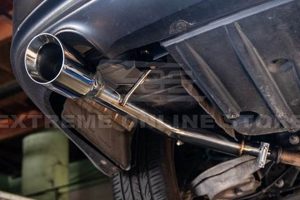
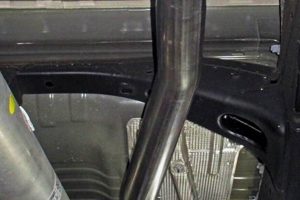
The removal of specific exhaust system components designed to reduce noise levels, namely the muffler and resonator, represents a modification altering a vehicle’s acoustic profile and potentially its performance characteristics. This process directly impacts the sound produced by the engine’s combustion cycle as it exits the exhaust system. For example, performing this alteration on a passenger vehicle typically results in a substantially louder exhaust note.
This modification is often undertaken to achieve a more aggressive and pronounced engine sound. Some proponents believe this enhances the driving experience. Historically, these alterations were more common in motorsports and high-performance vehicles. However, their application has expanded to include vehicles driven on public roads. It’s important to note that removing these components can influence exhaust flow dynamics, potentially impacting engine performance, and that legal ramifications related to noise regulations vary by jurisdiction.
Subsequent sections will delve into the specifics of the procedure, potential performance impacts, legality considerations, and alternatives for those seeking a different exhaust note. These topics will provide a more in-depth understanding of the implications associated with modifying the exhaust system in this manner.
Considerations for Exhaust Modification
Modifying an exhaust system by removing noise-reducing components necessitates careful consideration. Proceeding without adequate knowledge may lead to undesirable outcomes and legal complications.
Tip 1: Research Local Regulations: Prior to any alteration, thoroughly investigate noise ordinances in your area. Many jurisdictions have specific decibel limits and regulations regarding exhaust modifications. Failure to comply can result in fines or vehicle inspection failures.
Tip 2: Assess Potential Performance Impacts: Removing the muffler and resonator can alter exhaust backpressure. While some believe it improves horsepower, the effect is often negligible or even detrimental to performance, particularly in vehicles with sophisticated engine management systems. Consult with a qualified mechanic to evaluate potential impacts on your specific vehicle.
Tip 3: Evaluate the Sound Quality: The resulting sound can be significantly louder and potentially unpleasant. It’s advisable to listen to examples of vehicles with similar modifications before proceeding. Online forums and videos can provide valuable insights.
Tip 4: Consider Drone and Resonance: Without a muffler and resonator, the exhaust system may produce unwanted drone or resonance at certain engine speeds. This can be particularly noticeable during highway driving and can lead to driver fatigue and passenger discomfort.
Tip 5: Factor in Installation Costs: While the physical removal of the muffler and resonator may seem straightforward, proper execution often requires welding and fabrication. Factor in the cost of professional installation to ensure a secure and leak-free exhaust system.
Tip 6: Explore Alternative Options: If the primary goal is an enhanced exhaust note without excessive noise, consider performance mufflers or resonators. These components provide a balance between sound and compliance with noise regulations.
Tip 7: Maintain Original Components: Retain the original muffler and resonator. This allows for easy restoration to the original configuration if desired or required for legal compliance.
Careful planning and research are essential before undertaking alterations to the exhaust system. Understanding the potential legal, performance, and auditory consequences will contribute to a more informed decision.
The following sections will examine the potential benefits and drawbacks associated with this specific type of modification in more detail.
1. Increased Exhaust Volume
Increased exhaust volume is a direct and prominent consequence of removing the muffler and resonator from a vehicle’s exhaust system. These components are specifically designed to attenuate sound waves produced by the engine. Their removal fundamentally alters the sound profile, resulting in a substantially louder exhaust note.
- Elimination of Sound Dampening
Mufflers employ internal baffles and chambers to reduce sound levels by reflecting and absorbing sound waves. Resonators, often smaller than mufflers, are tuned to cancel out specific frequencies that contribute to drone or unwanted noise. Their absence allows exhaust gases to exit with minimal obstruction, leading to a significant increase in decibel levels.
- Exacerbation of Engine Noise
The engine’s combustion process generates considerable noise. Mufflers and resonators are designed to mitigate this noise before it reaches the external environment. When these devices are removed, the raw sound of the engine, including the firing of cylinders and the expulsion of exhaust gases, becomes significantly more audible.
- Environmental Noise Pollution
Increased exhaust volume contributes to environmental noise pollution. In urban areas, elevated noise levels can disrupt daily life and potentially impact public health. Certain communities and neighborhoods have implemented strict noise ordinances to address this issue.
- Potential Legal Ramifications
Many jurisdictions have regulations governing vehicle noise levels. Exceeding these limits can result in fines, citations, or mandatory vehicle inspections. Enforcement varies by location, but consistently violating noise ordinances can lead to more severe penalties.
The direct correlation between the removal of mufflers and resonators and the resulting increased exhaust volume is undeniable. While some individuals seek a louder exhaust note for aesthetic or perceived performance reasons, the ramifications, including potential legal issues and contributions to environmental noise pollution, must be carefully considered. The subsequent consequences of this modification warrant careful evaluation.
2. Altered Exhaust Tone
The removal of mufflers and resonators from a vehicle’s exhaust system invariably results in a distinct alteration of the exhaust tone. This modification transforms the sound profile from one that is typically subdued and refined to one that is often characterized by increased volume, rawness, and a more aggressive character. The extent and specific nature of this alteration are influenced by factors such as engine configuration, exhaust system design, and the presence of other aftermarket components.
- Shift in Frequency Spectrum
Mufflers and resonators are tuned to attenuate specific frequencies within the exhaust sound spectrum. Their removal allows a broader range of frequencies to become audible, leading to a more complex and often harsher sound. Lower frequencies may become more prominent, contributing to a deeper rumble or growl. The absence of sound dampening allows higher frequencies to emerge, resulting in a sharper, more metallic sound.
- Increased Harmonics and Overtones
Harmonics and overtones are additional frequencies that accompany the fundamental frequency of the engine’s combustion cycle. Mufflers and resonators often suppress these overtones to create a smoother, more refined sound. Removing these components allows the harmonics and overtones to become more pronounced, contributing to a richer, more complex sound. This can be desirable for some enthusiasts, but can also lead to a sound that is perceived as unrefined or even abrasive.
- Amplification of Engine Characteristics
The alteration in exhaust tone often amplifies the inherent sound characteristics of the engine itself. For example, a V8 engine might produce a more guttural and throaty sound, while an inline-four engine might exhibit a raspier, more high-pitched tone. The absence of muffling allows the engine’s natural sound to become more prominent, emphasizing its unique sonic signature.
- Potential for Undesirable Sounds
While some individuals seek an enhanced exhaust note, the removal of mufflers and resonators can sometimes result in undesirable sounds. These can include raspiness, popping, or excessive drone. These unwanted sounds can detract from the overall driving experience and may be considered objectionable by some individuals.
The altered exhaust tone resulting from this modification is a defining characteristic and a primary motivation for many who undertake it. However, it is essential to recognize that the resulting sound is subjective and may not be universally appealing. Consideration should be given to the potential for undesirable sounds and the impact on the overall driving experience before proceeding with the removal of these components.
3. Potential Performance Changes
The removal of mufflers and resonators, while primarily intended to alter the exhaust sound, can also introduce subtle yet consequential changes in engine performance. These changes are often debated, with anecdotal claims of horsepower gains often exceeding verifiable data. The actuality of performance enhancement hinges on several factors, including the vehicle’s engine management system, exhaust system design, and the inherent characteristics of the engine itself. Altering the exhaust flow dynamics through the removal of these components may impact backpressure, a crucial element in optimizing engine efficiency. In some instances, reduced backpressure can facilitate more efficient exhaust scavenging, leading to a marginal increase in power, particularly at higher engine speeds. Conversely, excessively reduced backpressure can negatively affect low-end torque and overall engine responsiveness.
Modern vehicles equipped with sophisticated engine management systems and forced induction (turbocharging or supercharging) are more likely to exhibit measurable performance changes as a result of exhaust modifications. These systems are capable of adapting to changes in exhaust flow, potentially optimizing fuel delivery and ignition timing to capitalize on any reduction in backpressure. However, naturally aspirated engines, particularly those with less advanced engine management, may not benefit significantly from the removal of mufflers and resonators. In some cases, the change can even lead to a decrease in performance due to a disruption of the carefully calibrated exhaust system. A common scenario involves vehicles with overly restrictive factory exhaust systems; in these instances, removing the muffler and resonator can provide a noticeable improvement in throttle response and a slight power increase, but this is typically accompanied by a significant increase in exhaust noise.
In summary, while the promise of increased horsepower often accompanies discussions of muffler and resonator deletion, the reality is far more nuanced. Any potential performance change is highly dependent on the specific vehicle, its engine characteristics, and the overall exhaust system design. It is essential to temper expectations and recognize that the primary outcome of such modifications is a change in exhaust sound, with performance changes often being marginal or even negative. Prior consultation with a qualified automotive technician is advisable to assess the potential impact on a specific vehicle.
4. Legality and Compliance
The legal ramifications of modifying a vehicle’s exhaust system by removing mufflers and resonators represent a critical consideration. Jurisdictions worldwide have enacted regulations governing vehicle noise emissions, and alterations that contravene these statutes can lead to significant penalties. Understanding and adhering to these regulations is paramount for vehicle owners contemplating such modifications.
- Noise Ordinances and Decibel Limits
Many municipalities and states enforce noise ordinances that establish maximum permissible decibel levels for vehicle exhaust. These limits are often measured at a specified distance from the vehicle while it is idling or under acceleration. Modifying an exhaust system by removing components designed to reduce noise invariably increases decibel output, potentially exceeding these limits. Violation of noise ordinances can result in fines, citations, or mandatory vehicle inspections to restore compliance. For example, California Vehicle Code Section 27150 prohibits modifications that cause excessive noise, and enforcement is common in urban areas.
- Federal Regulations and EPA Standards
The United States Environmental Protection Agency (EPA) sets federal standards for vehicle emissions and noise. While the EPA primarily regulates manufacturers, modifications that render a vehicle non-compliant with these standards can have legal consequences. Removing a catalytic converter, for instance, is a federal offense, as it directly affects emissions. Although muffler and resonator removal does not directly impact emissions in the same way, consistently exceeding local noise limits can attract scrutiny from regulatory agencies.
- State Vehicle Codes and Inspection Requirements
Individual states have their own vehicle codes that supplement federal regulations. These codes often include specific provisions related to exhaust system modifications and noise levels. Some states conduct regular vehicle inspections that include checks for exhaust system integrity and compliance with noise standards. Failure to pass these inspections can prevent vehicle registration renewal. For instance, some states may visually inspect for the presence of a muffler and resonator, even if the vehicle does not exceed specific decibel limits.
- Enforcement Practices and Potential Penalties
Enforcement practices vary widely depending on the jurisdiction. Some areas may have dedicated noise enforcement units, while others rely on routine traffic stops to identify violations. Penalties for non-compliance can range from minor fines to more severe consequences, such as vehicle impoundment or mandatory court appearances. Furthermore, repeated violations can lead to increased scrutiny and more substantial penalties. Ignorance of local regulations is not a valid defense, highlighting the importance of researching and understanding applicable laws before undertaking any exhaust system modifications.
The legal landscape surrounding exhaust modifications is complex and subject to change. The interaction between federal, state, and local regulations creates a web of potential compliance issues. Careful consideration of these legal aspects, coupled with thorough research and adherence to applicable laws, is essential to avoid the potential penalties associated with non-compliant exhaust systems.
5. Drone and Resonance
The removal of mufflers and resonators from a vehicle’s exhaust system frequently leads to an amplification of undesirable acoustic phenomena known as drone and resonance. These effects manifest as persistent, low-frequency humming or booming sounds within the vehicle’s cabin, often concentrated within specific engine speed ranges, creating discomfort and detracting from the driving experience.
- Frequency Amplification
Mufflers and resonators are designed to attenuate specific sound frequencies produced by the engine’s exhaust. Their removal allows these frequencies to propagate unhindered, leading to the amplification of certain tones. Drone typically occurs at low frequencies (e.g., 100-200 Hz), while resonance can manifest at slightly higher frequencies. The specific frequencies amplified depend on the exhaust system’s geometry and the engine’s characteristics. A poorly designed exhaust setup without mufflers or resonators can create an echo chamber effect, amplifying these unwanted frequencies.
- Harmonic Oscillation
Engine exhaust pulses create a series of harmonic oscillations within the exhaust system. Mufflers and resonators disrupt these oscillations, minimizing their audibility. Removing these components allows the harmonic oscillations to become more pronounced, resulting in a sustained, droning sound, particularly at cruising speeds. The length and diameter of the exhaust piping significantly influence the frequencies at which these harmonic oscillations occur, leading to variations in the severity and nature of the drone.
- Cabin Resonance Coupling
The vehicle’s cabin itself can act as a resonant chamber, amplifying certain frequencies that are transmitted through the chassis from the exhaust system. The removal of mufflers and resonators increases the overall sound energy entering the cabin, exacerbating this coupling effect. This phenomenon can transform a mild exhaust note into an overwhelming and intrusive sound experience, especially on long journeys. Factors such as cabin volume, upholstery materials, and window construction influence the specific frequencies that are amplified within the cabin.
- Material Vibration
The increased sound pressure levels resulting from the removal of mufflers and resonators can induce vibrations in various vehicle components, such as exhaust piping, body panels, and interior trim. These vibrations can contribute to the overall perception of drone and resonance, adding unwanted noise and potentially leading to rattling or buzzing sounds. The use of sound-deadening materials and proper exhaust system mounting can help mitigate these effects, but are often insufficient to completely eliminate the issue without the presence of mufflers and resonators.
In conclusion, drone and resonance are inherent consequences of modifying an exhaust system through the removal of components designed to attenuate sound. These effects stem from the amplification of specific frequencies, harmonic oscillations, cabin resonance coupling, and material vibration. While a louder exhaust note may be desired, the potential for these undesirable acoustic effects should be carefully considered before undertaking such modifications, as they can significantly detract from the overall driving experience and cabin comfort.
6. Installation Requirements
The process of removing mufflers and resonators from a vehicle’s exhaust system, while seemingly straightforward, necessitates adherence to specific installation requirements to ensure a secure, functional, and legally compliant outcome. These requirements span from component selection and modification techniques to the tools and expertise needed for a successful alteration. Neglecting these requirements can lead to exhaust leaks, compromised vehicle performance, and potential legal ramifications.
- Cutting and Welding Expertise
The physical removal of mufflers and resonators typically involves cutting the existing exhaust piping. This requires precision to avoid damaging surrounding components and to ensure a clean cut for subsequent welding. Welding new sections of pipe to bridge the gaps created by the removal is essential. Improper welding can result in exhaust leaks, which not only compromise performance but also pose safety hazards. The use of appropriate welding techniques, such as MIG or TIG welding, along with suitable welding rods or wire, is crucial for creating strong and durable joints. Professional welding expertise is often recommended to ensure structural integrity and leak-free connections.
- Exhaust Tubing Selection and Fabrication
After removing the mufflers and resonators, replacement sections of exhaust tubing are typically needed to connect the remaining portions of the exhaust system. Selecting the appropriate tubing diameter and material is crucial for maintaining proper exhaust flow. Stainless steel is a common choice due to its durability and corrosion resistance, while aluminized steel offers a more cost-effective alternative. The replacement tubing may require bending and shaping to conform to the vehicle’s undercarriage. This fabrication process demands specialized tools, such as pipe benders and flaring tools, as well as a thorough understanding of exhaust system geometry.
- Hanger Modification and Support
Mufflers and resonators are typically supported by hangers that attach to the vehicle’s chassis. When these components are removed, the remaining exhaust system may require additional support to prevent excessive stress on other parts. Fabricating and installing new hangers or modifying existing ones is essential to ensure the long-term stability of the exhaust system. Insufficient support can lead to premature failure of exhaust components and potential damage to the vehicle’s undercarriage.
- Legal Compliance Considerations
Installation requirements also extend to ensuring compliance with local noise regulations. While the primary focus is on the physical modifications, consideration must be given to the resulting exhaust sound levels. Installing aftermarket components, such as resonators designed to reduce drone, may be necessary to mitigate excessive noise. Furthermore, ensuring that the modifications do not violate any emissions regulations is crucial for maintaining legal compliance. Documenting the installation process and retaining original components can be beneficial in demonstrating adherence to applicable laws.
The installation requirements associated with removing mufflers and resonators encompass a blend of technical expertise, fabrication skills, and regulatory awareness. Proper execution necessitates careful planning, the use of appropriate tools and materials, and adherence to safety protocols. While the allure of an enhanced exhaust note may be strong, prioritizing proper installation ensures a functional, durable, and legally compliant outcome. These measures directly impact the long-term performance and safety of the vehicle following alteration.
7. Resale Value Impact
Modifications to a vehicle’s exhaust system, specifically the removal of mufflers and resonators, can exert a discernible influence on its subsequent resale value. The alteration shifts the vehicle from its original, factory-specified condition, a factor that weighs negatively in the assessment conducted by prospective buyers and automotive valuation professionals. This is primarily attributable to the perception that such modifications often indicate a disregard for long-term maintenance and an emphasis on short-term, subjective enhancements. For instance, a consumer evaluating two otherwise identical vehicles is likely to favor the unmodified vehicle, assuming it represents a more reliable and predictable ownership experience. In this context, removing these components can effectively diminish the pool of potential buyers, limiting the opportunities for a competitive sale.
The impact on resale value is further compounded by the potential for legal and regulatory non-compliance arising from these modifications. Many jurisdictions maintain noise ordinances that prohibit excessive vehicle sound emissions. A vehicle with a modified exhaust system that violates these ordinances may require costly restoration to its original configuration before it can be legally sold or registered in certain areas. This burden falls on the seller, who may be forced to reduce the asking price to compensate for the necessary repairs or modifications. Furthermore, modifications can negatively impact the perception of the vehicle’s overall condition, causing it to be seen as poorly maintained and potentially unreliable. A dealer, for example, might offer a significantly lower trade-in value due to the expense and effort required to bring the vehicle back to its original, legally compliant state.
In summary, while the immediate appeal of an altered exhaust note may be present, the long-term financial implications for resale value warrant careful consideration. The perceived reduction in vehicle reliability, the potential for legal non-compliance, and the limited appeal to a broad range of buyers all contribute to a diminished market value. Consequently, individuals considering these modifications should factor in the potential financial impact at the time of future vehicle disposition, recognizing that the modification may ultimately prove to be a costly aesthetic choice.
Frequently Asked Questions
The following questions address common concerns and misconceptions surrounding the alteration of a vehicle’s exhaust system through the removal of specific components. These answers provide factual information to aid in informed decision-making.
Question 1: Does removing the muffler and resonator automatically increase horsepower?
No, the assumption that removing these components inherently boosts horsepower is often unfounded. While it can alter exhaust flow, the actual impact on engine output is highly variable and depends on the vehicle’s design and engine management system. In some instances, the change can even reduce performance.
Question 2: Is it legal to drive a vehicle with a muffler and resonator removed?
The legality varies significantly depending on the jurisdiction. Many areas have noise ordinances that set maximum decibel limits for vehicle exhaust. Removing these components often increases sound levels, potentially violating these regulations and resulting in fines or citations.
Question 3: Will removing these components cause the check engine light to illuminate?
In most instances, the removal will not directly trigger a check engine light. However, if the modification disrupts the oxygen sensor readings or exhaust backpressure to a significant degree, it could indirectly affect the engine management system and cause a fault code to be registered.
Question 4: Does this modification significantly impact fuel economy?
The impact on fuel economy is typically minimal. While altered exhaust flow can theoretically influence fuel efficiency, the real-world difference is often negligible and difficult to measure without controlled testing.
Question 5: What is the primary purpose of removing the muffler and resonator?
The primary motivation is usually to alter the exhaust sound, creating a louder and more aggressive tone. The modification is pursued for aesthetic or subjective reasons rather than for guaranteed performance gains.
Question 6: How does this modification affect the vehicle’s emissions?
Removing the muffler and resonator does not directly affect the vehicle’s emissions control system, provided the catalytic converter remains in place. The muffler and resonator are primarily noise-reducing components and do not play a direct role in emissions reduction.
Key takeaway: Modifying an exhaust system involves complex considerations beyond simply increasing sound volume. Regulatory compliance, potential performance impacts, and long-term value must be carefully evaluated.
The subsequent section will provide information on alternatives to removing these components for individuals seeking a different exhaust note.
Conclusion
The exploration of “muffler delete and resonator delete” reveals a multifaceted modification with implications extending beyond mere acoustic alteration. The removal of these exhaust components directly impacts exhaust volume and tone, potentially altering vehicle performance and raising concerns regarding legal compliance. Installation considerations, coupled with the possibility of increased drone and reduced resale value, demand a thorough assessment before proceeding.
In light of the various factors presented, a measured approach is advisable. Individuals considering “muffler delete and resonator delete” should conduct comprehensive research, assess local regulations, and weigh the potential benefits against the inherent drawbacks. Informed decision-making is paramount in navigating the complexities associated with this exhaust system modification.