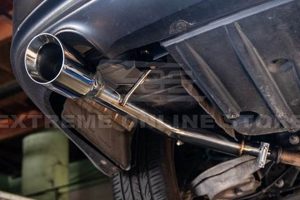
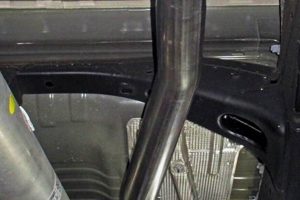
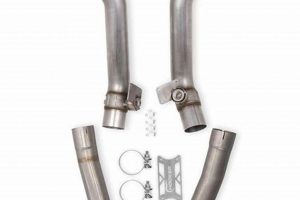
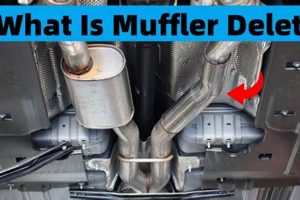
The central question concerns the power gains resulting from removing the muffler, a component of a vehicle’s exhaust system. This modification alters the flow of exhaust gases. The extent of any power increase is contingent on various factors including the vehicle’s engine, existing exhaust system, and other performance modifications.
The perceived benefit often involves an alteration of the vehicle’s sound profile, resulting in a louder and, to some, more aggressive exhaust note. Historically, modifications to exhaust systems were a relatively inexpensive method to attempt increased performance, particularly on older vehicles with restrictive factory systems. However, modern vehicles often have well-engineered exhaust systems, mitigating the potential benefits of such a simple alteration.
Subsequent sections will delve into the typical range of horsepower gains (if any), potential drawbacks such as increased noise levels and regulatory compliance, and the relationship between exhaust flow, backpressure, and overall engine performance. Furthermore, alternative modifications that may offer more substantial and reliable power increases will be explored.
Considerations Regarding Muffler Deletion and Horsepower Augmentation
A muffler delete, as a modification, may present certain considerations. The information provided herein is designed to offer a perspective on the practice and its ramifications.
Tip 1: Assess Existing Exhaust System Efficiency: Evaluate the existing exhaust system for flow restrictions prior to considering a muffler delete. Modern vehicles often possess well-designed systems; a muffler delete may offer minimal power increase if the primary restriction lies elsewhere, such as in the catalytic converter or exhaust manifold.
Tip 2: Understand Potential Backpressure Effects: The relationship between backpressure and engine performance is complex. While excessive backpressure hinders performance, a complete absence can also be detrimental. Some engines require a degree of backpressure for optimal torque production.
Tip 3: Quantify Expected Horsepower Gains: Horsepower gains from a muffler delete are generally modest and variable. Expect a gain in the range of 0-5 horsepower on most naturally aspirated vehicles. Forced induction vehicles may see slightly higher gains, but the gains are often not significant.
Tip 4: Address Noise Level Implications: A muffler delete invariably increases exhaust noise. Ensure the resulting noise level is acceptable for both personal preferences and local regulations. Excessive noise can result in fines or vehicle inspection failures.
Tip 5: Compliance with Legal Regulations: Research local, state, and federal regulations regarding exhaust modifications. Many jurisdictions have noise level restrictions and require functioning emissions control devices. A muffler delete may render a vehicle non-compliant, potentially leading to legal consequences.
Tip 6: Investigate Alternative Performance Enhancements: Explore more comprehensive exhaust system upgrades, such as cat-back systems or full exhaust systems, which are designed to optimize exhaust flow while maintaining acceptable noise levels and emissions compliance. These systems often yield more substantial and reliable performance gains.
Tip 7: Consider Professional Installation and Tuning: If opting for a muffler delete, consider professional installation to ensure proper fitment and avoid exhaust leaks. A professional tuner can also optimize engine parameters to capitalize on any performance gains, though the modest nature of gains must be remembered.
The information provided suggests the effect on power output is not significant and other factors merit attention. Further investigation should be undertaken before deciding on this modification.
The subsequent sections of this resource explore alternatives to a muffler delete that may offer more pronounced performance enhancements while remaining within legal and practical boundaries.
1. Minimal Increase

The term “Minimal increase” is central to understanding the realistic impact of a muffler delete on horsepower. It acknowledges that the modification’s effect on power output is often less substantial than commonly perceived, requiring a nuanced understanding of engine dynamics and exhaust system functionality.
- Engine Design and Efficiency
Modern engines are often designed with optimized exhaust systems. Removing the muffler, which primarily affects sound dampening, may not significantly alter the overall flow dynamics. Consequently, the restrictive components are often located elsewhere within the system, like the catalytic converter. An engine already operating efficiently may exhibit a marginal increase in power, typically within a range of 0-5 horsepower, a difference often imperceptible without specialized testing equipment.
- Backpressure Considerations
The alteration of backpressure is a critical factor. While excessive backpressure is detrimental to performance, a complete absence can also hinder it. Some engines rely on a certain level of backpressure for optimal cylinder scavenging and torque production. A muffler delete can reduce backpressure beyond the engine’s ideal operating range, resulting in minimal, or even negative, horsepower gains, especially in lower RPM ranges.
- Impact on Torque Curve
The primary effect of a muffler delete is often a shift in the torque curve rather than a substantial peak horsepower increase. The modification might lead to a slight improvement in top-end power at high RPMs, but this comes at the expense of low-end torque. This shift can make the vehicle feel slower and less responsive in everyday driving situations, negating any perceived benefit from the nominal horsepower increase.
- Measurement Variability and Perception
The measurement of horsepower gains resulting from a muffler delete can be highly variable and sensitive to testing conditions. Minor fluctuations in temperature, humidity, or dyno calibration can overshadow the minimal gains. Moreover, the increased exhaust noise often creates a subjective perception of increased power, even if the actual performance improvement is negligible.
In summation, the “minimal increase” in horsepower associated with a muffler delete underscores the importance of approaching such modifications with realistic expectations. The potential benefits are often outweighed by factors such as torque curve alterations, increased noise, and legal considerations. Alternatives such as cat-back systems and performance mufflers offer a more balanced approach to enhancing both performance and sound, highlighting the importance of comprehensive exhaust system design over simple deletions.
2. Engine dependency
The potential horsepower gain from a muffler delete is heavily dependent on engine characteristics. This “engine dependency” is a critical element of the equation when evaluating the impact of this modification. Different engine designs, displacement sizes, and aspiration methods react uniquely to changes in exhaust flow, directly influencing the magnitude of any performance enhancement. A blanket assumption that a muffler delete uniformly increases horsepower across all vehicles is inaccurate.
For example, a small displacement, naturally aspirated four-cylinder engine typically exhibits a marginal response to a muffler delete. The factory exhaust system is often adequately sized for the engine’s airflow demands, rendering the muffler a minor point of restriction. In contrast, a turbocharged engine, where exhaust gases drive the turbocharger, may demonstrate a slightly greater improvement. Reducing backpressure downstream of the turbocharger can enhance turbine efficiency, resulting in a noticeable, albeit often still small, increase in boost and, consequently, horsepower. Similarly, a high-performance V8 engine, designed for substantial airflow, may experience a modest gain, but the specific design of the exhaust manifolds and catalytic converters often presents more significant bottlenecks than the muffler itself. Examples of vehicles where a muffler delete shows minimal gains include smaller Honda Civic, Toyota Corolla, or Mazda Miata models. Engines with comprehensive after market exhaust systems and larger forced induction engines show better result of muffler delete.
In conclusion, understanding the engine’s specific design and operational characteristics is paramount in predicting the impact of a muffler delete. While some engines may exhibit a modest horsepower increase, others may show negligible or even negative results. Focusing solely on the muffler while neglecting other potential restrictions in the exhaust system, such as catalytic converters or manifold design, often leads to unrealistic expectations. Therefore, evaluating the complete exhaust system and considering the engine’s airflow requirements is essential for an informed decision.
3. Backpressure changes

Alterations to backpressure within the exhaust system represent a crucial factor in assessing the horsepower gains attributable to a muffler delete. Backpressure, defined as the resistance to exhaust gas flow, influences engine performance in complex ways. While excessive backpressure impedes efficient scavenging of exhaust gases from the cylinders, potentially reducing power output, a complete lack of backpressure can also be detrimental. A muffler delete, by reducing a portion of the exhaust system’s resistance, invariably alters this backpressure profile. The consequential impact on horsepower is contingent on the engine’s design and its intended operating parameters. For example, an engine designed with a specific amount of backpressure to optimize torque in the low to mid-range RPMs may experience a decrease in performance in these ranges following a muffler removal, as the altered backpressure can negatively affect cylinder filling and scavenging efficiency. However, at higher RPMs, where exhaust gas volume is significantly increased, the reduced backpressure could facilitate greater flow, potentially leading to a marginal horsepower increase.
The practical significance of understanding backpressure changes lies in avoiding unrealistic expectations regarding horsepower gains. A common misconception is that any reduction in backpressure invariably results in increased power. However, many modern engines are engineered with exhaust systems that strike a balance between flow efficiency and backpressure optimization. Removing the muffler, without addressing other potential restrictions or recalibrating the engine management system, can disrupt this balance, leading to suboptimal performance. For instance, on vehicles equipped with variable valve timing systems, which rely on precise exhaust gas dynamics for optimal operation, a muffler delete may interfere with the system’s effectiveness, mitigating any potential horsepower gains.
In summary, changes in backpressure resulting from a muffler delete exert a variable and often subtle influence on horsepower. The outcome depends heavily on the specific engine design, operating RPM range, and the overall efficiency of the exhaust system. The assumption that reducing backpressure unilaterally increases power is not valid. Thorough assessment of the engine’s characteristics and a comprehensive understanding of exhaust gas dynamics are necessary to predict the impact of a muffler delete accurately. If increased horsepower is the objective, exploring more comprehensive exhaust system upgrades designed to optimize flow and backpressure in conjunction with engine tuning may prove more beneficial and predictable than a simple muffler removal.
4. Exhaust velocity

Exhaust velocity, the speed at which exhaust gases exit the system, is intrinsically linked to the impact of a muffler delete on horsepower. Removing the muffler directly influences exhaust gas flow dynamics, affecting velocity. This, in turn, alters engine performance. An optimal exhaust system facilitates swift evacuation of spent gases from the cylinders, which contributes to improved volumetric efficiency and, consequently, increased horsepower. A muffler delete, while intended to reduce restriction, may not always optimize exhaust velocity effectively. An improperly designed exhaust system, even without a muffler, can create turbulence and hinder gas flow, negating potential horsepower gains. For instance, simply removing a muffler without considering the diameter of the exhaust piping can lead to expansion and slowing of exhaust gases, reducing velocity and potentially diminishing power output.
The practical significance of understanding exhaust velocity in the context of a muffler delete lies in appreciating the nuanced interplay of exhaust system components. Increasing exhaust velocity is not solely about removing restrictions; it requires careful consideration of pipe diameter, bend angles, and overall system design. A real-world example would be a vehicle with a relatively small displacement engine. Removing the muffler might lead to an expansion of the exhaust gases into the larger space previously occupied by the muffler, causing a decrease in velocity and potentially harming low-end torque. Conversely, on a high-performance engine, a muffler delete might reduce backpressure enough to allow for a slight increase in exhaust velocity at higher RPMs, contributing to a marginal horsepower gain.
In conclusion, exhaust velocity plays a critical role in determining the horsepower impact of a muffler delete. Merely removing the muffler without considering its effect on gas flow dynamics can lead to unpredictable results. A well-designed exhaust system prioritizes both reduced restriction and optimized velocity to maximize engine performance. Evaluating the entire exhaust system and ensuring that modifications enhance, rather than hinder, exhaust gas speed is essential for realizing any potential power gains. Understanding this link between exhaust velocity and power allows for more informed decisions about exhaust modifications and their likely impact on engine performance.
5. Noise amplification

Noise amplification is an inherent consequence of a muffler delete, representing a significant trade-off when considering potential horsepower gains. The muffler’s primary function is sound attenuation; its removal invariably leads to a substantial increase in exhaust noise. While some perceive this amplified sound as an indication of increased power, the reality is often disproportionate. The correlation between noise amplification and actual horsepower increase is weak. The increased sound does not directly translate to a substantial gain in engine output. The perceived power increase is often a sensory illusion due to the aggressive exhaust note, not a measurable improvement in performance. Examples of this phenomenon are readily observed. Vehicles undergoing a muffler delete exhibit a marked increase in decibel levels, yet dyno tests frequently reveal minimal horsepower gains, often within a range of 0-5 horsepower on naturally aspirated engines. The practical significance of understanding this disconnect is crucial, particularly in regions with strict noise regulations. Noise amplification, while subjectively appealing to some, can lead to legal repercussions, including fines or vehicle inspection failures.
Further analysis reveals that the character of the amplified noise is also noteworthy. Muffler deletes often produce a harsh, raspy exhaust note that can be perceived as unrefined, particularly on vehicles not specifically designed for performance. The sound quality differs significantly from that of a properly engineered performance exhaust system, which is typically tuned to produce a deep, resonant tone without excessive loudness. Moreover, the amplified noise can contribute to driver fatigue, especially during extended periods of driving. The constant drone of the exhaust can be mentally taxing, offsetting any perceived benefits of the increased sound. The installation of aftermarket performance exhaust systems, designed to balance sound and performance, can offer a compromise by providing an enhanced exhaust note without the excessive noise amplification associated with a muffler delete. These systems are often engineered to meet noise regulations while optimizing exhaust flow.
In conclusion, noise amplification is an unavoidable side effect of a muffler delete, often overshadowing the modest horsepower gains. While the increased sound may create a subjective impression of enhanced performance, objective measurements often reveal negligible improvements. The practical challenges associated with noise regulations, driver fatigue, and the unrefined sound quality underscore the importance of carefully weighing the trade-offs before opting for a muffler delete. Alternative exhaust modifications, designed to strike a balance between performance and sound, represent a more prudent approach for individuals seeking both enhanced engine output and a pleasant driving experience.
6. Legality concerns

The impact of a muffler delete on vehicle legality is significant and often overshadows any potential horsepower gains. These concerns are deeply rooted in noise regulations, emissions standards, and local laws governing vehicle modifications. The extent of these concerns varies widely depending on jurisdiction, but the potential consequences of non-compliance are universal.
- Noise Ordinance Violations
Most jurisdictions have established noise ordinances to regulate vehicle sound emissions. A muffler delete substantially increases exhaust noise, often exceeding permissible decibel limits. The severity of penalties for violating these ordinances ranges from warnings and fines to vehicle impoundment. The pursuit of a marginal horsepower increase can thus lead to financial penalties and legal complications. For example, many urban areas conduct routine traffic stops where vehicles suspected of excessive noise are tested using decibel meters. If the vehicle fails to meet the specified standards, the driver receives a citation.
- Emissions Control Tampering
While a muffler is not directly involved in emissions control, its removal can indirectly affect emissions system performance. Some jurisdictions interpret modifications to the exhaust system as potential tampering with emissions controls, especially if the modifications cause the vehicle to fail emissions testing. Even if a muffler delete itself does not directly cause emissions failure, it can draw unwanted attention from regulatory agencies. In some states, annual vehicle inspections include a visual inspection of the exhaust system to ensure all original equipment is present and functioning. A missing muffler would be a clear indication of tampering.
- Vehicle Inspection Failures
Many states and municipalities mandate periodic vehicle inspections to ensure compliance with safety and emissions standards. A muffler delete typically results in an automatic inspection failure due to the missing component and increased noise levels. The vehicle cannot be legally operated on public roads until the issue is rectified and the vehicle passes inspection. This necessitates reinstalling a compliant muffler system, effectively negating any perceived horsepower benefits from the deletion.
- Liability and Insurance Implications
Modifying a vehicle in a manner that violates local laws can have implications for insurance coverage. In the event of an accident, insurance companies may deny coverage if the vehicle is found to be non-compliant with safety or emissions regulations. The presence of a muffler delete could be interpreted as negligence, increasing the driver’s liability in the event of an incident. Consequently, a minor horsepower gain is outweighed by the potential risk of financial exposure and legal ramifications.
In conclusion, the pursuit of a minor horsepower increase through a muffler delete carries significant legal risks. Noise ordinance violations, emissions control tampering concerns, vehicle inspection failures, and potential insurance implications all represent substantial drawbacks. It is imperative to consider these legality concerns thoroughly before undertaking such a modification, as the potential consequences far outweigh any perceived performance benefit. Alternative methods of enhancing vehicle performance, such as installing compliant aftermarket exhaust systems or engine tuning, offer a more prudent and legally sound approach.
Frequently Asked Questions
The following addresses common inquiries regarding the effects of removing a muffler on a vehicle’s engine power output. It aims to clarify misconceptions and provide factual information.
Question 1: How much horsepower is typically gained from a muffler delete?
The gain is typically minimal, often ranging from 0 to 5 horsepower on most naturally aspirated engines. Forced induction engines may see a slightly higher increase, but the gains remain modest.
Question 2: Is the horsepower increase from a muffler delete noticeable in everyday driving?
The modest horsepower gain is often imperceptible under normal driving conditions. Any perceived increase may be attributed to the change in exhaust sound rather than an actual performance improvement.
Question 3: Does a muffler delete affect torque as well as horsepower?
A muffler delete can influence the torque curve. The adjustment may result in a decrease in low-end torque, trading it for a marginal top-end horsepower increase. This trade is not necessarily beneficial for daily driving.
Question 4: Are there any downsides to removing a muffler, besides the noise?
Potential downsides include increased drone at highway speeds, which can be fatiguing, potential legal ramifications due to noise ordinance violations, and the possibility of interfering with exhaust gas scavenging, potentially harming performance.
Question 5: Does the engine type influence the effectiveness of a muffler delete?
Engine type significantly impacts the outcome. Turbocharged engines may exhibit slightly more gains due to reduced backpressure, while smaller naturally aspirated engines typically demonstrate minimal performance differences.
Question 6: Are there alternative modifications that offer more substantial horsepower gains?
Yes. Comprehensive exhaust system upgrades, such as cat-back systems or full exhaust systems paired with ECU tuning, generally provide more predictable and substantial horsepower improvements while maintaining better control over noise levels and emissions.
In summary, a muffler delete offers minimal and often unnoticeable horsepower gains, accompanied by significant increases in exhaust noise and potential legal issues. Thoroughly assessing the potential benefits and drawbacks before proceeding with this modification is crucial.
The subsequent article section will explore viable alternatives and more comprehensive exhaust system upgrades for those seeking noticeable performance improvements.
The Horsepower Reality of Muffler Deletion
This exploration of how much horsepower a muffler delete adds reveals that the potential gains are generally minimal and highly variable. Factors such as engine type, exhaust system design, and the alteration of backpressure influence the outcome, often resulting in negligible or even detrimental effects on overall performance. Furthermore, associated drawbacks, including increased noise levels and legal compliance concerns, frequently outweigh any perceived benefit.
The pursuit of enhanced vehicle performance demands a comprehensive and informed approach. Prioritizing well-engineered solutions that address both power and practicality remains paramount. Therefore, careful consideration of the potential consequences and exploration of alternative modifications are essential for responsible vehicle modification.