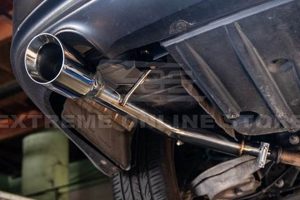
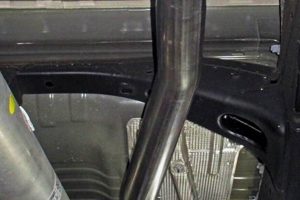
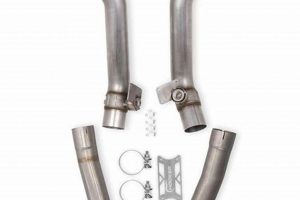
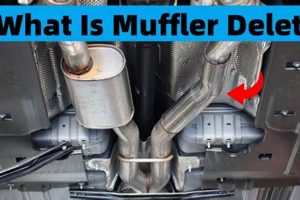
The removal of a vehicle’s muffler and resonator involves detaching these components from the exhaust system. These parts are primarily designed to reduce noise levels produced by the engine. The process typically entails cutting the existing exhaust pipe and welding a new section of pipe in its place to bypass the removed components. Considerations often include understanding local noise ordinances and the potential impact on vehicle emissions.
Modifying a vehicle’s exhaust system by eliminating the muffler and resonator can affect several aspects of its performance. Potential benefits sometimes cited include a slight increase in horsepower and improved fuel efficiency, although these claims often lack substantial empirical support and can vary significantly depending on the vehicle. Historically, such modifications were more common due to simpler exhaust system designs and fewer regulations. Current regulations and consumer expectations for quieter vehicles have generally reduced the prevalence of this practice.
Determining the expenses associated with exhaust system modifications requires considering various factors, including labor costs, material prices, and potential legal ramifications. This article will examine the cost variables involved, the potential performance impacts, and the legal and environmental concerns related to this type of vehicle alteration.
Guidance on Muffler and Resonator Removal Considerations
Prudent planning is essential before undertaking any modifications to a vehicle’s exhaust system. These guidelines offer critical insights to assist in making informed decisions.
Tip 1: Research Local Regulations: Before pursuing a muffler and resonator delete, it is imperative to investigate local noise ordinances. Many municipalities have restrictions on vehicle noise levels, and modifications that increase noise may result in fines.
Tip 2: Evaluate Potential Performance Impact: While a muffler and resonator delete may offer a marginal increase in horsepower, this is not guaranteed. Assess whether the potential performance gain justifies the potential drawbacks, such as increased noise and possible emissions issues.
Tip 3: Consider Emissions Testing: Modification of the exhaust system can affect a vehicle’s ability to pass emissions tests. Determine whether the deletion will impact the vehicle’s compliance with required emission standards.
Tip 4: Obtain Professional Estimates: Contact several reputable auto shops to obtain quotes for the labor involved in performing a muffler and resonator delete. This will provide a more accurate understanding of the potential expenditure.
Tip 5: Assess Resale Value: Alterations to the exhaust system can potentially diminish a vehicle’s resale value. Prospective buyers may be deterred by the increased noise and potential legal implications of the modification.
Tip 6: Explore Alternatives: Before committing to a full delete, investigate alternatives such as high-performance mufflers and resonators that offer a balance between sound and performance without fully eliminating these components.
Tip 7: Document Existing Configuration: Prior to any modification, carefully document the existing exhaust system configuration. This documentation will be beneficial if reverting to the original setup becomes necessary.
Adherence to these tips assists in making a well-informed decision regarding exhaust system modifications. Careful consideration of legal, environmental, and economic factors is paramount.
The ensuing sections will provide a detailed breakdown of cost factors and associated implications.
1. Labor Cost

Labor cost constitutes a primary component of the total expenditure for muffler and resonator removal. The labor involved encompasses the time required for cutting the existing exhaust system, preparing the replacement piping, welding the new section into place, and ensuring a secure and leak-free connection. The complexity of the task, influenced by the vehicle’s design and the accessibility of the exhaust system, directly affects the labor hours required. For instance, a vehicle with a straightforward exhaust layout may require less labor than a vehicle with a complex or tightly packed exhaust system.
The hourly labor rate charged by automotive shops varies significantly depending on location, shop reputation, and the skill level of the technicians. Metropolitan areas typically exhibit higher labor rates than rural locations. Furthermore, shops specializing in performance modifications or those with certified technicians may command premium rates. It is common practice for shops to provide an estimate of the labor hours required for the job, allowing customers to compare quotes from multiple providers. However, unforeseen complications, such as corroded bolts or damaged exhaust components, can increase the actual labor time and the final bill.
In conclusion, the influence of labor costs on the total expense of muffler and resonator removal is substantial. Obtaining multiple estimates, understanding the shop’s hourly rate, and inquiring about potential additional charges can mitigate the risk of unexpected financial burdens. Proper planning and transparent communication with the chosen automotive shop are essential to managing labor costs effectively.
2. Material Expense
Material expense represents a significant variable in the overall cost of a muffler and resonator delete. This expense is directly linked to the type and quantity of materials needed to replace the deleted components. The most common material used is exhaust piping, typically constructed from aluminized steel or stainless steel. Aluminized steel offers a more economical option but exhibits a shorter lifespan due to its susceptibility to corrosion. Stainless steel, while more expensive upfront, provides enhanced durability and resistance to rust, thereby extending the lifespan of the exhaust modification. The diameter and length of the required piping are dictated by the vehicle’s exhaust system design and the specific location of the deletion. For instance, a larger diameter pipe may be necessary for high-performance vehicles to maintain optimal exhaust flow, consequently increasing the material cost. The choice of welding rods or filler material also contributes to this expense, with higher quality materials ensuring a stronger and more durable weld.
The presence of additional components, such as exhaust clamps, hangers, or specialized connectors, can further augment the material expense. These components are necessary to ensure a secure and properly aligned exhaust system. In certain scenarios, the existing exhaust hangers may need modification or replacement to accommodate the new piping configuration. Furthermore, the selection of aftermarket exhaust tips can influence the overall cost, as these are often purchased to enhance the aesthetic appeal of the modified exhaust system. A practical example involves a comparison between a budget-oriented project utilizing standard aluminized steel piping and a premium build incorporating mandrel-bent stainless steel with high-end exhaust tips. The latter would invariably incur significantly higher material expenses.
In summary, material expense is an integral component of the total cost associated with a muffler and resonator delete. The choice of materials directly impacts the durability, performance, and longevity of the exhaust modification. Prudent selection of materials, balancing cost considerations with long-term performance expectations, is essential to optimizing the value and effectiveness of this type of automotive alteration. A thorough assessment of material options, coupled with consultation with experienced automotive professionals, facilitates informed decision-making and effective budget management.
3. Welding Complexity

The intricacy of welding involved in a muffler and resonator removal significantly influences the associated cost. Variations in welding requirements, techniques, and accessibility contribute to the overall expense.
- Accessibility Challenges
Limited access to welding points due to the vehicle’s undercarriage design or the exhaust system’s configuration complicates the welding process. Confined spaces necessitate specialized welding equipment and techniques, potentially increasing labor hours and, consequently, the cost. For instance, welding on a lowered vehicle or one with extensive underbody protection may require more time and skill.
- Material Compatibility
The need to weld dissimilar metals, such as joining stainless steel to aluminized steel, demands specific welding processes and filler materials. Incompatible welding techniques can result in weak joints and premature failure, necessitating specialized expertise and higher material costs. This becomes relevant when the existing exhaust system is of a different material than the replacement piping.
- Welding Skill Requirements
The precision and quality of welds directly affect the exhaust system’s durability and performance. High-quality welds require skilled technicians and advanced welding techniques, such as TIG welding, which are more time-consuming but yield superior results compared to MIG welding. The need for certified welders or specialists further contributes to the overall labor expenses.
- Potential for Rework
Improper welding can lead to leaks, structural weaknesses, and noise issues. Reworking faulty welds increases labor costs and can require additional materials. The likelihood of rework depends on the technician’s experience, the quality of the welding equipment, and the complexity of the welding task. Thorough inspection of welds is essential to minimize the risk of rework.
These facets of welding complexity directly impact the financial aspect of a muffler and resonator deletion. Increased welding difficulty, material compatibility concerns, skill requirements, and the potential for rework all contribute to higher labor costs and, consequently, a higher overall price for the modification. The degree of welding complexity should be carefully assessed when obtaining quotes and selecting a service provider to ensure a durable and cost-effective outcome.
4. Vehicle Type
Vehicle type significantly influences the cost associated with muffler and resonator removal due to variations in exhaust system design, accessibility, and material requirements. Different vehicle models necessitate tailored approaches, thereby affecting both labor and material costs.
- Exhaust System Complexity
The complexity of a vehicle’s exhaust system varies widely across different makes and models. Luxury vehicles and performance cars often feature intricate exhaust systems with multiple components and sensors, making removal and replacement more labor-intensive. For instance, a European sports car may require more time and specialized tools than a standard domestic sedan, increasing the overall expense.
- Accessibility Limitations
The ease with which a technician can access the exhaust system plays a crucial role in determining labor costs. Vehicles with limited undercarriage clearance, extensive shielding, or tightly packed engine compartments pose challenges to accessing and modifying the exhaust system. An example is the difference in access between a truck, which typically provides ample room, and a low-riding sports car, where specialized lifts or dismantling of components may be necessary.
- Material Composition
The materials used in a vehicle’s exhaust system can also impact costs. High-performance vehicles often utilize stainless steel or titanium exhaust systems, which are more costly to modify than systems made from standard aluminized steel. Furthermore, specialized welding techniques may be required to work with these materials, adding to the overall expense.
- Sensor Integration and Recalibration
Modern vehicles frequently integrate sensors within the exhaust system to monitor emissions and engine performance. Modifying the exhaust system may necessitate recalibration of the vehicle’s engine control unit (ECU) or relocation of sensors to ensure proper functionality. The inclusion of these additional steps can significantly increase the total cost of muffler and resonator removal.
In summary, the type of vehicle is a primary determinant of the expense involved in muffler and resonator removal. The interplay of exhaust system complexity, accessibility limitations, material composition, and sensor integration contributes to variations in labor and material costs. Thorough consideration of these vehicle-specific factors is essential for obtaining accurate cost estimates and ensuring a successful modification.
5. Regional Pricing

Regional pricing constitutes a significant determinant in the final expense associated with muffler and resonator removal. Variations in labor costs, overhead expenses, local regulations, and market competition across different geographic locations exert a direct influence on the overall cost of this automotive modification.
- Labor Rate Fluctuations
Labor rates, a primary cost driver, exhibit considerable regional variation. Metropolitan areas, characterized by higher costs of living and increased demand for skilled technicians, typically feature elevated labor rates compared to rural areas. For example, a muffler and resonator delete performed in a major city like New York or San Francisco may incur substantially higher labor costs than the same service in a smaller town in the Midwest. This disparity is attributable to factors such as prevailing wage levels, union representation, and the availability of qualified automotive technicians.
- Overhead Expense Disparities
Overhead expenses, including rent, utilities, insurance, and property taxes, contribute significantly to the operational costs of automotive shops. These expenses fluctuate substantially based on geographic location. Shops operating in regions with high commercial real estate costs and stringent regulatory requirements often pass these expenses on to customers in the form of higher service prices. Consequently, regional differences in overhead expenses directly influence the final cost of muffler and resonator removal.
- Regulatory Compliance Costs
Local and state regulations regarding environmental standards, noise levels, and vehicle modifications can impact the cost of exhaust system alterations. Regions with stricter regulations may require shops to invest in specialized equipment, training, and permits to ensure compliance. These additional expenses are often reflected in the prices charged for services such as muffler and resonator removal. For instance, California’s stringent emissions regulations can lead to higher costs for modifications that affect exhaust systems.
- Competitive Market Dynamics
The level of competition among automotive shops within a specific region also influences pricing. In areas with numerous shops offering similar services, competitive pressures may drive prices down, benefiting consumers. Conversely, in regions with limited service providers, shops may have more pricing power, leading to higher costs for muffler and resonator removal. Therefore, the competitive landscape of the local automotive service market directly affects pricing outcomes.
In summation, regional pricing constitutes a crucial consideration when assessing the overall expense of muffler and resonator removal. The interplay of labor rate fluctuations, overhead expense disparities, regulatory compliance costs, and competitive market dynamics results in significant regional variations in pricing. Conducting thorough research and obtaining quotes from multiple shops within the local area is essential for securing a competitive price and making an informed decision.
Frequently Asked Questions
This section addresses common inquiries regarding the financial aspects of removing a muffler and resonator from a vehicle’s exhaust system. It aims to provide clarity on factors influencing the cost and potential associated expenses.
Question 1: What are the primary cost components associated with a muffler and resonator delete?
The primary cost components typically encompass labor expenses, material costs for replacement piping, and any potential fees for welding or fabrication work. Labor rates vary depending on the geographic location and the complexity of the exhaust system. Material costs depend on the type and quality of the replacement piping used.
Question 2: Does the vehicle type influence the cost of a muffler and resonator removal?
Yes, the vehicle type significantly influences the cost. Luxury vehicles and high-performance cars often have more complex exhaust systems, potentially requiring more labor and specialized skills, thus increasing the expense. Accessibility limitations and the materials used in the original exhaust system also contribute to cost variations.
Question 3: Are there regional variations in the price for this type of exhaust modification?
Indeed, regional pricing plays a substantial role in determining the cost of muffler and resonator removal. Labor rates, overhead expenses for automotive shops, local regulations, and the level of market competition all contribute to regional variations in pricing. Metropolitan areas generally exhibit higher costs than rural areas.
Question 4: Can the deletion of a muffler and resonator affect the vehicle’s emissions?
The removal of these components can potentially affect a vehicle’s emissions. Depending on local regulations and emissions testing requirements, such a modification may render the vehicle non-compliant. It is essential to investigate local regulations prior to proceeding with the modification to avoid potential fines or compliance issues.
Question 5: What are the long-term cost implications of removing these exhaust components?
Beyond the initial cost, long-term implications include potential costs associated with increased noise levels that may violate local ordinances, potential reductions in fuel efficiency, and possible impact on the vehicle’s resale value. Furthermore, if the modification leads to emissions test failures, additional expenses may be incurred to rectify the situation.
Question 6: How can one obtain an accurate cost estimate for a muffler and resonator removal?
To obtain an accurate estimate, it is advisable to solicit quotes from multiple reputable automotive shops, providing them with detailed information about the vehicle’s make, model, and year. Inquiring about the shop’s hourly labor rate, material costs, and potential additional charges for welding or fabrication work is crucial. Also, ensure the shop is aware of any local regulations related to exhaust modifications.
Understanding the cost variables associated with muffler and resonator removal is essential for making an informed decision. Thorough research and consultation with qualified automotive professionals are highly recommended.
The subsequent section provides a summary of key factors and considerations.
Cost Implications of Muffler and Resonator Deletion
The assessment of how much is a muffler and resonator delete reveals a multifaceted expense influenced by labor rates, material selection, vehicle characteristics, and regional pricing. These variables interact to establish the final expenditure, demanding careful consideration of each factor before proceeding with modifications. The repercussions of such alterations extend beyond initial costs, potentially affecting regulatory compliance and long-term vehicle value.
Ultimately, a comprehensive understanding of these economic and legal ramifications is paramount. Prudent vehicle owners should prioritize thorough research and seek expert consultation to make informed decisions aligning with individual needs and regulatory requirements. Careful deliberation ensures both financial prudence and adherence to applicable laws and standards.