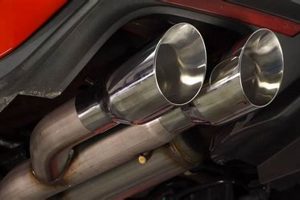
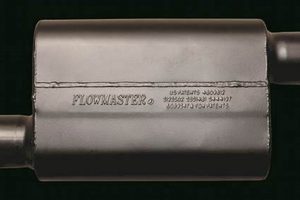
The selection of an exhaust component significantly influences the auditory characteristics of a vehicle equipped with a six-cylinder engine. This specific component, designed to attenuate noise produced by the engine’s combustion process, can be chosen to enhance or modify the overall sound profile. For example, an individual might seek a deeper, more resonant tone, or conversely, a quieter, more refined sound. The optimal choice depends largely on individual preference and the desired vehicle aesthetic.
A vehicle’s aural signature contributes substantially to its perceived performance and driver satisfaction. A carefully selected component can amplify the inherent characteristics of the engine, creating a more engaging driving experience. Historically, modifications to the exhaust system were primarily focused on performance gains, but contemporary trends increasingly emphasize the auditory impact. Such modifications are often undertaken to express individuality and customize the vehicle’s overall appeal.
Considerations regarding the materials used in construction, the internal design of the unit, and compatibility with the vehicle’s existing exhaust system are crucial when evaluating potential options. Subsequent sections will delve into the various types available, factors influencing the resultant sound, and popular brands known for their quality and performance.
Selection Guidance
The following guidance provides insights into choosing an appropriate exhaust component for a V6 engine to achieve the desired sound characteristics. Careful consideration of these aspects will contribute to a satisfactory outcome.
Tip 1: Material Selection: Stainless steel offers superior durability and resistance to corrosion compared to aluminized steel. This extends the lifespan of the component, particularly in regions with harsh weather conditions.
Tip 2: Internal Design: Chambered designs generally produce a louder, more aggressive tone. Straight-through designs often result in a smoother, less resonant sound. Researching and understanding these different design philosophies is important.
Tip 3: Pipe Diameter: A larger diameter can increase exhaust flow, potentially altering the sound profile. However, excessively large diameters can reduce backpressure, negatively impacting low-end torque. Consultation with a professional is advisable.
Tip 4: Resonance Tuning: Some components incorporate Helmholtz resonators or similar devices to specifically target and eliminate unwanted frequencies. This can refine the overall sound quality.
Tip 5: Brand Reputation: Established manufacturers with a proven track record often provide higher quality materials and more consistent sound characteristics. Researching customer reviews and product comparisons can be beneficial.
Tip 6: Professional Installation: Proper installation is critical to achieving the desired sound and ensuring longevity. A qualified technician can ensure correct alignment and prevent leaks or other issues.
Tip 7: Vehicle Compatibility: Confirm that the chosen component is specifically designed for the vehicle’s make, model, and year. Incompatible components can negatively affect performance and sound quality.
Adherence to these guidelines can significantly improve the probability of selecting an exhaust component that aligns with individual preferences and vehicle requirements.
The subsequent sections will provide an overview of popular brands and specific model recommendations, further assisting in the decision-making process.
1. Tone
The tonal quality of a vehicle’s exhaust note, when equipped with a six-cylinder engine, is a central consideration in the selection process of an exhaust component. Tone encompasses the specific frequencies and their relative intensities that comprise the overall auditory signature.
- Frequency Composition
The fundamental frequency and its harmonics determine the perceived pitch and timbre. Lower frequencies contribute to a deeper, more rumbling sound, while higher frequencies result in a raspier, more aggressive tone. The interplay between these frequencies dictates the overall character of the exhaust note, which can be tuned through specific component designs.
- Harmonic Emphasis
Emphasis on particular harmonics shapes the tonal characteristics. Components designed to accentuate even-numbered harmonics may produce a smoother, more refined sound, whereas emphasis on odd-numbered harmonics can result in a more aggressive and raw auditory experience. Engineers strategically manipulate harmonic content to tailor the exhaust note to a specific desired aesthetic.
- Subjective Perception
Individual perception of the optimal tone varies significantly. Some individuals may prefer a subtle, refined sound that enhances the vehicle’s existing auditory profile, while others may desire a more pronounced and aggressive tone that announces the vehicle’s presence. Market research is often conducted to understand these preferences and inform product development.
- Material Influence
The material composition of the exhaust component impacts the tonal characteristics. Stainless steel, for example, tends to produce a brighter, more metallic sound compared to aluminized steel, which typically results in a mellower tone. Manufacturers often select materials based on their acoustic properties and their ability to withstand environmental conditions.
These facets collectively contribute to the overall tonal experience associated with the operation of a vehicle, emphasizing the complexity involved in the selection of an appropriate component to achieve the desired acoustic outcome. The best sounding results are often achieved when the product of research, material properties, and design are combined to align to individual preferences.
2. Resonance
Resonance, in the context of exhaust systems for V6 engines, refers to the amplification and sustainment of specific sound frequencies within the exhaust stream. This phenomenon is crucial in shaping the auditory characteristics of an exhaust system and directly influences the perception of what is deemed a “best sounding muffler for v6.” Muffler design, including chamber size, internal baffling, and material properties, significantly impacts which frequencies resonate and to what degree. For instance, a chambered muffler might be designed to resonate at lower frequencies, resulting in a deeper, more throaty sound. Conversely, a straight-through design often minimizes resonance, producing a higher-pitched, less prominent exhaust note. The selection of materials further modulates resonance; stainless steel typically exhibits different resonant properties than aluminized steel, contributing to variations in tonal quality.
The manipulation of resonance is not arbitrary; it is carefully engineered to achieve specific acoustic goals. Automakers and aftermarket manufacturers employ computational fluid dynamics (CFD) and acoustic modeling to predict and control resonance within exhaust systems. These simulations allow engineers to optimize muffler designs for desired sound characteristics while also considering factors such as backpressure and exhaust flow. The effective management of resonance can mitigate unwanted frequencies, such as harsh or raspy tones, and accentuate more desirable frequencies, such as a smooth, controlled rumble. Failure to properly manage resonance can lead to an exhaust note that is perceived as unpleasant or unrefined, even if the exhaust system provides optimal performance gains. Example: exhaust of Nissan 350z with aftermarket exhaust which has resonance effect from 3000 to 3500 rpm
In conclusion, understanding and controlling resonance is paramount in designing mufflers that produce desirable sound characteristics for V6 engines. The effective utilization of resonance tuning, achieved through careful design, material selection, and acoustic modeling, allows for the creation of exhaust systems that deliver a satisfying and refined auditory experience. The challenge lies in striking a balance between desired sound characteristics, performance requirements, and regulatory constraints. By carefully considering the interplay of these factors, manufacturers can create exhaust systems that are not only functional but also aesthetically pleasing to the discerning driver.
3. Volume
The perceived sound level, or volume, produced by a vehicle’s exhaust system is a critical component in determining whether the sound emitted is desirable. The selection of an exhaust component directly impacts the magnitude of sound produced, with different designs and materials yielding varied decibel levels. For a V6 engine, the goal is often to achieve a volume that is both audible and pleasing without being intrusive or violating noise regulations. The correlation between volume and perceived quality hinges on the ability to balance audibility with refinement. Excessive volume can be interpreted as aggressive or unrefined, whereas insufficient volume may fail to deliver the desired enhancement of the engine’s character. A real-world example is the difference between a straight-pipe exhaust system, which maximizes volume but often results in undesirable drone and harshness, and a performance muffler designed to increase volume while maintaining a controlled and refined sound profile. In essence, the degree of sound is a cornerstone characteristic of the exhaust audio experience.
The regulation of exhaust sound levels is a practical consideration when modifying a vehicle’s exhaust system. Many jurisdictions have established legal limits on the maximum permissible sound output, often measured in decibels (dB) at a specific distance from the vehicle. Exceeding these limits can result in fines or other penalties. Therefore, selecting an exhaust component that balances the desired sound volume with legal compliance is essential. Furthermore, the acoustic environment in which the vehicle is operated influences the perception of volume. A component that sounds acceptable in a rural area may be considered too loud in a densely populated urban setting. Careful consideration of these factors is necessary to ensure that the enhanced exhaust sound remains appropriate for the intended use case.
Achieving the optimal volume involves a combination of careful component selection, proper installation, and an understanding of acoustic principles. While an increase in volume is often desired, it must be managed to prevent undesirable effects, such as excessive drone, resonance, or harshness. The challenge lies in finding a balance between audibility, sound quality, and legal compliance. Ultimately, the ideal volume is subjective and depends on individual preferences, but it should always be controlled and refined to enhance the driving experience without creating undue disturbance. The quest for the “best sounding muffler for v6” is often a search for the component that delivers the perfect balance of tone, resonance, and, crucially, volume.
4. Flow
Exhaust flow, the ease with which exhaust gases are expelled from an engine, profoundly influences the auditory characteristics of a V6 engine. A restrictive muffler impedes exhaust flow, dampening sound and potentially reducing engine performance. Conversely, a muffler with optimized flow allows for a greater volume of exhaust gases to pass through, resulting in a louder and often more aggressive sound. This relationship directly impacts the selection process when aiming to achieve a superior auditory experience. For instance, a performance-oriented muffler designed for enhanced flow will typically produce a more pronounced exhaust note compared to a stock muffler with a more restrictive design. The effectiveness of exhaust flow can be assessed through measuring backpressure and comparing results. An aftermarket muffler with improved flow will demonstrate a lower backpressure.
The interplay between exhaust flow and sound quality is complex. Simply increasing exhaust flow does not guarantee a desirable sound. An unrestricted exhaust system, such as straight pipes, may maximize flow but often produces harsh, unrefined sounds characterized by excessive rasp and drone. A “best sounding muffler for v6” strikes a balance between optimizing exhaust flow and shaping the sound waves to create a pleasing auditory experience. This is achieved through careful internal design, including chamber size, baffling, and the use of sound-absorbing materials. These design elements moderate the sound waves while minimizing flow restriction. For example, a well-designed chambered muffler can enhance lower frequencies, resulting in a deeper and more resonant sound without significantly compromising exhaust flow. A real-world case, is the comparison between a poorly designed straight pipe and a free-flowing high performance muffler, the straight pipe might have greater flow, but the high performance one will most likely sound better.
Ultimately, the pursuit of optimal exhaust flow is intertwined with the desire for a superior auditory experience. Understanding the relationship between flow, sound characteristics, and muffler design is crucial when selecting a “best sounding muffler for v6.” A comprehensive approach considers not only the volume of exhaust gases expelled but also the quality of sound produced, ensuring a balance between performance and auditory satisfaction. The ideal muffler facilitates efficient exhaust flow while simultaneously shaping the sound waves to achieve a refined and aesthetically pleasing exhaust note. The goal is to enhance both the performance and the emotional connection to the driving experience, by achieving the best sound possible.
5. Material
The constituent materials of an exhaust component exert a significant influence on the resultant sound profile produced by a V6 engine. The inherent properties of different materials dictate how sound waves propagate and resonate within the exhaust system. Stainless steel, for example, is known to produce a brighter, more metallic tone due to its higher density and rigidity. This characteristic contributes to a sharper, more aggressive sound compared to aluminized steel, which typically generates a mellower, more subdued tone. The selection of material is thus a critical factor in achieving a specifically targeted acoustic signature. A tangible illustration is observed in comparing two otherwise identical mufflers, one constructed of stainless steel and the other of aluminized steel; the stainless steel variant will invariably exhibit a more pronounced high-frequency component in its sound output.
Beyond tonal qualities, the material also impacts the longevity and durability of the exhaust component, indirectly influencing long-term sound performance. Stainless steel’s superior resistance to corrosion ensures that the muffler maintains its structural integrity and acoustic properties over an extended period. Aluminized steel, while more cost-effective, is susceptible to rust and degradation, which can alter the sound characteristics over time and ultimately necessitate replacement. Titanium, an even more premium material, offers exceptional strength-to-weight ratio and corrosion resistance, further enhancing durability and potentially contributing to unique tonal qualities, though its high cost often limits its application to high-performance vehicles. In practice, a stainless steel muffler may outlast an aluminized steel counterpart by several years, providing a consistent and reliable sound output throughout its lifespan.
In summary, the correlation between material and sound characteristics is undeniable and represents a crucial consideration when selecting an exhaust component for a V6 engine. The choice of material not only affects the immediate sound profile but also influences the long-term durability and consistency of the auditory experience. While stainless steel offers a balance of sound quality, durability, and cost-effectiveness, other materials like aluminized steel and titanium present alternative options with their respective advantages and disadvantages. The quest for the “best sounding muffler for v6” necessitates a thorough understanding of these material properties and their interplay with muffler design and acoustic principles.
6. Design
The design of an exhaust component is paramount in determining the auditory characteristics produced by a V6 engine. The internal architecture, including chamber configurations, baffle placements, and resonator integration, directly shapes the sound waves, influencing tone, resonance, and volume. For example, a chambered design utilizes multiple internal chambers to reflect and cancel specific frequencies, often resulting in a deeper, more throaty sound. A straight-through design, conversely, minimizes internal obstructions, prioritizing exhaust flow and typically producing a louder, higher-pitched exhaust note. The selection of a specific design philosophy is a direct causal factor in the overall sound profile of the exhaust system. Case study for Honda Civic Type R with three different types of muffler design, chambered, straight-through and hybrid, that each design show different tonal quality and sound output.
The integration of resonators within the muffler design further refines the sound output. Resonators are specifically tuned to target and eliminate unwanted frequencies, such as drone or rasp. A Helmholtz resonator, for instance, is a chamber designed to cancel a specific frequency by creating a destructive interference pattern. The precise placement and tuning of resonators are crucial in achieving a balanced and refined sound. Beyond internal architecture, the external dimensions and shape of the muffler also contribute to the overall sound. Larger mufflers generally offer greater sound attenuation, while smaller mufflers may prioritize performance over sound reduction. The interplay between internal and external design elements is carefully considered to optimize both the acoustic and performance characteristics of the exhaust system. Example for BMW M5 with two designs muffler from different manufacturers and each design creates sound output that aligned with the manufacturers’ purposes.
In summary, the design of an exhaust component is a critical determinant of the sound produced by a V6 engine. A well-engineered design balances the competing demands of sound quality, performance, and regulatory compliance. By carefully manipulating internal architecture, integrating resonators, and optimizing external dimensions, manufacturers can create exhaust systems that deliver a desirable and refined auditory experience. The relentless pursuit of the “best sounding muffler for v6” hinges on a deep understanding of acoustic principles and the application of innovative design solutions. A muffler system with good design is not always the most expensive one, there are several low budget manufacturers that create decent design with fair materials with a purpose to achieve better sounding muffler for v6 engines.
7. Compatibility
The achievement of a superior auditory experience from an exhaust system is contingent upon the exhaust component’s proper fitment with the target vehicle. Mismatched components can yield undesirable sonic characteristics or, in severe cases, compromise engine performance. The term “best sounding muffler for v6” presupposes that the component is designed to integrate seamlessly with the V6 engine’s specific make, model, and year. An incorrectly sized inlet or outlet, for instance, can create exhaust leaks, leading to distorted sound and reduced efficiency. Similarly, differences in mounting points may necessitate modifications that compromise the structural integrity of the exhaust system or the vehicle itself. An example would be attempting to install a muffler designed for a transverse-mounted V6 engine in a vehicle with a longitudinally mounted engine, resulting in significant alignment challenges and potential exhaust routing issues. Incompatible mufflers are dangerous to use on vehicles, and it could affect the vehicle’s performance in long term use.
Beyond physical fitment, electronic control systems may also be affected by non-compatible components. Modern vehicles often incorporate sensors that monitor exhaust gas composition and flow. Altering the exhaust system without accounting for these sensors can trigger fault codes or negatively impact engine management. A muffler designed for a vehicle with a specific catalytic converter configuration may not be suitable for a vehicle with a different configuration, leading to reduced emissions control and potential performance degradation. The electronic control system acts as a feedback mechanism, adjusting engine parameters based on exhaust gas readings. An incompatible muffler can disrupt this feedback loop, resulting in suboptimal engine operation. The engine’s performance affected by non-compatible parts leads to another domino effect on vehicles.
In summary, “compatibility” is an inextricable element in the pursuit of an optimal exhaust sound. The “best sounding muffler for v6” is rendered meaningless if the component cannot be properly installed and integrated with the vehicle’s existing systems. Thorough verification of compatibility is therefore essential, involving careful consideration of physical dimensions, mounting points, sensor configurations, and emissions control requirements. The failure to prioritize compatibility can lead to compromised sound quality, reduced engine performance, and potential safety hazards. Ignoring compatibility for a lower price is not an effective solution and it could damage vehicles in long term usage, this could lead to more costly repairs.
Frequently Asked Questions
This section addresses common inquiries regarding the selection and implementation of mufflers designed to enhance the auditory experience of vehicles equipped with V6 engines. The information provided aims to clarify misconceptions and offer informed guidance.
Question 1: Does a more expensive muffler guarantee a better sound?
Price is not a definitive indicator of sound quality. Factors such as material, design, and compatibility exert a more direct influence. While premium materials and advanced designs often contribute to enhanced sound, a well-engineered, moderately priced muffler may deliver a more desirable result than a poorly designed, high-cost alternative.
Question 2: Will installing an aftermarket muffler void the vehicle’s warranty?
The impact on the vehicle’s warranty depends on the specific terms of the warranty agreement and the nature of the aftermarket component. In general, installing an aftermarket muffler will not automatically void the entire warranty, but it may void coverage for components directly affected by the modification. Consultation with a qualified legal professional or review of the warranty documentation is recommended.
Question 3: Is it possible to achieve a noticeable sound improvement without increasing the exhaust volume significantly?
Yes, the focus can be shifted from increasing loudness to improving the tonal characteristics and resonance. A properly designed muffler can enhance the depth and richness of the exhaust note without exceeding acceptable sound levels. Strategic use of resonators and specific chamber designs are crucial in achieving this balance.
Question 4: How important is professional installation?
Professional installation is highly recommended, especially for individuals lacking experience with exhaust system modifications. Proper installation ensures correct alignment, prevents exhaust leaks, and maximizes the performance and longevity of the muffler. Improper installation can lead to compromised sound quality, reduced engine performance, and potential safety hazards.
Question 5: Can the choice of exhaust tips affect the sound produced?
While exhaust tips primarily influence the aesthetic appearance of the vehicle, they can have a subtle impact on the sound produced. The shape and size of the exhaust tip can slightly alter the resonance and directionality of the sound waves. However, the effect is typically minor compared to the influence of the muffler itself.
Question 6: Are there specific muffler brands that are consistently known for producing high-quality sound on V6 engines?
Certain manufacturers have established reputations for producing high-quality mufflers that deliver desirable sound characteristics. These brands often invest in research and development to optimize their designs for specific engine types and performance goals. Independent reviews, product comparisons, and testimonials can provide valuable insights into the performance of different brands.
In summary, selecting an optimal muffler for a V6 engine requires careful consideration of various factors, including design, material, compatibility, and installation. Price is not the sole determinant of quality, and professional installation is highly recommended. Understanding these nuances is essential for achieving a satisfying and refined auditory experience.
The subsequent section will offer a comparative analysis of several popular muffler models, providing a more detailed assessment of their features and performance characteristics.
Conclusion
The preceding analysis has explored the multifaceted considerations involved in selecting a “best sounding muffler for v6”. Attributes such as material composition, internal design, exhaust flow characteristics, and vehicle compatibility have been identified as critical determinants of the resulting auditory experience. The pursuit of an optimal exhaust note necessitates a comprehensive understanding of these technical elements and their interplay.
Ultimately, the selection of an exhaust component represents a balance between objective performance criteria and subjective aesthetic preferences. Individuals are encouraged to leverage the insights presented herein to inform their decision-making process, ensuring a selection that aligns with both their technical requirements and their desired auditory signature. Further research and consultation with qualified professionals are recommended to achieve optimal results.