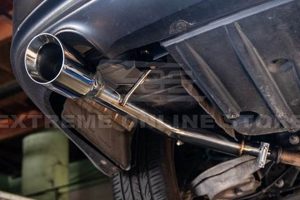
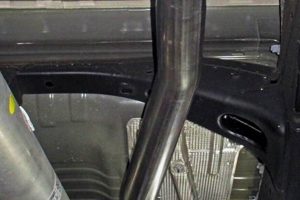
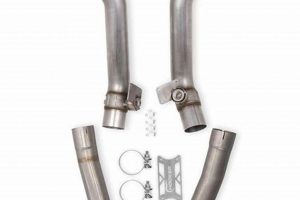
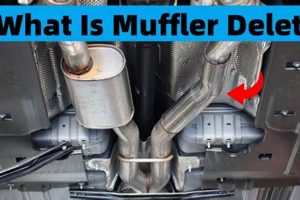
The cost associated with removing a vehicle’s muffler and replacing it with a straight pipe or alternative exhaust configuration is variable. The price is determined by factors such as the vehicle’s make and model, the complexity of the exhaust system, the labor rates of the chosen automotive shop, and the materials used for any necessary modifications. For example, a simple removal on an older, straightforward vehicle will generally be less expensive than modifying the exhaust system of a modern car with integrated sensors and complex routing.
Eliminating the muffler can alter a vehicle’s exhaust note, often resulting in a louder and more aggressive sound. Historically, modifications to exhaust systems have been sought after by automotive enthusiasts for both aesthetic and perceived performance enhancements. However, it is important to note that changes to the exhaust system can impact emissions and noise levels, potentially leading to violations of local laws and regulations. Therefore, careful consideration of the legal ramifications and potential environmental impact is warranted before proceeding.
The following sections will delve into the specific cost factors, potential performance implications, legal considerations, and alternative exhaust modifications that provide a balanced approach to achieving a desired exhaust note without compromising legality or environmental responsibility. This article offers a comprehensive view of the issues relevant to a muffler modification.
Guidance on Determining Muffler Delete Costs
Understanding the pricing associated with a muffler modification requires careful consideration of multiple factors. The following tips provide guidance in assessing and managing these costs effectively.
Tip 1: Obtain Multiple Quotes: Contact several reputable automotive shops to secure varied estimates. This comparative analysis will help establish a baseline cost and identify potential outliers, ensuring a fair price.
Tip 2: Inquire About Labor Rates: Labor costs constitute a significant portion of the total expense. Clarify the hourly labor rate charged by each shop and estimate the anticipated labor hours required for the modification.
Tip 3: Understand Material Costs: The price of materials, such as replacement pipes or necessary welding supplies, directly impacts the final cost. Request a detailed breakdown of material expenses included in the quote.
Tip 4: Verify Compliance: Confirm that the selected shop understands and will adhere to all applicable local and state noise regulations. Non-compliance can result in fines and additional expenses for rectification.
Tip 5: Consider Potential Resale Value: Understand that modifying the exhaust system, particularly through a muffler deletion, might affect the vehicle’s resale value. Weigh the potential long-term financial implications before proceeding.
Tip 6: Evaluate Alternative Options: Investigate alternative exhaust modifications, such as performance mufflers or cat-back systems, which may offer a desired sound enhancement without the negative consequences associated with a full muffler deletion. Compare the costs and benefits of each option.
Tip 7: Budget for Contingencies: Set aside a contingency fund to address unforeseen complications during the modification process. Hidden corrosion, damaged components, or unexpected labor can increase the overall expense.
By carefully evaluating quotes, understanding labor and material costs, ensuring regulatory compliance, and considering alternative solutions, it is possible to effectively manage the expenditure associated with modifying a vehicle’s exhaust system.
The next section will explore the legal and performance implications of a muffler deletion in greater detail.
1. Labor Costs
Labor costs represent a significant portion of the overall expenditure associated with a muffler modification. The complexity of the modification, the hourly rate of the mechanic, and the time required to complete the work directly influence the final price.
- Hourly Rate Variations
Automotive shops charge varying hourly rates for labor. These rates are influenced by factors such as the shop’s location, reputation, and the expertise of the technicians. A higher hourly rate translates directly into increased labor costs for the modification.
- Complexity of the Modification
The complexity of the muffler removal and subsequent pipe installation significantly impacts labor time. Vehicles with easily accessible exhaust systems will require less labor than those with intricate or corroded systems that demand specialized tools and techniques.
- Welding and Fabrication
If the muffler modification involves welding or custom fabrication of exhaust pipes, the labor costs will increase. Welding requires specialized skills and equipment, and the time required for fabrication depends on the precision and customization needed.
- Potential for Complications
Unforeseen complications, such as rusted bolts, damaged exhaust hangers, or the need for additional parts, can extend the labor time and increase the overall costs. A reputable shop will communicate any unexpected issues and provide revised estimates before proceeding with additional work.
The preceding aspects of labor expenses should be addressed before modifying an exhaust system. A clear understanding of the shop’s hourly rate, the anticipated complexity of the job, and the potential for unforeseen complications will ensure that the final price does not exceed expectations and remain transparent to vehicle owner.
2. Material Type
The choice of material directly influences the final expenditure. Exhaust systems, including replacement pipes for a muffler deletion, are commonly fabricated from aluminized steel or stainless steel. Aluminized steel, due to its lower cost of production, is typically the more economical option. However, it exhibits a lower resistance to corrosion compared to stainless steel, leading to a shorter lifespan, particularly in regions with harsh weather conditions or road salt usage. This difference in durability has a direct effect on cost, as the need for more frequent replacements of aluminized steel components will ultimately increase long-term expenses.
Stainless steel offers superior corrosion resistance and a longer lifespan, thereby justifying its higher initial cost. Examples of high-quality stainless steel, such as 304 or 409 grades, are frequently used in performance exhaust systems due to their ability to withstand high temperatures and corrosive elements. Although the initial outlay for stainless steel is greater, the extended durability reduces the long-term cost of ownership. Therefore, material selection decisions should be made considering the vehicle’s environment and anticipated lifespan.
In summary, the impact of material type on the price associated with a muffler modification is significant. While aluminized steel offers a lower upfront cost, its susceptibility to corrosion leads to more frequent replacements. Stainless steel, despite its higher initial price, provides greater longevity and reduces the total cost of ownership over time. The selection of material should be informed by a careful assessment of environmental factors and the anticipated lifespan of the vehicle.
3. Vehicle Specifics
The make, model, and year of a vehicle significantly influence the cost associated with a muffler deletion. Each vehicle possesses a unique exhaust system design, varying in complexity, material composition, and accessibility, directly affecting labor time and the quantity of materials required for modification.
- Exhaust System Design
Vehicles with complex exhaust systems, featuring multiple catalytic converters, resonators, or intricate pipe routing, necessitate more extensive labor for muffler removal and replacement. For example, a modern sports car with a dual exhaust system may require more time and specialized tools compared to a straightforward single exhaust system found on an older sedan.
- Material Composition
The type of material used in the original exhaust system can impact the cost of the modification. If the existing system is constructed from a higher-grade steel or includes specialized coatings, matching the replacement pipe’s material to maintain corrosion resistance and longevity might increase material expenditures.
- Accessibility
The ease of access to the muffler and exhaust pipes plays a crucial role in labor time. Vehicles with limited undercarriage clearance or exhaust systems obstructed by other components require more time and effort to access and modify, increasing the overall labor costs.
- Sensor Integration
Modern vehicles often incorporate sensors within the exhaust system to monitor emissions and performance. Muffler deletions may necessitate careful consideration of sensor placement and functionality, potentially requiring additional fabrication or sensor relocation, further contributing to the overall expense.
In conclusion, the particular characteristics of each vehicle’s exhaust system directly impact the amount of work needed to complete the modification, influencing both labor and material costs. Understanding these vehicle-specific nuances is essential for obtaining an accurate estimate and anticipating potential challenges during the muffler deletion process.
4. Shop Location
The geographic location of an automotive shop directly influences the pricing associated with a muffler modification. This effect is multifaceted, stemming from variations in operational costs, regional market dynamics, and prevailing local regulations. Shops situated in metropolitan areas or regions with a higher cost of living typically incur greater expenses for rent, utilities, insurance, and employee wages. These overhead costs are often reflected in the labor rates charged to customers, thereby increasing the overall expense of the modification. For instance, a muffler removal in a shop located in downtown Manhattan will likely cost more than the same service performed at a shop in a rural area of the Midwest, attributable to disparate operating costs.
Furthermore, local market dynamics play a role. In areas with a high concentration of automotive enthusiasts or a strong demand for performance modifications, shops may command higher prices due to increased competition and perceived value. Conversely, shops in areas with lower demand may offer more competitive pricing to attract customers. Local regulations can also contribute; stricter environmental or noise ordinances may necessitate additional modifications or certifications, further augmenting expenses. For example, shops in California are subject to stringent emissions regulations, potentially requiring CARB-compliant components or specialized procedures, which can elevate costs. Therefore, the regulatory environment can influence the approach to a muffler modification.
In summary, the location of an automotive shop is a significant determinant of the price associated with muffler removal. Variances in operating costs, market conditions, and local regulations directly influence the labor rates, material costs, and required modifications, impacting the final expenditure. A comprehensive understanding of these location-specific factors is crucial for obtaining accurate price estimates and making informed decisions regarding exhaust system modifications.
5. Regulatory Compliance
Adherence to local, state, and federal regulations significantly influences the expense associated with a muffler modification. These regulations, designed to control noise pollution and emissions, impose specific requirements on vehicle exhaust systems. Consequently, modifications that violate these mandates can incur fines and necessitate corrective actions, adding to the overall expenditure.
- Noise Ordinances
Many municipalities enforce noise ordinances that restrict the maximum permissible sound levels emitted by vehicles. Muffler deletions, which inherently increase exhaust volume, frequently breach these ordinances. Compliance may require the installation of aftermarket mufflers or resonators to mitigate noise, thus increasing the initial cost. Failure to comply can result in citations and subsequent fines, adding to the long-term financial burden.
- Emissions Standards
Federal and state emissions standards mandate the presence and functionality of catalytic converters within the exhaust system. While a muffler deletion does not directly remove catalytic converters, modifications that negatively impact their performance or increase emissions output can violate these standards. Compliance often necessitates professional tuning or the installation of aftermarket components to ensure emissions remain within acceptable limits, augmenting the total cost. Non-compliance can lead to failed emissions tests and substantial penalties.
- Inspection Requirements
Several states mandate periodic vehicle inspections to ensure compliance with safety and emissions regulations. A vehicle with a modified exhaust system, particularly one involving a muffler deletion, may fail inspection if it exceeds noise limits or exhibits signs of tampering with emissions control devices. Corrective measures, such as reinstalling a compliant muffler or addressing emissions issues, are then required to pass inspection, adding to the overall financial commitment.
- Legal Ramifications
In certain jurisdictions, modifying a vehicle’s exhaust system to bypass or disable emissions control devices is a criminal offense. Such actions can result in significant fines, vehicle impoundment, and even legal prosecution. Therefore, ensuring full regulatory compliance is not only a matter of avoiding monetary penalties but also of averting potentially severe legal consequences.
Navigating the complexities of regulatory compliance demands a thorough understanding of applicable laws and a commitment to responsible vehicle modification practices. The cost of compliance, while potentially adding to the upfront expenditure, is invariably less than the financial and legal repercussions of non-compliance. By prioritizing regulatory adherence, vehicle owners can mitigate risks, protect their investment, and contribute to a cleaner and more sustainable environment.
Frequently Asked Questions
This section addresses common inquiries regarding the expenses associated with removing a vehicle’s muffler. The responses provided aim to clarify misconceptions and provide objective information for informed decision-making.
Question 1: What is the typical price range for this type of modification?
The expenditure for a muffler deletion is variable, generally spanning from $50 to $500. The disparity reflects differences in labor rates, vehicle complexity, and the selection of materials for replacement piping. The actual amount will depend on the shop doing the work and the vehicle it’s being performed on.
Question 2: Is the vehicle’s make and model a key factor in determining the costs?
Indeed. The make, model, and year of a vehicle significantly influence the price. Vehicles with intricate exhaust systems, limited accessibility, or specific material requirements will typically incur higher costs due to increased labor time and material needs.
Question 3: What are the possible legal ramifications of doing this to my vehicle?
Local and state noise regulations may prohibit modifications that increase exhaust volume beyond specified limits. Non-compliance can result in fines and the requirement to restore the exhaust system to its original, compliant condition.
Question 4: Are there long-term financial impacts to the vehicle after having this type of modification done?
Muffler deletions may decrease a vehicle’s resale value, particularly if potential buyers are concerned about regulatory compliance or the perceived quality of the modification. In addition, the increased exhaust noise may deter some buyers.
Question 5: Are there any alternative options besides removing the muffler entirely?
Performance mufflers or cat-back exhaust systems offer alternative solutions for enhancing exhaust sound without completely eliminating the muffler. These options often provide a balance between sound, performance, and regulatory compliance.
Question 6: Does the selection of piping material have an impact on the price?
Yes. Stainless steel is generally more expensive than aluminized steel due to its superior corrosion resistance and durability. However, stainless steel’s longevity may result in lower long-term expenses due to reduced replacement frequency.
In summation, the price of a muffler modification is subject to many variables. Careful consideration of these factors is crucial for informed decision-making. Regulatory compliance and long-term financial implications merit significant attention.
The succeeding section will discuss the impact of the muffler deletion in terms of performance and the vehicles emissions system.
Conclusion
The preceding analysis of “how much for muffler delete” has elucidated the multifaceted nature of the costs involved. Factors such as labor rates, material selection, vehicle specifics, shop location, and regulatory compliance each contribute significantly to the final expenditure. The decision to proceed with such a modification necessitates a comprehensive assessment of these variables, considering both immediate expenses and potential long-term implications.
Ultimately, any assessment of “how much for muffler delete” should incorporate a long-term perspective that balances the desire for enhanced vehicle sound with the importance of regulatory adherence and responsible environmental stewardship. Prioritizing informed decision-making and seeking professional guidance ensures a fiscally prudent and legally sound approach to vehicle modification.