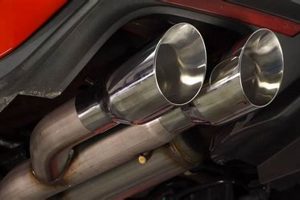
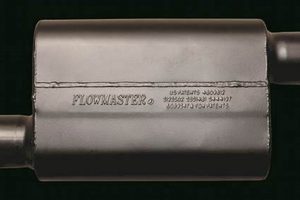
The aural phenomenon emanating from the exhaust system, often described as sharp, percussive bursts, typically indicates combustion irregularities occurring within the engine or exhaust components. This auditory event can manifest sporadically or consistently, varying in intensity based on the underlying cause. For example, an instance of unburnt fuel igniting in the exhaust pipe can produce this distinct report.
Understanding the origin of this noise is crucial for maintaining vehicle performance and preventing potential damage. Ignoring these sounds can lead to decreased fuel efficiency, increased emissions, and, in severe cases, damage to engine components or the exhaust system itself. Historically, the presence of such noises has served as an early indicator of mechanical problems, prompting timely diagnostics and repairs.
The subsequent sections will delve into the specific causes of these sounds, diagnostic procedures, and recommended solutions. A systematic approach to identifying and resolving the source of this auditory issue is paramount for ensuring optimal vehicle operation and longevity. These analyses will cover factors such as fuel mixture imbalances, vacuum leaks, and exhaust system integrity.
Diagnostic and Remedial Guidance
The following recommendations provide a structured approach to identifying and addressing the conditions that lead to unusual sounds emanating from the exhaust system.
Tip 1: Conduct a Thorough Visual Inspection: Examine the entire exhaust system, from the manifold to the tailpipe, for signs of corrosion, leaks, or physical damage. Pay particular attention to joints and connections, as these are common points of failure. For example, a rusted-through area on the pipe could allow air intrusion, leading to abnormal combustion sounds within the exhaust.
Tip 2: Assess Engine Vacuum Integrity: Vacuum leaks can disrupt the air-fuel mixture, causing incomplete combustion and subsequent detonations in the exhaust. Utilize a vacuum gauge to measure engine vacuum and compare the reading to the manufacturer’s specifications. Investigate potential leak sources, such as vacuum hoses, intake manifold gaskets, and throttle body seals.
Tip 3: Evaluate Fuel System Performance: An improper air-fuel ratio is a frequent culprit. Inspect fuel injectors for clogs or leaks, test fuel pressure to ensure it meets specifications, and verify the functionality of the oxygen sensors. A lean fuel mixture, characterized by excessive air, can result in unburnt fuel entering the exhaust system and igniting.
Tip 4: Check Ignition System Components: Misfires, caused by faulty spark plugs, ignition coils, or distributors, can introduce unburnt fuel into the exhaust. Inspect spark plugs for wear, damage, or improper gap. Use a multimeter to test the resistance of ignition coils and confirm proper spark delivery to each cylinder.
Tip 5: Review Engine Control Unit (ECU) Data: Use an OBD-II scanner to retrieve diagnostic trouble codes (DTCs) stored in the ECU. These codes can provide valuable insights into the underlying cause of the issue, pointing to specific sensors, actuators, or systems that are malfunctioning. Note the DTCs and research their implications using a vehicle-specific repair manual.
Tip 6: Examine Exhaust Manifold Integrity: Cracks or leaks in the exhaust manifold can introduce air into the exhaust stream, potentially creating an abnormal combustion scenario. Use a stethoscope to listen for exhaust leaks around the manifold gasket and mounting points. Visually inspect the manifold for signs of cracks or warping.
Adherence to these diagnostic and remedial steps allows for a targeted approach to resolving issues related to exhaust noises. Precise identification and appropriate corrective actions are critical for restoring optimal engine operation and mitigating potential long-term damage.
The next section will discuss potential long term implications if the aforementioned conditions are left unresolved.
1. Unburnt fuel ignition

The presence of unburnt fuel in the exhaust system constitutes a primary precursor to the auditory event commonly characterized by sharp, percussive emissions. This phenomenon occurs when the combustion process within the engine cylinders fails to completely oxidize the air-fuel mixture. Consequently, residual hydrocarbons are expelled into the exhaust manifold, where they may subsequently ignite. Such ignition events, occurring outside the controlled confines of the combustion chamber, generate a rapid expansion of gases, producing the distinctive popping sound associated with exhaust system malfunctions. Factors contributing to unburnt fuel entering the exhaust include misfiring spark plugs, improper valve timing, and an excessively rich air-fuel mixture.
The severity and frequency of these occurrences directly correlate with the underlying engine condition. For example, a vehicle with severely worn spark plugs will likely exhibit more pronounced and frequent auditory events due to consistent misfires and the increased volume of unburnt fuel entering the exhaust. Similarly, a malfunctioning oxygen sensor causing a persistently rich fuel mixture can exacerbate the issue. This connection underscores the importance of regular engine maintenance and diagnostics to prevent the accumulation of unburnt fuel and mitigate the potential for damage to the exhaust system and catalytic converter.
In summary, the ignition of unburnt fuel in the exhaust system is a direct consequence of incomplete combustion within the engine. Addressing the root causes of this incomplete combustion, such as ignition system faults or fuel delivery issues, is essential for preventing the occurrence of these sounds and maintaining optimal engine performance. Ignoring the issue can lead to increased fuel consumption, elevated emissions, and potential damage to catalytic converters, resulting in costly repairs.
2. Air-fuel mixture imbalance

An air-fuel mixture imbalance constitutes a significant contributor to the described aural phenomenon. This imbalance, characterized by a deviation from the ideal stoichiometric ratio of air to fuel within the engine’s combustion chambers, directly impacts the completeness of the combustion process. A lean mixture, denoting an excess of air relative to fuel, or a rich mixture, indicating an excess of fuel relative to air, can each lead to incomplete combustion. Incomplete combustion results in the expulsion of unburnt hydrocarbons into the exhaust system, which subsequently may ignite, producing the characteristic auditory event. For example, a malfunctioning mass airflow sensor can misreport the volume of air entering the engine, resulting in either a lean or rich mixture, and potentially give rise to the phenomenon.
The consequences of an air-fuel mixture imbalance extend beyond the auditory. Prolonged operation with an improper mixture can lead to reduced fuel efficiency, increased emissions, and potential damage to engine components, including the catalytic converter. Diagnostic procedures to address this issue typically involve evaluating sensor data, such as that from oxygen sensors and mass airflow sensors, and verifying the integrity of fuel injectors. Remedial actions may include sensor replacement, fuel injector cleaning or replacement, and adjustment of the engine control unit (ECU) parameters. A practical application involves using a scan tool to monitor real-time sensor values and comparing them to manufacturer specifications.
In summary, the air-fuel mixture imbalance is a critical factor in the described auditory event, stemming from incomplete combustion and the subsequent ignition of unburnt fuel in the exhaust system. Correcting the air-fuel ratio through accurate diagnostics and appropriate repairs is essential for restoring optimal engine performance, reducing emissions, and preventing potential damage to exhaust system components. Understanding this relationship is vital for effective vehicle maintenance and troubleshooting. Addressing imbalances promptly mitigates the risk of cascading failures and ensures long-term engine health.
3. Vacuum leak intrusion

Vacuum leak intrusion represents a common but often overlooked cause of unusual combustion activity within an internal combustion engine and its associated exhaust system. The engine relies on a carefully regulated vacuum system to control various functions, including fuel delivery, ignition timing, and emissions control. When a vacuum leak occurs, unmetered air enters the intake manifold, disrupting the designed air-fuel ratio. This lean condition (too much air, too little fuel) can result in incomplete combustion, leading to the expulsion of unburnt fuel and other hydrocarbons into the exhaust system. The subsequent ignition of these hydrocarbons in the exhaust manifold or downstream components, due to high temperatures, generates the distinct percussive sound. As an example, a cracked or disconnected vacuum hose connected to the intake manifold is a common source of such leaks. The introduction of unmetered air throws off the delicate balance, leading to audible events.
The importance of understanding vacuum leak intrusion lies in its ability to mimic other, potentially more severe engine problems. The resulting noise can easily be misdiagnosed as an ignition system issue or even mechanical engine damage. Effective diagnostic procedures involve a systematic inspection of all vacuum lines and connections, often employing a smoke test to identify elusive leaks. Furthermore, monitoring short-term fuel trim (STFT) and long-term fuel trim (LTFT) values with an OBD-II scanner can reveal the presence of a persistent lean condition indicative of a vacuum leak. If the engine is constantly adding fuel to compensate for the unmetered air, it’s a sign of a vacuum leak. Addressing vacuum leaks is crucial not only to eliminate the extraneous noises but also to restore optimal engine performance, improve fuel efficiency, and reduce harmful emissions.
In summary, vacuum leak intrusion creates a lean combustion condition, resulting in unburnt fuel entering the exhaust system, which can then ignite to create the auditory event. Identifying and repairing vacuum leaks is essential for accurate engine diagnostics and the restoration of proper engine functionality. Overlooking vacuum leaks leads to persistent performance issues and can potentially mask more serious underlying mechanical problems. By addressing this issue proactively, mechanics and vehicle owners can mitigate potential damage and ensure long-term vehicle reliability.
4. Ignition system misfire

Ignition system misfire represents a significant factor contributing to the occurrence of audible events within the exhaust system. This condition arises when one or more cylinders fail to ignite the air-fuel mixture properly during the combustion cycle. The uncombusted mixture is then expelled into the exhaust system, where subsequent ignition can produce a distinct sound.
- Faulty Spark Plugs
Deteriorated, fouled, or improperly gapped spark plugs are a primary cause of misfires. These components are responsible for initiating the combustion process. When spark plugs fail to generate a sufficiently strong spark, the air-fuel mixture may not ignite completely, leading to unburnt fuel entering the exhaust. A worn spark plug, for example, may have rounded electrodes, increasing the voltage required for spark generation, potentially exceeding the coil’s capability. The resulting uncombusted fuel mixture can then ignite downstream, resulting in the event.
- Defective Ignition Coils
Ignition coils provide the high voltage necessary to create a spark across the spark plug gap. If a coil is damaged or failing, it may deliver insufficient voltage, resulting in a weak or nonexistent spark. This can occur due to internal shorts, open circuits, or insulation breakdown within the coil. A damaged coil will send an insufficient electrical pulse and send uncombusted hydrocarbons into the exhaust. This malfunction directly leads to the issue.
- Compromised Ignition Wires
Ignition wires, or spark plug wires, connect the ignition coils to the spark plugs. These wires transmit the high-voltage electrical current required for ignition. If these wires are cracked, damaged, or corroded, they can leak voltage or experience increased resistance, diminishing the spark’s intensity at the spark plug. Damaged wires will reduce the efficiency of the electrical pulse and send uncombusted hydrocarbons into the exhaust. This condition contributes to the event occurring.
- Timing Issues
Incorrect ignition timing, whether due to a faulty crankshaft position sensor, camshaft position sensor, or mechanical timing misalignment, can cause misfires. The ignition spark must occur at a precise point in the engine’s cycle to ensure proper combustion. If the timing is off, the air-fuel mixture may not ignite at the optimal time, leading to incomplete combustion and the expulsion of unburnt fuel into the exhaust system. Incorrect timing can reduce the efficiency of the electrical pulse and send uncombusted hydrocarbons into the exhaust, ultimately contributing to the auditory event.
The connection between ignition system misfires and the issue highlights the crucial role of a properly functioning ignition system in complete and efficient combustion. Misfires introduce unburnt fuel into the exhaust system, which, under the right conditions, ignites, producing the noise. Regular inspection and maintenance of ignition components, including spark plugs, coils, wires, and timing components, are essential for preventing misfires and mitigating the presence of the auditory event. Ignoring ignition system malfunctions can lead to increased fuel consumption, reduced engine performance, and potential damage to the catalytic converter, in addition to the undesirable auditory consequences. Addressing these issues promptly ensures optimal engine operation and prolongs the lifespan of exhaust system components.
5. Exhaust system integrity
Exhaust system integrity plays a critical role in mitigating the occurrence of abnormal sounds. The exhaust system is designed to efficiently channel spent combustion gases away from the engine, reduce emissions, and dampen engine noise. Compromises to its structural integrity, such as leaks, cracks, or corrosion, directly affect its ability to perform these functions effectively. A breach in the exhaust system allows atmospheric air to enter the exhaust stream, altering the gas composition and potentially causing unburnt fuel to ignite outside of the engine cylinders. For example, a rusted-through muffler or a cracked exhaust manifold provides an entry point for air, disrupting the normal flow of gases and promoting conditions conducive to the distinct noise. Therefore, maintaining the physical condition of the exhaust system is paramount in preventing these extraneous sounds.
The location and size of a breach in the exhaust system can influence the intensity and frequency of the phenomenon. A small leak near the engine manifold may produce a less noticeable sound compared to a larger rupture closer to the tailpipe. Moreover, the catalytic converter’s efficiency can be negatively impacted by exhaust system leaks. The introduction of excess air skews the air-fuel ratio, potentially leading to incomplete combustion and an increase in harmful emissions. Regular inspections, including visual assessments for rust, cracks, and loose connections, are essential for identifying and addressing potential exhaust system integrity issues. Ignoring these issues can lead to escalating problems, including reduced engine performance, increased fuel consumption, and costly repairs.
In summary, compromised exhaust system integrity introduces air into the exhaust stream, disrupting the normal combustion process and facilitating the ignition of unburnt fuel, thereby creating the distinct sound. Regular maintenance, including visual inspections and timely repairs of any identified damage, is crucial for ensuring the exhaust system functions as designed, thereby preventing unwanted combustion events and maintaining optimal engine performance. The practical significance lies in proactively addressing exhaust system issues to prevent escalating problems, reduce emissions, and extend the life of vehicle components.
6. Backpressure inconsistencies
Backpressure inconsistencies within an exhaust system can directly contribute to unusual sounds. The exhaust system is designed to provide a specific amount of backpressure, which is the resistance to exhaust gas flow. Disruptions to this carefully engineered balance, whether due to modifications, obstructions, or component failures, alter the rate at which exhaust gases exit the engine cylinders. This altered flow affects cylinder scavenging, the process of removing exhaust gases from the combustion chamber, and the intake of fresh air and fuel. For instance, a collapsed or severely restricted muffler increases backpressure, hindering efficient exhaust gas removal. Conversely, a completely open exhaust system reduces backpressure, potentially leading to valve overlap issues and incomplete combustion. The resulting unburnt fuel may then ignite within the exhaust system, producing the distinct auditory event. The specific sound characteristics and frequency depend on the extent and nature of the backpressure inconsistency.
The influence of backpressure inconsistencies highlights the interconnectedness of the engine’s combustion process and the exhaust system’s functionality. Maintaining appropriate backpressure is critical for optimal engine performance, fuel efficiency, and emissions control. Diagnosing backpressure-related issues typically involves a combination of visual inspections, pressure testing, and performance evaluations. A mechanic might use a backpressure gauge to measure the pressure within the exhaust system and compare it to manufacturer specifications. Remedial actions range from clearing obstructions to replacing damaged components, such as mufflers or catalytic converters. A practical application includes monitoring engine performance after modifications to the exhaust system to ensure backpressure remains within acceptable limits. Failure to address these inconsistencies can lead to reduced power output, increased fuel consumption, and potential engine damage, in addition to the undesired noises.
In summary, backpressure inconsistencies disrupt the carefully calibrated balance within the engine and exhaust system, leading to incomplete combustion and the ignition of unburnt fuel, causing the auditory event. Addressing these inconsistencies requires a systematic approach involving diagnostics and appropriate repairs to restore optimal engine performance and prevent further complications. By understanding the significance of maintaining proper backpressure, both mechanics and vehicle owners can proactively mitigate the risk of these occurrences, ensuring long-term engine health and operational efficiency. Proper backpressure assures smooth exhaust process resulting in decreased noises.
7. Engine timing maladjustment
Engine timing maladjustment represents a critical factor contributing to abnormal combustion processes and subsequent auditory phenomena in exhaust systems. Precise synchronization between crankshaft and camshaft positions is essential for optimal engine operation. Deviations from specified timing parameters disrupt the sequential events of intake, compression, combustion, and exhaust, potentially leading to incomplete combustion and the expulsion of unburnt fuel into the exhaust system. This unburnt fuel can then ignite within the exhaust, causing sharp noises. This analysis explores key facets of engine timing maladjustment and their direct link to such auditory anomalies.
- Valve Timing Errors
Valve timing dictates the opening and closing of intake and exhaust valves relative to piston position. Maladjustments, whether due to a stretched timing belt, worn timing chain, or incorrect installation, can cause valves to open or close at inappropriate times. For instance, delayed exhaust valve opening can trap residual exhaust gases in the cylinder, reducing the space available for fresh air and fuel during the intake stroke. This leads to a lean air-fuel mixture and incomplete combustion, resulting in unburnt hydrocarbons entering the exhaust and causing a pop. Incorrect timing of valves contributes to overall issues.
- Ignition Timing Deviations
Ignition timing refers to the point at which the spark plug ignites the air-fuel mixture. Maladjustments, often stemming from a faulty crankshaft position sensor or distributor misalignment, can cause premature or delayed spark ignition. A spark occurring too early (advanced timing) can cause pre-ignition, leading to engine knocking and potential backfiring through the exhaust. Conversely, a spark occurring too late (retarded timing) can result in incomplete combustion as the piston descends, expelling unburnt fuel into the exhaust system, increasing chance of a pop. These timing adjustments directly affect engine health.
- Sensor Malfunctions
Modern engines rely on various sensors to monitor engine parameters and adjust timing accordingly. A malfunctioning crankshaft position sensor (CKP) or camshaft position sensor (CMP) can provide inaccurate data to the engine control unit (ECU), leading to incorrect timing adjustments. For instance, a CKP sensor providing erratic signals can cause the ECU to miscalculate engine speed and position, resulting in inaccurate spark timing and incomplete combustion. Erroneous timing data causes misfires.
- Mechanical Component Wear
Wear and tear on mechanical components such as timing belts, timing chains, and gears can directly impact engine timing. A stretched timing belt or worn timing chain can introduce slack, causing the camshafts to rotate slightly out of sync with the crankshaft. This mechanical deviation disrupts valve timing, leading to reduced engine efficiency and incomplete combustion, ultimately contributing to the described sound within the exhaust system. Mechanical wear affects engine timing.
The presented facets demonstrate that engine timing maladjustment, regardless of its originvalve timing errors, ignition timing deviations, sensor malfunctions, or mechanical component wearfundamentally disrupts the combustion process. The resulting expulsion and subsequent ignition of unburnt fuel in the exhaust system serves as an audible symptom of this underlying timing problem. Addressing the root cause of the maladjustment, through accurate diagnostics and precise repairs, is crucial for restoring optimal engine performance and eliminating the undesirable sound, as the correction will reduce unburnt fuel ignition. Furthermore, ignoring timing issues can lead to more severe engine damage over time, underscoring the importance of timely maintenance and repair.
Frequently Asked Questions Regarding Muffler Popping Sounds
The following section addresses common inquiries and misconceptions surrounding unusual auditory events emanating from a vehicle’s exhaust system, specifically those characterized as popping or backfiring.
Question 1: What is the primary cause of these sounds?
The predominant cause is the ignition of unburnt fuel within the exhaust system. This can result from incomplete combustion in the engine cylinders, which allows residual fuel to enter the exhaust stream. When this fuel reaches a sufficient temperature or encounters an ignition source, it ignites, creating the popping noise.
Question 2: Are these sounds always indicative of a serious problem?
Not always, but the presence of these sounds warrants investigation. While minor and infrequent occurrences may not signify a major issue, persistent or loud noises typically point to underlying engine or exhaust system problems that require attention.
Question 3: Can a faulty muffler directly cause this sound?
A damaged or deteriorated muffler can contribute to, but is not usually the sole cause of the auditory event. A compromised muffler can allow air intrusion into the exhaust system, which can alter the combustion process and promote the ignition of unburnt fuel, thereby amplifying the noise.
Question 4: What are some common engine-related issues that can lead to the issue?
Several engine-related problems can contribute, including faulty spark plugs, vacuum leaks, incorrect valve timing, malfunctioning oxygen sensors, and fuel delivery issues. These issues all have the potential to disrupt the air-fuel mixture, leading to incomplete combustion and the presence of unburnt fuel in the exhaust.
Question 5: Is there a risk of damage to the vehicle if the issue is ignored?
Yes, neglecting the underlying cause can lead to significant damage. Prolonged operation with incomplete combustion can damage the catalytic converter, increase emissions, reduce fuel efficiency, and potentially cause engine damage due to improper combustion processes.
Question 6: What diagnostic steps should be taken to identify the source?
A systematic approach is essential. This includes a visual inspection of the exhaust system for leaks or damage, checking for vacuum leaks, evaluating spark plug condition, assessing fuel pressure, and utilizing an OBD-II scanner to retrieve diagnostic trouble codes. Professional diagnostic services may be required for complex cases.
In summary, these auditory events are indicative of combustion irregularities within the engine or exhaust system. Prompt and accurate diagnosis is crucial to prevent potential damage and maintain optimal vehicle performance.
The subsequent section will discuss strategies for preventing these sounds through proactive maintenance practices.
Conclusion
This exploration has detailed the multifaceted origins and implications of the phenomenon known as a “muffler popping sound.” The analysis has underscored that this auditory event is not merely a superficial annoyance, but rather a symptomatic manifestation of underlying mechanical or operational deficiencies within the engine and exhaust system. Factors ranging from improper air-fuel mixtures and vacuum leaks to ignition system malfunctions and compromised exhaust system integrity contribute to this issue. Precise diagnosis and targeted remediation are therefore paramount.
The persistence of a “muffler popping sound” warrants immediate attention, signaling a potential for escalating damage and diminished vehicle performance. Proactive maintenance, encompassing routine inspections and timely repairs, is essential for mitigating the risk of these occurrences. Ignoring this signal jeopardizes not only the vehicle’s operational efficiency and longevity but also its compliance with environmental standards. Therefore, diligence in addressing the root causes is not merely a matter of mechanical upkeep but a responsible practice ensuring both vehicle health and environmental stewardship.